

By Global Energy & Technology Desk
Updated: October 2026
Main Facts
The explosive growth of artificial intelligence (AI) has triggered an unprecedented transformation in global energy markets. According to recent findings from the International Energy Agency (IEA), renewable energy sources are advancing at a remarkable pace to meet the insatiable power demands of next-generation data centers. Traditionally reliant on conventional electricity grids, the tech sector is aggressively pivoting toward direct investments in green energy—challenging the historical dominance of natural gas.
However, the energy footprint of the digital revolution is a complex paradox. While clean alternatives like solar, wind, battery storage, and nuclear power are capturing the imagination of investors, fossil fuels—specifically natural gas—remain deeply entrenched. Because artificial intelligence operations require uninterrupted, 24/7 processing capabilities, tech giants are forced to balance aggressive corporate decarbonization goals with the immediate, non-negotiable need for grid reliability.
At the center of this balancing act are Power Purchase Agreements (PPAs). These long-term financial instruments are revolutionizing how green infrastructure is funded, allowing hyperscalers like Google and Meta to bypass traditional utility timelines and directly finance the construction of dedicated clean energy parks. According to the IEA, approximately 40% of all global corporate renewable energy deals signed recently are tied directly to the technology sector.
Chronology of the Tech-Energy Convergence
To understand how the technology sector evolved from a passive electricity consumer into an active market architect, it is necessary to examine the rapid timeline of the AI infrastructure boom:
- The Generative AI Inflection Point (2023–2024): Following the widespread commercial release of advanced large language models, global computing power requirements spiked exponentially. Data centers designed for standard cloud computing quickly proved inadequate for heavy machine learning workloads, sparking a global race to construct massive, power-hungry server farms.
- The Grid Saturation Crisis (2025): As clusters of high-performance GPUs came online in rapid succession, local utility grids in key technology hubs—such as Northern Virginia, Dublin, and Singapore—began to buckle under the strain. Waiting lists for standard grid connections stretched into years, forcing tech companies to innovate or face stagnation.
- The Rise of Corporate PPAs and On-Site Generation (2025–2026): Tech enterprises began taking matters into their own hands. By shifting away from short-term utility purchases, corporations began funding utility-scale solar farms and exploring small modular reactors (SMRs). Concurrently, investments in on-site natural gas generators surged as an emergency bridge to guarantee uninterrupted power.
- The First Half of 2026 Data Milestone: Market intelligence firm S&P Global reported that during the first half of 2026, tech giants—led by Google and Meta—accounted for over 50% of all PPA investments in the United States, cementing their role as dominant forces in energy procurement.
Supporting Data and Market Metrics
The intersection of artificial intelligence and energy consumption is defined by staggering figures. The sheer scale of capital deployment required to keep AI servers cool and operational has reshaped corporate balance sheets and energy market dynamics alike.
- 40%: The estimated share of global corporate renewable energy contracts tied directly to the technology sector, according to IEA metrics.
- 50%+: The proportion of U.S. renewable energy PPAs secured by Google and Meta alone during the first half of 2026, highlighting the heavy concentration of market power among a handful of hyperscalers.
- 15 to 27 Gigawatts (GW): The projected capacity of in-situ (on-site) natural gas generation expected to be deployed directly at data center locations by 2030 to bypass congested transmission lines.
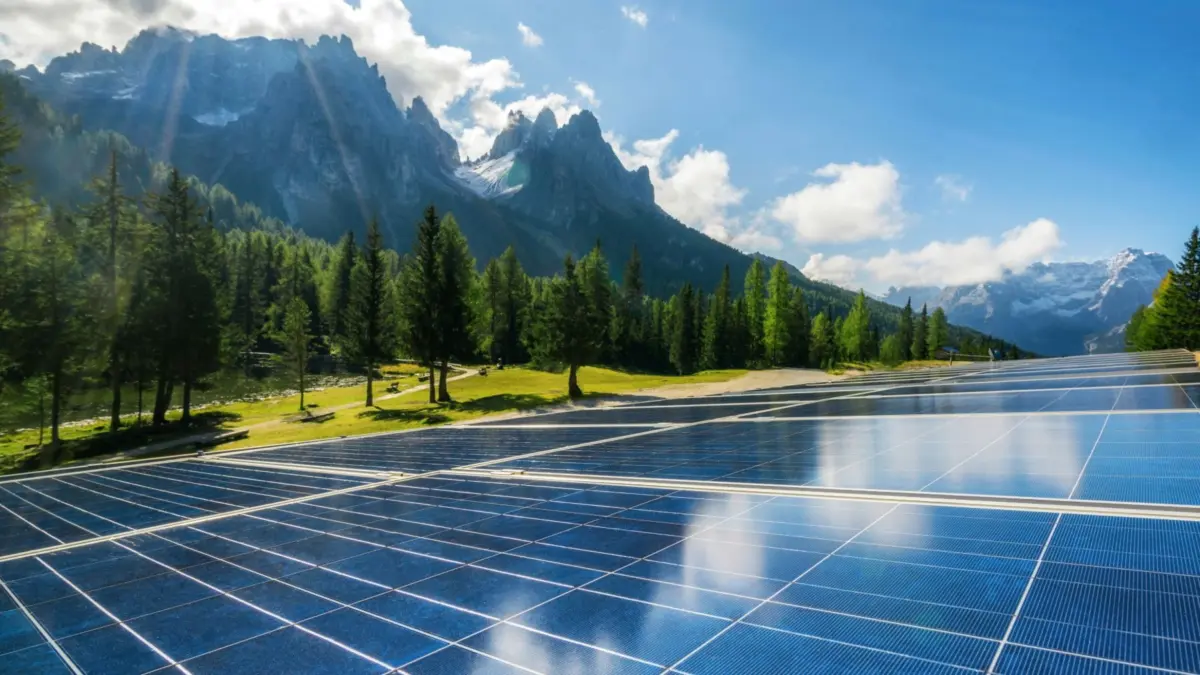
- 10+ GW across 46 Contracts: The massive deployment footprint of solar photovoltaic systems contracted exclusively by the tech sector in the U.S. during the first half of 2026, making solar the most heavily demanded renewable technology for digital infrastructure.
Official Responses and Perspectives
The shifting dynamics between tech conglomerates and energy providers have drawn intense scrutiny and commentary from international regulatory bodies, energy analysts, and corporate leaders.
The International Energy Agency (IEA)
The IEA has highlighted a fundamental paradigm shift in how energy markets operate. In a landmark statement regarding the tech industry’s growing influence, the agency noted:
“The technology sector is no longer just a consumer of energy; it is actively shaping its supply.”
The IEA’s analyses emphasize that while tech companies are vital financiers of the clean energy transition through long-term PPAs, their immediate appetite for power threatens to delay broader national decarbonization timelines if fossil fuel backstops are heavily relied upon.
Corporate Hyperscalers (Google and Meta)
Representatives from major tech firms have defended their multi-billion-dollar investments in PPAs and emerging energy technologies as essential for sustainable scaling. Executives maintain that without corporate intervention, the clean energy transition would lack the private-sector capital injection necessary to deploy technologies like advanced solar arrays, battery storage, and next-generation nuclear options at scale. Furthermore, tech sustainability officers argue that their long-term contracts provide developers with the financial certainty required to build green infrastructure that ultimately benefits entire regional grids.
Implications for the Future of Global Energy
The marriage of artificial intelligence and electrical infrastructure carries profound implications for the global economy, environmental policy, and geopolitical stability.
1. The Decarbonization vs. Reliability Dilemma
The most pressing implication of the AI boom is the tension between ambitious corporate net-zero targets and the physical reality of grid management. Artificial intelligence models require continuous, 24/7 baseload power. Because wind and solar are inherently intermittent, data center operators face a difficult choice: accept intermittent operational throttling, invest heavily in costly multi-hour battery storage, or rely on fossil fuels like natural gas to guarantee uptime. The projected 15 to 27 GW of on-site natural gas by 2030 serves as a stark reminder that convenience and reliability often trump green ideals in high-stakes computing environments.
2. Redefining Corporate Responsibility
Tech companies are finding themselves cast in an unfamiliar role: quasi-utilities. Historically, corporations simply plugged into the local grid and paid their monthly utility bills. Today, tech giants are direct stakeholders in energy market design. Their willingness to finance massive solar and wind farms—evidenced by the 46 major solar contracts signed in early 2026 alone—proves that private capital can accelerate green infrastructure deployment far faster than traditional regulatory frameworks or municipal planning boards.
3. Long-Term Economic and Geopolitical Ripple Effects
As data centers increasingly dictate where and how power is generated, regional economies near major tech hubs will experience significant transformations. Local communities may see accelerated development of renewable energy parks, but they may also face localized grid stress and increased competition for water resources used in server cooling. On a global scale, nations that successfully integrate clean energy manufacturing with advanced digital infrastructure will lead the next economic era, while those constrained by fragile, outdated power grids risk falling behind in the artificial intelligence race.
Ultimately, the future of the digital revolution is tethered directly to the wires, panels, and turbines of the energy sector. Whether the AI boom accelerates a permanent green transition or forces a temporary retreat into fossil-fueled pragmatism will depend entirely on how effectively tech innovators and energy providers collaborate in the critical years leading up to 2030.



Leave a Reply