

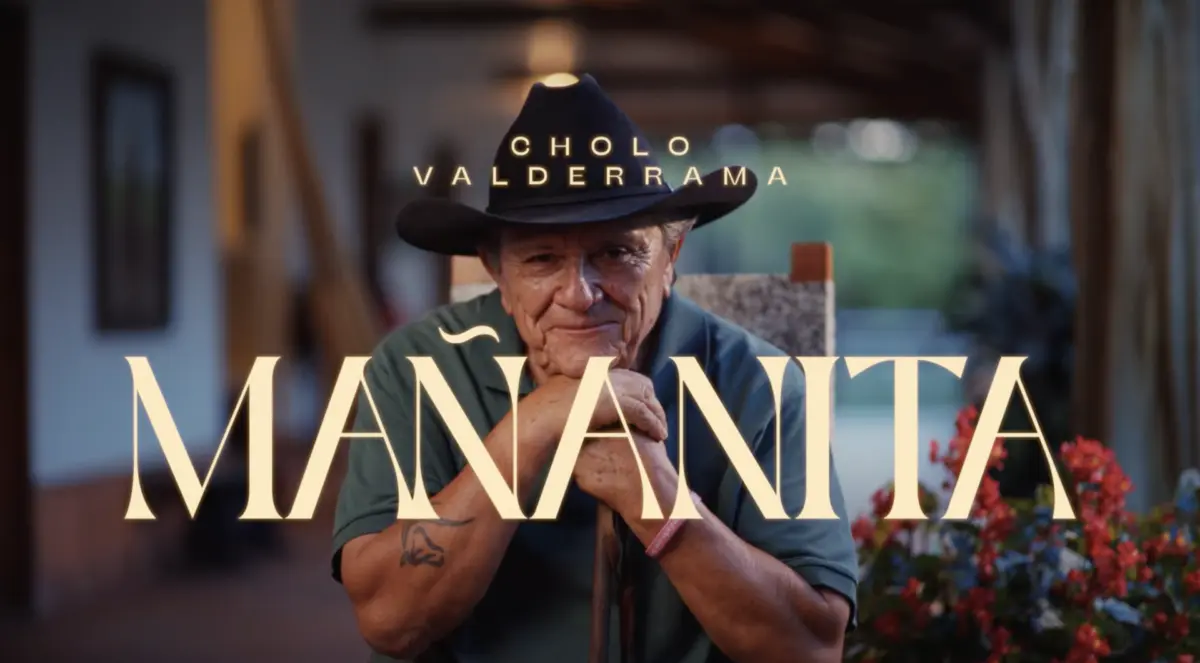
BOGOTÁ, COLOMBIA — In a vibrant celebration of cultural diversity and musical heritage, the opening week of Radio Nacional de Colombia has brought together an eclectic mix of sounds that span the vast geographical and emotional landscapes of the country. Traditional llanero melodies and Andean echoes now seamlessly merge with the exotic, high-energy rhythms of the Colombian Pacific. This cultural convergence is spearheaded by three distinct acts: the legendary llanero troubadour Orlando “Cholo” Valderrama, the roots-reviving Gaiteros de Pueblo Santo, and the innovative electronic sounds of Pacific producer DJ Kenall.
This curated showcase highlights not only the enduring legacy of Colombia’s musical icons but also the restless creativity of a new generation pushing the boundaries of traditional genres through modern fusion.
Main Facts: A Triad of Musical Innovation
The launch event organized by Radio Nacional de Colombia serves as a powerful reminder of the nation’s unmatched sonic wealth. Three primary releases anchor this cultural showcase, each representing a different corner of Colombia’s rich musical map:
- "Mañanita" by Orlando “Cholo” Valderrama: A masterful display of música llanera, this single bridges a 45-year gap between its conception in the United States and its official release. Created by a Latin Grammy-winning artist who embodies the soul of the Casanare plains, the song brings classic cuatro artistry to the forefront.
- "Manuela" by Gaiteros de Pueblo Santo: Led by Barranquilla-born musician and composer Marlon Peroza, this ensemble explores deep mythological and social narratives. Coming off their Latin Grammy success, the group uses traditional gaita flutes and drums to honor the memory of past masters while championing modern values such as tolerance and respect for difference.
- "Titon Punjabi" by DJ Kenall: Representing the cutting edge of Colombia’s regional electronic movement, this track is part of the Exótico Riddims Vol. 1 compilation. Released under the indie label Polen Records as part of their "De costa a costa" (From Coast to Coast) series, the track introduces the world to "ritmo exótico"—a rapidly growing movement rooted in the Chocó department—fusing traditional Afro-Pacific beats with Arabic and Hindi electronic influences.
Chronology: From 1981 Plains Improv to Modern Coastal Fusion
To truly understand the weight of these releases, one must trace the winding paths that brought these three distinct musical expressions to the national radio waves today.
The 1980s: The Genesis of "Mañanita"
The story of Orlando “Cholo” Valderrama’s "Mañanita" begins far away from the Colombian plains. In 1981, while residing in the United States, Valderrama found himself homesick and deeply connected to his roots. Sitting down with his cuatro, he began to improvise a melody.
With pen and paper, he handwrote the lyrics, intending to send the composition to his colleague and fellow musician José Archila, who was based in Venezuela. For decades, the song remained a hidden gem of the composer’s personal archives—a preserved artifact of llanero nostalgia created abroad.
2007–2020: The Rise of Gaiteros de Pueblo Santo
Fast forward to 2007, when musician Marlon Peroza founded the Gaiteros de Pueblo Santo in Barranquilla. Peroza envisioned a collective that did more than just play Caribbean folk music; he wanted to build an entire mythology around it—specifically, the concept of a mystical village where the souls of departed gaita masters find eternal rest.
The project hit a monumental milestone in 2020 when their debut album, Historias cantadas, earned the Latin Grammy Award for Best Folk Album. This victory cemented their status as vital guardians of Caribbean musical memory. Following this, the group began developing their third project, Complacencia, vol. 1 and vol. 2, dedicated to celebrating the history of radio and collective sound memory in Colombia.
The Present Day: The "Exótico" Movement Takes Over
Simultaneously, in the jungles and urban centers of the Colombian Pacific—particularly in the department of Chocó—a new electronic and percussion-driven phenomenon was quietly brewing. Known simply as ritmo exótico, this genre combines high-BPM Afro-descendant rhythms with modern club music production.
Recognizing the immense cultural value of this regional explosion, indie label Polen Records, directed by Felipe Álvarez, launched the "De costa a costa" initiative. Following the success of La terapia del Palenque by Estrellas del Caribe, the label rolled out Exótico Riddims Vol. 1, bringing underground Pacific club sounds to national and international prominence through producers like DJ Kenall.
Supporting Data: Awards, Origins, and Discography
The credibility of this radio showcase is underscored by the impressive pedigree of the artists involved. Their past accolades and institutional backings provide a solid foundation for their current artistic statements.
| Artist / Project | Key Figures & Origin | Notable Accolades / Releases | Musical Style |
|---|---|---|---|
| Orlando “Cholo” Valderrama | Born in Boyacá, raised in Las Gaviotas, Casanare | Winner of the 2008 Latin Grammy for Best Traditional Folk Album; single "Mañanita" (written 1981, released recently) | Música llanera (Traditional Plains Music) |
| Gaiteros de Pueblo Santo | Marlon Peroza (Barranquilla) | Latin Grammy winner (2020) for Historias cantadas; upcoming Complacencia, vol. 2 | Caribbean Gaita & Folkloric Roots |
| DJ Kenall (Polen Records) | Felipe Álvarez (Label Director), Chocó-based producers | Part of the Exótico Riddims Vol. 1 compilation; "De costa a costa" series | Pacific Ritmo Exótico fused with Arabic and Hindi electronic beats |
Valderrama’s recognition at the 2008 Latin Grammys established him as a global ambassador for the llanura, proving that regional Colombian folk music can compete on the world stage. Meanwhile, Marlon Peroza’s academic and creative approach to gaita music has elevated Caribbean folklore into high-art conceptual storytelling. On the electronic front, Polen Records continues to bridge the gap between marginalized coastal scenes and mainstream production standards, ensuring that genres like ritmo exótico receive the professional mixing, mastering, and distribution they deserve.
Official Responses and Cultural Implications
The Voice of Tradition and Innovation
Cultural critics and representatives from Radio Nacional de Colombia have emphasized that the opening week’s lineup is not merely a broadcast of disparate songs, but a deliberate statement on national identity.
"Radio Nacional has always served as the acoustic mirror of our country," noted a network spokesperson during the launch event. "By placing the historic, deeply personal plains compositions of Cholo Valderrama side-by-side with the ancestral Caribbean storytelling of Marlon Peroza and the hyper-modern electronic club sounds of DJ Kenall from the Pacific, we are demonstrating that Colombian identity is not a monolith. It is a mosaic of past, present, and future."
Bridging the Generation Gap
The release of "Mañanita" after 45 years carries profound implications for the preservation of llanero culture. It proves that traditional compositions are timeless, capable of surviving decades in manuscript form before resonating with modern audiences. For younger listeners accustomed to instant digital releases, Valderrama’s journey offers a lesson in artistic patience and historical continuity.
Similarly, Gaiteros de Pueblo Santo’s focus on tolerance through music ("Manuela") addresses contemporary social tensions in Colombia. By embedding messages of coexistence within traditional Caribbean gaita structures, the ensemble demonstrates how folk art can actively participate in modern social discourse, healing historical divides through rhythm and verse.
The Global Ascent of Pacific Electronic Sounds
Perhaps the most forward-looking implication of the showcase is the amplification of ritmo exótico. For decades, the music of Colombia’s Pacific coast—while rhythmically rich—faced barriers to national and international commercial markets due to a lack of institutional recording infrastructure.
Through initiatives like Polen Records’ Exótico Riddims Vol. 1 and the platform provided by Radio Nacional, producers like DJ Kenall are proving that the future of Colombian dance music lies in the coastal peripheries. By fusing local Afro-Pacific percussion with global electronic, Arabic, and Hindi elements, these artists are creating a truly borderless sound that appeals to international club cultures while remaining fiercely loyal to its local roots.
Conclusion: A Sonic Journey Without Borders
As Radio Nacional de Colombia continues its special broadcast week, the juxtaposition of "Mañanita," "Manuela," and "Titon Punjabi" serves as a masterclass in cultural programming. It reminds audiences that Colombia’s musical geography stretches effortlessly from the windswept plains of Casanare to the mystical gaita villages of the Caribbean, and onward to the electrifying, humid dancefloors of the Chocó jungle.
In these three tracks, listeners find a country that honors its elders, preserves its memories, and fearlessly dances into the electronic future.




Leave a Reply