

Main Facts
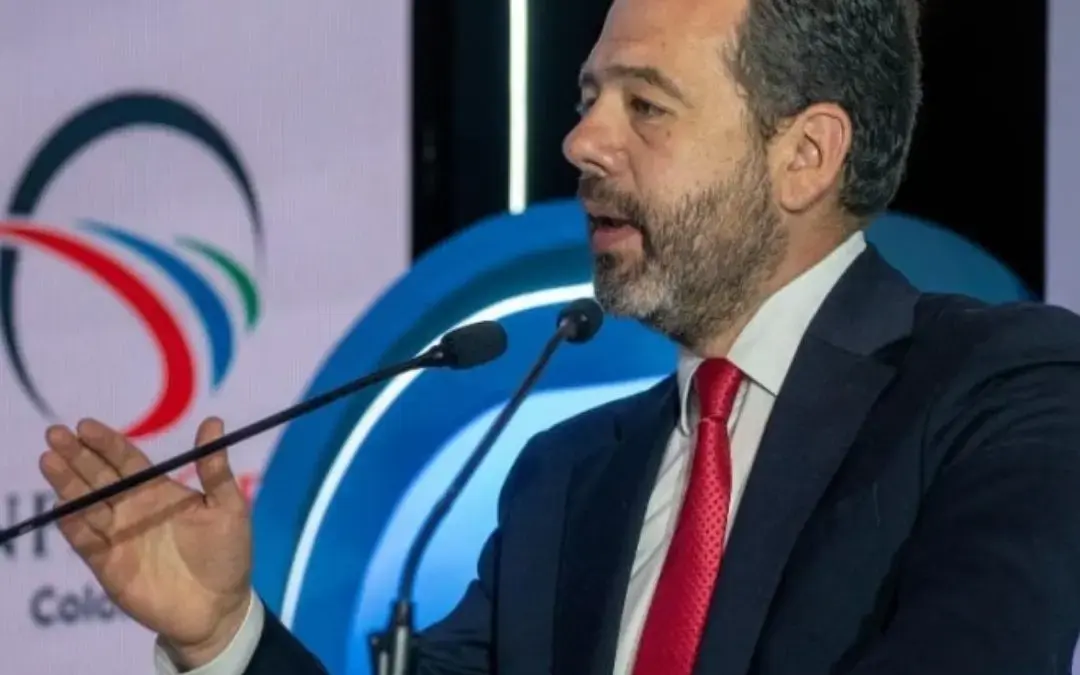
In a decisive announcement addressing the climatic and infrastructural challenges facing Colombia’s capital, the Mayor of Bogotá, Carlos Fernando Galán, guaranteed that the city will not face water rationing despite the severe impact of the El Niño weather phenomenon. This assurance rests on the robust state of the Chingaza water system—the primary source of drinking water for the capital—which currently stands at 95% of its total operational capacity.
While the water supply remains secure, Mayor Galán shifted the spotlight to pressing vulnerabilities in the regional energy sector. The Mayor issued an urgent call to accelerate the completion of two critical power transmission projects: the Norte-Chivor and Sogamoso grid expansions. Currently, these projects show progress of 81% and 68%, respectively. Galán warned that if these transmission lines are not fully operational by October of next year, Bogotá and the surrounding central region of Colombia could face severe energy reliability risks, including potential localized blackouts or supply deficits.
To further mitigate short-term energy vulnerabilities, the Mayor’s office disclosed a strategic postponement of scheduled maintenance at the Guavio hydroelectric plant—one of the country’s largest power generation facilities—pushing these activities to the years 2028, 2029, and 2030. Additionally, Galán proposed a coordinated, city-wide energy-saving campaign designed to shave off peak demand during critical hours over the coming months.
These energy challenges emerge at a time when Bogotá is rapidly electrifying its public transit system. The city currently boasts 1,625 electric buses in active operation, with an additional 900 units projected to join the fleet in the near future. While this represents a landmark achievement for urban decarbonization, it places an unprecedented load on the capital’s electrical distribution and generation infrastructure.
Chronology
The current state of Bogotá’s resource security is the result of a multi-year convergence of climatic cycles, infrastructure planning, and shifting policy priorities:
- Mid-2023 – Early 2024 (The Onset of El Niño): The El Niño-Southern Oscillation (ENSO) cycle begins to intensify across the Pacific, bringing record-high temperatures and prolonged dry spells to Colombia. Reservoirs across the country experience steady declines, prompting national debates regarding potential water and energy rationing.
- Late 2023 (Water Preservation Measures): Preventive water management strategies and targeted reservoir management allow the Chingaza system to accumulate reserves, defying the broader national trend of drying basins and reaching its current resilient level of 95% capacity.
- January 2024 (Galán Takes Office): Mayor Carlos Fernando Galán assumes office, inheriting both a highly successful water conservation model and a looming backlog of critical energy transmission projects delayed by environmental licensing and community consultations.
- Mid-2024 (The Energy Grid Review): Technical audits of the Norte-Chivor and Sogamoso transmission lines reveal bottleneck delays. The projects, intended to bolster the energy corridor into the high-demand Bogotá-Cundinamarca region, are flagged as lagging behind schedule.
- Late 2024 (Strategic Rescheduling of Guavio): Following consultations with grid operators and generation companies, the maintenance schedule for the Guavio hydroelectric plant is officially deferred to the late 2020s (2028–2030) to keep maximum generation capacity online during the driest phases of the weather cycle.
- October of Next Year (Critical Infrastructure Deadline): The hard deadline established by regional planners and reiterated by Mayor Galán. Full operational status of the Norte-Chivor and Sogamoso lines must be achieved by this date to avert grid instability.
Supporting Data and Key Metrics
To fully comprehend the scale of Bogotá’s resource management, it is necessary to examine the specific metrics governing its water, electricity, and transit sectors:
RESOURCE & INFRASTRUCTURE STATUS: BOGOTÁ

[Water Reservoirs]
Chingaza System Capacity: 95% (Current)

[Energy Transmission Progress]
Norte-Chivor Line:        ====================> 81% Complete
Sogamoso Line:            =============> 68% Complete
*Deadline for 100%: October of Next Year

[Guavio Hydroelectric Maintenance Postponement]
Original Schedule: Immediate/Short-term
Revised Schedule:  2028, 2029, and 2030

[Public Transit Electrification]
Active Electric Buses:    1,625
Projected Electric Buses: +900
Total Target Fleet:       2,525
The Water Sector
- The Chingaza System: Composed primarily of the Chuza and San Rafael reservoirs, this system supplies approximately 70% of Bogotá’s drinking water. Maintaining a 95% capacity during an active El Niño cycle is an anomalous success, largely attributed to disciplined basin management and favorable localized precipitation in the high-altitude paramo regions.
- Consumption Rates: Bogotá consumes an average of 16 to 17 cubic meters of water per second. At 95% capacity, the Chingaza system offers a multi-month buffer that insulates the capital from immediate drought-induced curtailments.
The Energy Transmission Gap
- Norte-Chivor Project (81% complete): Designed to connect the Chivor hydroelectric plant to the northern substation of Bogotá, this line is essential for stabilizing voltage in the northern expansion zones of the city.
- Sogamoso Project (68% complete): This line is designed to transport cheap, abundant energy generated in the Santander department directly into the central grid. Its current delay leaves the capital region highly dependent on localized, more expensive, and less reliable generation.
- The Guavio Factor: The Guavio plant accounts for roughly 7% of Colombia’s total installed electricity generation capacity (approximately 1,250 Megawatts). Deferring its maintenance prevents the temporary removal of hundreds of megawatts from the national grid during critical low-water periods.
Transit Electrification Demand
- Current Fleet (1,625 buses): Bogotá operates one of the largest municipal electric bus fleets outside of China.
- Future Fleet (+900 buses): The transition of nearly 2,500 heavy-duty electric vehicles onto the municipal grid increases peak electricity demand, specifically during overnight charging hours (between 11:00 PM and 4:00 AM), placing localized stress on distribution substations.
Official Responses and Policy Proposals
Mayor Carlos Fernando Galán has taken a proactive stance, balancing optimism regarding water security with sharp, demanding advocacy for energy infrastructure development.
Addressing the public’s anxiety regarding water shortages, Galán stated:
“There is no such risk; we have already guaranteed the water supply in the midst of the worst El Niño phenomenon that the country will experience.”
However, the Mayor’s tone shifted from reassurance to urgency when addressing the national government and private energy concessionaires. Galán emphasized that the completion of the Norte-Chivor and Sogamoso transmission lines is not merely a municipal priority, but a matter of regional national security. He urged the Ministry of Mines and Energy, alongside the National Environmental Licensing Authority (ANLA), to expedite pending bureaucratic clearances and resolve community disputes that have stalled the final stretches of these transmission corridors.
To prevent an energy crisis in the short term, Galán proposed a collaborative municipal energy-saving strategy. This policy calls on private commercial high-rise buildings, industrial parks, and residential complexes to implement energy-efficiency protocols during peak demand hours (typically 6:00 PM to 9:00 PM). By flattening the peak demand curve, the city hopes to alleviate pressure on the current, constrained transmission network while the new lines are being completed.
Implications for Bogotá’s Sustainable Future
The dual realities of Bogotá’s secure water supply and fragile energy infrastructure carry profound implications for the city’s long-term developmental trajectory.
The Water-Energy Nexus and Climate Resilience
Bogotá’s successful preservation of the Chingaza reservoir capacity highlights the value of proactive ecological stewardship. The paramo ecosystems surrounding Bogotá act as natural water towers. Preserving these high-altitude wetlands is no longer just an environmental goal, but a core economic defense mechanism against climate change. However, this success must not breed complacency. If climate change alters precipitation patterns permanently, even robust systems like Chingaza will face unprecedented stress in the decades to come.
The Threat of Infrastructure Bottlenecks
The delays in the Norte-Chivor and Sogamoso transmission lines expose a systemic issue within Colombia’s infrastructure execution model. Bureaucratic friction, protracted environmental permitting, and challenges in securing social licenses from local communities frequently delay critical projects. If the October deadline of next year is missed, the economic consequences for Bogotá could be severe. Businesses could face increased operational costs due to reliance on backup diesel generators, and the city’s overall competitiveness could suffer.
The Challenges of Green Electrification
Bogotá’s rapid transition to electric mobility exemplifies the challenges of modern urban planning. While expanding the electric bus fleet to over 2,500 vehicles dramatically improves urban air quality and reduces greenhouse gas emissions, it also exposes the city to a structural irony: decarbonizing public transit increases the city’s reliance on a stable, high-capacity electrical grid. If the power grid is not upgraded in tandem with the bus fleet, the city risks substituting tailpipe emissions with grid vulnerability.
Ultimately, Mayor Galán’s announcements reveal a city at a critical crossroads. While Bogotá has successfully safeguarded its most vital liquid resource, its economic and sustainable future remains deeply dependent on completing the invisible web of cables and substations that power its modern economy.



Leave a Reply