

By Global Business and Culture Desk
Published: October 2026
Main Facts
Robert De Niro is universally celebrated as one of the definitive legends of modern cinema, a titan of the silver screen whose iconic performances in Taxi Driver, Raging Bull, GoodFellas, and The Godfather Part II are etched into cinematic history. Yet, away from the Hollywood soundstages and the glaring lights of premieres, the legendary actor has quietly built a remarkably lucrative, multinational business empire.
Operating seamlessly across continents—with lucrative properties and enterprises spanning the United States, Spain, Mexico, Morocco, and beyond—De Niro has proven himself to be as formidable in the corporate boardroom as he is in front of the camera.
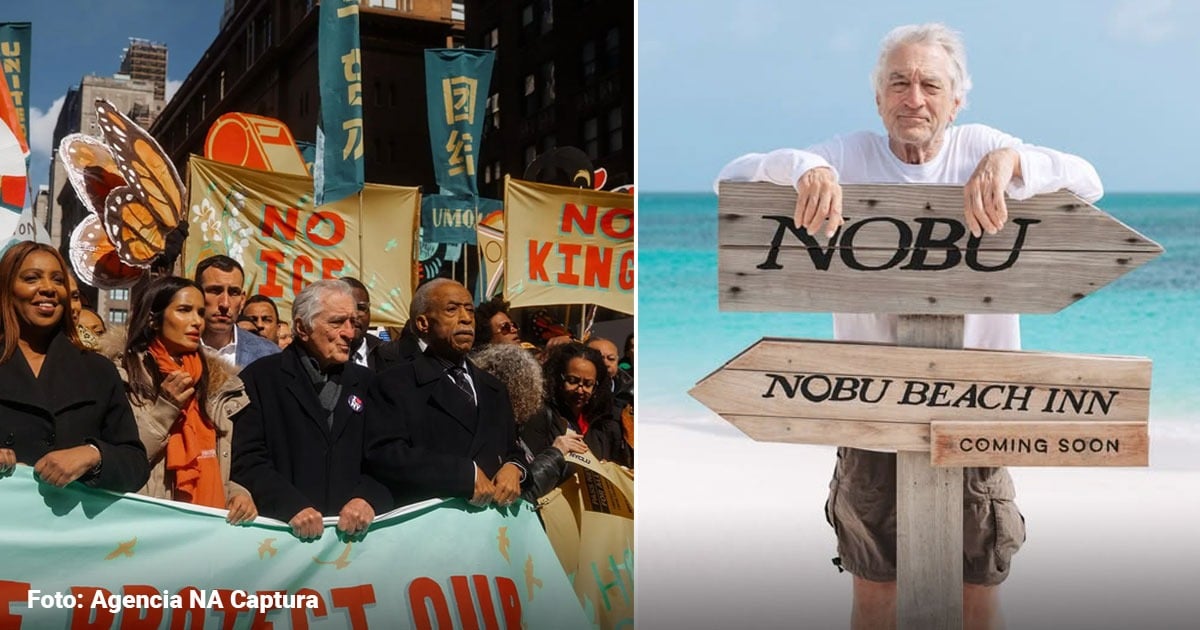
Paradoxically, despite possessing one of the most famous and universally recognizable surnames in show business, De Niro made a deliberate choice when entering the worlds of high-end gastronomy and luxury hospitality: he chose to leave his own name off the door. Instead, consumers walk into establishments bearing monikers like Nobu and The Greenwich Hotel.
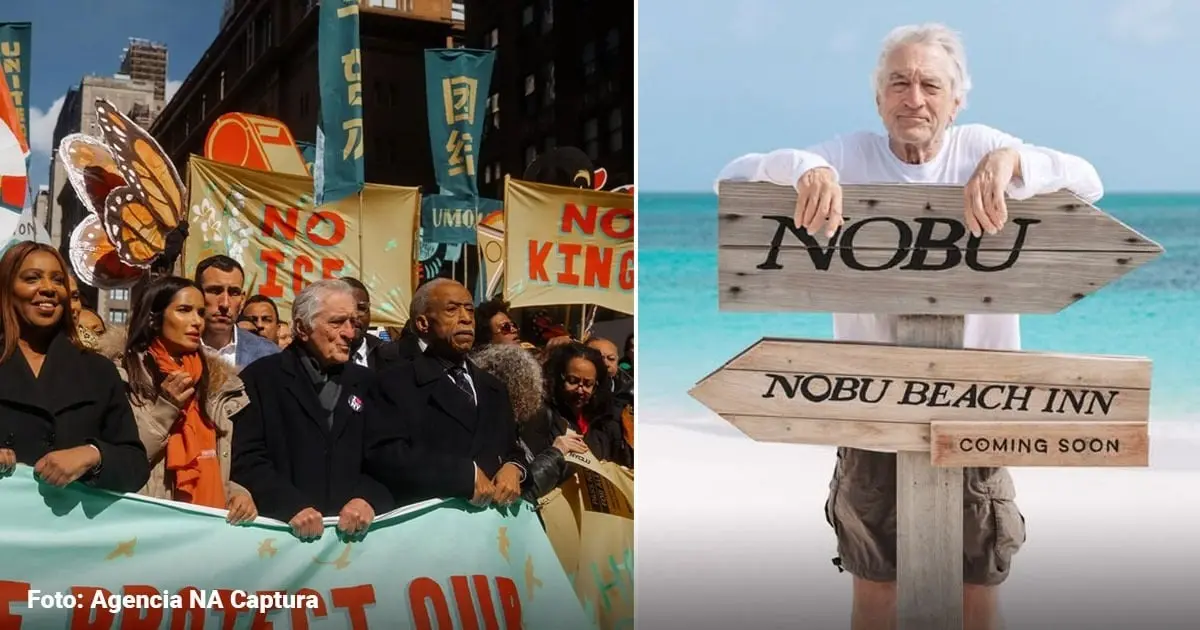
Furthermore, alongside his sprawling entrepreneurial footprint, De Niro has emerged as one of the most prominent, active, and vocal critics of Donald Trump. From fiery speeches at international film festivals to mobilization efforts during national political campaigns, the veteran actor leverages his massive public platform to challenge American political leadership. This dual life—balancing a sophisticated, multi-million-dollar luxury empire with an unyielding, high-stakes political crusade—defines the multifaceted legacy of Robert De Niro today.
Chronology: From Tribeca to a Global Phenomenon
The blueprint for De Niro’s commercial success was not drawn up overnight; it is a story spanning more than three decades, grounded in an accidental discovery and a relentless pursuit of culinary excellence.

Late 1980s: The Discovery in Los Angeles
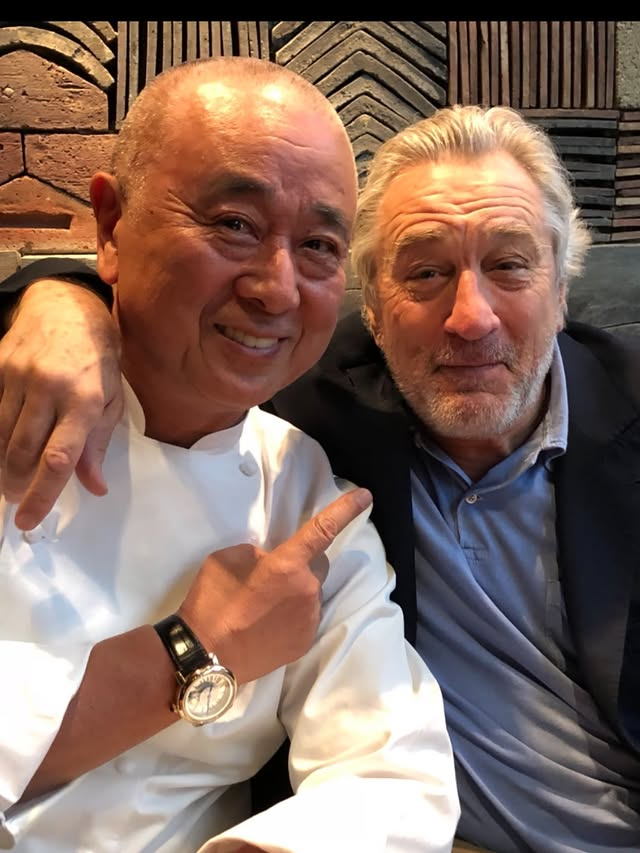
Long before the global expansion of his hospitality footprint, De Niro was a frequent diner at an unassuming Japanese restaurant in Los Angeles run by an ambitious master chef named Nobuyuki “Nobu” Matsuhisa. Matsuhisa had previously honed his craft across Peru, Argentina, and Alaska, blending traditional Japanese techniques with South American ingredients and bold, unexpected flavor profiles. When De Niro first tasted Matsuhisa’s creations in the late 1980s, he was immediately transfixed. Recognizing the sheer brilliance of the culinary concept, De Niro began earnestly urging the chef to bring his unique vision to the competitive gastronomic landscape of New York City.
1994: The Birth of Nobu in Tribeca
For years, Matsuhisa hesitated, cautious of expanding too fast. However, De Niro’s persistence eventually paid off. In 1994, partnering with chef Nobu Matsuhisa and film producer Meir Teper, De Niro opened the very first Nobu restaurant in the trendy Tribeca neighborhood of Manhattan.
The original location seated roughly 150 people. At the time, none of the three partners could have possibly envisioned that this intimate downtown eatery would serve as the foundational bedrock for an international hospitality conglomerate.
2008–2009: Diverging Paths into Luxury Lodging
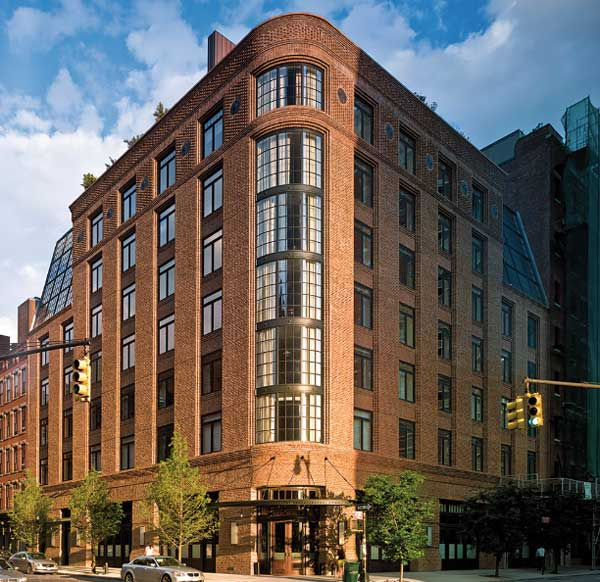
As the Tribeca restaurant achieved legendary status and spawned global culinary imitators, De Niro recognized an untapped commercial synergy. In 2008, partnering with hoteliers Richard Born and Ira Drukier of BD Hotels, De Niro opened The Greenwich Hotel in Tribeca. Unlike his future global branding efforts, The Greenwich was deeply personal—a reflection of his intimate ties to the neighborhood where he had built his life and business investments. Built on a former parking lot, the 88-room boutique hotel featured deeply personal touches, including the Shibui Spa (anchored by an authentic 250-year-old Japanese farmhouse structure) and abstract expressionist artworks created by De Niro’s late father, Robert De Niro Sr.
Shortly after, in 2009, the partners behind the restaurant realized that properties housing a Nobu restaurant enjoyed an immediate, built-in brand pull and elevated status. The natural evolution from fine dining to luxury hotels had begun.
2013–2026: The Global Hospitality Takeover
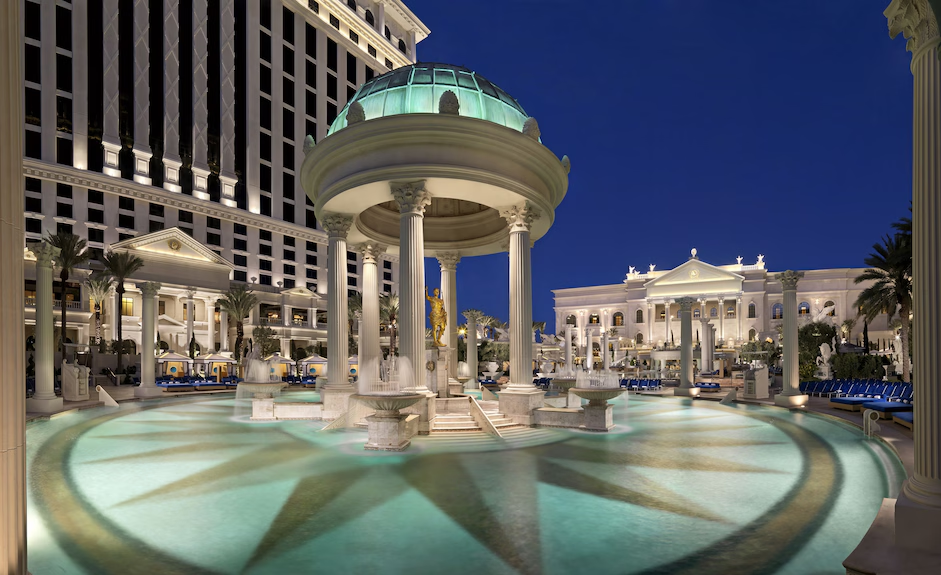
The logical leap into lodging materialized in 2013 with the opening of the first Nobu Hotel inside Las Vegas’s iconic Caesars Palace—a 181-room property integrated into a massive resort ecosystem.
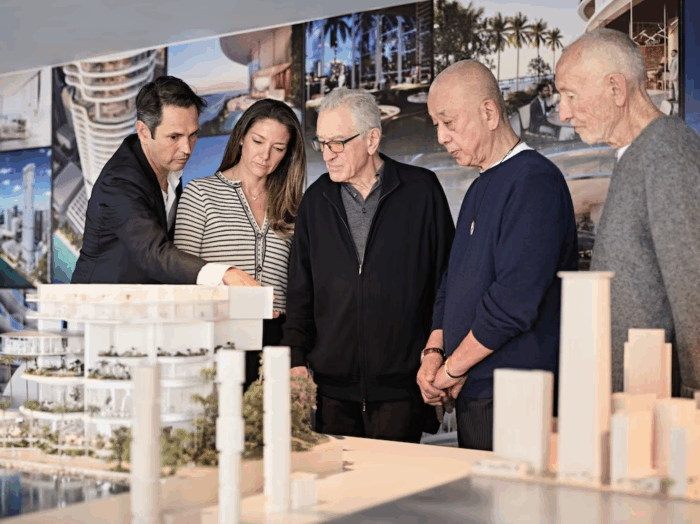
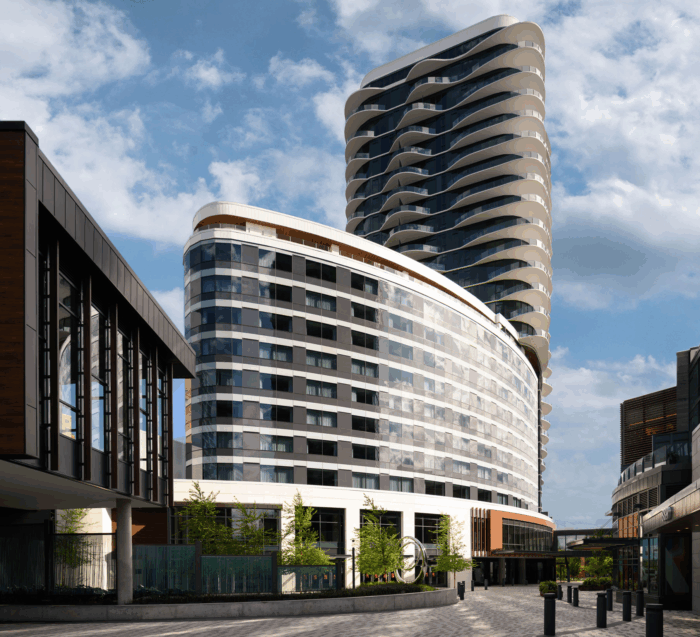
The formula proved immensely successful. Nobu rapidly transitioned from a standalone restaurant concept into a premier lifestyle and hospitality brand. Over the subsequent decade, Nobu properties sprouted across the globe in premier cultural and tourist hubs, including London, Marbella, Miami Beach, Manila, Toronto, Barcelona, Ibiza, San Sebastián, Rome, and Marrakech.
By 2026, industry reports placed the sprawling Nobu Hospitality portfolio at an impressive 46 hotels, 57 restaurants, and 20 branded residences globally, with active developments underway in regions ranging from Bellevue, Washington, to the exotic shores of the Maldives.
Supporting Data: The Scale of the Enterprise
To understand the sheer scale of Robert De Niro’s business acumen, one must examine the metrics of his commercial empire. Nobu Hospitality has long transcended the boundaries of traditional hotel chains by diversifying into ultra-luxury real estate through Nobu Residences.

- Global Portfolio (As of 2026):
- 46 Hotels operating or in development worldwide.
- 57 Restaurants delivering signature fusion cuisine.
- 20 Branded Residences integrated into luxury mixed-use developments.
- Key Residential and Hotel Markets:
- North America: New York, Las Vegas, Miami, Toronto, Los Cabos, Bellevue.
- Europe & Africa: London, Marbella, Barcelona, Ibiza, San Sebastián, Rome, Marrakech.
- Emerging & Luxury Markets: Manila, Abu Dhabi, São Paulo, Tulum, Punta Cana, Barbuda, and the Maldives.
- Boutique Luxury:
- The Greenwich Hotel (Tribeca, New York): An 88-room independent luxury haven serving as a benchmark for discrete celebrity-backed hospitality.
This diversified model shields the enterprise from seasonal tourism slumps, combining recurring revenue from high-end dining, premium room nights, and multi-million-dollar residential property sales under a single, highly curated umbrella.
Official Responses and Public Statements
While De Niro’s business partners—most notably Chef Nobu Matsuhisa and Meir Teper—tend to focus on culinary expansion and architectural innovation, De Niro himself has increasingly utilized his public status to address socio-political issues, creating a striking contrast between his quiet corporate dealings and his loud political activism.
Confronting Political Figures
De Niro has never shied away from controversy, but his opposition to Donald Trump escalated dramatically during the 2024 U.S. presidential campaign. In May 2024, standing shoulder-to-shoulder with former Capitol police officers who defended the building on January 6, De Niro delivered a blistering speech at a Joe Biden campaign event, famously labeling Trump a "clown" and warning of the existential threats facing American democracy.
The 2025 Cannes Film Festival Address
The political friction spilled onto the international stage in 2025. Upon receiving an honorary Palme d’Or at the Cannes Film Festival, De Niro used his acceptance speech not just to reflect on his cinematic journey, but to deliver a scathing critique of cultural policies and proposed international tariffs targeting foreign film productions. His remarks underscored his willingness to weaponize his artistic prestige to defend global cinema and free expression.
The "No Kings" Mobilization
By 2026, as domestic political tensions in the United States continued to simmer, De Niro lent his voice and physical presence to the No Kings civic mobilization movements and various progressive advocacy platforms, cementing his role as a leading cultural voice of dissent.
Implications: The Legacy of a Multi-Industry Icon
The business and cultural trajectory of Robert De Niro carries profound implications for how modern celebrities build and sustain wealth.
1. The Power of Nameless Branding
Most celebrity-backed ventures rely entirely on vanity—slapping a famous name onto tequila bottles, cosmetic lines, or fast-casual burger joints. De Niro’s strategy with Nobu proved the exact opposite: by partnering with world-class talent (Matsuhisa) and focusing uncompromisingly on quality, authenticity, and execution, a brand can achieve greater longevity and universal acceptance precisely because it is detached from a celebrity’s personal controversies or cinematic misfires.
2. Diversification as a Shield
By bridging fine dining, luxury hospitality, and high-end real estate residences, De Niro insulated his fortune against the volatility of the entertainment industry. While box-office returns can fluctuate and acting roles dry up for aging actors, prime global real estate and Michelin-caliber dining experiences generate compounding, resilient wealth.
3. Cultural Influence Meets Corporate Success
De Niro’s dual identity—as a corporate mogul operating quietly behind global luxury brands and a fiercely outspoken political activist—challenges the traditional mold of Hollywood stardom. He demonstrates that a modern icon can command immense corporate power across multiple continents while remaining passionately engaged in the socio-political battles of his time.
Ultimately, more than three decades after stepping into a small sushi restaurant in Los Angeles, Robert De Niro’s greatest masterpiece may not be found on celluloid, but in the sprawling, elegant, and enduring empire that bears every mark of his vision—even if his name isn’t on the door.

Leave a Reply