

Main Facts
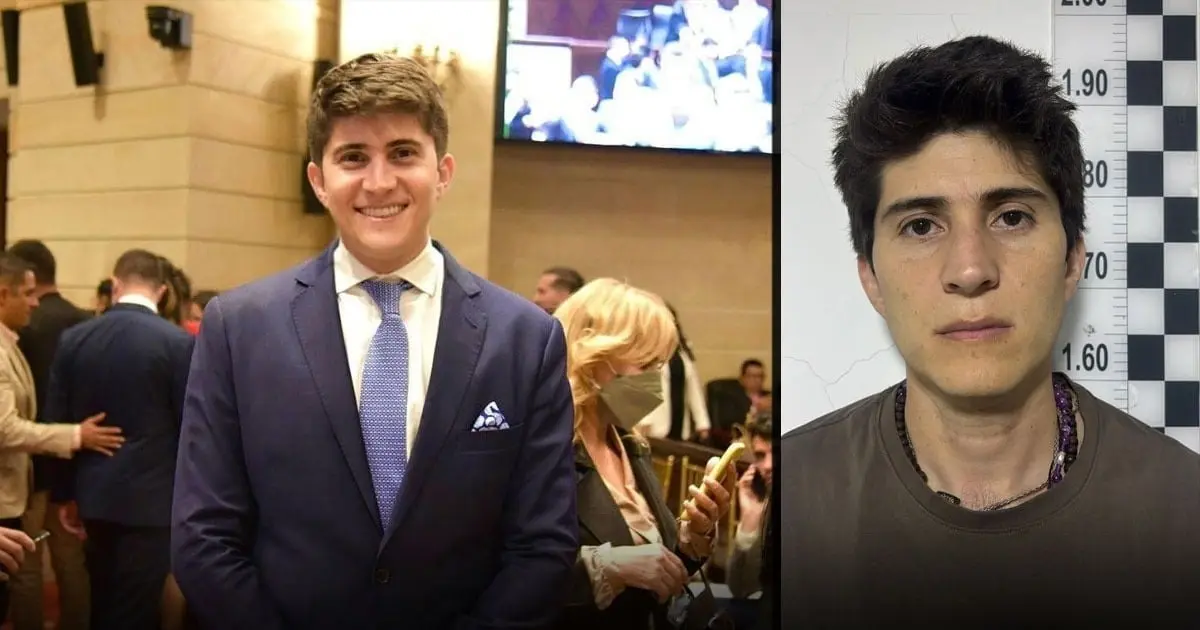
The political landscape of Colombia has been shaken by a decisive shift in how high-profile corruption suspects are treated within the penal system. Wadith Manzur, a prominent conservative politician and the political heir to a deeply entrenched dynastic powerhouse in the Department of Córdoba, found his ambitions crashing down as he transitioned from the comforts of a police-run holding facility to the austere reality of Bogotá’s La Picota prison.
Manzur’s descent is tied directly to a massive corruption scandal involving the National Unit for Disaster Risk Management (UNGRD). Despite facing serious criminal charges brought by the Criminal Investigation Chamber of the Supreme Court of Justice, Manzur capitalized on his family name and political machinery to secure 134,000 votes in the congressional elections, successfully transitioning from the Chamber of Representatives to a newly won Senate seat.
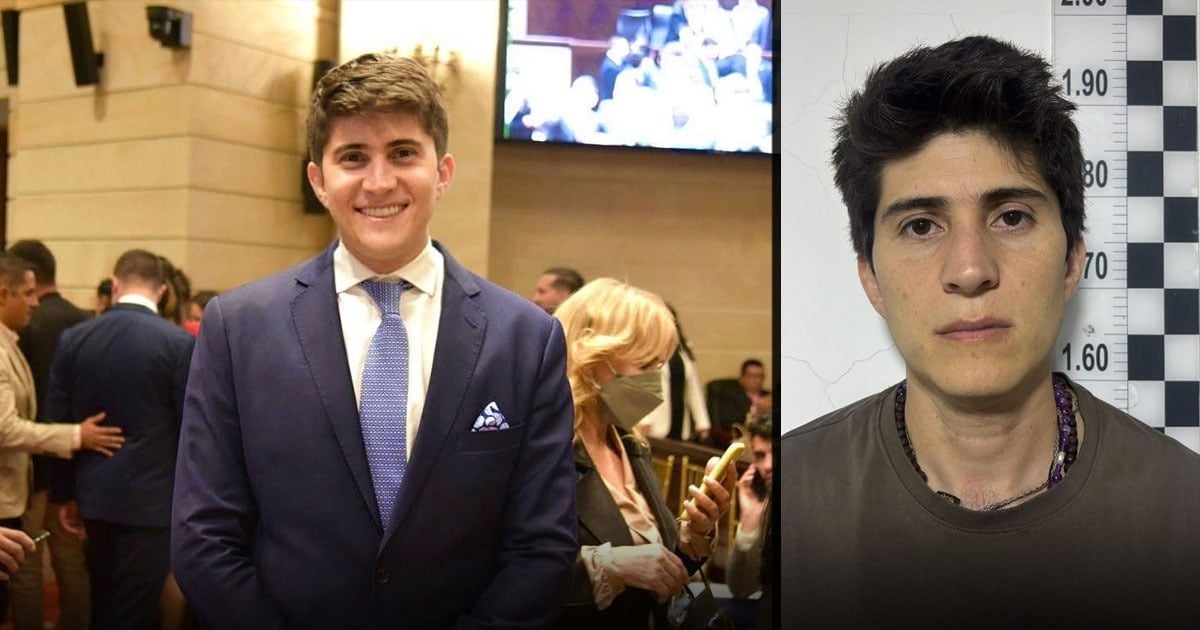
However, his attempts to govern from behind bars—going as far as trying to officially take his Senate oath from a privileged police facility—were forcefully blocked. Following a hardline presidential directive issued by Abelardo de la Espriella during the opening weeks of his administration, all special privileges for white-collar criminals were abruptly revoked. Stripped of his holding-facility comforts, Manzur was transferred to La Picota, where he now faces the harsh disciplinary regime, strict visitation limits, and austere living conditions typical of an ordinary inmate.
This dramatic policy enforcement mirrors the fate of Andrés Calle, the former President of the Chamber of Representatives and a key early-administration ally, who was similarly transferred from the Higher Police Studies Center (CESPO) to La Picota under the weight of his own UNGRD corruption investigations.

Chronology of Events
- The Dynastic Foundation: For decades, Julio Manzur—Wadith’s father—built an indomitable conservative electoral empire in Córdoba, a legacy later marred and legally cemented by his criminal conviction for links to the Bloque Norte and Bloque Élmer Cárdenas factions of the United Self-Defense Forces of Colombia (AUC).
- The Successor’s Ascent: Inheriting the family’s political machinery, Wadith Manzur successfully entered the Chamber of Representatives with 67,000 votes, laying the groundwork for a broader regional and national expansion.
- March 2026: Despite being formally indicted by the Supreme Court’s instruction chamber, Manzur leveraged his network to secure a Senate seat with 134,000 votes in the legislative elections.
- March 12, 2026: Facing mounting legal pressure, Manzur surrendered to the Technical Investigation Corps (CTI) at the headquarters of the Office of the Attorney General in Bogotá. He was subsequently placed in the Police Cavalry School (Escuela de Carabineros), traditionally reserved for high-profile figures seeking favorable detention conditions.
- July 20, 2026: Backed by his defense attorney, Luis Carlos Torregrosa, Manzur attempted to formally take his Senate oath—either virtually or directly from his place of detention. The General Secretariat of the Senate firmly rejected the maneuver. Manzur ultimately lost his congressional seat, paving the way for the application of the vacant-seat constitutional penalty (Silla Vacía).
- August–September 2026: Following the inauguration of President Abelardo de la Espriella, a decisive policy turnaround dismantled the long-standing tradition of preferential treatment for high-society detainees. An explicit presidential mandate ordered the immediate relocation of white-collar corruption defendants out of police academies and into high-security penitentiaries.
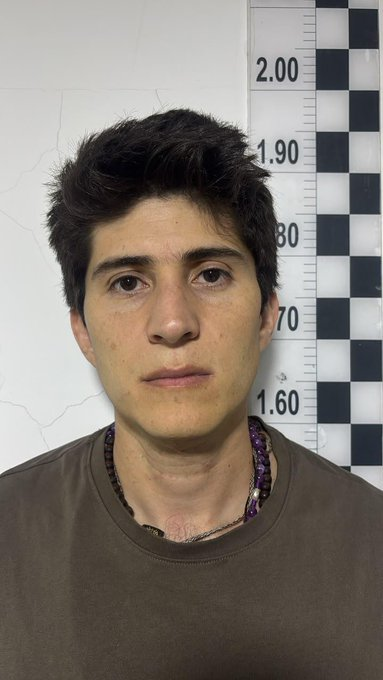
- September 9, 2026: Andrés Calle, former President of the Chamber of Representatives and a primary target in the UNGRD scandal, was transferred from CESPO to La Picota. Shortly thereafter, Manzur followed, subjected to a formal mugshot intake process and rigorous security placement.
Supporting Data and Institutional Context
The mechanics of Colombia’s prison system reveal just how sharp the contrast is between holding facilities like the Escuela de Carabineros and standard penitentiary complexes like La Picota.
- The UNGRD Scaffold: The legal actions against Manzur and Calle stem from an extensive inquiry into the embezzlement and illicit contracting rings uncovered within the National Unit for Disaster Risk Management. Investigators allege that millions of pesos were misdirected through irregular agreements, with legislators leveraging their institutional influence to secure bribes and public contracts.
- Electoral Demographics: Manzur’s political resilience up until his incarceration was underwritten by dense clientelist networks in Córdoba. His initial House victory relied on 67,000 localized votes, which doubled to 134,000 in his failed Senate bid, demonstrating that judicial indictments do not immediately sever a regional politician’s grip on localized clientelism.
- La Picota Infrastructure: Should Manzur be permanently assigned to the Integrated High-Security Structure (Estructura de Alta Seguridad Integrada) within the La Picota complex, his daily existence will be confined to a three-by-three-meter cell containing a single bed and a rudimentary toilet. Each housing level accommodates between 20 and 25 individual cells, overseen by strict surveillance protocols, mandatory headcounts, and severely curtailed family and legal visitation rights compared to police-run compounds.
Official Responses and Legal Defense
The legal battles surrounding Wadith Manzur highlight a fundamental clash between traditional elite impunity and emergent anti-corruption enforcement.

- Defense Strategy: Represented by attorney Luis Carlos Torregrosa, Manzur’s legal team initially operated under the assumption that pre-trial detention would remain a formality accommodated by comfortable surroundings. They argued that because Manzur had not yet received a definitive judicial sentence from the Supreme Court, he retained the right to exercise his political functions, including parliamentary swearing-in. The General Secretariat of the Senate flatly rejected this premise, establishing a strict institutional boundary against remote legislating from jail cells.
- The Executive Mandate: The turning point in the administrative handling of these prisoners came directly from the executive branch. In a public presidential address delivered during his first month in office, President Abelardo de la Espriella drew a hard line against preferential detentions. Declaring that white-collar corruption defendants would no longer enjoy luxurious accommodations in police clubs and academies, the administration prioritized public transparency over elite comfort, forcing the National Penitentiary and Prison Institute (INPEC) to execute the transfers.
Wider Implications for Colombian Politics
The downfall of Wadith Manzur and the concurrent imprisonment of figures like Andrés Calle signal a profound structural warning to traditional political dynasties across Colombia.
For decades, families like the Manzurs in Córdoba operated with a degree of structural invulnerability—bridging paramilitary linkages in the late 20th and early 21st centuries with modern clientelist electoral success. The capacity to inherit a political franchise and smoothly transition from regional fiefdoms to national legislative power seemed impervious to judicial setbacks.
However, the intersection of aggressive Supreme Court investigations into the UNGRD scandal and an executive branch unwilling to tolerate soft detentions marks an inflection point. By effectively invoking mechanisms like the vacant seat (Silla Vacía) and closing the legal loopholes that allowed imprisoned politicians to maintain remote influence, the Colombian state is systematically dismantling the infrastructure of white-collar impunity.
As Manzur faces the bleak reality of a three-by-three-meter cell in La Picota, the message to the political class is unmistakable: the era of privileged confinement for corruption suspects has officially come to an end.




Leave a Reply