

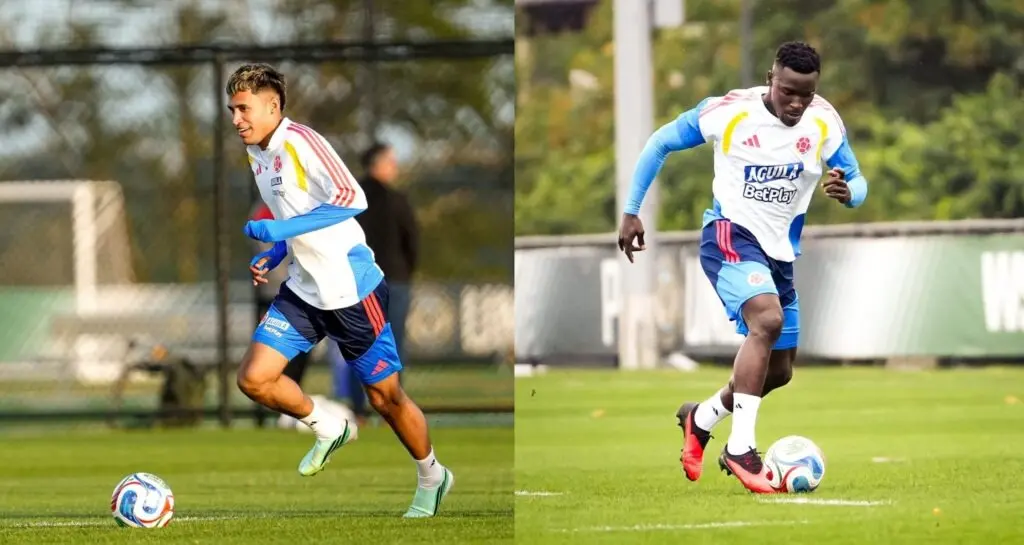
BOGOTÁ, COLOMBIA — With the arrival of forward Camilo Durán to the training camp, the Colombian Football Federation (FCF) officially confirmed that the squad of 26 players is now complete. The Tricolor is deep into its preparation phase ahead of an intense and demanding trilogy of international friendly matches during the current FIFA window, where they will face fellow South American powerhouses Peru and Paraguay, alongside continental rivals Mexico.
The inclusion of Durán finalizes a meticulously crafted roster put together by Argentine head coach Néstor Lorenzo and his technical staff. As the delegation settles into its tactical hub, the atmosphere within the camp is one of intense focus, ambition, and transition. With a blend of seasoned veterans and hungry newcomers, these upcoming fixtures are viewed as pivotal stepping stones in the broader strategic vision for Colombian football.
Main Facts
The foundational details of the Colombian national team’s current gathering center around roster completion, tactical refinement, and leadership designation:
- Roster Finalization: Forward Camilo Durán’s arrival marks the completion of the 26-man list called up by Néstor Lorenzo for the October FIFA international window.
- The Opponents: Colombia is set to play three high-profile friendly matches against Mexico, Paraguay, and Peru.
- The Captaincy: Head coach Néstor Lorenzo officially announced that central defender Davinson Sánchez will wear the captain’s armband for the opening match against Mexico.
- Tactical Focus: Recent training sessions at the team’s headquarters have heavily emphasized tactical organization in both defensive and offensive transitions, alongside specialized drills for set-piece situations.
- Match Schedule: The series kicks off with a high-stakes clash against Mexico, followed by encounters with Paraguay on October 2 and Peru on October 6.
These core facts underline an active and multifaceted preparation process. Lorenzo and his coaching staff are not merely treating these fixtures as exhibitions; rather, they are using them as a laboratory to test depth, evaluate new tactical systems, and cement leadership hierarchies on the pitch.
Chronology of the Training Camp and Buildup
The journey toward this current FIFA window has been one of gradual assembly, logistical coordination, and escalating intensity on the training pitches. Understanding the timeline of the Tricolor’s preparation highlights the professionalism and urgency governing the squad.
Phase One: Arrivals and Medical Evaluations
The prelude to the FIFA window began early in the week as players filtered into the training camp from various leagues across Europe, the Americas, and the domestic BetPlay Dimayor League. Due to the staggered nature of club football schedules, the technical staff implemented a staggered arrival protocol. Medical evaluations and light recovery sessions took priority for those arriving after grueling weekend fixtures with their respective clubs.
Phase Two: Squad Completion with Camilo Durán
The final piece of the tactical puzzle fell into place with the arrival of forward Camilo Durán. Known for his explosive pace, mobility, and eye for goal, Durán’s incorporation provides Lorenzo with diverse tactical options in the final third. His arrival allowed the technical staff to transition from individual physical conditioning to collective team integration.
Phase Three: Tactical Refinement and Set-Piece Drills
With all 26 players finally on site, the intensity of training escalated. Media reports and observations from the camp indicate that the coaching staff dedicated substantial hours to tactical blocks.
- Defensive Stability: Lorenzo focused heavily on positional discipline, defensive block compactness, and minimizing transitions from the opponent.
- Offensive Fluidity: In attack, the emphasis was placed on quick ball circulation, exploiting half-spaces, and the dynamic movement of wide forwards.
- Dead-Ball Situations: Recognizing that modern international matches are frequently decided by margins, extensive time was dedicated to both offensive and defensive set-pieces—corner kicks, wide free kicks, and penalty scenarios.
Phase Four: Leadership Designation
Midway through the preparation week, the squad received definitive word regarding leadership on the field. During a tactical briefing, coach Lorenzo confirmed that seasoned central defender Davinson Sánchez would take on the responsibility of captaining the side against Mexico. This announcement provided clarity and anchored the dressing room ahead of the opening fixture.
Supporting Data and Roster Analysis
A deeper dive into the composition of the 26-man squad reveals a balanced approach by Néstor Lorenzo. While a few household names have been granted a well-deserved rest following demanding club campaigns and previous international tournaments, the core remains exceptionally competitive.
Squad Composition Breakdown
- Goalkeepers: The defensive last line features a mix of experienced shot-stoppers and promising domestic talent, ensuring intense competition for the starting gloves.
- Defenders: Anchored by leaders like Davinson Sánchez, the defensive unit combines physical strength, aerial dominance, and modern ball-playing center-backs capable of building out from the back.
- Midfielders: The engine room boasts a blend of industrious box-to-box midfielders and creative playmakers who dictate the tempo of the game. Their ability to control possession will be vital against the high-pressing styles of Mexico and Paraguay.
- Forwards and Wingers: With the final addition of Camilo Durán, the attacking department possesses verticality, pressing capabilities, and clinical finishing. Wingers are expected to stretch opposing defenses, creating space for central midfielders and the central striker.
Historical Context of the Fixtures
Playing three distinct CONCACAF and CONMEBOL opponents provides a rich tapestry of tactical challenges:
- Mexico: Historically an intense, technical, and passionate adversary. Matches against El Tri are renowned for their tactical chess matches and electric atmospheres.
- Paraguay: A classic South American duel defined by physical robustness, tactical discipline, and exceptional aerial prowess.
- Peru: A traditional regional rival known for technical proficiency, tactical pride, and fierce midfield battles.
These three fixtures collectively test Colombia’s adaptability, requiring the coaching staff to pivot between different playing styles and tactical philosophies within a compressed timeframe.
Official Responses and Technical Insights
In modern football journalism, the words of the manager and players offer a vital window into the psychological state of the team. Head coach Néstor Lorenzo addressed the media to shed light on his selections, tactical approach, and the rationale behind naming Davinson Sánchez as captain.
When questioned about the leadership vacuum left by certain senior players who were rested for this window, Lorenzo was quick to point to the established figures who remain in camp, specifically highlighting Sánchez.
“There are several players who have experience, who have lived through various World Cups, some are within the group now and others are not here due to rest, but there is Davinson, who is a player who has been in the National Team for a long time and who has the attitude of a leader. I think the armband will be for him,” Lorenzo commented during the press conference.
This endorsement underscores Sánchez’s evolution within the national setup. Having endured the highs and lows of international football, his leadership is expected to stabilize a defense that faces diverse attacking threats over the next week.
Furthermore, Lorenzo emphasized the developmental nature of these friendlies. While winning remains the ultimate objective for any national team jersey, the Argentine tactician made it clear that evaluating player compatibility, testing tactical variations, and integrating younger prospects like Camilo Durán are paramount for the long-term health of the Tricolor.
Implications of the FIFA Window
The significance of this three-game series extends far beyond the immediate results on the scoreboard. Every decision made by Néstor Lorenzo and the Colombian Football Federation carries long-term implications for the program’s trajectory.
1. Squad Depth and Generation Shift
By resting select veterans and introducing fresh blood—exemplified by the inclusion of Camilo Durán—the coaching staff is actively stress-testing the depth of the national pool. International football is a war of attrition; injuries, suspensions, and loss of club form can decimate a squad overnight. Discovering which fringe players can step up and perform under the pressure of an international fixture is invaluable information for future official qualifiers and tournaments.
2. Tactical Flexibility
Facing three teams with vastly different tactical blueprints forces the Colombian team out of its comfort zone. Against Mexico, Colombia will likely have to counter quick, dynamic transitions and positional fluidity. Against Paraguay, the challenge will be breaking down a low, compact block and winning physical duels. Against Peru, tactical patience and precision in the final third will be tested. Mastering these varied scenarios builds a more resilient and adaptable team.
3. Psychological and Leadership Growth
With Davinson Sánchez donning the captain’s armband, a new leadership hierarchy is reinforced. For Sánchez, this is an opportunity to cement his status as the undisputed defensive leader of the national team. For the younger players in the squad, experiencing the professionalism, focus, and standards required in a senior FIFA window accelerates their maturation process.
4. Momentum and Fan Engagement
The Colombian national team carries the hopes and passions of millions of fans. Delivering compelling performances and positive results across these three matches helps maintain positive momentum, builds confidence within the squad, and keeps the fan base energized and unified behind the coaching staff’s long-term project.
Conclusion
As the countdown to the opening whistle ticks away, the Colombian national team stands ready. With Camilo Durán integrated into the group, tactical systems thoroughly drilled under Néstor Lorenzo’s watchful eye, and Davinson Sánchez prepared to lead the side onto the pitch, the Tricolor is primed for action.
The upcoming matches against Mexico, Paraguay, and Peru are more than just friendly fixtures; they are a crucible in which the future of Colombian football is being forged. Through meticulous preparation, strategic squad rotation, and a commitment to tactical excellence, Colombia aims to showcase its immense potential on the international stage, setting a strong foundation for the challenges that lie ahead.



Leave a Reply