

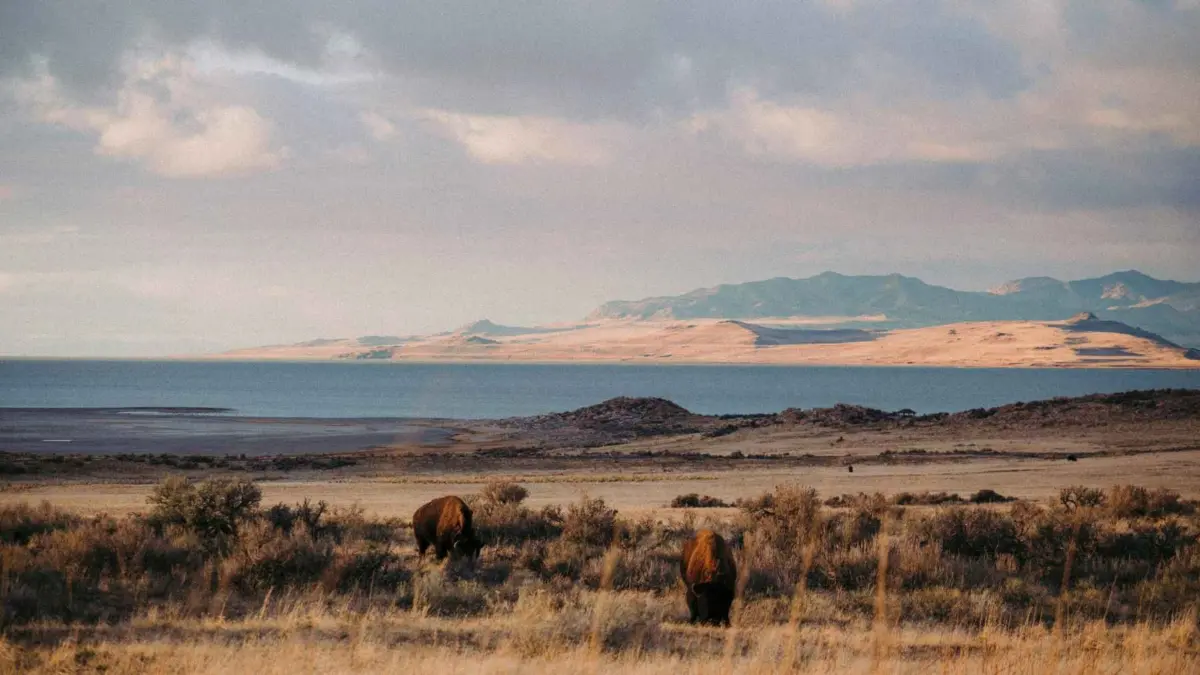
ROME — Amid escalating environmental crises and volatile global food markets, the Food and Agriculture Organization of the United Nations (FAO) has sounded a resounding alarm regarding the catastrophic degradation of the world’s pasturage. In a comprehensive policy push, the international body has underscored that grasslands and the pastoralist communities who steward them form the invisible backbone of global food security, biodiversity preservation, and climate regulation.
As extreme weather events, desertification, and shifting temperature zones accelerate, the FAO is championing a concerted international strategy—anchored by the ongoing momentum of the International Year of Rangelands and Pastoralists—to secure these vital landscapes before a tipping point is reached.
Main Facts: The Frontlines of Climate and Sustenance
Pastoral systems and rangelands are no longer viewed merely as empty tracts of land suitable for livestock; they are recognized as dynamic, multi-functional ecosystems critical to the survival of the planet.
- Global Footprint: Rangelands and permanent pastures occupy approximately 50% of the Earth’s terrestrial surface.
- Carbon Sinks: These vast ecosystems capture and store roughly 30% of the world’s terrestrial carbon, acting as an irreplaceable atmospheric buffer.
- Food Production: Pasturelands support the sustainable grazing of ruminants, yielding foundational agricultural products—such as meat, dairy, and high-protein derivatives—that sustain hundreds of millions of vulnerable rural populations.
- Ecosystem Services: Beyond food, the diverse flora of natural grasslands regulates hydrological cycles, filters groundwater, prevents soil erosion, and maintains unique global biodiversity.
Despite these contributions, unchecked climate change, unsustainable agricultural intensification, and land-use conversion are rapidly eroding the health of these environments, threatening traditional livelihoods and global ecological stability alike.
Chronology: From Local Stewardship to a Global Emergency
The realization that rangelands are slipping into irreversible degradation has been decades in the making, though international focus has sharpened dramatically in recent years.
- Pre-2000s: For generations, pastoralism was often misunderstood or marginalized by centralized state planning, which frequently prioritized intensive, industrial farming over mobile and indigenous pastoralist systems. Land tenure rights for traditional herders remained widely neglected.
- The 2010s: As satellite data and climate models exposed the staggering rate of desertification across regions like the African Sahel, Central Asia, and parts of Latin America, international scientific bodies began mapping the profound loss of soil organic carbon in degraded rangelands.
- Recent Years: The FAO intensified its outreach campaigns, utilizing digital platforms, policy briefs, and peer-reviewed assessments to shift public and political perception. The advocacy culminated in high-level institutional frameworks designed to spotlight pastoralists as essential environmental actors rather than relics of the past.
- The 2030 Horizon and Beyond: The FAO has now established a dual-timeline framework. It calls for an immediate acceleration of localized mitigation strategies over the next four years to meet critical climate benchmarks by 2030, while simultaneously outlining a 25-year trajectory for sustained, large-scale international financing and structural policy reform.
Supporting Data: The Ecological and Economic Equation
To understand why the FAO is urging immediate global intervention, one must examine the hard metrics governing the health of the world’s grasslands.
The Carbon and Biodiversity Matrix
Rangelands are biodiversity powerhouses. Ranging from high-altitude steppes to arid savannas, they support thousands of endemic plant and animal species adapted to variable climates. Their deep, intricate root systems—often extending meters below the surface—sequester carbon efficiently and securely, provided the soil is not excessively disturbed or overgrazed. When a pasture degrades into desert or scrubland, decades or centuries of accumulated carbon are abruptly released back into the atmosphere, transforming a natural sink into a net carbon emitter.
Socio-Economic Dependence
According to socioeconomic data compiled by the UN, hundreds of millions of people worldwide rely directly on pastoralism for their primary source of income and nutritional security. These communities are disproportionately located in developing regions where formal social safety nets are weak or nonexistent. When pasture yields drop due to prolonged droughts or erratic rainfall, local economies collapse, triggering rural-to-urban migration, resource conflicts, and severe food insecurity.
Official Responses: Voices from the International Community
The FAO’s recent communications underscore a collaborative, inclusive approach to governance, explicitly rejecting top-down mandates that ignore the realities of those living on the land.
In official statements released through its digital channels and social media platforms, the organization has consistently elevated the voices of traditional stewards:
"During thousands of years, pasturage and its associated management systems have maintained communities, resilient economies, and rich cultural heritages. In these diverse landscapes, sustainable practices yield high-quality meat, dairy, and other essential animal-source foods without destroying the natural balance."
Furthermore, the agency has issued an open invitation to researchers, indigenous leaders, policymakers, and civil society actors to forge a unified vision for the future of grazing:
"We invite pastoralists, researchers, professionals, political decision-makers, and civil society organizations to share their experiences, ideas, and aspirations to help forge a shared vision for the future of rangelands and pastoralism."
Through its official accounts on platforms such as X (formerly Twitter), the organization has lauded pastoralists for practicing an intricate form of environmental management that simultaneously supports food systems, preserves fragile ecosystems, and safeguards cultural heritage.
Implications: Policy Shifts, Indigenous Rights, and Long-Term Survival
The stakes for the international community could not be higher. If the degradation of the world’s pastures continues unchecked, the cascading effects will be felt far beyond rural farming communities.
1. The Imperative of Comprehensive Policy Frameworks
The FAO insists that traditional conservation methods are insufficient on their own. What is required are integrated political strategies that harmonize environmental goals with agrarian realities. Governments must implement stronger regulatory frameworks that restrict destructive land conversion, curb industrial over-extraction, and incentivize regenerative grazing practices.
2. Integration of Indigenous Knowledge
A cornerstone of the FAO’s recommended strategy is the legal and practical recognition of indigenous and local knowledge systems. For centuries, mobile pastoralists have utilized rotational grazing and ecological tracking to maintain pasture health. Modern policy must integrate these time-tested techniques with contemporary climate science to maximize regional resilience.
3. Financing the 25-Year Horizon
Achieving long-term stability requires capital. The FAO’s 25-year roadmap demands a massive scaling-up of international climate finance directed specifically toward rangeland restoration. Too often, climate funds bypass rural and pastoral communities in favor of urban or high-tech green initiatives. Shifting financial flows directly to local land stewards will be the ultimate litmus test for global climate commitments.
Conclusion
The fate of the world’s pasturage is intimately bound to the future of humanity’s food supply and climate stability. As the FAO continues to rally governments, scientists, and citizens alike, the message is unequivocal: protecting the grasslands is no longer just an environmental option—it is an absolute prerequisite for global survival.


Leave a Reply