

The Japanese manufacturer expands its European electrified lineup with a tech-heavy, compact A-segment hatchback built on the Renault Twingo platform, targeting a sub-€20,000 starting price.
1. Main Facts: The New Nissan Pixo at a Glance
Nissan has officially pulled the wraps off its newest urban electric vehicle (EV), resurrecting the iconic Nissan Pixo nameplate for a modern era. Engineered primarily for the congested streets of European cities, the new Pixo marks Nissan’s aggressive return to the fiercely competitive A-segment. Designed to serve as the entry-level gateway to the brand’s European electrified portfolio, the vehicle promises a compelling blend of compact dimensions, high-end digital connectivity, and an anticipated competitive price tag hovering near the €20,000 mark.
Underneath its playful, pixel-inspired exterior, the Pixo shares its foundational architecture with the Renault Twingo, capitalizing on the strategic alliance between the two automotive giants. Production will take place at Renault’s manufacturing facility in Novo Mesto, Slovenia.
Key specifications of the new Nissan Pixo include:
- Dimensions: 3,796 mm long, 1,790 mm wide (with folded mirrors), and 1,512 mm high, featuring a 2,492 mm wheelbase.
- Powertrain: A single electric motor producing 60 kW (82 horsepower).
- Battery & Range: A 27.5 kWh lithium-iron-phosphate (LFP) battery—a first for a Nissan vehicle in Europe—delivering an estimated WLTP range of up to 259 kilometers (161 miles).
- Charging: Standard 11 kW AC charging (with bidirectional V2L capabilities) and DC fast-charging capability up to 50 kW, allowing a 15% to 80% replenishment in roughly 28 minutes.
- Cargo Capacity: A highly modular interior featuring sliding rear seats, yielding a boot capacity ranging from 356 liters up to a cavernous 1,221 liters with the rear seats folded flat.
2. Chronology: The Evolution and Roadmap of the Pixo Project
The journey of the Nissan Pixo from a conceptual revival to an imminent production reality follows a structured timeline aligned with Nissan’s broader European electrification strategy.
- Early Development Phase (2023–2024): As European emissions regulations tightened and urban centers increasingly restricted internal combustion engines, Nissan and its Alliance partner Renault recognized an urgent market gap for genuinely affordable, small-footprint urban EVs. Engineering teams began collaborating on a shared A-segment platform centered around cost-efficiency and space utilization.
- Platform Integration and Architecture Finalization (2025): Nissan confirmed its utilization of the upcoming Renault Twingo platform. Decisions were made regarding manufacturing localization at the Novo Mesto plant in Slovenia to streamline logistics and reduce production overhead.
- Official World Premiere (September 2026): Nissan formally introduced the new Pixo to the automotive press and public, showcasing its pixel-art design language, native Google integration, and LFP battery specifications.
- Pricing and Market Specification Announcements (December 2026): Scheduled window for individual European markets to publish final pricing tiers, trim configurations, and optional package structures.
- Market Launch and First Customer Deliveries (Early 2027): Production ramps up in Slovenia, with the very first units rolling off the assembly line and reaching European showrooms and early adopters.
3. Supporting Data: Dimensions, Performance, and Technical Metrics
To truly understand how the Nissan Pixo fits into the modern urban landscape, one must examine the granular data concerning its physical footprint, energy consumption, and technological hardware.
Exterior and Interior Packaging
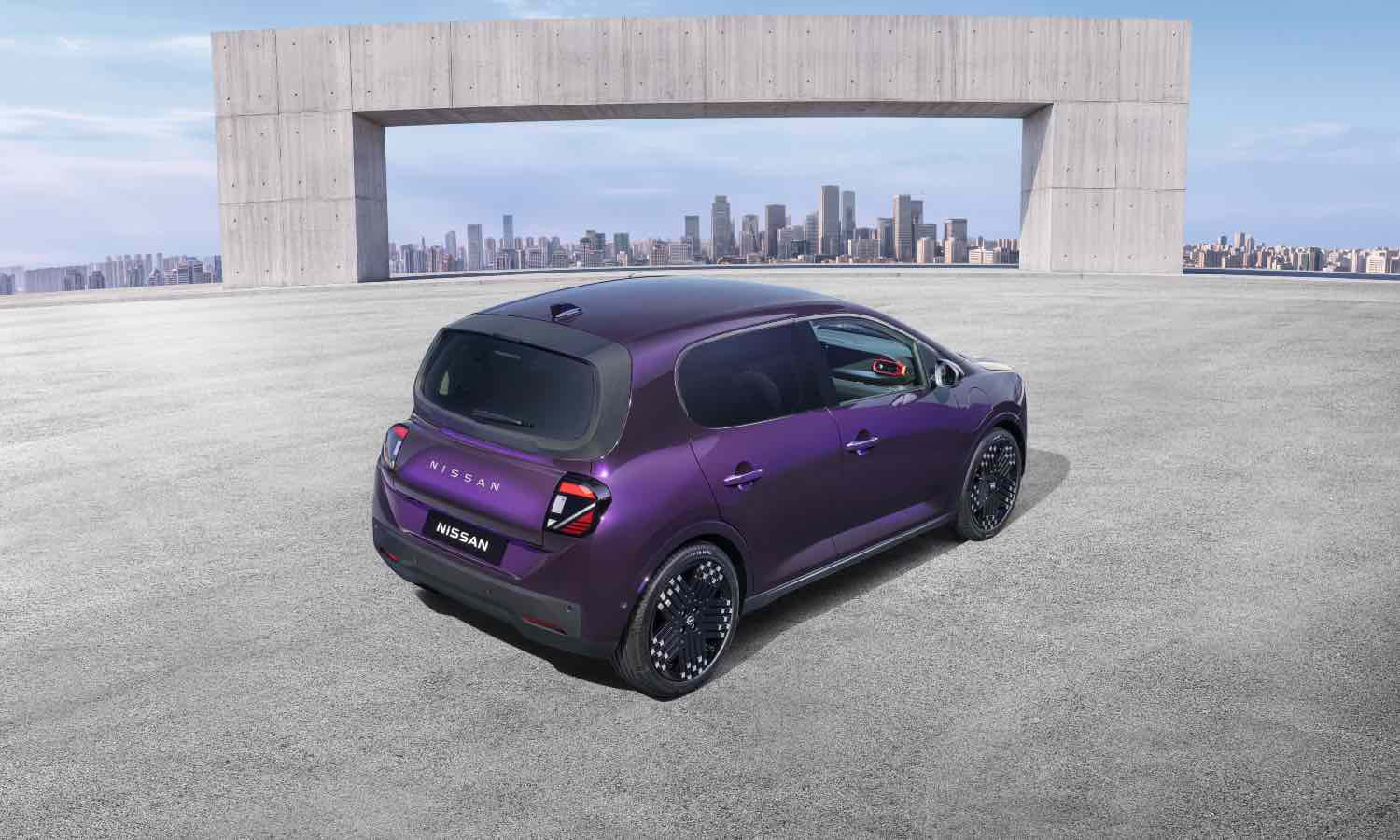
Despite falling firmly into the micro-car category, clever packaging allows the Pixo to comfortably accommodate four adults. Its cubic proportions and short overhangs maximize interior volume.
| Metric | Specification |
|---|---|
| Length | 3,796 mm |
| Width (Mirrors Folded) | 1,790 mm |
| Height | 1,512 mm |
| Wheelbase | 2,492 mm |
| Seating Capacity | 4 occupants |
| Boot Space (Standard) | 356 liters |
| Boot Space (Max / Seats Down) | 1,221 liters |
Powertrain and Energy Management
The decision to utilize Lithium-Iron-Phosphate (LFP) chemistry for the 27.5 kWh battery pack is a strategic milestone for Nissan in Europe. LFP chemistry is widely praised for its thermal stability, longevity, and lower production costs, which directly contribute to the car’s affordable retail target.
- Motor Output: 60 kW (82 hp) drives the front wheels, providing brisk, instantaneous torque ideal for stop-and-go urban traffic.
- WLTP Range: Up to 259 km, tailored for daily commuting and errands.
- DC Fast Charging: Standard across all trims at 50 kW. Recharges from 15% to 80% take approximately 28 minutes (or 10% to 80% in about 30 minutes).
- AC Charging: 11 kW onboard charger included as standard, featuring Vehicle-to-Load (V2L) bidirectional capabilities, transforming the vehicle into a mobile power bank for external electronic equipment.
Connectivity and Driver-Assistance Systems (ADAS)
The cabin bridges the gap between economy pricing and premium digital ecosystems:
- Displays: A 7-inch digital instrument cluster paired with a 10.1-inch central touchscreen multimedia interface.
- Software: Native Google built-in services, featuring the Gemini AI voice assistant supporting 16 distinct languages and regional dialects from day one.
- Biometrics: Advanced Face ID recognition to automatically load individual driver profiles, seat positions, and media preferences.
- App Integration: Comprehensive control via the MyNissan mobile application for remote climate pre-conditioning and charge scheduling.
- Safety & Convenience: Adaptive cruise control with stop-and-go functionality, lane departure warning, hands-free automated parking, and Nissan’s One Pedal driving technology for seamless deceleration and regeneration using solely the accelerator pedal.
4. Official Responses and Executive Insights
Nissan’s leadership has framed the introduction of the Pixo not merely as a new product launch, but as a crucial pillar in democratizing zero-emission mobility across Europe.
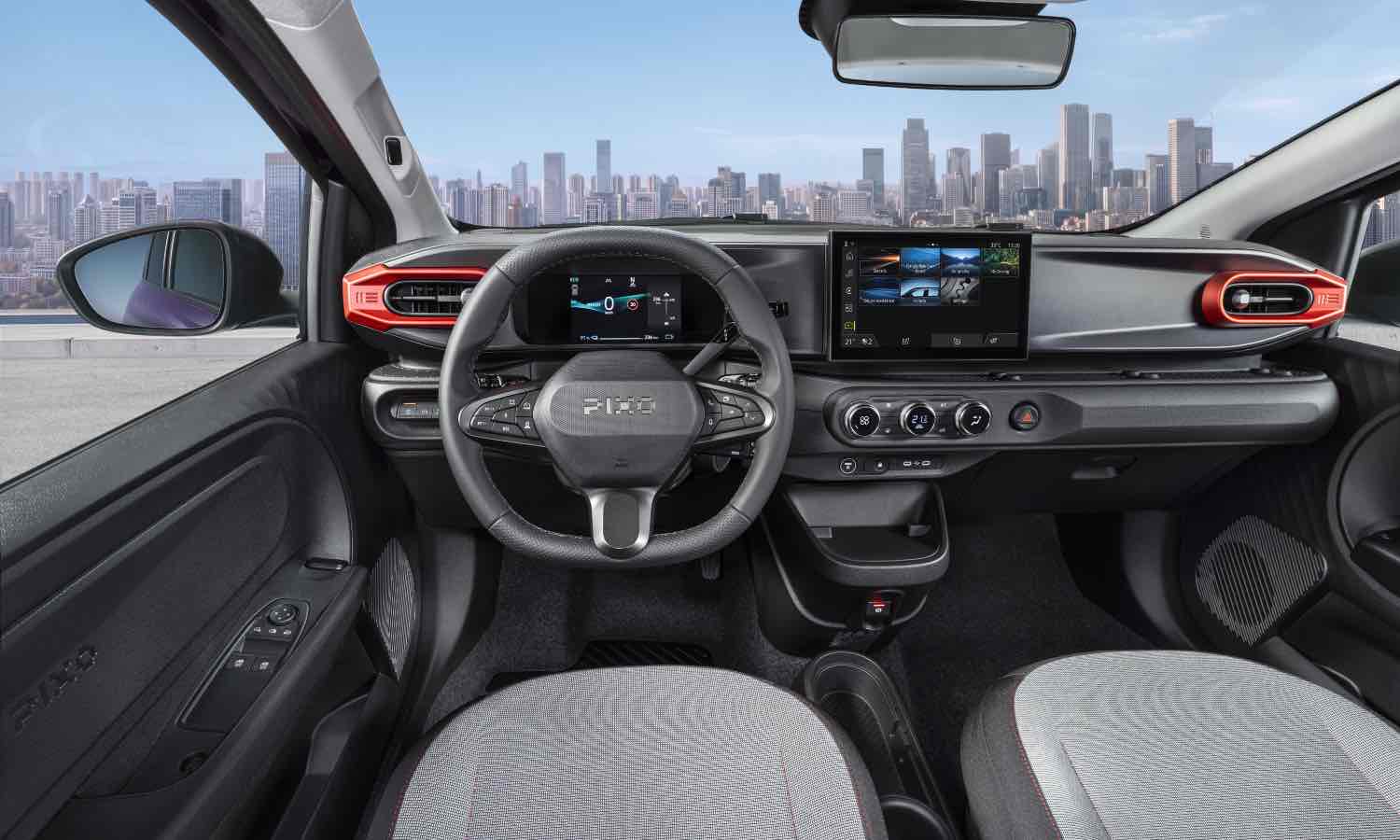
During the global reveal, corporate spokespersons emphasized that while cost reduction was paramount during the development phase, the brand refused to compromise on modern aesthetics or digital utility. Executives highlighted that younger, digitally native urban buyers demand seamless smartphone integration and artificial intelligence assistants even in entry-level vehicles. By incorporating Google’s ecosystem and the Gemini AI assistant natively, Nissan believes the Pixo punches well above its weight class.
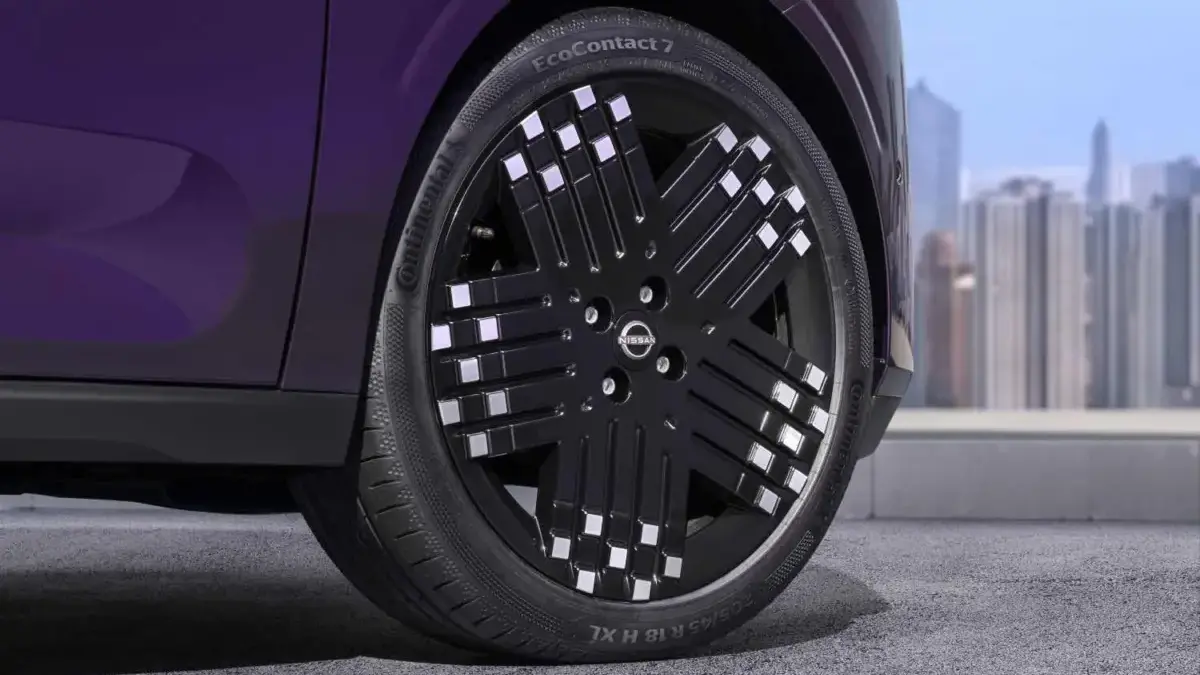
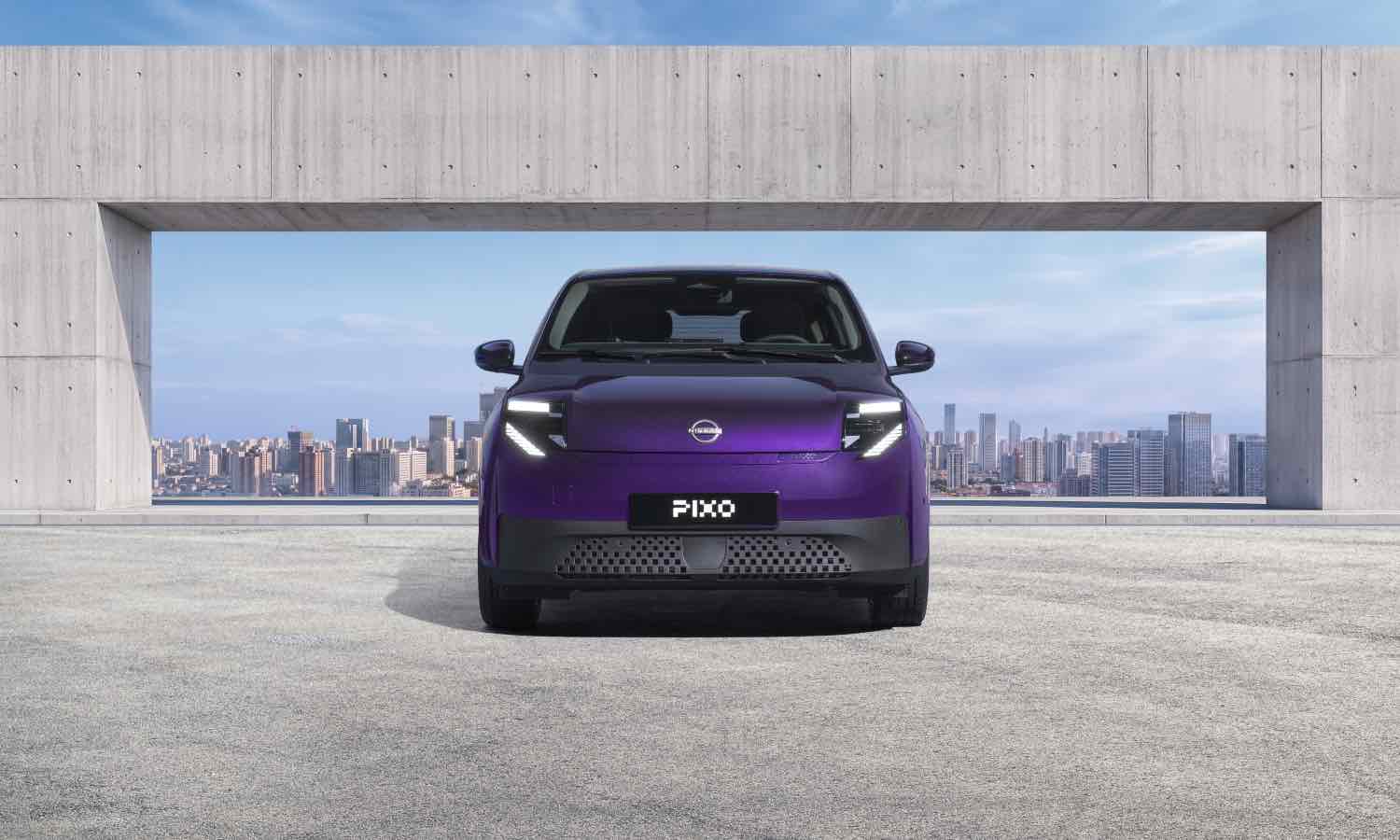
Furthermore, manufacturing partners at Renault’s Novo Mesto plant have expressed immense pride in hosting the production line. Utilizing shared production lines for both the Renault Twingo and the Nissan Pixo allows for economies of scale that protect profit margins while shielding the end consumer from runaway inflation in the EV sector. Nissan’s regional product planning teams noted that the vehicle’s design language—highlighted by quirky details like the pixel motifs and nods to the number 23 (Ni-San in Japanese)—was specifically crafted to give the car an approachable, friendly "smiling robot" visage that stands apart from more aggressive or sterile EV designs on the market.
5. Implications: Market Impact, Competition, and the Future of Urban Mobility
The arrival of the Nissan Pixo carries profound implications for the European automotive landscape, particularly within the budget-conscious A-segment.
Democratizing Electric Mobility
For years, critics of the transition to electric vehicles have pointed to the rising average transaction price of new cars, noting that affordable sub-€20,000 ICE (Internal Combustion Engine) vehicles were being phased out faster than cheap EVs could replace them. With the Pixo slated to start right around the €20,000 threshold, Nissan is directly addressing this market failure. It provides a viable, clean-air alternative for urban dwellers who rely on street parking and cannot easily afford premium-tier electric crossovers.
Competitive Pressure in the A-Segment
The Pixo enters an increasingly crowded arena populated by upcoming affordable entries from the Volkswagen Group, Stellantis, and its own stablemate, the Renault Twingo. However, by leveraging unique styling—such as the vibrant "Wonder Purple" and "Gear Blue" colorways—and integrating cutting-edge software like Google Gemini and Face ID, Nissan aims to capture the hearts of lifestyle-oriented urban buyers.
Synergy and the Future of the Alliance
The Pixo also serves as a benchmark for how the Renault-Nissan-Mitsubishi Alliance can effectively share platforms while maintaining distinct brand identities. By letting Renault handle manufacturing in Slovenia while infusing Japanese design ethos and Nissan-specific safety suites, both brands maximize efficiency without diluting their unique market presence.
As Europe marches closer to stricter urban zero-emission zones and potential combustion bans over the next decade, vehicles like the Nissan Pixo will no longer be niche novelties—they will be the lifeblood of inner-city logistics and personal transport. With first customer deliveries scheduled for early 2027, the Pixo is positioned to become a ubiquitous sight on the narrow streets of Madrid, Paris, Rome, and Berlin.



Leave a Reply