

Transitioning from an internal combustion engine to your first electric vehicle (EV) can feel like stepping onto uncharted terrain. The automotive market is flooded with technical specifications, ranging from kilowatt-hours and WLTP ranges to charging curves and regenerative braking systems. For buyers shopping specifically in the burgeoning electric SUV segment, the decision is further complicated by balancing urban agility with highway capability.
When an electric SUV is destined to serve as a household’s primary or sole vehicle, the stakes are even higher. It must possess a compact enough footprint to easily navigate crowded city streets and squeeze into tight parking garages, yet offer the generous cargo space, high-speed charging capabilities, and robust range required for hassle-free weekend getaways and long road trips.
To help demystify this process, industry experts have evaluated five of the most compelling electric SUVs currently on the market: the Volvo EX30, the Kia EV3, the Geely E5, the Škoda Enyaq, and the Hyundai Kona Electric. Each model brings a distinct philosophy to the table, proving that modern electric motoring no longer requires buyers to fundamentally alter their daily driving habits.
Main Facts: What Matters Most in Your First Electric SUV?
Before diving into individual vehicle profiles, prospective buyers must establish a framework of priorities. The days of buying an EV purely for its novelty have passed; today’s consumers demand practical value, everyday usability, and peace of mind.
- Real-World Range: For a mixed driving profile that includes daily commutes and highway travel, targeting a vehicle with an official WLTP range comfortably exceeding 400 kilometers (approx. 250 miles) is ideal. This ensures that even with highway speed degradation and weather-related battery inefficiencies, drivers can complete routine trips without experiencing range anxiety.
- Fast-Charging Performance: A high headline range means little if the vehicle takes hours to replenish its energy on a road trip. Buyers should closely examine DC fast-charging speeds—specifically, how quickly a vehicle can transition from 10% to 80% battery capacity.
- Packaging and Spatial Efficiency: Electric architectures allow for clever interior packaging, maximizing cabin room relative to the car’s exterior dimensions. A versatile electric SUV should feature an accessible trunk, intelligent small-item storage, and, ideally, a "frunk" (front trunk) for charging cable storage.
- Intuitive Technology: For first-time EV owners, a steep learning curve can dampen the ownership experience. Seamless smartphone integration (Apple CarPlay and Android Auto), straightforward climate controls, and robust yet unintrusive driver assistance systems are paramount.
Chronology and Market Evolution: The Rise of the Versatile Electric SUV
The evolution of the electric SUV market has progressed in distinct phases over the past decade, moving from expensive, niche luxury statements to accessible, highly practical mainstream options.
Phase 1: The Pioneer Era (2015–2020)
During the early years of mass-market electromobility, choices were severely limited. Buyers were often forced to choose between ultra-expensive flagship models that offered long ranges or affordable city cars severely restricted by limited battery capacity and a lack of fast-charging infrastructure. SUVs during this era were bulky, heavy, and often compromises on platform design.
Phase 2: Dedicated EV Platforms (2020–2024)
Automakers began developing platforms built exclusively for electric powertrains (such as Hyundai-Kia’s E-GMP platform or Volkswagen Group’s MEB platform). This breakthrough allowed engineers to maximize interior space, optimize weight distribution, and drastically improve aerodynamic efficiency. Range figures climbed reliably above the 400-kilometer mark, and high-speed 800V and advanced 400V charging architectures emerged.
Phase 3: Mainstream Democratization (2024–Present)
The current market landscape represents a maturation of the segment. Manufacturers are now capable of delivering premium design, exceptional range, and advanced safety features at competitive price points. Vehicles like the Volvo EX30 and Kia EV3 demonstrate that compact footprints can house high-capacity batteries, while established family haulers like the Škoda Enyaq refine the traditional long-distance travel experience.
Supporting Data: Comparative Analysis of the Top 5 Electric SUVs
To provide a clear, data-driven comparison, the following metrics outline the core capabilities of our five featured electric SUVs:
| Model | Max. Range (WLTP / Urban) | Max. Power | DC Fast Charging (10% – 80%) | Trunk Capacity | Best Suited For |
|---|---|---|---|---|---|
| Volvo EX30 | Up to 475 km | Up to 428 hp | 26–27 minutes | Up to 400 liters | Urban agility, premium design, and brisk performance |
| Kia EV3 | Up to 605 km (773 km City) | 204 hp | 30–31 minutes | 460L + 25L (Frunk) | Maximum range and exceptional space efficiency |
| Geely E5 | 475 km WLTP (628 km City) | 218 hp | 20 minutes (30%-80%) | 461L (expandable to 1,877L) | High-tech features, competitive financing, and value |
| Škoda Enyaq | Up to 582 km | Varies by version | 28 minutes | 585L (expandable to 1,710L) | Family comfort, maximum luggage space, and long-distance touring |
| Hyundai Kona Electric | 510 km WLTP (681 km City) | Up to 204 hp | 41 minutes | 466L + 27L (Frunk) | Balanced everyday practicality and compact packaging |
Vehicle Spotlights: Detailed Breakdown
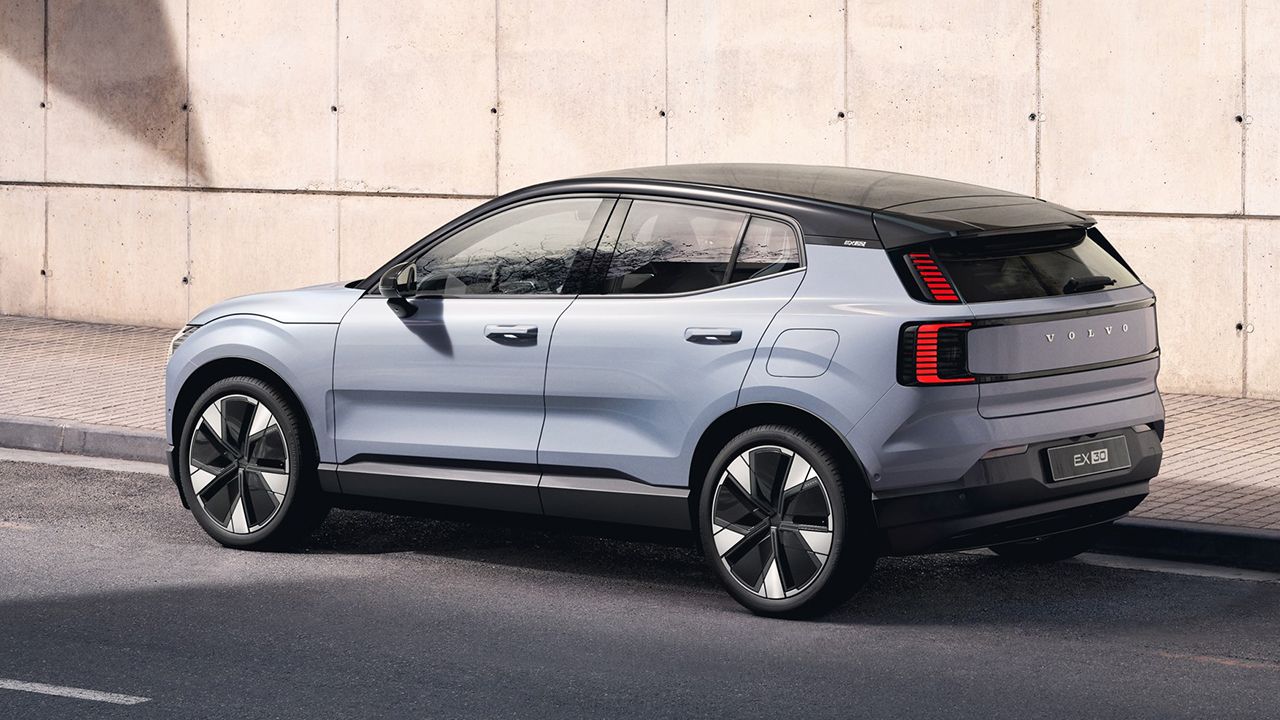
1. Volvo EX30: Premium, Compact, and Technologically Advanced
Measuring 4.23 meters in length, the Volvo EX30 is tailored for buyers who want an urban-friendly footprint paired with a distinctively upscale Scandinavian aesthetic. Despite its modest exterior dimensions, it punches well above its weight class.
- Performance & Range: Offers estimated ranges spanning from 337 km to 475 km depending on the battery variant, with high-performance dual-motor all-wheel-drive variants pushing up to 428 horsepower.
- Charging & Practicality: Recharges from 10% to 80% in roughly 26 to 27 minutes. It offers up to 400 liters of cargo space with the rear seats upright.
- Verdict: It is arguably the most stylish and easiest to park vehicle in this roundup, serving as an exceptional urban runabout that doesn’t shy away from occasional highway trips.
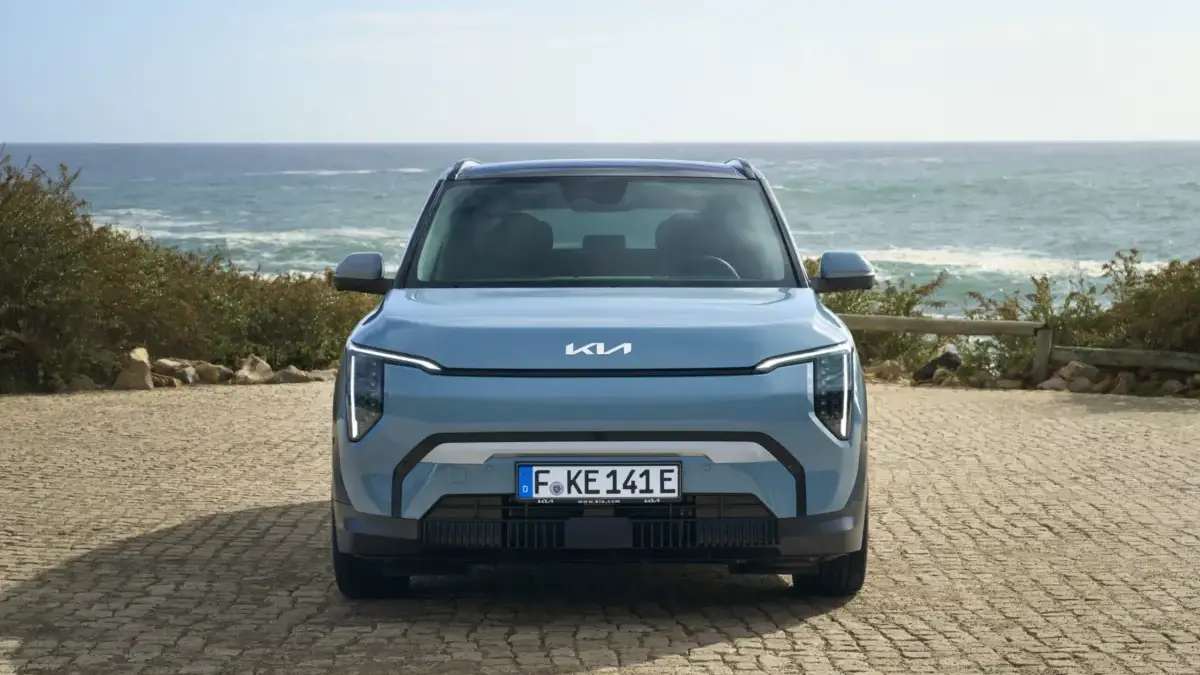
2. Kia EV3: Boundary-Pushing Range in a Compact Shell
The Kia EV3 addresses range anxiety head-on, positioning itself as a pragmatic heavyweight in the compact electric SUV category.
- Performance & Range: Equipped with a Long Range battery pack, the EV3 achieves an impressive combined WLTP range of up to 605 kilometers—stretching to an astounding 773 kilometers in pure urban cycles. It outputs 204 horsepower to the front wheels.
- Charging & Practicality: Completes a 10% to 80% charge in approximately 30 to 31 minutes. Storage is a major strong point, featuring a 460-liter main trunk complemented by a 25-liter front trunk (frunk).
- Verdict: An exceptional choice for buyers who want peace of mind regarding long-distance journeys without graduating to a much larger, cumbersome vehicle size.
3. Geely E5: Packed with Features and Aggressive Value
Bringing a fresh alternative to traditional legacy automakers, the Geely E5 focuses heavily on technological integration, active safety systems, and aggressive market pricing.
- Performance & Range: Delivers a WLTP-certified range of up to 475 km (extending to 628 km in urban environments) paired with a punchy 218-horsepower electric motor.
- Charging & Practicality: Boasts a rapid 30% to 80% charging time of just 20 minutes. Cargo capacity is versatile, offering 461 liters of standard space that expands to a massive 1,877 liters with the rear seats folded.
- Verdict: An ideal entry point for drivers looking to transition to an electric lifestyle without stretching their budget into premium pricing territory.
4. Škoda Enyaq: The Epitome of Family Comfort and Space
For households requiring a true primary vehicle capable of handling extensive holiday road trips, luggage, and multiple passengers in absolute comfort, the Škoda Enyaq remains a benchmark.
- Performance & Range: Offers up to 582 kilometers of electric range with various powertrain configurations tailored to efficiency or performance.
- Charging & Practicality: Recharges from 10% to 80% in 28 minutes (with peak fast-charging capabilities reaching an 80% state in as little as 20 minutes on specific iterations). Its trunk offers a cavernous 585 liters of baseline space, expanding to 1,710 liters.
- Verdict: The most logical choice for family-oriented buyers who prioritize ergonomic cleverness, ride comfort, and vast interior volumes.
5. Hyundai Kona Electric: Compact Efficiency and Refined Usability
The Hyundai Kona Electric continues to be a trusted favorite, blending proven reliability with thoughtful spatial engineering.
- Performance & Range: Utilizing its larger 65.4 kWh battery pack, it delivers up to 510 kilometers of WLTP range (and up to 681 kilometers in city driving) with a 204-horsepower electric motor.
- Charging & Practicality: A 10% to 80% charge takes approximately 41 minutes. It counters its slightly slower charging curve with an exceptional storage layout: 466 liters in the rear trunk plus an additional 27 liters in the front compartment.
- Verdict: A well-rounded, no-nonsense electric SUV that bridges the gap between nimble city driving and confident highway cruising.
Official Responses and Industry Insights
Automotive manufacturers and industry analysts increasingly emphasize that the success of the current generation of electric SUVs hinges on "right-sizing" battery packs. Rather than cramming excessively large, heavy batteries into vehicles—which drives up purchase costs and reduces handling agility—manufacturers are focusing on superior aerodynamic efficiency, optimized thermal management systems, and faster charging curves.
Furthermore, safety authorities such as Euro NCAP continue to award top-tier five-star ratings to models like the Geely E5, Volvo EX30, and Škoda Enyaq, reassuring first-time EV buyers that structural crash safety and advanced driver-assistance systems (ADAS) are fully realized in modern battery-electric platforms.
Implications: Making the Right Choice for Your Lifestyle
Selecting your first electric SUV ultimately boils down to candidly assessing your weekly driving patterns:
- For Urban Dwellers: If your daily routine consists of tight city streets, crowded multi-story car parks, and short commutes, the Volvo EX30 offers the ideal mix of compact dimensions, premium flair, and effortless maneuverability.
- For Distance Seekers and Small Families: If you frequently embark on weekend road trips and want to minimize charging stops, the Kia EV3 and Škoda Enyaq provide the exceptional range and expansive cargo rooms necessary to replicate or improve upon the convenience of a traditional combustion-engine vehicle.
- For Value-Conscious Tech Enthusiasts: Drivers looking for modern connectivity, rapid turnaround times at DC fast chargers, and competitive financing structures will find compelling arguments in the Geely E5 and the Hyundai Kona Electric.
Ultimately, the maturation of the electric vehicle market means buyers no longer need to compromise. Whether navigating dense city traffic or cruising down the open highway, today’s electric SUVs are fully equipped to handle the demands of modern driving.


Leave a Reply