

BMW is putting the final touches on one of the most anticipated models in its modern history: the eighth-generation BMW 3 Series, carrying the internal development code G50. As the current generation bows out, the Bavarian marque is gearing up to pull back the heavy camouflage ahead of an official global unveiling scheduled for September 30. This landmark event will finally clear up speculation regarding the European lineup, trim levels, pricing strategies, and the technological leaps defining Munich’s next chapter.
While the new 3 Series adopts the striking design language of the Neue Klasse architecture—first showcased by the all-electric BMW i3—it is far from a simple carbon copy. Underneath their shared aesthetic language and cutting-edge interior tech, the thermal combustion variants and their battery-electric stablemates maintain distinct mechanical blueprints. For European buyers, the ICE (Internal Combustion Engine) portfolio embraces advanced gasoline micro-hybridization while bidding a definitive farewell to diesel.
Main Facts: What We Know About the G50 3 Series
The upcoming BMW 3 Series represents a critical bridge between traditional driving dynamics and the rapid electrification sweeping the automotive landscape. Measuring approximately 4.765 meters in length, the G50 retains the classic proportions that have made the 3 Series the benchmark compact executive sedan for decades. However, its packaging has been thoroughly re-engineered.
Exterior Styling and Aerodynamics
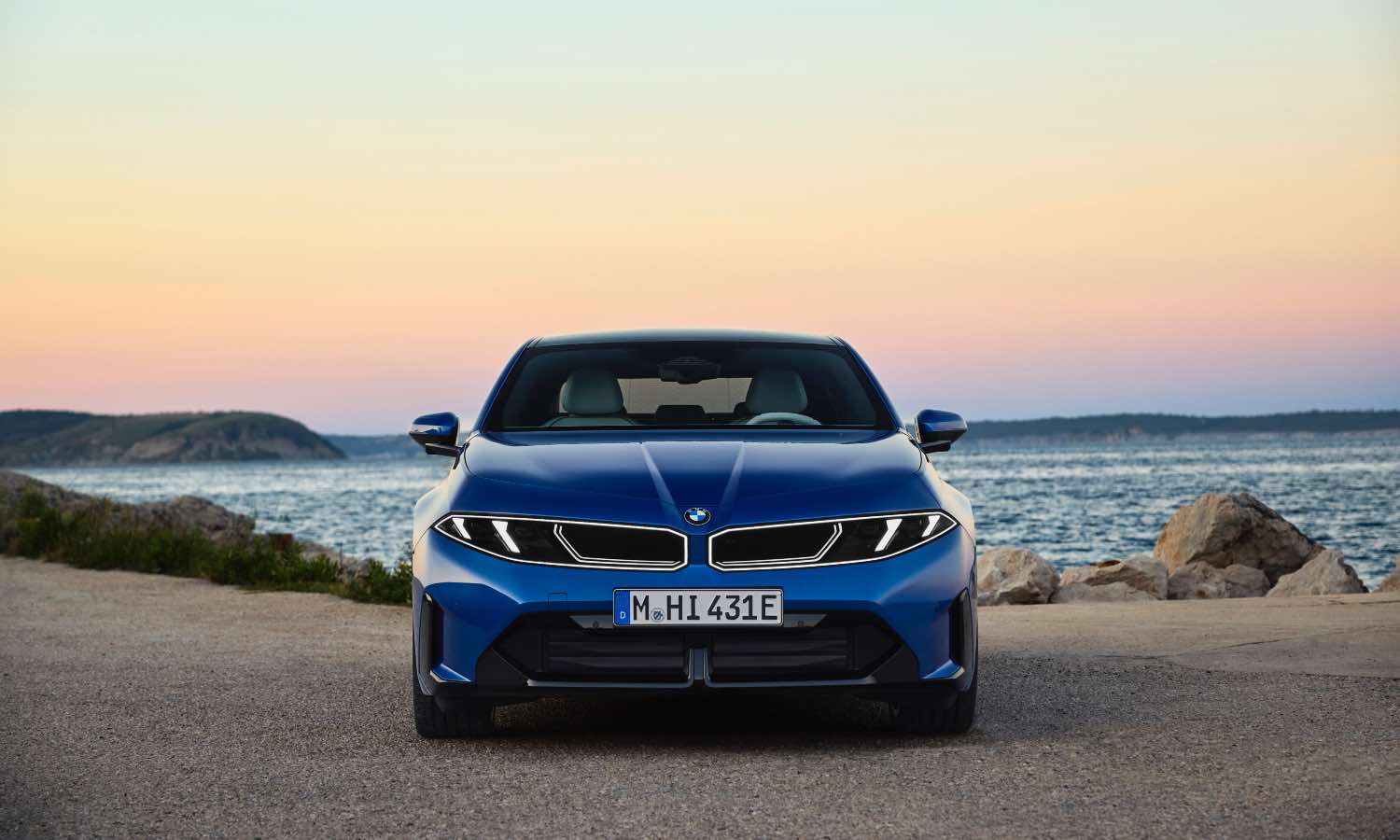
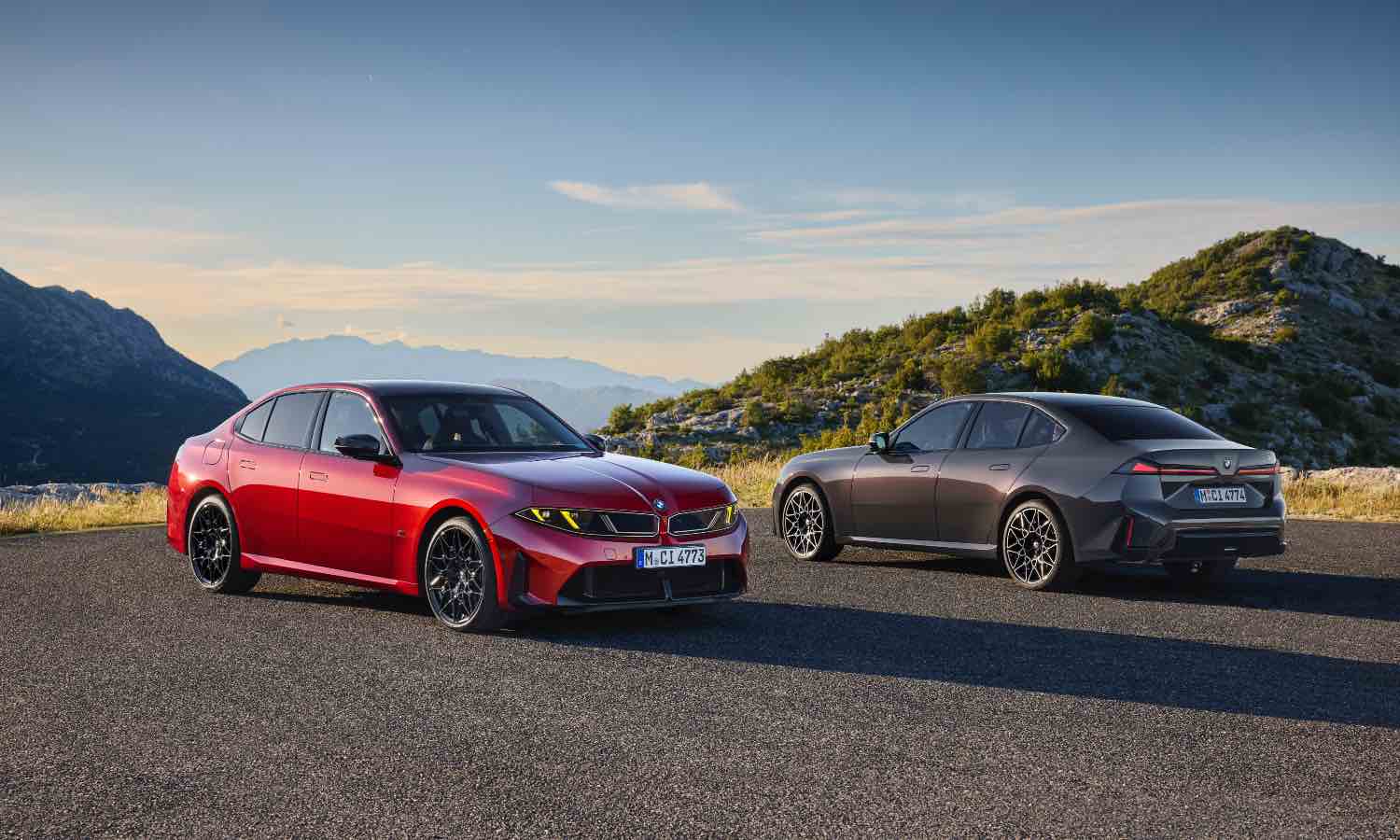
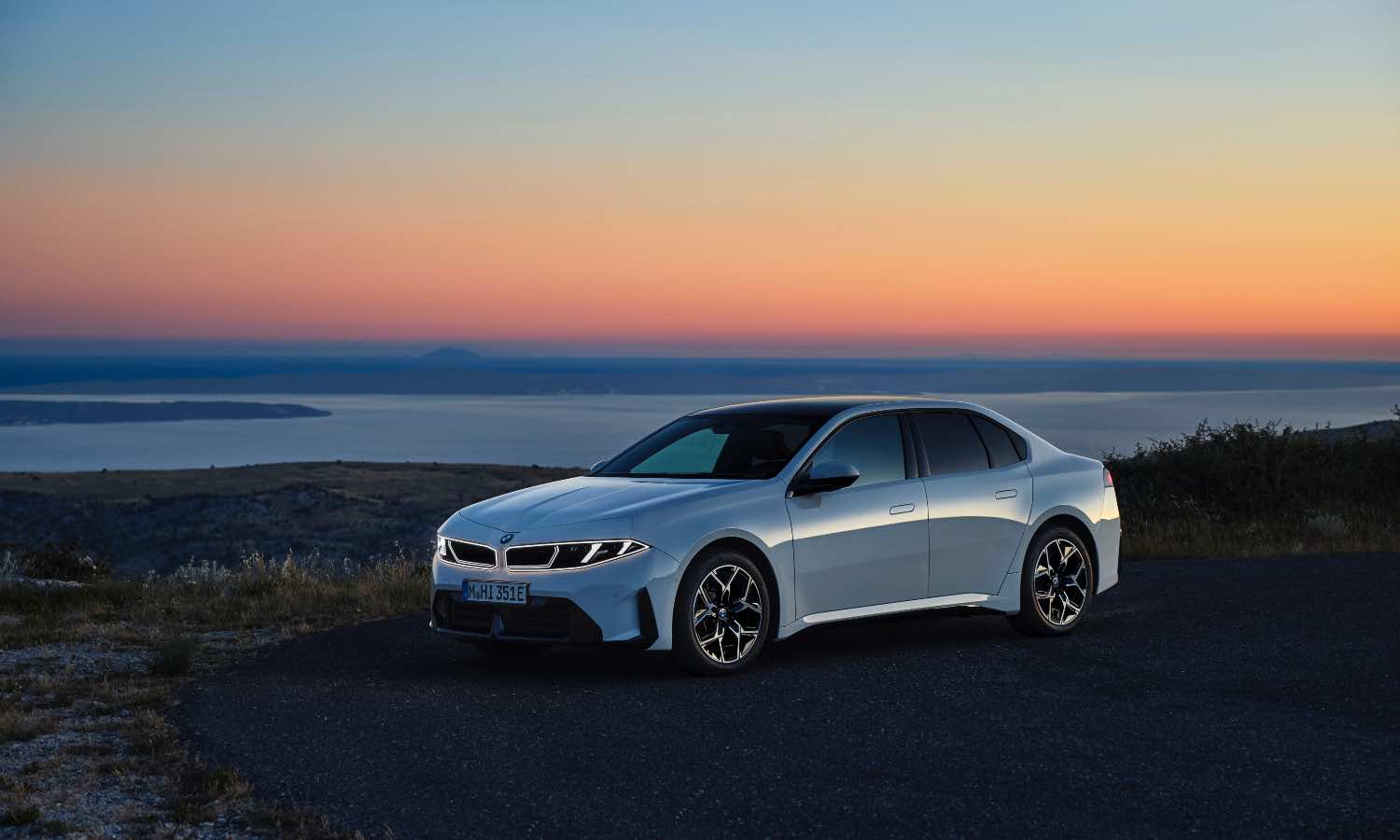
The exterior blends traditional three-box proportions with ultra-modern minimalism. At the front, the signature kidney grilles and headlamp clusters are integrated into a single, cohesive visual element, highlighted by dynamic diagonal lighting signatures. Moving down the flanks, flush door handles pop out electronically upon unlocking the vehicle, minimizing drag. At the rear, extremely thin, horizontal LED light clusters emphasize the car’s broad stance.
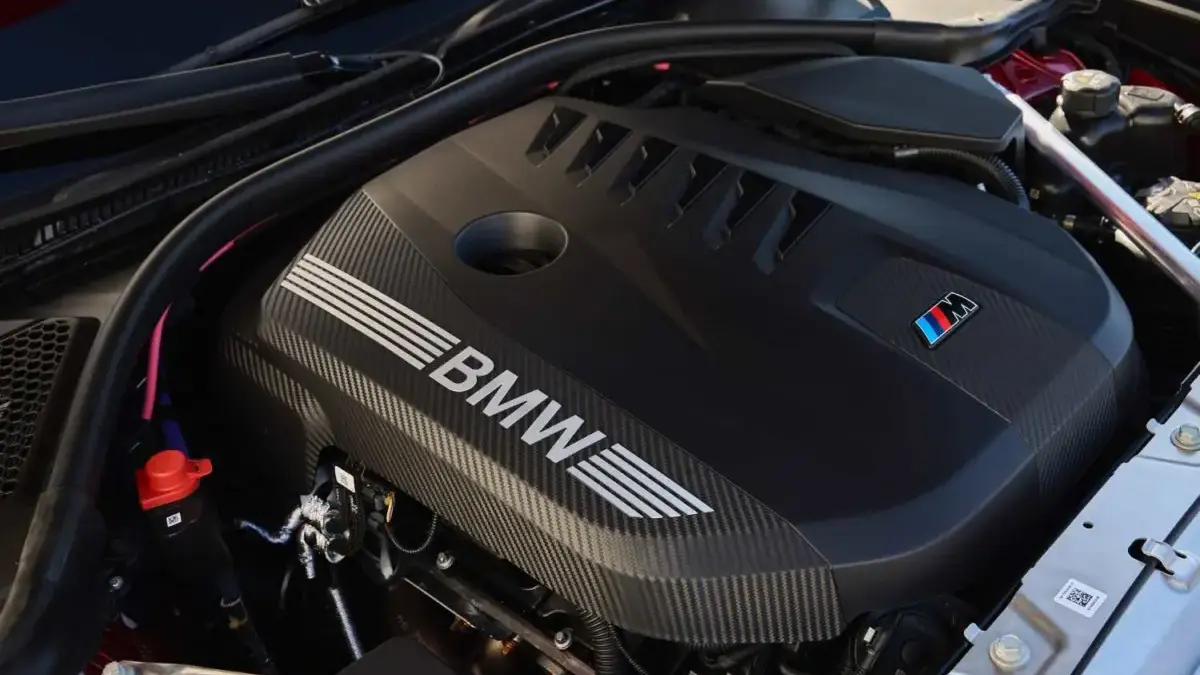
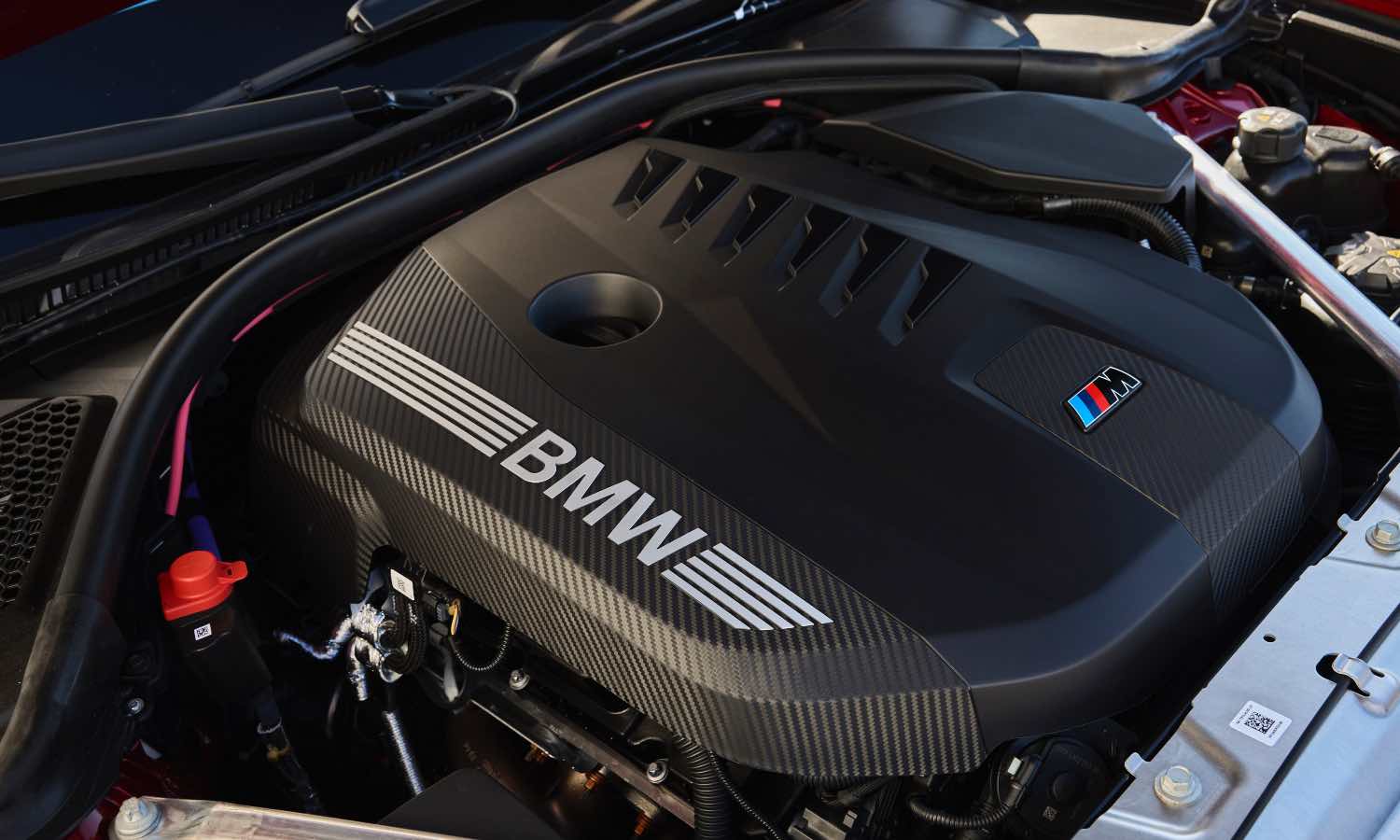
Thermal combustion models feature a noticeably longer hood than their pure EV counterparts, specifically engineered to house longitudinal four- and six-cylinder engines. Buyers of the fuel-powered variants will be able to choose from a striking array of alloy wheels ranging from 18 to 20 inches.
Digital Interior and the Panoramic iDrive
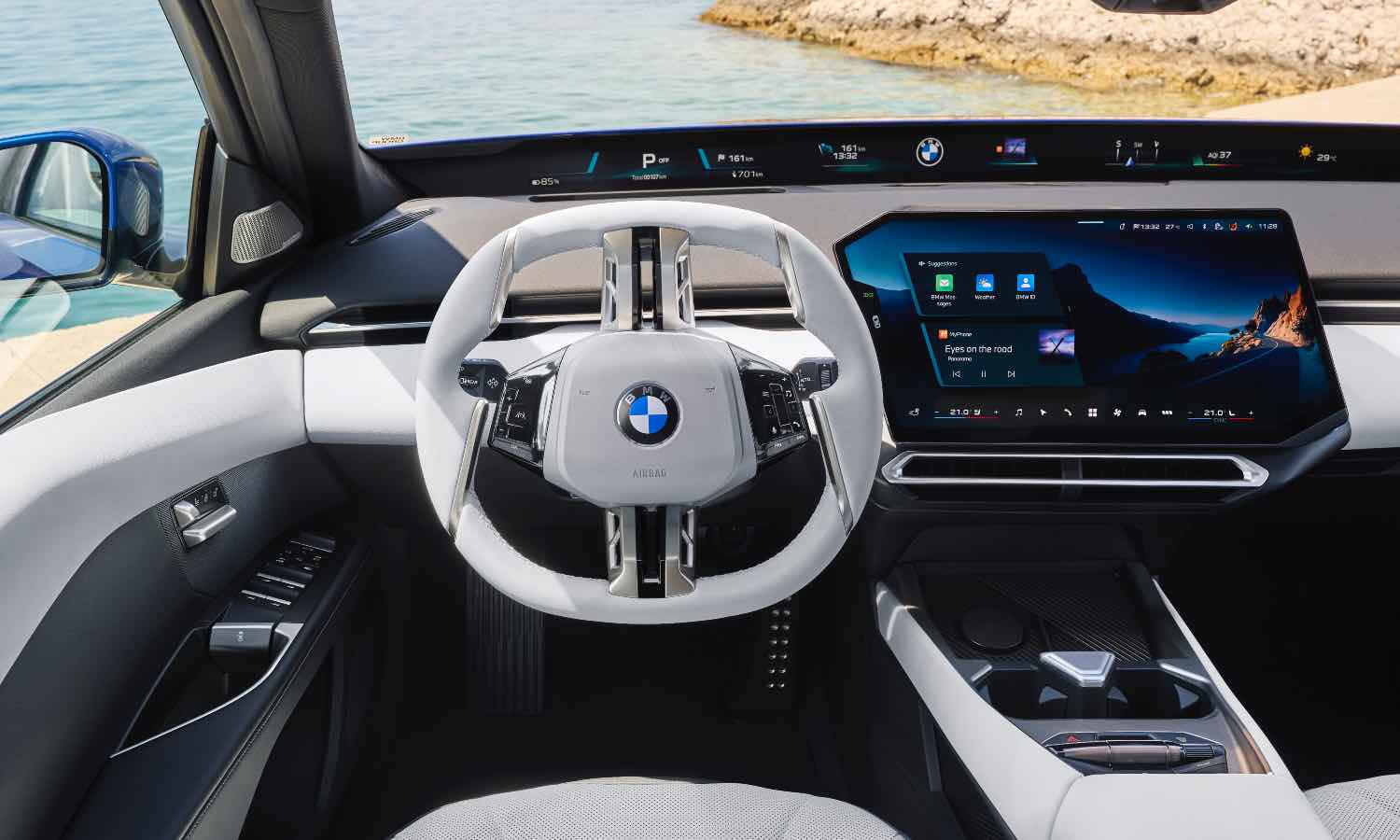
Stepping inside, the cabin mirrors the minimalist philosophy introduced by the i3. Physical buttons have been drastically reduced in favor of a futuristic interface anchored by the Panoramic iDrive system. This setup features a continuous information strip projected across the base of the windshield, complemented by a massive 17.9-inch central touchscreen and a redesigned multi-function steering wheel. An advanced 3D Head-Up Display will be available as an option.
Powering this ecosystem is the new BMW Operating System X, featuring seamless over-the-air (OTA) remote updates, native streaming, enhanced cloud navigation, and connected app services. Voice control is significantly more conversational thanks to the integration of Amazon Alexa+ generative artificial intelligence. On the practical front, the trunk capacity for the combustion variants stands at a competitive 450 liters, ensuring family-friendly utility remains intact.
Chronology: The Road to the 2027 Launch
The journey toward the eighth-generation 3 Series has been a carefully orchestrated timeline of development, spy shots, and strategic pivots:
- 2023–2024: Initial development mules hit public roads for cold-weather testing, heavily disguised under dense black-and-white camouflage to mask the Neue Klasse-inspired lines.
- Late 2025: BMW confirms that the classic 3 Series platform and the Neue Klasse EV architecture will share styling cues while retaining separate underpinnings to accommodate traditional powertrains.
- Early 2026: Leaks emerge regarding the restructuring of BMW’s European lineup, confirming the phase-out of diesel engines for passenger cars.
- September 2026: Official teaser campaign peaks, with automotive journalists getting early prototype glimpses and confirmation of the September 30 global debut.
- Early 2027: Order books open across Europe, with production ramping up at manufacturing facilities.
- Mid-to-Late 2027: First customer deliveries commence, alongside the introduction of additional powertrain options, including a long-awaited plug-in hybrid (PHEV) variant and high-performance iterations.
Supporting Data: Powertrains, Performance, and the i3 Reference
BMW has restructured the European powertrain strategy to align with stringent emissions regulations and shifting consumer demands.
The Combustion and Mild-Hybrid Lineup
At launch, European buyers of the traditional 3 Series will have access to three core gasoline engines:
- BMW 318 (156 CV): Powered by a refined 2.0-liter four-cylinder engine paired with 48-volt mild-hybrid technology, sending power to the rear wheels via an 8-speed automatic transmission.
- BMW 320 (211 CV): A higher-output iteration of the 2.0-liter four-cylinder, also utilizing 48V mild-hybrid assistance and rear-wheel drive.
- BMW M350 xDrive (443 CV / 580 Nm): Stepping in as the spiritual successor to the M340i, this performance flagship features a turbocharged 3.0-liter inline-six engine, intelligent all-wheel drive, and adaptive M suspension as standard equipment.
The M350 xDrive also introduces a dedicated Drift Moment mode, accessible directly through the central infotainment screen. This function redirects power dynamically to the rear axle to facilitate controlled drifts on command.
The Electric Counterpart: BMW i3
Running parallel to the gasoline G50 is the all-electric BMW i3, which sets the performance and efficiency baseline for Munich’s EV strategy:
- i3 40 xDrive: Delivers 374 CV with dual-motor all-wheel drive and a staggering WLTP range of up to 710 kilometers.
- i3 50 xDrive: Increases output to 469 CV, pushing the maximum WLTP range up to an impressive 912 kilometers.
- i3 M60 xDrive: Slated for a 2027 release, promising even higher performance figures yet to be disclosed.
Official Responses and Strategic Shifts
The decision to drop diesel from the 3 Series lineup in Europe marks the end of an era. For decades, variants like the legendary 320d served as the absolute backbone for corporate fleets and high-mileage drivers across the continent.
Speaking on background, BMW executives have pointed to the rapid decline in consumer demand for diesel passenger cars, coupled with the rising popularity of plug-in hybrids and pure electric vehicles, as the primary catalyst for the change. Rather than engineering a costly diesel engine to meet upcoming Euro 7 emissions standards, BMW has chosen to focus its combustion development budget exclusively on highly efficient, electrified gasoline units.
To cushion the blow for fleet managers and long-distance commuters, BMW has confirmed that a new generation of Plug-In Hybrid (PHEV) variants will join the lineup over the course of 2027, bridging the gap between traditional refueling and full electric mobility.
Implications: What the G50 Means for the Market
The arrival of the eighth-generation BMW 3 Series carries profound implications for the premium compact executive segment:
- A Turning Point for Fleet Operations: The omission of a diesel option leaves a temporary void in the corporate leasing market. Fleet operators accustomed to the effortless efficiency of the 320d will now need to evaluate whether to pivot toward the new 48-volt gasoline mild-hybrids, wait for the upcoming PHEV, or jump straight into the electric i3.
- Manufacturing Synergy: BMW’s production strategy demonstrates industrial agility. The thermal-powered G50 3 Series will roll off the assembly lines at the Dingolfing plant in Germany, while the electric i3 will be built in Munich. This dual-plant setup allows BMW to scale production dynamically based on how fast European consumers adopt electric vehicles versus gas-powered cars.
- Setting the Standard for In-Car Tech: With the integration of the Panoramic iDrive, Operating System X, and Amazon Alexa+ generative AI, BMW is aggressively challenging tech-first rivals. How traditional driving enthusiasts react to the near-total elimination of physical buttons will be a crucial test of the market’s readiness for software-defined cabins.
As the September 30 presentation date approaches, all eyes are on Munich. The eighth-generation 3 Series is not merely a new car; it is a definitive statement on how one of history’s most successful nameplates intends to survive and thrive in a rapidly transforming automotive landscape.



Leave a Reply