

By Global Culinary & Food Safety Desk
Published: October 24, 2023
Main Facts
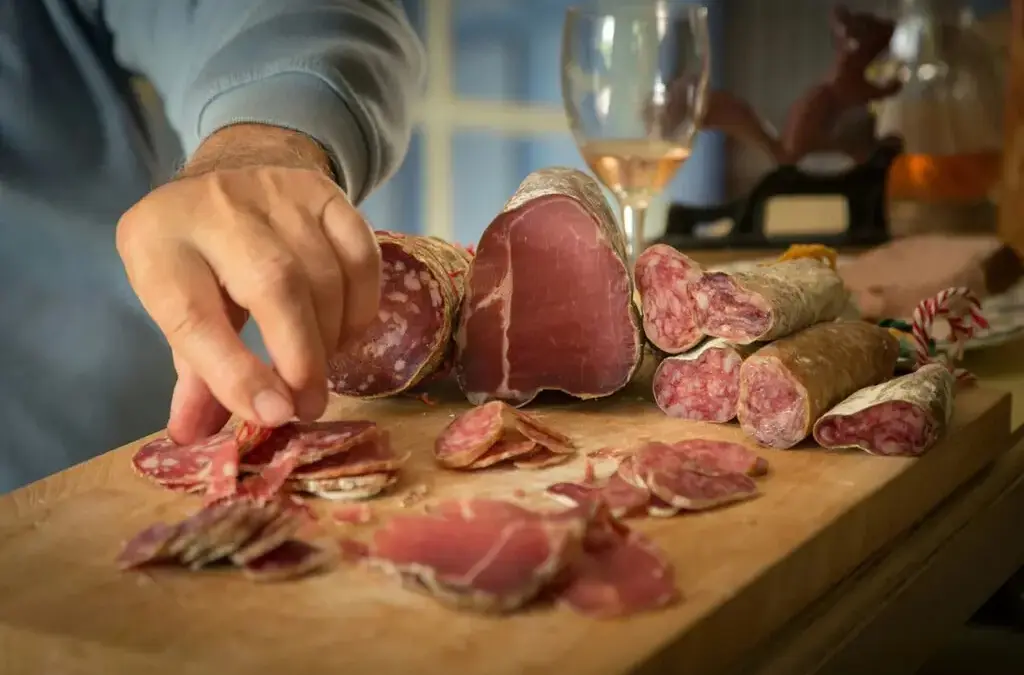
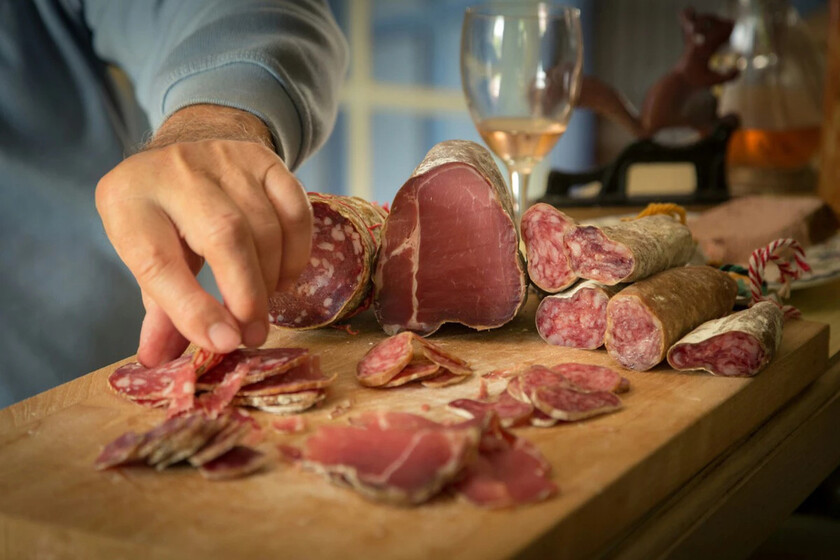
Few culinary pleasures rival the simple elegance of a well-curated board of artisanal cured meats and cheeses. Whether served as a precursor to a Sunday family lunch, a casual afternoon snack, or as the undisputed star of a summer backyard barbecue, items like Spanish jamón, spicy chorizo, and aged cheeses are staples of social gatherings.
However, these gastronomic delights present a common domestic challenge: once sliced, their preservation becomes a delicate science. Air, moisture, and fluctuating temperatures act as the primary catalysts for degradation, quickly robbing these protein-rich foods of their complex flavors, ideal textures, and aromatic profiles.
According to food preservation experts, the golden rule of managing sliced charcuterie and cheese is minimizing oxidative exposure. While traditional methods rely on simple plastic wrap or basic food storage containers, modern kitchen technology—such as domestic vacuum sealers—offers superior longevity. Furthermore, behavioral habits, such as slicing only what is immediately needed rather than cutting entire blocks or links at once, remain the single most effective preventative measure against premature spoilage.
Chronology of Preservation: From Whole Block to the Table
Understanding the lifecycle of cured meats and cheeses requires looking at how these products transition from their optimal, factory-sealed states to daily household consumption.
- Phase 1: The Factory Seal (Maximum Longevity)
When purchased whole or commercially sealed, items like dry-cured ham, hard sausages, and blocks of cheese are shielded by their natural casings, rinds, or hermetic packaging. Protected from ambient air and environmental pathogens, these items can last for months in cool, dark environments or standard refrigeration. - Phase 2: The First Cut (The Turning Point)
The moment a knife breaches the protective outer layer, the clock begins to tick. Oxygen interacts with the fats and proteins, initiating the oxidation process. Microorganisms from the air and cutting boards are introduced to the vulnerable interior surfaces. - Phase 3: Immediate Consumption vs. Short-Term Storage (Days 1–3)
Ideally, sliced portions should be consumed immediately. If leftovers occur within this window, they can be safely stored in the refrigerator using optimal barriers (such as airtight containers or specialized butcher’s paper) to maintain texture and prevent drying out. - Phase 4: Extended Storage and Freezing (Beyond Week One)
For quantities meant to last weeks or months, standard refrigeration is no longer sufficient. This phase requires advanced intervention, specifically vacuum-sealing combined with refrigeration or controlled freezing to halt bacterial growth and freezer burn.
Supporting Data and Technical Insights
To fully appreciate why specific storage methods succeed where others fail, it is essential to examine the chemical and biological vulnerabilities of cured meats and cheeses.
The Enemy: Oxygen and Cross-Contamination
Oxygen is the primary culprit behind rancidity in fats. Cured meats are rich in unsaturated and saturated fats that, when exposed to air over time, undergo lipid oxidation, leading to off-flavors and a stale, metallic taste. Cheeses, conversely, suffer from moisture loss and oxidation, resulting in hardened, rubbery edges and bitter flavor profiles.
Furthermore, mixing different varieties of cheese and charcuterie on a single storage plate creates a sensory disaster. Volatile aromatic compounds—such as the smoky paprika in chorizo or the pungent funk of a blue cheese—migrate easily. Fats readily absorb neighboring odors, causing a delicate manchego to taste faintly of garlic salami, destroying the integrity of each product.
Comparative Storage Efficiency
| Storage Method | Air Exposure | Flavor Retention | Risk of Cross-Contamination | Ideal Duration |
|---|---|---|---|---|
| Open Plate in Fridge | High | Poor (Dries out in hours) | High | < 24 Hours |
| Plastic Wrap (Re-wrapped) | Moderate | Fair (Absorbs fridge odors) | Moderate | 1–3 Days |
| Standard Tupperware (Mixed) | Low | Poor (Flavors bleed together) | High | 2–4 Days |
| Individual Airtight Containers | Low | Good | Low | 3–5 Days |
| Vacuum Sealing (Refrigerated) | Zero | Excellent | None | 5–14 Days |
| Vacuum Sealing (Frozen) | Zero | Very Good | None | Up to several months |
Official Perspectives and Culinary Recommendations
Food safety authorities and culinary institutions emphasize that proper handling begins long before food enters the refrigerator.
Prevention Over Correction
The most frequent mistake reported in home kitchens is over-slicing. Hosts often carve large platters to ensure convenience during a party, leaving massive mounds of leftovers. Professional chefs advise a "little and often" approach. It is far easier to slice a second batch of jamón or gouda than it is to rescue dry, oxidized leftovers.

Temperature Zoning in Refrigeration
Not all areas of a household refrigerator maintain identical temperatures. Cured meats and artisanal cheeses should ideally be stored in the least cold compartments—typically the lower drawers or crispers, where temperatures hover around 4°C to 5°C (39°F to 41°F). Excessive cold can shock the fats in cured meats, making them waxy and muting their nuanced savory notes.
The Vacuum Sealing Advantage
Culinary technicians champion home vacuum-sealing systems as the ultimate game-changer for leftovers. By mechanically evacuating oxygen from specialized plastic bags, these devices halt the oxidation process almost entirely.
- For short-term needs (under 5 days): Vacuum-sealed bags kept in the lower section of the refrigerator preserve the exact moisture, aroma, and texture of the moment they were sliced.
- For long-term storage: Combining vacuum sealing with the freezer allows consumers to buy in bulk, portion out servings, and store items for months without suffering from freezer burn. However, chefs note that freezing can slightly alter the crumbly texture of hard cheeses, making them better suited for cooking rather than direct board consumption once thawed.
Implications for the Modern Household
Mastering the storage of sliced embutidos and cheeses has far-reaching implications that extend beyond mere culinary enjoyment.
Economic Efficiency and Food Waste Reduction
In an era where household food waste is under intense global scrutiny, throwing away hardened ends of expensive Iberian ham or moldy, neglected cheddar represents a direct drain on family finances. By implementing rigorous preservation techniques—such as dedicated individual containers and vacuum packing—households can significantly extend the shelf life of premium ingredients, ensuring that every euro or dollar spent on gourmet products is fully utilized.
Elevating the Everyday At-Home Experience
There is a psychological shift that occurs when food is properly maintained. When a Tuesday evening snack tastes just as vibrant, aromatic, and fresh as a Sunday afternoon spread, the quality of home dining elevates. By treating sliced charcuterie and cheese with the technical respect they demand, consumers bridge the gap between casual home snacking and professional gastronomic appreciation, transforming simple leftovers into an enduring culinary asset.




Leave a Reply