

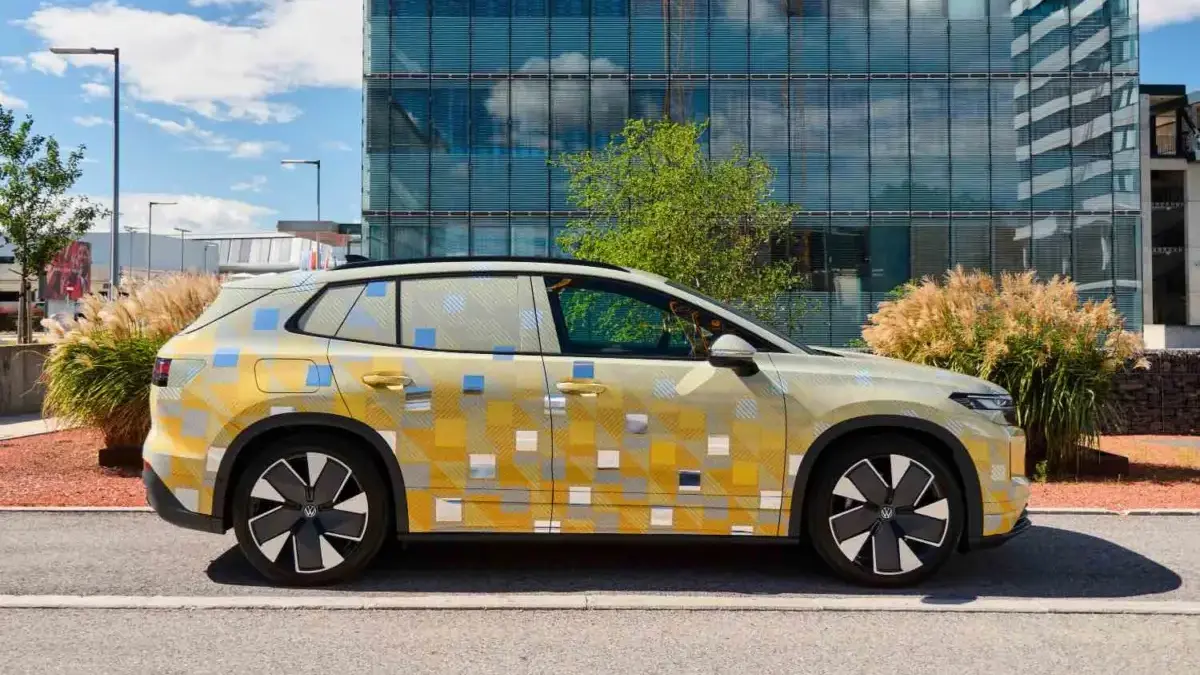
Volkswagen is quietly yet strategically reshaping its electric vehicle (EV) offensive. Eschewing the alphanumeric nomenclature that defined the early days of its ID. sub-brand, the German automotive giant has officially confirmed the impending arrival of the Volkswagen ID. Tiguan.
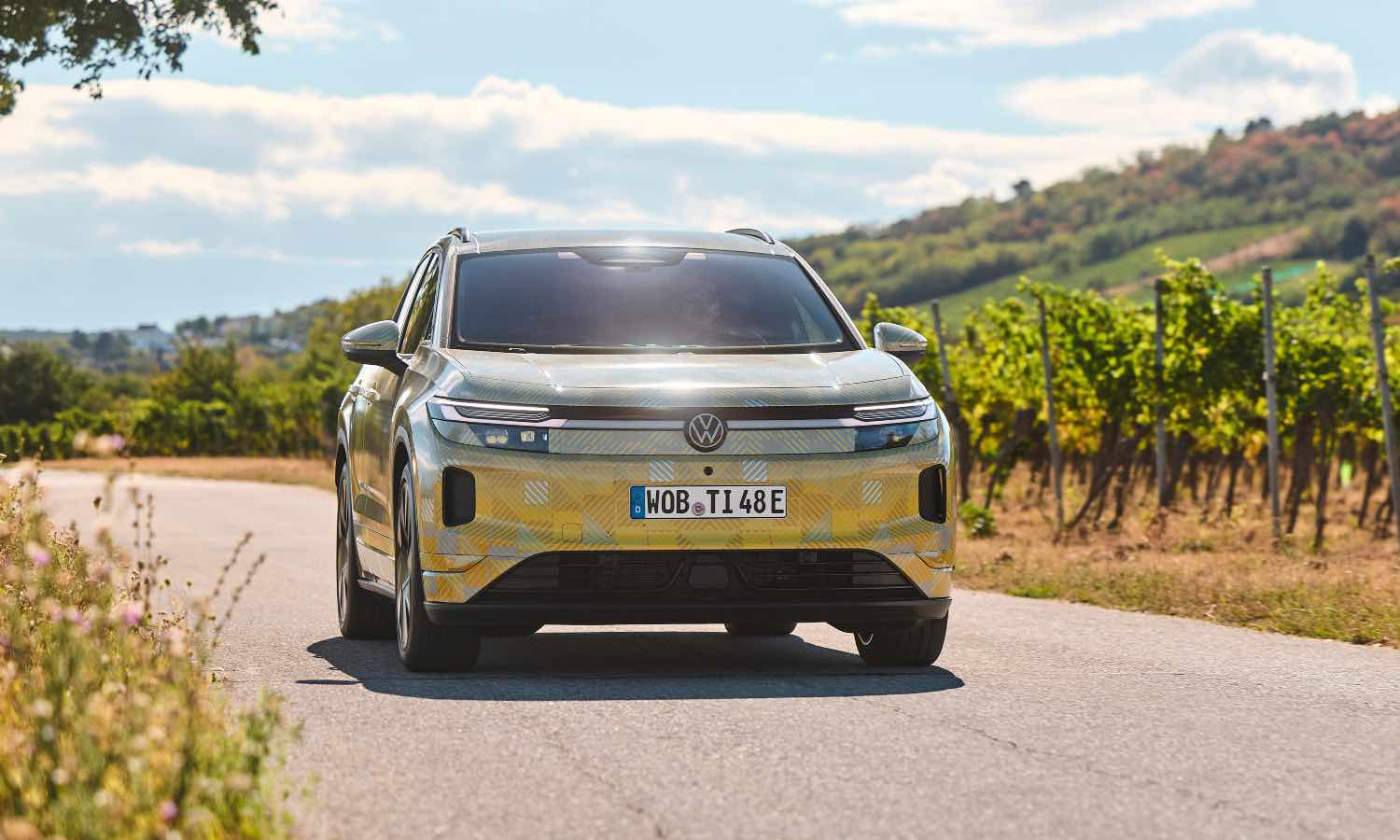
Designed to seamlessly step into the shoes of the outgoing ID.4 and ID.5 SUVs, this upcoming 100% electric model bridges the gap between Volkswagen’s storied past of combustion-engine best-sellers and its electrified future. While initial promotional material features heavily camouflaged test mules, the global automotive community already recognizes that this vehicle holds immense commercial gravity. Slated for a full global reveal in October 2026, the ID. Tiguan is scheduled to hit European showrooms—including Spain—in the early months of 2027.
Crucially, the ID. Tiguan will not spell an immediate end for the traditional, combustion-engined Tiguan. In a pragmatic nod to consumer demand, Volkswagen plans to run both versions in parallel, offering drivers a choice between traditional internal combustion engines (ICE), plug-in hybrids (PHEVs), and a pure zero-emission electric powertrain.
Main Facts
The Volkswagen ID. Tiguan represents a pivotal moment in the Wolfsburg-based manufacturer’s transition toward full electrification. Rather than inventing a brand-new moniker, Volkswagen is leveraging one of its most successful and trusted nameplates.
- The Replaces: The ID. Tiguan will directly supersede both the ID.4 and the ID.5, two foundational EVs launched in 2021 that have collectively amassed nearly 900,000 units sold globally.
- The Platform: Underneath the skin, the ID. Tiguan utilizes a heavily evolved iteration of the Volkswagen Group’s modular MEB platform (frequently referenced as MEB+ or its derivatives), bringing substantial upgrades to software stability, thermal efficiency, and overall energy management.
- Range and Performance: While official specifications remain under wraps until the October 2026 premiere, insider projections and early test mule data suggest top-tier variants will target an impressive driving range of up to 600 kilometers (approx. 373 miles) under the WLTP cycle.
- Market Rollout: The vehicle will make its official world debut in early October 2026. European commercialization will kick off at the beginning of 2027, with key markets like Spain positioned to receive initial allocations concurrently.
- Manufacturing Hub: Production for the European market will remain anchored in Germany, securing local employment and reinforcing the industrial backbone of Volkswagen’s domestic operations.
Chronology of the Project
The journey toward the ID. Tiguan reflects a broader corporate pivot under Volkswagen’s leadership to listen more closely to customer feedback and market realities.
The ID.4 and ID.5 Era (2021–2025)
When Volkswagen initially launched the ID.4 and its coupé-styled sibling, the ID.5, they were heralded as the vanguard of the brand’s MEB architecture. While they achieved solid sales figures—nearing the 900,000-unit milestone—they faced persistent criticisms regarding software glitches, overly minimalist interiors devoid of physical buttons, and a perceived lack of emotional design connection compared to legacy models like the Golf and Tiguan.
The Strategic Naming Shift (2024–2025)
Recognizing that abstract alphanumeric names (like ID.3, ID.4, ID.7) created customer confusion and lacked the emotional resonance of traditional nomenclature, Volkswagen’s board initiated a strategic u-turn. The company successfully revived historic badges for upcoming smaller models, such as the ID. Polo and ID. Cross. Extending this philosophy to the critical C-SUV segment made the Tiguan name an obvious, albeit high-stakes, choice.
Camouflaged Prototypes and Teasers (Late 2025–September 2026)
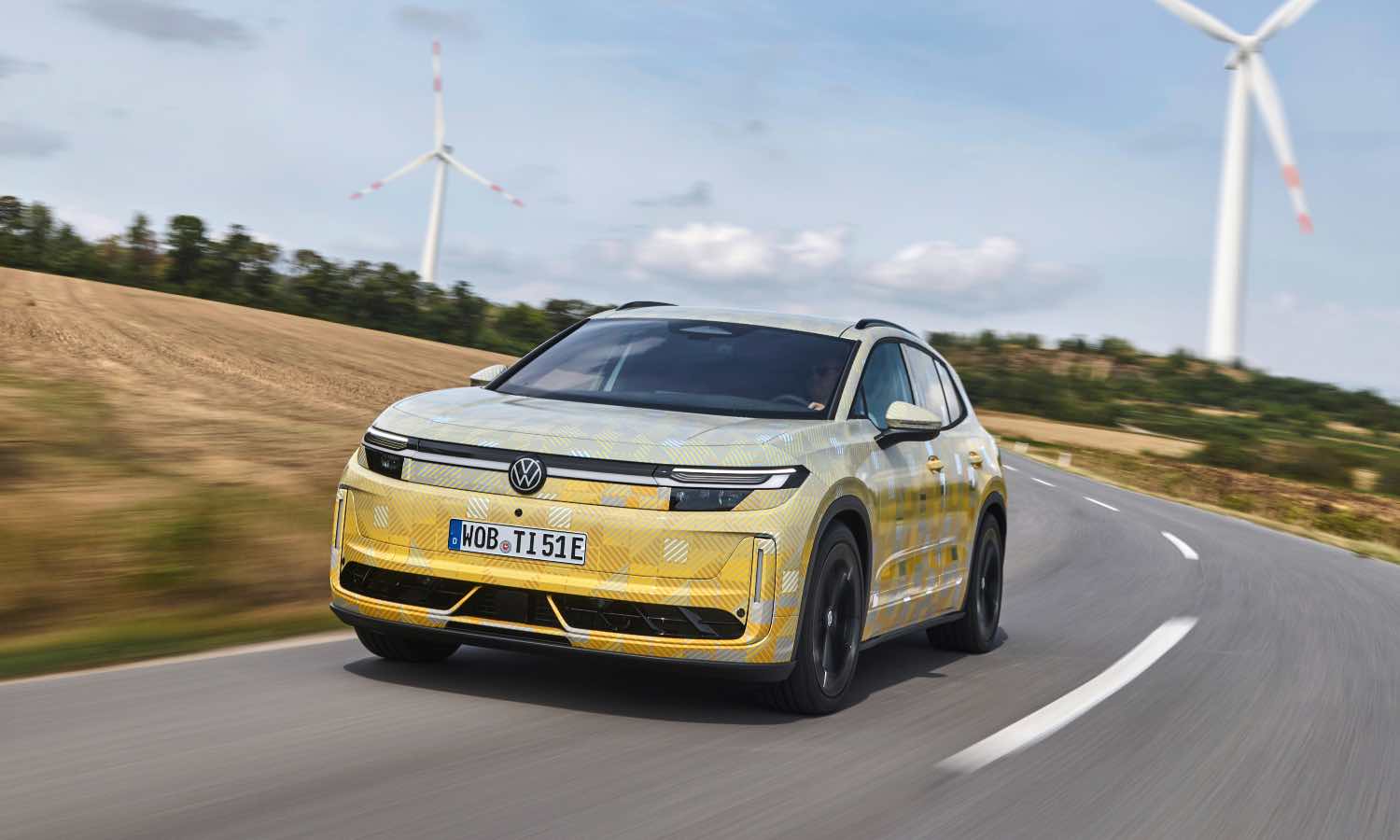
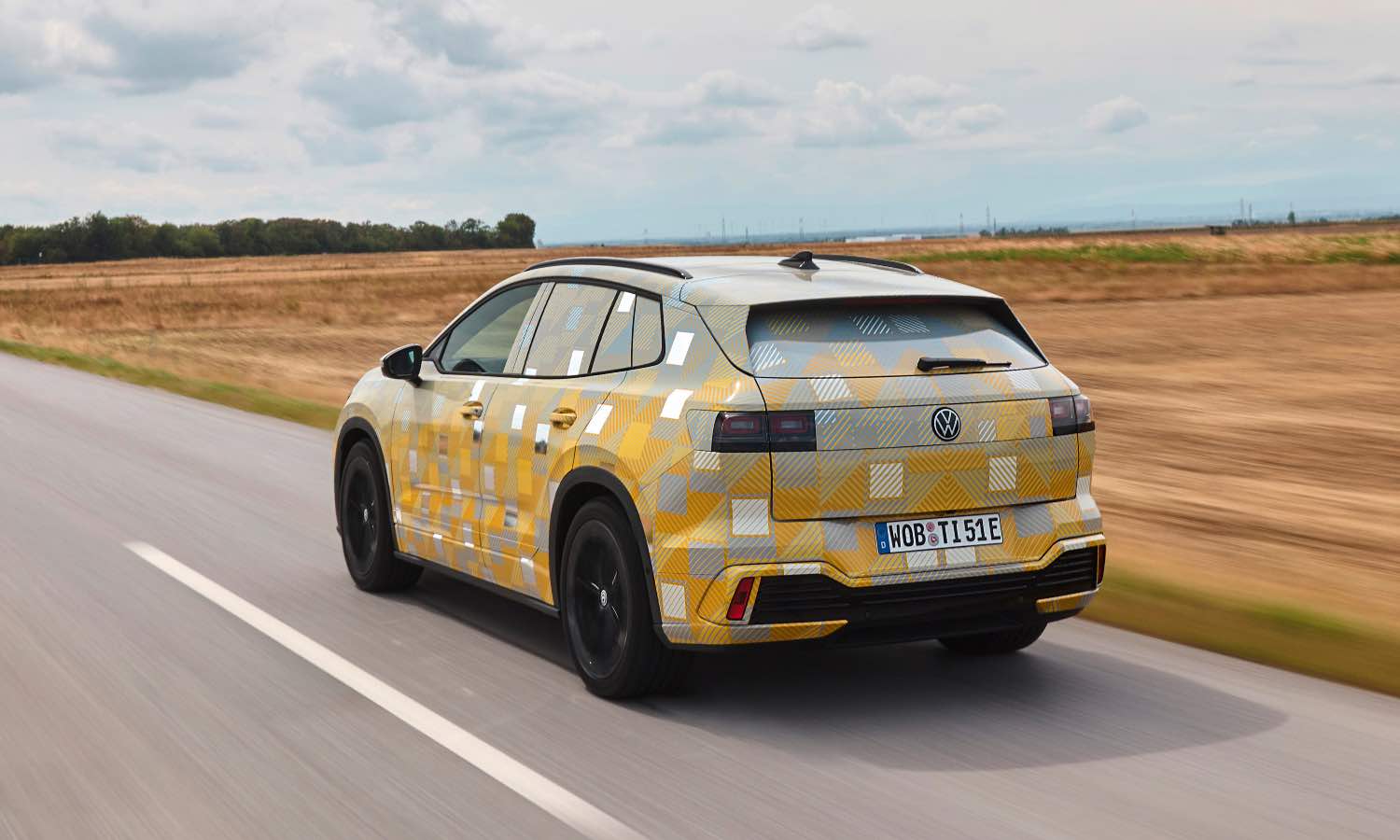
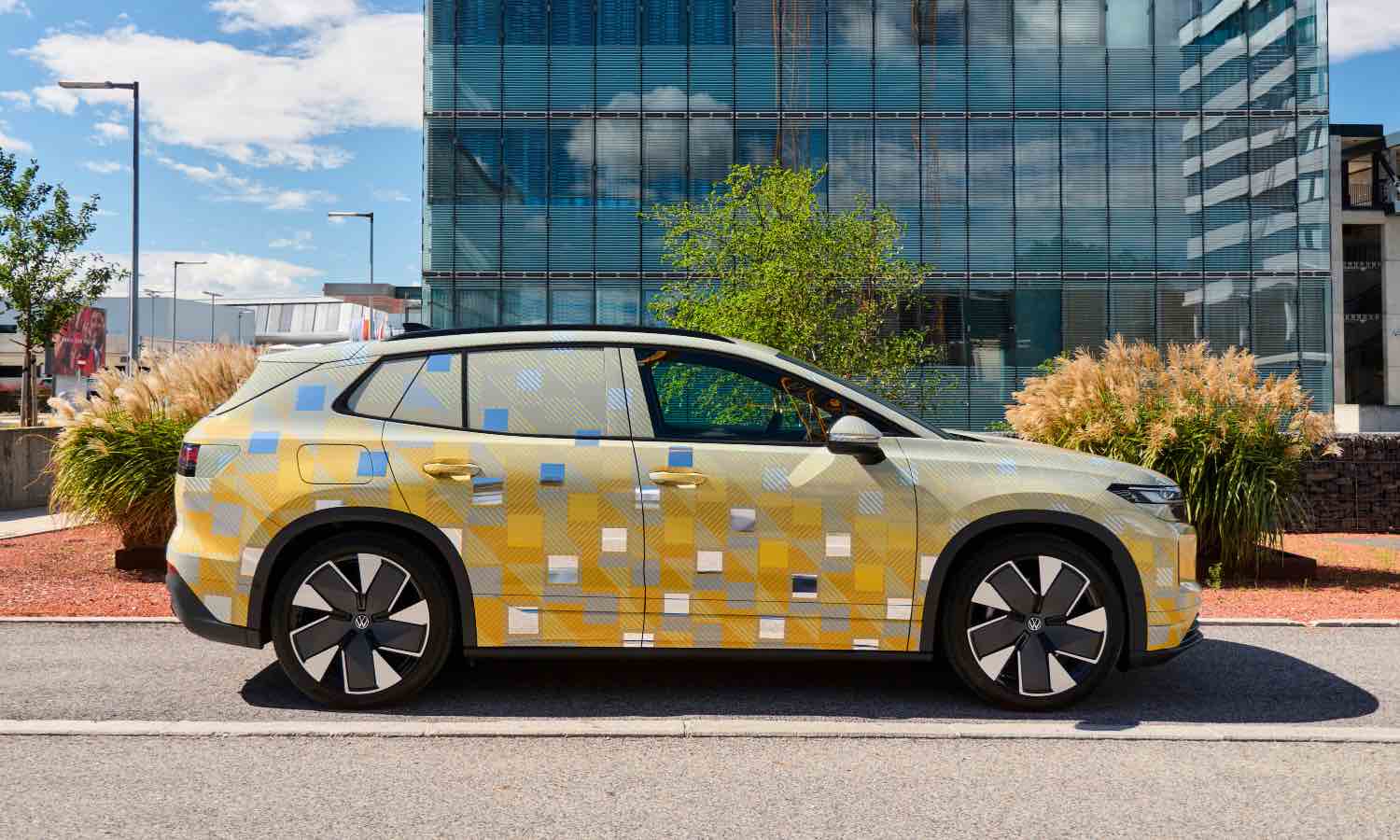
Volkswagen began dropping official teaser images of camouflaged ID. Tiguan prototypes, generating widespread industry speculation. Automotive journalists caught glimpses of the vehicle undergoing rigorous cold-weather and high-altitude testing. These previews revealed a more muscular, traditional SUV stance compared to the soft, futuristic curves of the outgoing ID.4.
The Horizon: World Premiere and Launch (October 2026–2027)
The official curtain will rise in October 2026, where Volkswagen will lay bare the technical specifications, trim levels, interior layouts, and official pricing matrix. Deliveries are firmly locked in for early 2027 across Europe, setting the stage for what Volkswagen hopes will be its most successful volume EV to date.
Supporting Data and Commercial Context
To understand the weight resting on the shoulders of the ID. Tiguan, one must examine the staggering historical success of the nameplate it borrows.
| Metric / Feature | Traditional Tiguan (ICE/PHEV) | Outgoing ID.4 / ID.5 | Upcoming Volkswagen ID. Tiguan |
|---|---|---|---|
| Powertrain | Petrol, Diesel, Plug-in Hybrid | 100% Electric (BEV) | 100% Electric (BEV) |
| Cumulative Sales | Over 8.3 million units (since inception) | Approx. 900,000 units (since 2021) | Anticipated high-volume rollout |
| Platform | MQB Evo | MEB | Evolved MEB Architecture |
| Target WLTP Range | Varies by fuel/hybrid tank | Up to ~520-550 km | Up to ~600 km (projected) |
| Launch Timeline | Ongoing production | 2021–2026 | Premiere: Oct 2026 / Release: Early 2027 |
The decision to anchor the electric transition to the "Tiguan" name is deeply rooted in volume data. With more than 8.3 million units sold since the original model’s debut, Tiguan is arguably the most trusted and universally recognized SUV badge in Volkswagen’s modern stable.
From a pricing perspective, the outgoing ID.4 has occupied a competitive space, occasionally dipping to around €33,000 in European markets when factoring in government subsidies, promotional discounts, and brand-backed financing. However, because the ID. Tiguan is engineered to offer superior build quality, more intuitive ergonomics, and a distinct step up in perceived luxury, industry analysts expect its baseline price point to command a slight premium over its predecessor—though Volkswagen has strictly declined to quote figures ahead of the October 2026 debut.
Official Responses and Leadership Vision
Volkswagen’s top brass has been remarkably candid about the strategic imperatives driving the creation of the ID. Tiguan. Speaking on the integration of legacy naming conventions into the electric lineup, Volkswagen brand CEO Thomas Schäfer emphasized that consumer trust is an invaluable asset that should not be abandoned in the name of corporate futurism.
"The Tiguan name represents reliability, family-oriented practicality, and robust engineering for millions of drivers worldwide," Schäfer noted during corporate briefings regarding the brand’s upcoming product roadmap. "By carrying this proven pedigree into our next-generation electric architecture, we are removing the friction of adoption for customers who want zero-emission driving without having to decipher a completely foreign naming matrix."
Furthermore, internal communications from Volkswagen’s design and engineering departments confirm that the ID. Tiguan serves as a direct response to customer feedback gathered during the initial rollout of the ID. family. Early critics pointed out that touch-sensitive capacitive steering wheel controls and over-reliance on central infotainment screens for climate control were frustrating.
Board members have officially confirmed that the ID. Tiguan will spearhead a return to user-friendly ergonomics. This includes the reintroduction of physical, tactile buttons on the steering wheel, a more logically structured and lightning-fast software interface, and significantly elevated material choices throughout the cabin to satisfy European buyers accustomed to premium-segment standards.
Implications for the Market and Consumers
The introduction of the Volkswagen ID. Tiguan carries profound implications for the wider European automotive ecosystem, particularly in competitive markets like Spain, where compact and mid-size SUVs dominate sales charts.
1. A Smoother Bridge to Electrification
By allowing the internal combustion engine (ICE) and plug-in hybrid (PHEV) Tiguan to coexist alongside the all-electric ID. Tiguan, Volkswagen is executing a masterclass in risk mitigation. Rather than forcing skeptical buyers into a corner or abandoning loyal customers who lack home-charging infrastructure, the brand provides a parallel path. Buyers can choose their preferred propulsion method while retaining the styling, size, and utility they already trust.
2. Raising the Bar for Ride Comfort and Refinement
Early automotive journalists granted brief, masked test-drive access to development prototypes have reported marked improvements in chassis dynamics. Compared to the ID.4, the ID. Tiguan reportedly offers a significantly quieter cabin, superior sound insulation, and a more compliant suspension tuning optimized for long-distance family cruising. The steering setup prioritizes composure and confidence over aggressive, twitchy sportiness—aligning perfectly with the traditional buyer profile of the Tiguan name.
3. Redefining Competitiveness in the C-SUV Segment
As low-cost electric competitors from Asia flood European ports, legacy European manufacturers are under immense pressure to justify their pricing through tangible quality. By injecting premium interior materials, physical controls, software fixes, and an impressive projected range nearing 600 km WLTP, Volkswagen is signaling that the ID. Tiguan will fight back not through aggressive discounting, but through superior holistic product execution.
Conclusion
As the automotive industry ticks closer to October 2026, anticipation for the Volkswagen ID. Tiguan continues to mount. By retiring the somewhat sterile ID.4 and ID.5 identities in favor of a legendary moniker, Volkswagen is betting its electric future on the emotional equity of its past. For families waiting for a refined, long-range, user-friendly electric SUV that feels familiar yet cutting-edge, the ID. Tiguan is shaping up to be one of the most important vehicle launches of the decade.

Leave a Reply