

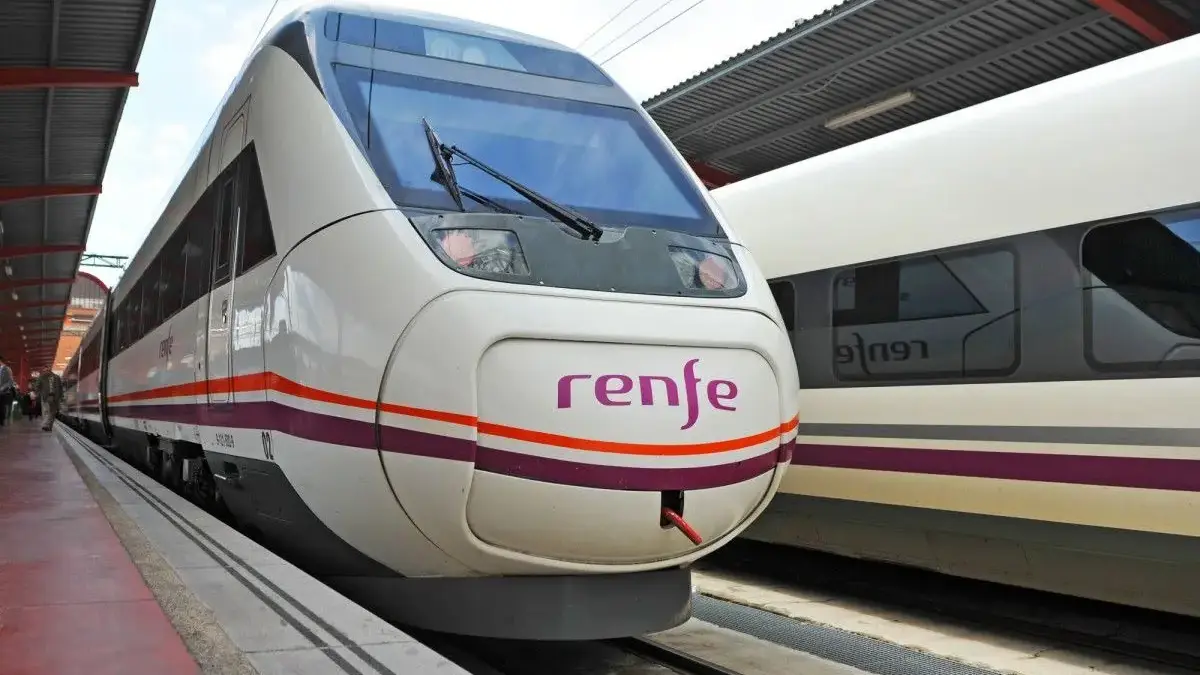
VALENCIA, Spain — A relentless and severe weather system carrying torrential downpours and violent thunderstorms has placed the Valencian Community under a maximum-severity red weather alert. The hazardous meteorological conditions have triggered sweeping operational shutdowns across Spain’s rail network, most notably severing vital rail connections between Valencia and Catalonia.
The national passenger railway operator, Renfe, announced comprehensive suspensions affecting long-distance corridors, the entire local commuter network (Cercanías), and multiple regional medium-distance services. While safety remains the paramount justification for the sweeping cancellations, the disruptions have immediately crippled regional mobility, stranding passengers and forcing transport authorities to scramble alternative logistics where possible.
Despite the crippling blow to regional rail corridors, high-speed rail infrastructure connecting Valencia to the capital has largely managed to evade total paralysis, offering a solitary vein of transit continuity amid the broader transport crisis.
1. Main Facts: The Scope of the Railway Disruption
The catastrophic weather event, which peaked in intensity starting Thursday afternoon, has effectively isolated major rail arteries running through the Valencian Community. The disruption cuts deep into Spain’s Mediterranean economic corridor, impacting both daily commuters and long-haul travelers.
Total Suspension of Euromed and Intercity Services
The most prominent casualty of the red alert is the suspension of high-capacity long-distance services connecting the Valencian Community directly with Catalonia. Specifically, Euromed and Intercity trains operating along the Mediterranean Corridor have been halted indefinitely. These routes serve as the backbone of passenger transit up Spain’s eastern seaboard, moving thousands of business travelers, tourists, and locals daily between key urban hubs such as Valencia, Castellón, Tarragona, and Barcelona.
Complete Paralysis of Valencia’s Cercanías (Commuter Rail)
Locally, the blow is absolute. Renfe has enacted a complete suspension of all lines within the Valencia Cercanías core. This administrative decision halts every commuter train navigating the northern, southern, and interior spokes of the Valencian metropolitan area. Thousands of daily workers, students, and regional residents who rely on the commuter network for their daily transit have been left without their primary mode of transportation.
Medium-Distance Restrictions and Road Alternatives
Beyond commuter and long-distance trains, the contagion of cancellations has spread firmly into Medium Distance (Media Distancia) services originating or terminating in Valencia. Recognizing the vital nature of these regional linkages, Renfe has attempted to mitigate the fallout by establishing alternative road transport plans for specific routes. However, these replacement bus services remain vulnerable to the very same road hazards, flooding, and visibility issues plaguing the region’s highway infrastructure.
The High-Speed Exception: Madrid-Valencia Corridors
In stark contrast to the Mediterranean and regional networks, high-speed rail lines linking Madrid to Valencia remain operational for the time being. Neither Renfe’s high-speed services nor private operators such as iryo and OUIGO have announced general cancellations on the Madrid-Valencia high-speed tracks as of Thursday evening. Infrastructure managers report that the dedicated high-speed tracks possess superior drainage and modern signaling defenses that have thus far weathered the storm, allowing the central axis connecting the capital to the Mediterranean coast to stay open, barring localized speed restrictions.
2. Chronology of Events: How the Crisis Unfolded
The escalation from standard meteorological warnings to total operational lockdown followed a rapid, deteriorating timeline driven by real-time updates from forecasting agencies and civil protection authorities.
- Early Thursday (Morning Hours): The State Meteorological Agency (AEMET) raises alert levels across large swaths of the Valencian Community, issuing a red warning due to incoming maritime moisture colliding with cold upper-air masses. Forecasts project extreme accumulation rates, prompting early monitoring protocols by infrastructure managers at Adif (Administrator of Railway Infrastructure) and railway operators.
- 12:00 PM – 3:00 PM: Rainfall intensifies drastically across coastal and inland sectors of Valencia and Castellón. Flash-flooding risks rise exponentially in urban run-off zones and low-lying agricultural tracts. Transport operators begin implementing precautionary speed restrictions along vulnerable coastal stretches of the Mediterranean Corridor.
- 5:00 PM: Meteorological telemetry confirms that rainfall totals are tracking at the highest end of AEMET’s predictive models. Visibility drops, and reports of track-bed saturation and localized debris accumulation reach railway control centers.
- 6:00 PM (Thursday, October 1): The official threshold is crossed. Renfe formally enacts the suspension of Euromed and Intercity services between Valencia and Catalonia. Concurrently, the decision is made to pull the plug on the entire Valencia Cercanías network and affected Medium Distance operations to safeguard passengers and train crews.
- Evening Hours: Stations across Valencia empty out as stranded travelers process refund requests or scramble for alternative buses. Railway maintenance teams are placed on high alert, awaiting a window of improved weather to inspect tracks, bridges, and catenary lines for structural compromise before any phased reopening can be planned.
3. Supporting Data: Meteorological Intensity and Infrastructure Impact
The severity of the railway shutdown cannot be understood without examining the sheer volume of water dumped onto the region by the active weather front.
Meteorological Parameters by the Numbers
According to data released by AEMET, the red alert is underpinned by exceptionally aggressive hydrological metrics:
- Peak Accumulation Projections: Up to 160 liters per square meter are projected to fall within a localized 12-hour window in the most severely impacted zones.
- Rainfall Rate: Torrential downpours are accompanied by instantaneous precipitation rates exceeding 30 to 40 liters per square meter in single-hour intervals, overwhelming municipal drainage systems and railway ballast drainage basins.
- Associated Hazards: The storm front is not characterized by rain alone; it carries convective activity resulting in violent electrical storms, localized hail, and sudden coastal gale-force wind gusts that elevate the risk of falling trees and infrastructure debris obstructing overhead electrical wires (catenaries).
Structural Vulnerability of the Rail Network
Railway infrastructure is uniquely susceptible to extreme hydraulic pressure. When rainfall surpasses 100 liters per square meter in short periods:
- Ballast Erosion: The crushed stone (ballast) supporting the railway ties can be washed away by rushing surface water, leading to immediate track destabilization.
- Electrical Short Circuits: Substation flooding and debris impacts on overhead catenary lines risk catastrophic electrical failures.
- Landslides and Embankment Slumping: Saturated earth alongside cutting and embankment sections frequently gives way, depositing mud and boulders directly onto the tracks.
By suspending services prior to catastrophic structural failures, Renfe and Adif avoided potential derailment scenarios similar to historical weather-related rail disasters recorded across Southern Europe.
4. Official Responses: Passenger Rights, Refunds, and Safety Protocols
Faced with mounting chaos at transport hubs and thousands of canceled tickets, transport authorities and railway operators moved swiftly to outline consumer protections and operational guidelines.
Renfe’s Policy on Changes and Refunds
To cushion the blow for stranded travelers, Renfe instituted an emergency customer service policy:
- Zero-Cost Modifications: Passengers holding tickets for any of the suspended services—Euromed, Intercity, Cercanías, or affected Medium Distance trains—are granted free ticket changes.
- Full Refunds: Travelers who choose not to travel or whose journeys have been completely thwarted can process full, 100% refunds without incurring any cancellation penalties.
- Digital and Physical Access: These procedures have been made available across all digital sales channels, mobile applications, customer service telephone lines, and physical ticket windows at staffed railway stations.
Recommendations to the Public
Renfe has issued explicit advisories urging citizens not to travel to railway stations unless they have verified in real-time that their specific train has been restored. Because the resumption of services is entirely tethered to meteorological improvements, timetables remain fluid. Passengers are instructed to monitor official communication channels, including Renfe’s corporate website and verified social media feeds, for up-to-the-minute status reports.
5. Implications: Economic, Social, and Intermodal Aftershocks
The paralysis of the railway system in Valencia carries immediate and far-reaching implications for the region’s economy, daily social fabric, and the broader Spanish transport ecosystem.
Isolation of the Mediterranean Economic Axis
The severance of the rail link between the Valencian Community and Catalonia cuts off one of Spain’s most dynamic commercial corridors. The Mediterranean Corridor is an engine for industrial exchange, manufacturing supply chains, and tourism. While freight services managed by Adif often operate under independent safety assessments and specialized overnight schedules, passenger transit halts mean that business meetings, inter-regional conferences, and professional mobility are brought to an abrupt halt.
Strain on Alternative Transport Modes
With the rail option neutralized, displaced travelers naturally pivot toward alternative modes of transit, primarily private automobiles and long-distance buses. However, this shift occurs under dangerous driving conditions. Regional highways face similar risks of localized flooding, hydroplaning, and rockfalls. Consequently, safety authorities have discouraged non-essential travel altogether, creating a scenario where stranded passengers have few safe avenues to complete their journeys.
The Resilience of High-Speed Rail
The survival of the Madrid-Valencia high-speed line as an operational route highlights the strategic value of heavy investment in modern, dedicated high-speed infrastructure. While older legacy corridors shared by regional and medium-distance trains are prone to environmental disruptions, purpose-built high-speed platforms demonstrate greater structural resilience—though ongoing vigilance remains mandatory as the storm front continues to evolve.
Outlook for Recovery
As the red alert persists, the timeline for normalization depends entirely on meteorological stabilization. Once AEMET downgrades the emergency thresholds, Adif inspection teams must execute comprehensive safety sweeps of every kilometer of affected track, checking bridges, embankments, and electrical systems before clearance can be given to restart commercial services. Until then, Valencia remains an isolated node on the classic rail map, awaiting calmer skies to restore the flow of people across its vital tracks.




Leave a Reply