


The roar of high-performance engines has long been romanticized as the ultimate symphony of speed, a visceral experience that draws millions of fans to grandstands across the globe. However, when the checkered flag drops and the crowds disperse, a quieter, more insidious debate lingers in the surrounding neighborhoods. The inaugural Gran Premio de Madrid, held on September 13, brought world-class motorsport action to the Spanish capital, but it also forced a reluctant spotlight onto an overlooked environmental hazard: the staggering levels of acoustic pollution generated by elite racing and its immediate impact on residents, pedestrians, and vulnerable populations.
While motorsport regulatory bodies and event organizers frequently implement mitigation strategies to comply with local noise ordinances, acoustic experts argue that the traditional focus remains myopic, prioritizing trackside regulations while largely ignoring the broader urban footprint. As cities increasingly vie to host high-profile automotive spectacles, public health advocates are raising critical questions about the invisible collateral damage of speed.
Main Facts: The Gran Premio de Madrid Acoustic Audit
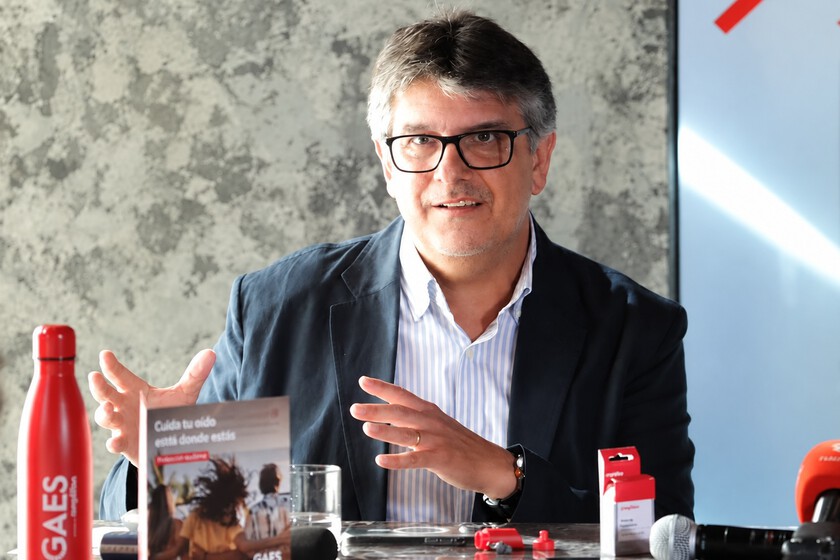
The debate surrounding the Gran Premio de Madrid crystallized following a comprehensive acoustic analysis conducted by GAES, a leading hearing health and audiology organization. In an extensive interview with ABC, Francesc Carreño, the Director of Audiology and Investigation at GAES, detailed the methodology and findings of a specialized field study designed to evaluate noise distribution outside the circuit parameters.
Unlike conventional trackside sound measurements—which typically assess exposure levels for race marshals, pit crews, and spectators inside the grandstands—Carreño’s team focused squarely on the urban perimeter. They measured ambient sound levels experienced by local residents, unsuspecting pedestrians, and businesses situated in the immediate vicinity of the racing layout.
The results of the audit paint a striking picture of urban acoustic penetration during elite motorsport events:
- IFEMA Exit: 79 decibels (dB), a sustained level roughly equivalent to a ringing telephone or a heavy traffic intersection, recorded in a zone frequently congested with transit and pedestrians.
- La Monumental: 88 dB, a high-intensity threshold comparable to a gas-powered lawnmower or heavy manufacturing equipment operating at close range.
- Ribera del Sena: 74 dB, a moderate-to-high level that, while lower than the trackside peaks, still exceeds standard urban daytime acoustic comfort recommendations.
Carreño acknowledges that event organizers often make a good-faith effort to comply with regulatory frameworks. However, he issues a stark warning regarding cumulative and continuous exposure. His primary verdict for anyone venturing near an active motorsport zone is unambiguous: "You must put on hearing protection the moment you enter; do not wait for the loudest noises to arrive." Furthermore, Carreño stresses that certain demographics—specifically young children, individuals with pre-existing hearing loss, and those with hyperacusis (sound hypersensitivity)—face disproportionate risks that demand heightened vigilance from both caregivers and public authorities.
Chronology of an Urban Racing Weekend
To understand how high-decibel motorsport events impact a metropolitan area, it is necessary to examine the timeline of disruption that unfolds over a typical Grand Prix weekend. Modern street circuits and urban-adjacent tracks require extensive preparation, transforming peaceful commercial and residential sectors into high-intensity industrial zones long before the first engine turns over.
Phase 1: Pre-Event Setup and Calibration (Monday – Wednesday)
Weeks prior to the September 13 event, logistical operations commence. Heavy machinery, construction of temporary barriers, grandstands, and paddock infrastructure generate sustained localized noise. By the midweek preceding the race, teams begin arriving, setting up equipment, and conducting initial diagnostic checks. While engines are not yet running at full racing capacity, intermittent revving and logistical drone elevate the baseline ambient noise of the neighborhoods surrounding IFEMA and Ribera del Sena.
Phase 2: Free Practice and Qualifying Sessions (Thursday – Friday)
The acoustic profile shifts dramatically as Formula or GT cars take to the asphalt for preliminary testing and practice rounds. These sessions, while shorter than the main race, introduce sudden, high-amplitude spikes in sound pressure levels. Residents working from home or attending local businesses experience erratic acoustic interruptions. It is during this phase that experts like Carreño advise early adoption of hearing protection, noting that many bystanders mistakenly underestimate the risk of practice sessions because the track is not operating at maximum capacity for the entire day.
Phase 3: Race Day and Peak Decibel Saturation (Saturday – Sunday)
September 13 marked the epicenter of the disruption. From early morning support races to the main Grand Prix event, acoustic saturation peaked. Neighborhoods adjacent to La Monumental recorded sustained spikes reaching 88 dB. Pedestrians navigating the outer perimeter were subjected to sudden engine screams that exceeded safe listening thresholds without warning. The psychological and physiological toll of this concentrated exposure is felt most acutely by residents who have no direct involvement in or financial benefit from the sporting spectacle.
Phase 4: Post-Event Teardown and Recovery (Monday – Tuesday)
Following the conclusion of the podium celebrations, the acoustic reality shifts back to heavy logistics. The disassembly of grandstands, removal of safety fencing, and departure of heavy transport fleets prolong the disruption well into the following week, preventing immediate acoustic recovery for the affected urban zones.
Supporting Data: Volume, Duration, and the Physiology of Hearing
To contextualize the readings recorded during the Gran Premio de Madrid, public health organizations provide strict parameters regarding human hearing safety. Sound is measured in decibels (dB) on a logarithmic scale, meaning every increase of 10 dB represents a tenfold increase in sound intensity.
The OMS (WHO) Safe Listening Matrix
The World Health Organization (WHO) outlines clear correlations between sound volume and allowable exposure time before irreversible cochlear damage occurs:
- 80 Decibels: The threshold of safe urban ambient sound. The WHO recommends a maximum weekly exposure of 40 hours at an average of 80 dB.
- 90 Decibels: A significant escalation in risk. When ambient levels reach 90 dB, the safe weekly exposure limit plummets to just four hours.
- Higher Thresholds (95–100+ dB): Typical of trackside motorsport environments, where levels can easily surpass 110 to 120 dB. At these levels, unprotected exposure for even a few minutes can result in acute acoustic trauma, temporary threshold shifts (muffled hearing or tinnitus), or permanent hearing loss.
+-------------------------------------------------------------+
|                WHO SAFE LISTENING GUIDELINES                |
+-------------------+-----------------------------------------+
| Sound Level (dB)  | Maximum Recommended Weekly Exposure     |
+-------------------+-----------------------------------------+
| 80 dB             | 40 Hours                                |
| 85 dB             | 12 Hours                                |
| 90 dB             | 4 Hours                                 |
| 95+ dB            | Minutes (High Risk of Acute Trauma)     |
+-------------------+-----------------------------------------+
Francesc Carreño and international audiologists emphasize that these metrics are statistical guidelines, not biological guarantees; individual ear resilience varies wildly based on genetics, age, and prior acoustic injury. Furthermore, the WHO advocates for the "10-minute rule": for every hour spent in a high-noise environment, individuals should take a 10-minute break in a genuinely quiet, isolated zone to allow the auditory system to recover. A practical rule of thumb for urban pedestrians: if you must raise your voice to converse with someone standing right next to you, the ambient noise has crossed the line into a hazardous zone.
Official Responses and Regulatory Perspectives
The tension between economic development through major sporting events and public health protection has prompted various municipal and international bodies to re-evaluate their policies.
Local Organizers and Municipal Authorities
Representatives of the Gran Premio de Madrid maintain that all necessary protocols were observed to ensure compliance with regional noise legislation. Event organizers point to the implementation of temporary acoustic barriers, strategic placement of speaker systems, and adherence to time windows that restrict high-decibel engine operations to daytime hours. Furthermore, public awareness campaigns distributed prior to the event encouraged attendees to utilize earplugs available at distribution booths throughout the venue.
Critical Audiological Feedback
Despite these measures, medical professionals argue that municipal frameworks are outdated. Existing regulations frequently focus on average noise limits over extended periods (such as Leq measurements over 24 hours), which can mask the destructive potential of sharp, high-intensity sound spikes characteristic of internal combustion racing engines.
Experts like Carreño argue that city councils must mandate broader perimeter monitoring during the planning phases of any urban racing event. By measuring noise levels blocks away from the asphalt—where residents cannot easily escape or utilize professional-grade ear protection—authorities can better gauge the real-world footprint of motorsport tourism.
Wider Implications: Chronic Noise Pollution and Public Health
While a weekend Grand Prix represents an acute, short-term acoustic shock, it exists within a much larger, chronic crisis of environmental noise pollution across modern societies.
To understand the broader public health implications, it is valuable to look at data compiled by the European Environment Agency (EEA). According to comprehensive EEA reports on environmental noise in Europe, an estimated 4.6 million people suffer severe sleep disturbances directly attributable to transportation noise. Furthermore, millions more experience chronic annoyance and sustained psychological stress as a byproduct of urban acoustic congestion.
Cardiovascular and Metabolic Consequences
Chronic exposure to elevated noise levels—whether from constant highway traffic, aviation, or industrial sources—triggers continuous activation of the autonomic nervous system. Even during sleep, the subconscious brain registers loud acoustic events, releasing stress hormones such as cortisol and adrenaline. Over time, this sustained physiological stress response is strongly associated with:
- Cardiovascular Disease: Increased incidence of hypertension, myocardial infarction (heart attacks), and stroke due to persistently elevated blood pressure and heart rates.
- Metabolic Disruptions: Impaired glucose regulation and a higher susceptibility to metabolic syndromes.
- Cognitive and Psychological Impacts: Chronic fatigue, anxiety, irritability, and impaired cognitive development in children residing in hyper-noisy urban corridors.
Reconciling Spectacle and Sustainability
Epidemiologists caution against conflating the chronic, decades-long exposure studied in EEA reports with a single weekend of motorsport entertainment. A two-day Grand Prix will not single-handedly induce chronic cardiovascular disease in a healthy neighborhood resident. However, public health advocates insist that the cumulative burden of multiple events—concerts, festivals, motorsport championships, and constant construction—creates an environment where the human ear and nervous system never receive adequate respite.
As cities like Madrid continue to position themselves as global hubs for entertainment and mega-events, striking a balance between economic vitality and acoustic preservation remains an urgent challenge. Protecting public health requires moving beyond reactive damage control and embracing proactive urban planning, rigorous perimeter monitoring, and an uncompromising commitment to public acoustic hygiene.




Leave a Reply