

By Alexandra Luque Villa
Published via Las2Orillas (Adapted for international distribution)
Introduction: The Illusion of Distance
One of the most persistent misconceptions in the globalized era is the belief that geopolitical conflicts occurring thousands of miles away have zero bearing on domestic reality. When evening news broadcasts or social media feeds flash urgent alerts regarding escalating tensions between the United States and Iran, or armed flare-ups across the Middle East, the instinctive reaction of the average citizen is one of geographical detachment. “That is happening on the other side of the map; it does not concern me,” is the common refrain.
However, contemporary economies do not operate in vacuums. We inhabit an intensely interconnected global web where macroeconomic shocks, geopolitical chess moves, and supply chain disruptions propagate across oceans in a matter of days. A geopolitical standoff in a critical global chokepoint does not simply stay on television screens—it alters shipping insurance rates, shifts commodity futures, weakens emerging market currencies, and ultimately dictates the price of a basket of groceries in Bogotá, Medellín, or Cali.
Understanding this transmission mechanism is no longer reserved for macroeconomists and policymakers; it is an essential survival guide for everyday consumers navigating an increasingly volatile global economy.
Main Facts: The Anatomy of Global Economic Transmission
To comprehend how a conflict in the Middle East or Eastern Europe impacts everyday life in Colombia, one must trace the primary transmission channels identified by financial institutions and trade analysts:
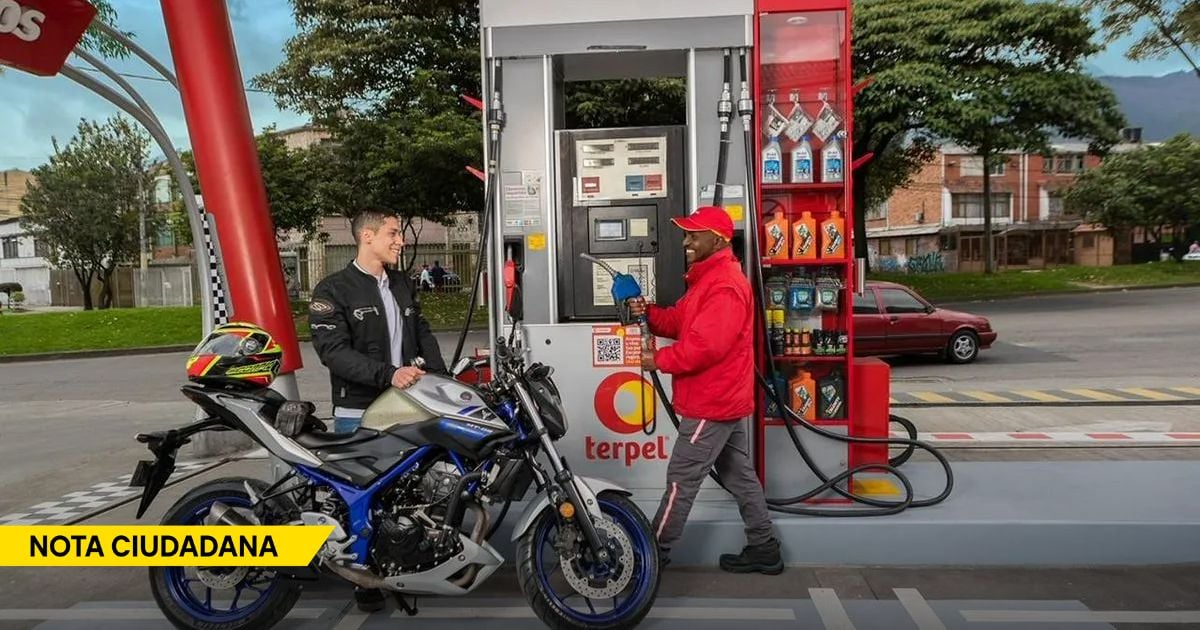
- The Energy Nexus: The Middle East remains the beating heart of global petroleum supply and refining. Any escalation of hostilities—particularly involving vital transit corridors like the Strait of Hormuz—immediately spikes crude oil futures.
- Agricultural Inputs (Fertilizers): Modern industrial agriculture is heavily dependent on petrochemical derivatives and imported fertilizers. Natural gas, a primary feedstock for nitrogen-based fertilizers, experiences severe price volatility during international energy crises.
- Logistics and Freight: Higher fuel costs directly inflate maritime shipping rates, aviation fuel surcharges, and overland freight logistics. Moving goods from ports to distribution centers becomes exponentially more expensive.
- Foreign Exchange Volatility: Geopolitical uncertainty triggers a "flight to safety" among global investors, who pull capital out of emerging markets like Colombia and redirect it toward safe-haven assets like the US dollar. This capital flight depreciates the Colombian peso (COP), making imported goods, machinery, and foreign debt servicing significantly more expensive.
Chronology of Vulnerability: How Crises Cascade from Geopolitics to Local Markets
While international conflicts often erupt in sudden, explosive moments, their economic fallout follows a predictable, staggered timeline as it ripples from global exchanges down to neighborhood store shelves.
Phase 1: The Geopolitical Spark (Days 1–7)
An escalation occurs—such as a military strike, a naval blockade, or threats to vital shipping lanes. International Brent and WTI crude oil benchmarks surge instantly within hours of the markets opening, driven by speculative fear and actual supply security concerns.
Phase 2: Financial and Currency Adjustment (Weeks 1–3)
Global investors react to heightened systemic risk. Emerging market currencies, including the Colombian peso, experience downward pressure against the US dollar. Simultaneously, imported commodities—ranging from raw materials and electronics to agricultural inputs—see immediate upward pricing adjustments based on the newly devalued exchange rate.
Phase 3: The Industrial and Agricultural Squeeze (Month 1–2)
Local agricultural producers face soaring bills for imported fertilizers (such as urea) and agrochemicals. Trucking and transport syndicates confront skyrocketing diesel prices and costly mechanical spare parts. At this stage, the cost of production and internal cargo transport begins to swell dramatically.
Phase 4: The Consumer Impact (Month 3 and Beyond)
The accumulated pressures finally reach the end consumer. Shoppers walking down the aisles of supermarkets or visiting traditional municipal markets (plazas de mercado) are met with inflated prices for staple foods, meats, and processed goods. Commuters wonder why public transport fares, gasoline at the pump, and airline tickets have spiked, remaining largely oblivious to the geopolitical origins months prior.

Supporting Data: What the Experts and Markets Say
The mechanics of this global-to-local economic transmission are not speculative; they are rigorously tracked by international multilateral organizations and financial analysts.
- The International Monetary Fund (IMF): In several global economic outlook reports, the IMF has explicitly warned that persistent geopolitical fragmentation and regional conflicts create compounding pressures on global energy markets, disrupt fertilizer supply chains, and inflate international transport costs. These pressures, the IMF notes, disproportionately harm emerging market economies with high import dependencies.
- Agricultural Cost Indices: According to historical agricultural data in Colombia, fertilizer costs can account for up to 30% of total production expenses for key crops like coffee, rice, and potatoes. When international gas and chemical prices double due to foreign conflicts, domestic food inflation follows suit with a lag of just a few weeks.
- Energy Dependence: While Colombia is a self-producer of oil, domestic fuel prices are tied to international benchmarks through mechanisms like the Fuel Price Stabilization Fund (FEPC). Consequently, when global crude rallies, local gasoline and diesel prices are inevitably adjusted upward to mitigate structural fiscal deficits.
Official Responses and Domestic Economic Realities
Faced with rising living costs, citizens frequently look to national governments for immediate relief. However, economic authorities face a delicate balancing act.
The Central Bank of Colombia (Banco de la República) and the Ministry of Finance often find themselves constrained by structural realities. When external shocks—such as high oil prices, imported inflation, and a weak peso—hit the domestic economy simultaneously, monetary policy must remain cautious. Raising interest rates is often necessary to anchor inflation expectations, yet doing so can slow down domestic economic growth, credit expansion, and job creation.
Furthermore, economic analysts emphasize that not every price hike experienced in Colombia can be blamed on foreign wars. Domestic inflation is also heavily influenced by internal structural factors:
- Infrastructure Deficits: Poor road networks and high internal freight costs make food transportation within Colombia notoriously expensive.
- Clerical and Security Challenges: Local security issues, road blockages (paros), and unpredictable weather patterns driven by climate phenomena (such as El Niño or La Niña) frequently compound agricultural losses independently of international events.
Thus, international conflicts act as a heavy multiplier—adding fuel to an economic fire that may already be smoldering due to domestic vulnerabilities.

Implications for the Everyday Colombian Citizen
The ultimate takeaway from these complex global dynamics is deeply personal. When citizens ask, "Why is gasoline so expensive?" or "Why is the weekly grocery bill doubling?" the answers cannot be found solely in national tax policies or domestic political debates.
The next time a major international crisis unfolds in the Middle East, Eastern Europe, or any other critical geopolitical hotspot, it should not be dismissed as a distant spectacle devoid of personal consequence. While the images on television may feature foreign landscapes and unfamiliar leaders, the economic shockwaves travel with ruthless efficiency.
Ultimately, the true impact of international conflict is measured not just in geopolitical treaties or military strategies, but right where it matters most: in the personal budget, the household pantry, and the wallet of the ordinary citizen.



Leave a Reply