

By [Author Name]
Special to La Nación
There are music festivals that achieve global renown through exorbitant ticket prices, VIP enclosures, and curated exclusivity. Others are celebrated for dazzling stage design or the sheer magnitude of their corporate sponsorships. Yet, very few manage to transcend the realm of entertainment to become an indelible part of a nation’s cultural DNA.
In Bogotá, Colombia, one festival accomplished precisely that. Founded in 1995, Rock al Parque is celebrating its monumental 30th edition. It is a milestone that represents three decades of history, unbridled musical expression, absolute freedom, and urban coexistence.
From October 10 to 12, the iconic Simón Bolívar Metropolitan Park will once again transform into the beating heart of Latin American rock. More than 60 national and international bands—headlined by eclectic luminaries such as the powerhouse Chilean singer-songwriter Mon Laferte and the symphonic metal titans Apocalyptica—will take over the capital. But beyond the impressive lineup and the roaring amplifiers lies a deeper narrative: the consolidation of a democratic cultural movement that fundamentally altered the trajectory of Colombian and Latin American rock music.
Main Facts: The Blueprint of a Continental Giant
To understand the magnitude of Rock al Parque, one must look at the sheer scale of the operation and its enduring philosophy.
- The Event: Rock al Parque (Rock at the Park) is the largest free outdoor rock festival in Spanish America and one of the most significant globally.
- Location: Simón Bolívar Metropolitan Park, Bogotá, Colombia.
- Dates: October 10–12.
- The Scale: Over 60 musical acts, ranging from legendary foundational bands to cutting-edge emerging artists from Colombia, Latin America, and beyond.
- Admission: 100% free. In an era where major international music festivals routinely demand hundreds of dollars for a single weekend pass, Rock al Parque remains steadfastly committed to public access.
- Core Philosophy: Culture is not a charitable handout or a disposable luxury; it is a vital public investment in citizenship, social cohesion, and public space.
The festival’s survival and growth over thirty editions is an anomaly in the global music industry—a testament to a rare alliance between public institutional support, artistic passion, and an fiercely loyal audience.
Chronology: From Underground Counterculture to Institutional Milestone
The journey of Rock al Parque is a rich historical tapestry that mirrors the evolution of Colombia itself—moving from a period of severe social and political turbulence in the mid-1990s toward cultural democratization and global recognition.
Phase 1: The Genesis and the Struggle (1995–1999)
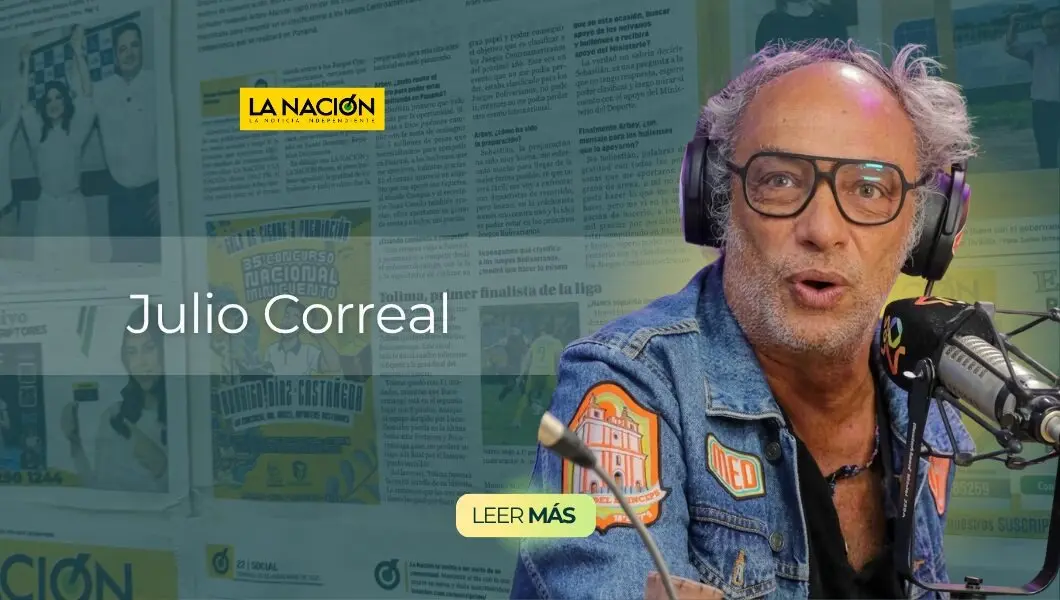
When Rock al Parque was conceived in 1995 under the leadership of cultural managers and local authorities (notably visionary figures like Mario Duarte and Julio Correal), the Colombian concert industry bore little resemblance to today’s landscape.
At the time, Bogotá was grappling with deep-seated social anxieties, high crime rates, and severe stigmatization of youth subcultures. Rock musicians—particularly those playing heavy metal, punk, and underground rock—were frequently viewed with suspicion by authorities, and performance venues were scarce. Independent bands had virtually no bridge to mainstream audiences.
The festival emerged as an antidote to this exclusion. Backed by Bogotá’s District Secretariat of Culture, the inaugural event provided a legitimate, safe platform for local rock bands. It proved immediately that thousands of young people could gather in a public park to listen to aggressive, electric music without violence eclipsing the art.
Phase 2: Regional Consolidation and the Golden Era of Rock en Español (2000–2010)
During the 2000s, Rock al Parque expanded its international footprint. It became a strategic beachhead for the broader Rock en Español movement, acting as a mandatory stop for major touring acts from Mexico, Argentina, Chile, and Spain, while simultaneously nurturing a robust domestic scene.
In 2004, a pivotal moment occurred. Having the privilege of serving as co-director and general co-producer of the festival that year, our team achieved a significant international milestone: securing coverage from CNN. The global news network broadcasted the event to millions, officially designating Rock al Parque as the most important free rock festival in the Spanish-speaking world.
This international validation cemented what local musicians already knew: Bogotá was no longer a peripheral stop on the tour map, but a vibrant epicenter of continental rock culture.
Phase 3: Resilience, Diversity, and the Modern Era (2011–Present)
Over the past decade, the festival has continuously reinvented itself. Recognizing that "rock" is a broad umbrella rather than a rigid sonic box, Rock al Parque successfully integrated sub-genres ranging from punk, metal, ska, and hardcore to fusion, reggae, and electronic rock.
Furthermore, the festival weathered severe economic downturns, administrative shifts, and global disruptions—including the COVID-19 pandemic—emerging each time with its democratic mission intact. Today, reaching its 30th edition places it in an elite tier of global music festivals that have endured for three decades or more while remaining entirely free to the public.
Supporting Data: By the Numbers
The historical weight of Rock al Parque is verified not only by cultural testimonials, but by quantifiable impact:
- 30 Editions: A rare longevity for any music festival, let alone a free public initiative.
- Hundreds of Thousands of Attendees: Annually, the festival draws cumulative attendance numbers running into the hundreds of thousands over its three-day span, filling the vast expanse of the Simón Bolívar Park.
- Thousands of Bands: Over its history, the festival has hosted well over a thousand artistic projects, serving as the definitive career launchpad for generations of Colombian musicians.
- Economic and Social ROI: Studies on cultural economics in Bogotá consistently show that events like Rock al Parque generate significant multiplier effects for the local economy—boosting tourism, hospitality, and transport—while simultaneously reducing urban conflict metrics during festival weekends.
Official Responses and Perspectives
The enduring legacy of Rock al Parque is perhaps best understood through the voices of those who built it, lived it, and continue to defend it.
Cultural administrators and city officials have long pointed to the festival as a model for public-private synergy in the arts. In official statements leading up to the 30th-edition celebrations, the District Secretariat of Culture emphasized that the festival’s longevity is a direct result of Bogotá’s civic identity.
"Rock al Parque does not belong to any single political administration, nor does it belong exclusively to the generation that founded it in the nineties," noted a representative from the festival’s current production committee. "It belongs to the citizens. It is a social pact written in distortion pedals and drumbeats."
Artists who have graced its stages share a similar reverence. Argentine rock icons, Mexican ska pioneers, and homegrown Colombian legends alike have frequently described the energy of the Bogotá crowd as unmatched anywhere else in the world.
"Playing in front of fifty thousand people who know every single word of your songs, in a park where anyone can walk in regardless of how much money is in their pockets—that is a transcendent experience," shared a veteran Colombian rock musician who performed during the festival’s early years. "In many countries, music is a commercial commodity. At Rock al Parque, it feels like a communal right."
Implications: A Masterclass in Urban Citizenship
Why does Rock al Parque matter far beyond the boundaries of musical taste? The implications of maintaining a massive, free, high-production festival for thirty years reach deep into the fabric of modern Latin American sociology.
1. The De-stigmatization of Youth and Counterculture
In the 1990s, long-haired youths in black t-shirts were frequently targeted by law enforcement and marginalized by mainstream society. By integrating rock culture into the official civic calendar, Bogotá’s institutions signaled that alternative youth identities were a valued part of the urban mosaic. The mosh pit became a space not of violence, but of solidarity: if someone falls, hands immediately reach down to pull them back up—a universally recognized unwritten law of the festival.
2. Social Cohesion Across Strata
Bogotá, like many Latin American capitals, has historically struggled with stark economic inequality and geographic segregation. Rock al Parque creates a rare sociological equalizer. Inside the Simón Bolívar Park, socioeconomic stratification (estratos) dissolves. A teenager from a marginalized southern district stands shoulder-to-shoulder with a university student from the northern hills, united entirely by a shared devotion to the music.
3. A Blueprint for Public Cultural Investment
At a time when global arts funding is frequently subjected to austerity cuts, and commercial festivals price out working-class fans, Rock al Parque serves as a living rebuke to the idea that culture must be monetized to be valuable. It demonstrates that municipal investment in the arts yields massive dividends in mental health, community pride, and international city branding.
Conclusion: An Open Invitation to the Decibel Democracy
Organizing an event of this magnitude is no small feat. Behind the visceral thrill of soaring guitar solos and thunderous drumlines lies a grueling, invisible architecture of logistics: sound engineers battling unpredictable Andean weather, exhausted production crews working through the night, municipal workers ensuring sanitation and safety, and cultural managers fighting year after year for budgetary continuity.
As Rock al Parque opens the gates for its milestone 30th edition, the message to the region is clear. This festival survives not merely because of amplifiers and cables, but because generations of Colombians have claimed it as their own.
For anyone who has ever felt the earth shake beneath their feet as a crowd roars in unison, the call is irresistible. If you find yourself in Colombia this weekend, make the journey up to Bogotá. Step into the Simón Bolívar Park, immerse yourself in the sonic waves of Mon Laferte, Apocalyptica, and dozens of other acts, discover the raw energy of new underground bands, and let the timeless classics wash over you.
Rock al Parque does not belong to the past, nor does it belong to any single ideology. It belongs to the people. And as long as the people keep showing up, the music will never stop playing.

Leave a Reply