

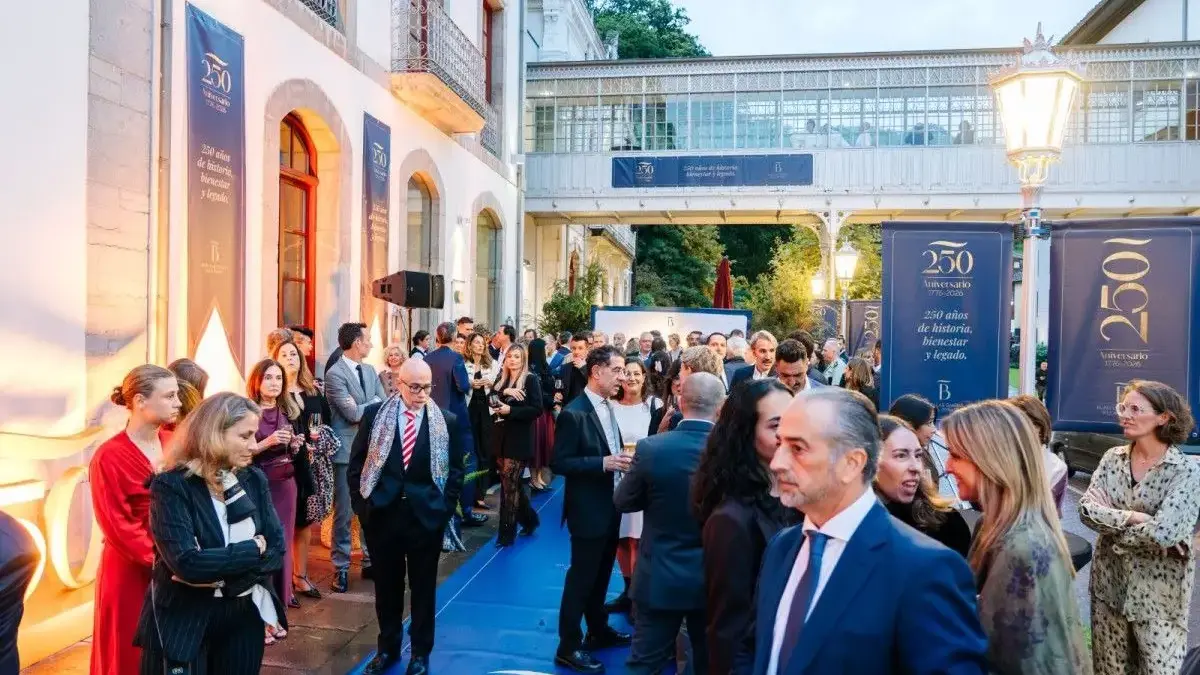
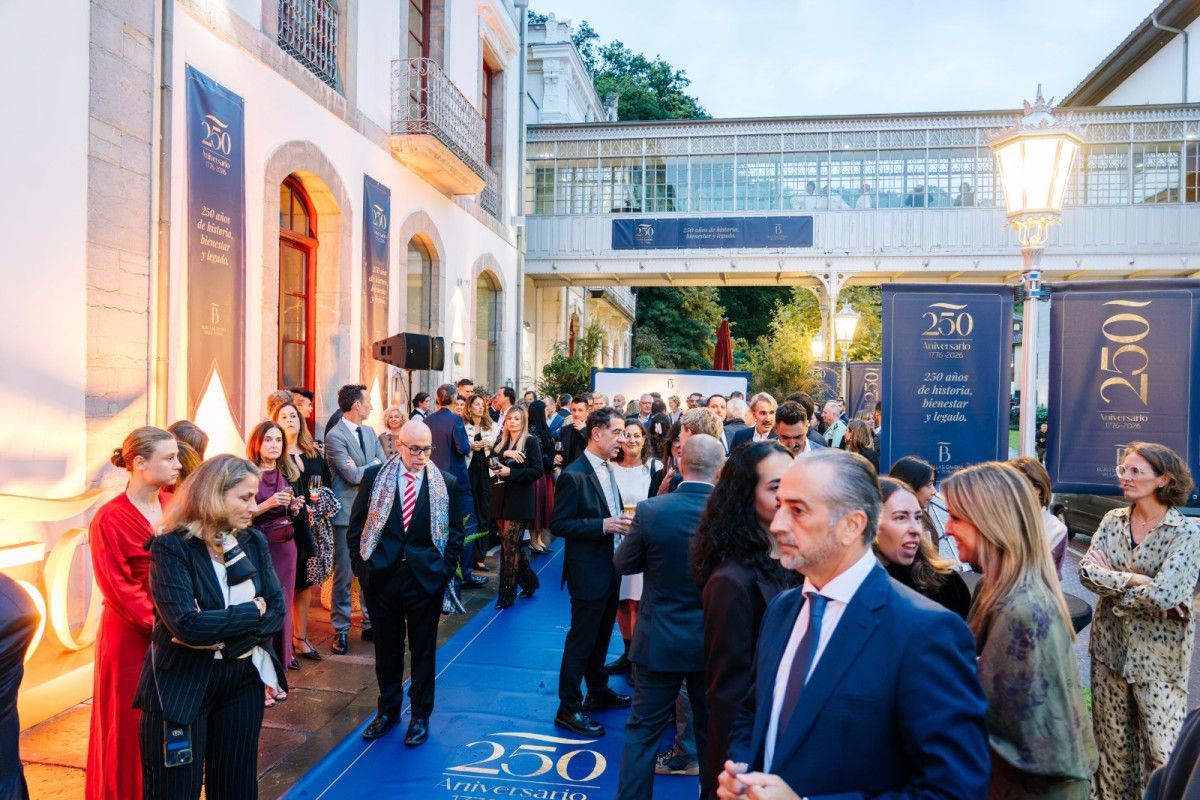
OVIEDO — Amidst the lush, rolling green hills of Asturias and just eight kilometers from the historic heart of Oviedo, the prestigious Blau Las Caldas Villa Termal marked a monumental milestone this past Thursday: its 250th anniversary. The grand celebration brought together a distinguished assembly of institutional, corporate, and athletic leaders to honor a quarter-millennium of uninterrupted history linked to the healing waters of the Nalón River valley.
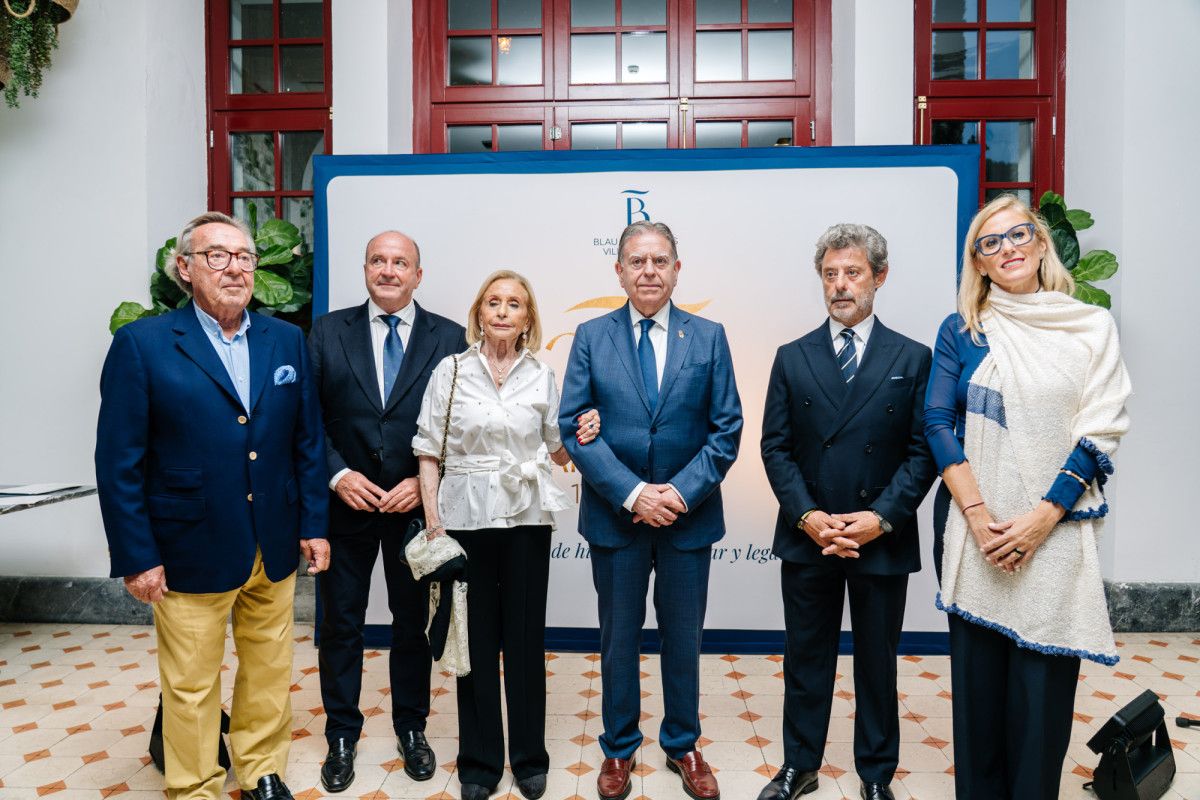
The high-profile event was spearheaded by Jordi Rosselló, president of Blau Hotels (Grupo Roxa), alongside José Velasco, CEO of Blau Hotels, and other members of the corporate executive team. They were joined by prominent figures such as Oviedo’s Mayor, Alfredo Canteli; the Vice-Minister of Tourism for the Principality of Asturias, Lara Martínez; and Javier Martínez, president of OTEA (the Asturian hospitality and tourism association), alongside representatives from regional commerce, sports federations, and the Balearic business community.
The celebration was not merely a retrospective glance at an old hotel; it was a profound affirmation of a cultural and architectural institution that has helped shape the landscape of Spanish tourism.
Main Facts: A Landmark Celebration of Heritage and Luxury
The gala commemorated the historic opening of the original Casa de Baños (Bathhouse) in 1776. Today, the estate has evolved into a premier destination encompassing more than 40,000 square meters dedicated to health, physical conditioning, sports, and natural well-being.
Operated under the umbrella of Grupo Roxa’s hospitality division, Blau Hotels, the resort features a sophisticated dual-hotel offering:
- Blau Gran Hotel Las Caldas (5 Stars): Nestled directly within the historic architectural complex, offering ultra-luxury hospitality.
- Blau Hotel Las Caldas (4 Stars): Designed for contemporary travelers seeking comfort, wellness, and connectivity to nature.
- The Royal Spa & Aquaxana Ecotermal Space: The beating heart of the resort, honoring centuries-old therapeutic traditions through cutting-edge hydrotherapy and wellness treatments.
During the commemorative gathering, Jordi Rosselló delivered a passionate keynote address underscoring the gravity of managing such a historic property. "Today we are not just commemorating the 250 years of a hotel. Today we pay tribute to an institution that forms part of the history of the Principality of Asturias and the history of tourism in Spain," Rosselló stated.
The president of Grupo Roxa emphasized that taking ownership of Las Caldas carries a sacred duty. "Buildings can be bought, but history never. History is received, protected, respected, and transmitted," he noted, outlining the family’s steadfast commitment to generational stewardship.
Chronology: From Enlightenment Innovations to Modern Luxury
The story of Las Caldas is deeply etched into the architectural and social fabric of northern Spain. Its origins stretch back to the Enlightenment, anchored by a legendary thermal spring that continues to gush water naturally at a soothing 40°C (104°F) — virtually in the exact spot where its therapeutic properties were first harnessed in the 18th century.
1. The 18th-Century Genesis (1776)
The modern era of the spa began with the construction of the original Casa de Baños. Commissioned to harness the mineral-medicinal waters flanking the Nalón River, the project was designed following neoclassical blueprints by the legendary architect Ventura Rodríguez and executed by master builder Manuel Reguera. It quickly became a sanctuary for the aristocracy and intellectuals seeking the restorative powers of hydrotherapy.
2. 19th-Century Expansion and Architectural Jewels
As the popularity of thermal bathing surged throughout Europe during the 19th century, Las Caldas underwent major expansions. These additions gave birth to some of the complex’s most iconic architectural features that define its visual identity today:
- The Hall of Mirrors (Sala de los Espejos): A magnificent, ornate salon reflecting the refined social gatherings of the era.
- The Iron and Crystal Walkway: A marvel of industrial-era engineering that artfully blended structural ironwork with luminous glass aesthetics.
- The Casino: Erected at the tail end of the 19th century, it served as a lively social hub for affluent guests visiting the valley.
3. Modern Rehabilitation and the Blau Hotels Era
Following various historical chapters, a meticulous, large-scale rehabilitation project breathed new life into the complex, successfully restoring its historic spa vocation. This paved the way for its acquisition by Blau Hotels.
The integration of Las Caldas into Blau Hotels marked a significant milestone: it represented Grupo Roxa’s very first operational foothold in the Spanish Peninsula, expanding the Balearic-based company’s footprint beyond its native islands (where it operates renowned properties like Blau Colònia Sant Jordi and Blau Punta Reina).
Supporting Data: Infrastructure, Elite Sports, and Economic Footprint
Las Caldas has successfully bridged the gap between classical spa traditions and the demands of 21st-century wellness and athletic tourism. Spanning over 40,000 square meters, the resort is uniquely equipped to serve diverse demographics—ranging from leisure travelers and wellness seekers to elite professional athletes.
The Sports Connection
Over the past decade, Las Caldas has cemented its reputation as a premier high-performance training and recovery sanctuary. Its state-of-the-art facilities, thermal circuits, and serene natural environment have drawn elite athletic institutions, most notably serving as a residential and recovery hub for the Spanish National Football Team (La Selección), as well as various professional cycling, football, and basketball squads.
This athletic synergy is championed locally and regionally. The presence of top sports executives at the anniversary—such as Martín Peláez (President of Real Oviedo) and Fernando Vilabella (President of Oviedo Basketball Club)—highlighted how deeply intertwined the resort is with the regional sports ecosystem.
Corporate DNA: A Family Legacy
Grupo Roxa’s stewardship of Las Caldas is rooted in an 84-year family business legacy. Founded by Jordi Rosselló Andreu in a modest tailor shop in Mallorca, the group has scaled its operations while preserving a deeply human-centric philosophy. As Jordi Rosselló (junior) aptly summarized during the anniversary: "Companies do not make people: it is people who make companies."
Outlining the group’s long-term vision, Rosselló crystallized their operational philosophy into three core pillars:
- Innovate without forgetting the past.
- Grow without losing the core essence.
- Invest with a long-term horizon—thinking not of the next fiscal quarter, but of the next generation.
Official Responses: Institutional Recognition
The 250th anniversary drew glowing commendations from regional and municipal authorities, who praised the property’s contribution to the Asturian economy, cultural preservation, and tourism prestige.
The Regional Government Perspective
Lara Martínez, Vice-Minister of Tourism for the Principality of Asturias, lauded Blau Hotels for maintaining an exemplary balance between modernization and historical conservation:
"Las Caldas is a clear example of the ‘respect-tourism’ that we defend and promote from Asturias: a model that preserves the natural, architectural, and traditional heritage that we want to leave as an inheritance to future generations."
The Municipal Praise
Oviedo’s Mayor, Alfredo Canteli, emphasized the profound emotional and historical bond between the city and the thermal villa:
"Getting here means that Las Caldas has known how to do something very important: maintain its roots, preserve its essence, and know how to look toward the future. This spa forms part of the history of Oviedo, of our heritage, our identity, and this wealth that we often have so close that perhaps we are not fully conscious of its value… I want to make a special recognition to Blau Hotels for their commitment to Las Caldas and Oviedo, and for having understood the enormous potential this complex holds."
The Hospitality Sector Validation
Javier Martínez, president of OTEA (Asturian Hospitality Association), praised the property’s ability to anchor contemporary luxury standards in northern Spain:
"Congratulations on your 250th history, recognizing your masterful capacity to preserve your rich monumental and thermal heritage while consolidating yourself as the great benchmark of luxury and contemporary tourism excellence in Asturias, endorsed at the highest level by guests such as the Spanish National Football Team. Thank you for your daily effort, for your tireless commitment to quality, and for continuing to elevate the Asturias destination day by day."
Implications: The Future of Heritage Tourism in Northern Spain
The 250th anniversary of Blau Las Caldas Villa Termal serves as a powerful case study in sustainable heritage management. In an era where modern hospitality often leans toward rapid, homogenous developments, the Las Caldas model proves that historical authenticity, when paired with high-end international management, can yield a resilient and deeply valued economic asset.
By positioning itself at the crossroads of thermal wellness, ecological tourism, and elite sports recovery, Blau Hotels has future-proofed a 250-year-old asset. The property acts as an economic multiplier for the Oviedo region, driving high-value business tourism, congresses, and high-end leisure travelers to Asturias.
As Grupo Roxa looks toward the next generation of management, Las Caldas stands not just as a monument of stone, iron, and mineral water, but as a living testament to how historical stewardship can successfully intersect with modern luxury hospitality. For Asturias, Las Caldas remains a shimmering beacon—proving that the healing waters discovered in the 18th century are just as vital to the region’s cultural and economic vitality today as they were two and a half centuries ago.



Leave a Reply