

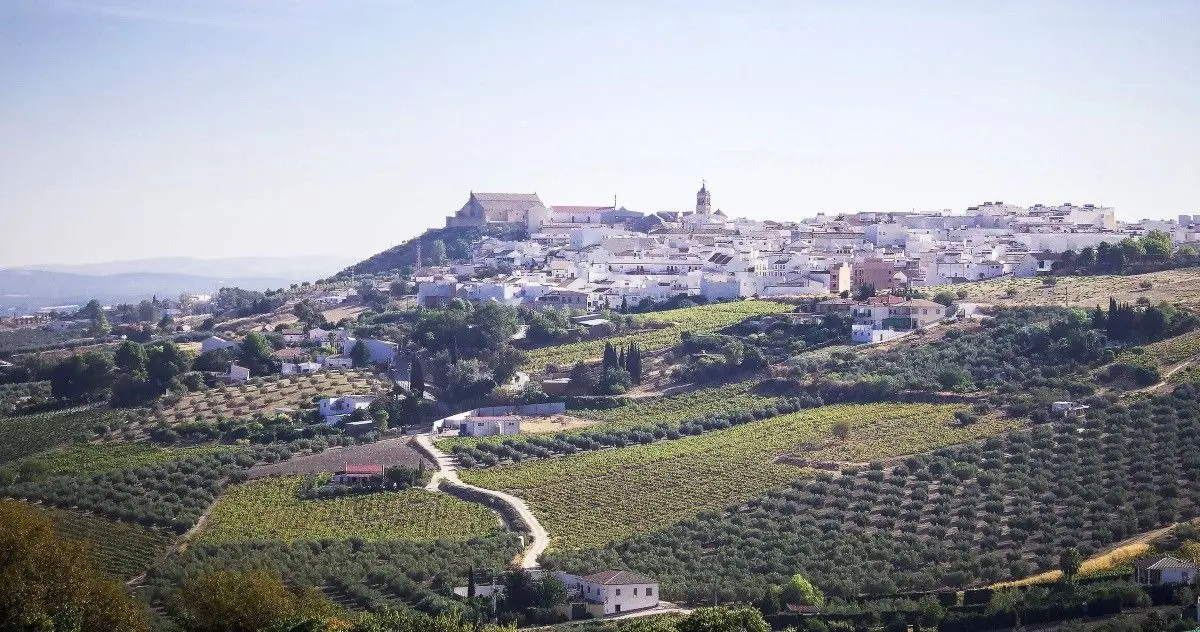
CÓRDOBA, SPAIN — Following a rigorous evaluation of competing bids, the Spanish Association of Wine Cities (Asociación Española de Ciudades del Vino, ACEVIN) has officially announced that the historic municipality of Montilla, nestled in the heart of the Córdoba province, will bear the prestigious title of "Spanish City of Wine 2027" (Ciudad Española del Vino 2027).
The designation marks a milestone for Montilla, a town whose identity is inextricably linked to the cultivation of the vine and the production of world-class fortified wines. As the anchor of the renowned Ruta del Vino Montilla-Moriles, Montilla will step into the national spotlight in 2027, serving as the epicenter for wine tourism, cultural celebration, and heritage preservation across Spain.
1. Main Facts: The 2027 Designation and Montilla’s Viticultural Profile
The announcement was made following a thorough review of proposals submitted by member municipalities of the Rutas de Vino de España (Wine Routes of Spain) club. ACEVIN’s committee evaluated candidates based on their historical commitment to wine culture, the quality and sustainability of their tourism infrastructure, and their capacity to host a year-long national celebration.
What is the "Spanish City of Wine"?
Created by ACEVIN in 2023, the "Spanish City of Wine" initiative was designed to inject dynamic momentum into national enoturismo. It seeks to reward excellence, innovation, and territorial cohesion among Spain’s premier wine-producing regions. The title is awarded annually to a single municipality belonging to the Rutas del Vino de España club—an elite network currently comprising 38 distinct wine routes across the country.
Montilla: A Landscape Carved by Tradition
Situated in the sun-drenched rolling hills of the Campiña Cordobesa, Montilla possesses a viticultural heritage that dates back centuries. It is globally celebrated as the birthplace of the unique Montilla-Moriles Designation of Origin (DO), characterized by its chalky albariza soils and the mastery of its traditional tinaja (clay vessel) aging methods.
The municipality is home to some of the most striking and singular landscapes in the global wine universe, most notably the historic lagares (traditional winepress farms) scattered across the Sierra de Montilla. These architectural and agricultural landmarks not only produce exceptional Pedro Ximénez and Fino wines but also offer visitors an authentic, deeply rooted immersion into Andalusian wine culture.
2. Chronology: The Evolution of Enotourism Accolades in Spain and Europe
To understand the weight of Montilla’s 2027 designation, it is necessary to examine the historical trajectory of wine city recognitions at both the national and international levels.
- The European Blueprint (RECEVIN): The concept of honoring wine-centric municipalities originated as a collaborative European effort. The European Network of Wine Cities (Red Europea de Ciudades del Vino, RECEVIN)—which includes Spain alongside fellow Mediterranean heavyweights Portugal and Italy—pioneered the "European City of Wine" title. This transnational initiative aims to promote the social, cultural, and economic importance of wine regions across the European Union.
- Spain’s Competitive Edge: Spanish municipalities have historically been fierce contenders for the European title. However, because the European designation is awarded on a rotational basis (often every three years for Spain), national stakeholders recognized a gap in recognizing the dozens of other deserving Spanish wine destinations during interim years.
- The Birth of the National Title (2023): To bridge this gap, ACEVIN officially established the "Spanish City of Wine" (Ciudad Española del Vino) in 2023. The creation of this annual award ensures a continuous pipeline of promotion, investment, and tourism stimulation for Spanish wine territories.
- The Coordination Rule: To avoid overshadowing international efforts or creating institutional friction, ACEVIN structured the national calendar with a specific clause: in years when a Spanish municipality is selected to hold the European City of Wine title, the national competition is temporarily paused. This ensures that all spotlight remains unified and that no two Spanish cities find themselves in redundant or competing promotional cycles during the same calendar year.
- The Road to 2027: With Montilla securing the 2027 slot, the municipality enters a multi-year preparation phase. The local government, in collaboration with the Montilla-Moriles Regulatory Council and regional tourism boards, will spend the intervening months upgrading infrastructure, designing cultural programming, and forging strategic partnerships to welcome thousands of enotourists.
3. Supporting Data: The Economic and Tourism Impact of the Wine Routes
The success of Montilla’s candidacy is deeply rooted in the proven economic power of the Rutas del Vino de España club and the explosive growth of domestic wine tourism. According to annual observational data compiled by ACEVIN, enoturismo has transformed from a niche agricultural hobby into a primary economic driver for rural and semi-rural Spanish municipalities.
The Scale of Rutas del Vino de España
- 38 Itineraries: The club encompasses 38 specialized wine routes distributed across various autonomous communities, integrating thousands of associated businesses, including wineries, hotels, restaurants, museums, and interpretation centers.
- Millions of Visitors: Prior to pandemic-era disruptions, wine routes included in the ACEVIN network routinely welcomed over 3 million visitors annually, generating hundreds of millions of euros in direct economic impact for local hospitality and service sectors.
- Extended Stays and Higher Spending: Data consistently shows that wine tourists tend to stay longer and spend significantly more per capita than conventional sun-and-sand tourists. They invest in gastronomy, artisanal goods, guided tastings, and cultural excursions, creating a resilient, year-round economic model that combats rural depopulation.
Montilla’s Local Metrics
For Montilla, the 2027 title arrives at a crucial economic juncture. While agricultural production remains a cornerstone of the local economy, the diversification into experiential tourism has accelerated over the past decade.
- The Ruta del Vino Montilla-Moriles has seen steady double-digit growth in visitor numbers, drawing both national travelers from Madrid, Seville, and Málaga, as well as an increasing volume of international oenophiles seeking authentic, unpretentious Andalusian wine traditions.
- Infrastructure investments, boutique rural accommodations, and specialized wine bars (tabernas) in Montilla have multiplied, laying a robust foundation to absorb the influx of visitors expected during its tenure as the Spanish City of Wine.
4. Official Responses: Voices from Local and National Stakeholders
The announcement has triggered an outpouring of civic pride and strategic optimism among political leaders, tourism officials, and viticultural figures in Andalusia and across Spain.
Municipal Leadership in Montilla
Montilla’s local government hailed the decision as a historic milestone that validates generations of local winemakers, vineyard workers, and hospitality professionals.
"Being named the Spanish City of Wine for 2027 is not merely a recognition of our past; it is a catalyst for our future," noted municipal authorities in an official statement. "For decades, our families have tended the albariza soils of the Sierra de Montilla with sweat, passion, and profound respect for tradition. This title places Montilla where it rightfully belongs: at the very pinnacle of European and national wine culture."
ACEVIN and National Perspectives
Representatives from ACEVIN emphasized that Montilla’s proposal stood out due to its profound authenticity and the comprehensive nature of its community involvement.
"Montilla represents the soul of southern winemaking," remarked an ACEVIN spokesperson during the evaluation briefing. "The municipality successfully demonstrated not only a deep historical lineage in the production of unique fortified wines but also a modern, sustainable vision for how wine tourism can preserve heritage while driving economic vitality."
Winemakers and executives within the Montilla-Moriles Designation of Origin echoed these sentiments, pointing out that the title will amplify the visibility of local varietals—such as Pedro Ximénez—on tables across Europe and beyond.
5. Implications: What the 2027 Title Means for Montilla and Spanish Enotourism
The designation of "Spanish City of Wine 2027" carries profound implications that extend far beyond a single year of celebrations. It serves as a transformative roadmap for urban development, cultural preservation, and economic resilience.
Infrastructure and Urban Regeneration
To prepare for 2027, Montilla is expected to accelerate public-private investments in infrastructure. Plans will likely include:
- The enhancement of signage, walking trails, and cycling routes connecting the town center to the historic lagares in the Sierra de Montilla.
- The modernization of municipal tourism reception centers and the expansion of digital, multi-lingual interpretation tools for international visitors.
- The restoration of architectural heritage sites tied to the wine trade, ensuring that industrial archaeology is preserved for educational and recreational purposes.
Cultural Programming and National Exposure
Throughout 2027, Montilla will serve as the permanent venue for a wide array of national events, including:
- The annual assembly of ACEVIN and meetings of the Spanish Wine Routes network.
- Specialized national congresses focusing on sustainable viticulture, climate adaptation in winemaking, and wine tourism marketing.
- Cultural festivals, harvest celebrations (Fiestas de la Vendimia), masterclasses, and pairing dinners featuring top-tier sommeliers and chefs from across Spain.
A Beacon for Rural Sustainability
Ultimately, Montilla’s tenure as the Spanish City of Wine 2027 reinforces a broader national strategy: leveraging gastronomic and cultural heritage to revitalize Spain’s interior. By turning its viticultural history into an engaging, accessible tourism product, Montilla provides a blueprint for other rural municipalities seeking to harness the power of enotourism.
As the calendar ticks closer to 2027, the eyes of the wine world will increasingly turn toward the white-washed streets and sun-baked hills of Córdoba’s premier wine capital—ready to toast a tradition that has spanned millennia and is poised for a brilliant new chapter.




Leave a Reply