OVIEDO, SPAIN — Nestled in a lush river valley just eight kilometers from the heart of Oviedo, the historic thermal enclave of Las Caldas marked a monumental milestone this week. Blau Las Caldas Villa Termal officially commemorated its 250th anniversary on Thursday, celebrating two and a half centuries since the historic opening of its original Casa de Baños (Bath House) along the banks of the Nalón River in 1776.
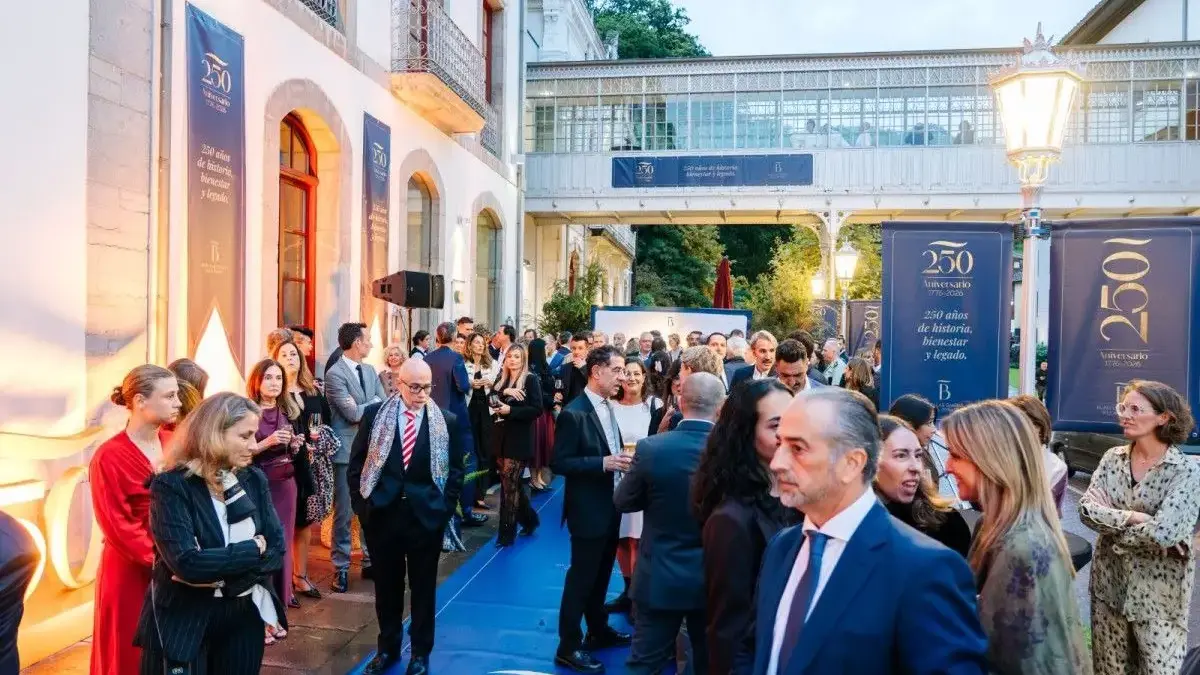
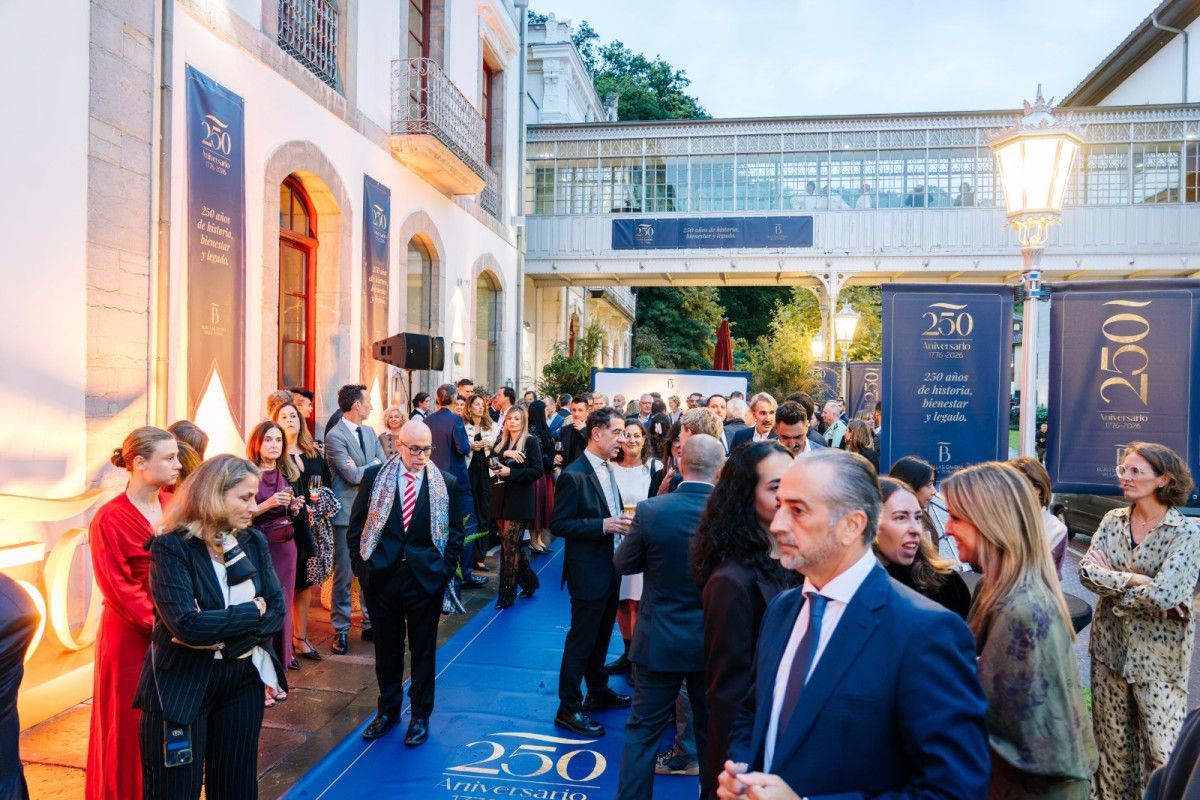
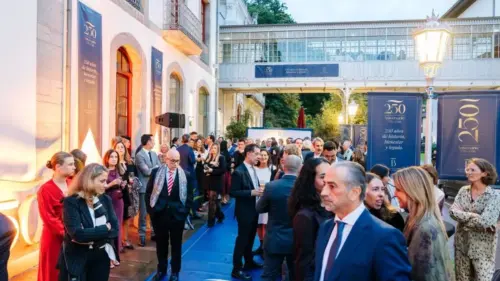
The grand anniversary gathering drew a distinguished crowd of institutional leaders, business titans, sports executives, and media figures from across Asturias and Mallorca. The event served not only as a retrospective of a remarkable institutional journey, but also as a testament to the enduring marriage of historical architectural preservation and contemporary luxury hospitality.
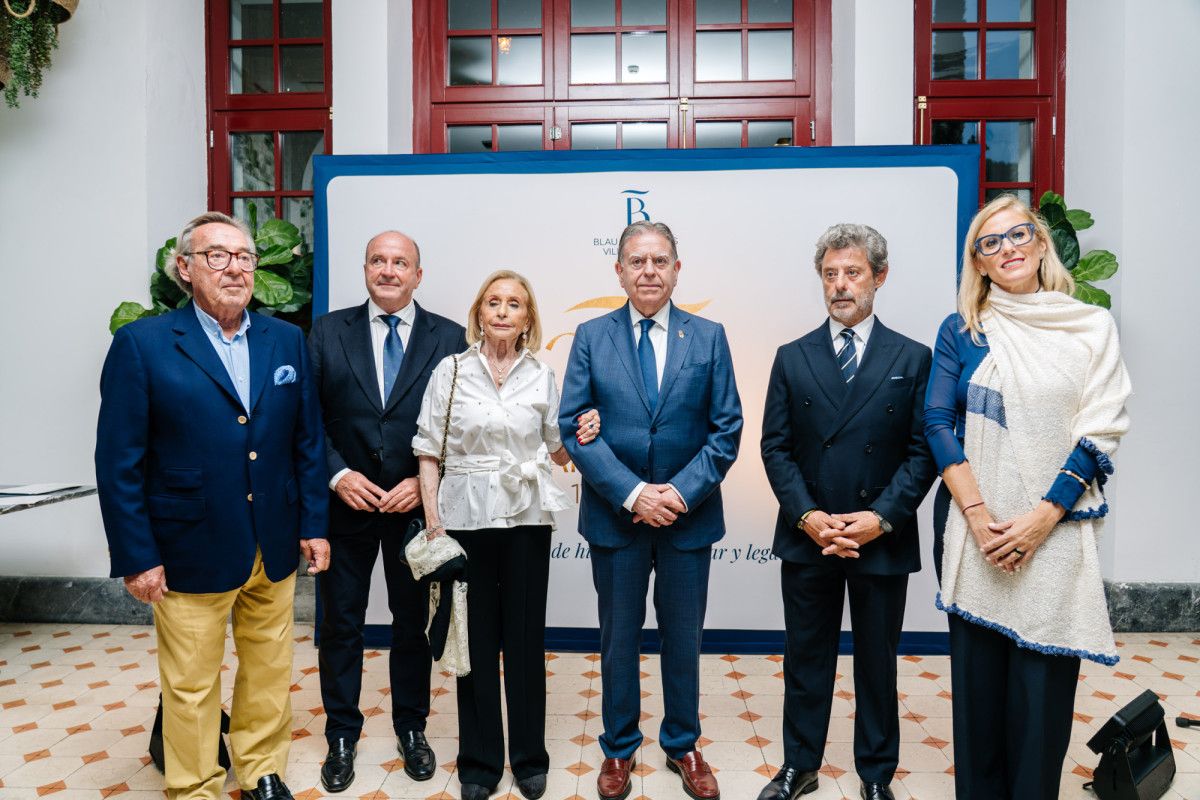
At the helm of the celebrations was Jordi Rosselló, President of Blau Hotels and the parent company Grupo Roxa, alongside José Velasco, CEO of Blau Hotels, and key members of the corporate leadership team. They were joined by high-ranking political and civic dignitaries, including Oviedo Mayor Alfredo Canteli; Lara Martínez, Vice-Minister of Tourism for the Principality of Asturias; and Guiomar García Llano, General Director of Hospitality, Tourism, and Congresses for the City of Oviedo.
Security and military leadership were also heavily represented, featuring Jorge Ignacio Moreno, Superior Chief of the National Police in Asturias, and Lieutenant Colonel Francisco Javier López Alegre, Chief of Operations. The vibrant economic and cultural fabric of the region was spotlighted through the attendance of Javier Martínez, President of OTEA (Asturian Hotel and Tourism Association); Carlos Paniceros, President of the Oviedo Chamber of Commerce; Daniel García, President of Oviedo Congresses; Martín Peláez, President of Real Oviedo; and Fernando Vilabella, President of the Oviedo Basketball Club. A dedicated delegation of Mallorca-based executives and family members also made the journey to northern Spain to partake in the historic festivities.
Main Facts: A Landmark Anniversary for a Spanish Hospitality Institution
The commemoration centered around the transformation of a humble 18th-century thermal spring into a modern, multi-faceted wellness and sports resort. Spanning more than 40,000 square meters dedicated to health, physical activity, and nature, Blau Las Caldas Villa Termal today operates as a premier benchmark for high-end hospitality in northern Spain.
The resort currently comprises two distinct accommodation pillars: the five-star Blau Gran Hotel Las Caldas, situated meticulously within the historic complex, and the four-star Blau Hotel Las Caldas. Alongside these lodging options stand the illustrious Balneario Real (Royal Spa) and the cutting-edge Aquaxana ecothermal space. Together, these facilities bridge centuries of hydrotherapy tradition with modern physiological science, catering to an increasingly diverse clientele that ranges from wellness seekers to elite professional athletes.
In his keynote address, Jordi Rosselló captured the emotional and historical gravity of the anniversary.
"Today we are not merely commemorating the 250th anniversary of a hotel," Rosselló declared to the assembled guests. "Today we pay homage to an institution that forms an integral part of the history of the Principality of Asturias and the history of tourism in Spain."
Rosselló emphasized that for Grupo Roxa—a family-owned enterprise that began 84 years ago in a modest Mallorcan tailoring shop founded by his father, Jordi Rosselló Andreu—taking ownership of Las Caldas was an act of profound stewardship.
"Buildings can be purchased, but history can never be bought," he underscored. "History is received, protected, respected, and transmitted. Our vision is not focused on the next fiscal quarter; it is focused on the next generation."
Chronology: From Neo-Classical Origins to Modern Luxury
The story of Las Caldas is intrinsically tied to the earth beneath it. The resort’s beating heart remains a natural thermal spring that continuously gushes mineral-medicinal waters at approximately 40°C (104°F)—virtually the exact location where its therapeutic properties were first harnessed in the late 18th century.
The Enlightenment and Neoclassical Beginnings (1776)
The institutional journey began in 1776 with the construction of the original Casa de Baños by architect Manuel Reguera, working from a refined neoclassical design envisioned by the legendary Spanish architect Ventura Rodríguez. Commissioned during the Enlightenment, the bathhouse aimed to harness the healing properties of the Nalón Valley waters for the public good, establishing Las Caldas as an early pioneer of organized hydrotherapy in the Iberian Peninsula.
Architectural Expansion and Belle Époque Splendor (19th Century)
As the fame of the thermal waters spread throughout Spain, the complex underwent substantial expansions during the 19th century to accommodate a burgeoning influx of bañistas (spa-goers). This era birthed several architectural landmarks that continue to define the resort’s visual identity today. Among them are the magnificent Sala de los Espejos (Hall of Mirrors), the intricate iron-and-glass pedestrian walkway, and the grand Casino, erected near the close of the century, which served as a social hub for the era’s aristocracy and bourgeoisie.
Renaissance and the Grupo Roxa Era
Following various historical chapters of shifting fortunes, a comprehensive, multi-million-euro rehabilitation project restored the complex to its original thermal vocation. This paved the way for its eventual acquisition by Blau Hotels, marking Grupo Roxa’s first major hospitality venture on the Spanish mainland. Under the stewardship of the Rosselló family, the historic infrastructure was updated with state-of-the-art wellness technology while meticulously preserving its heritage-listed structures.
Supporting Data & Resort Infrastructure
The enduring success of Las Caldas is underpinned by a meticulous balance of vast physical infrastructure and specialized service lines. Key data points defining the property include:
Total Surface Area: Over 40,000 square meters devoted exclusively to health, sport, wellness, and natural surroundings.
Geographical Location: Situated just 8 kilometers southwest of Oviedo, offering a secluded natural sanctuary with seamless urban connectivity.
Thermal Spring Output: Mineral-medicinal waters emerging naturally at approximately 40°C, rich in calcium, magnesium, and bicarbonate—ideal for musculoskeletal and neurological rehabilitation.
Accommodation Capacity: Split between the luxury 5-star Blau Gran Hotel Las Caldas (integrated into the historical compound) and the contemporary 4-star Blau Hotel Las Caldas.
Hydrotherapy & Wellness Facilities: Encompassing the historic Balneario Real and the futuristic Aquaxana ecothermal circuit.
Corporate Philosophy: Guided by the founding tenets of Grupo Roxa: "Innovate without forgetting. Grow without losing your essence. Invest with a long-term horizon."
Official Responses and Institutional Acclaim
The quarter-millennial milestone elicited glowing tributes from political, municipal, and industry leaders, highlighting the profound socio-economic and cultural footprint of the resort within Asturias.
The Regional Government Perspective
Lara Martínez, Vice-Minister of Tourism for the Principality of Asturias, praised the stewardship shown by Blau Hotels in managing such a sensitive cultural asset.
"Las Caldas is a clear example of the ‘respect-tourism’ that we defend and promote from Asturias," Martínez stated. "It is a model that successfully preserves the natural, architectural, and traditional heritage that we wish to leave as an inheritance to future generations."
Municipal Pride from Oviedo
Oviedo Mayor Alfredo Canteli reflected on the deep emotional bond shared between the city and the thermal villa.
"Reaching this point means that Las Caldas has known how to do something very important: maintain its roots, preserve its essence, and look toward the future," Canteli remarked. "This spa forms part of the history of Oviedo, of our heritage, of our identity, and of a wealth that is sometimes so close to us that we perhaps fail to fully realize its value."
Canteli concluded with a direct nod to the current operators: "I want to make a special recognition to Blau Hotels for their commitment to Las Caldas and to Oviedo, and for having understood the enormous potential this complex holds. Thank you for believing in our city."
Industry and Athletic Validation
Javier Martínez, President of OTEA, lauded the resort’s capacity to merge past and present. He commended Blau Las Caldas for "its masterfully demonstrated ability to conserve its rich monumental and thermal heritage while consolidating itself as the great benchmark of luxury and contemporary tourism excellence in Asturias."
Martínez also highlighted the elite validation the resort enjoys, noting that its facilities have regularly hosted high-profile organizations, including the Spanish National Football Team (La Selección), during training camps and recovery retreats.
Implications: A Strategic Vision for the Future
The 250th anniversary celebration was not merely a look backward, but a strategic declaration of intent for the decades ahead. By successfully bridging historical preservation with high-performance sports tourism and luxury wellness, Blau Las Caldas Villa Termal has mapped out a resilient blueprint for heritage hospitality in Europe.
Diversification of the Guest Profile
While the traditional thermal client remains a cornerstone of the business, Las Caldas has aggressively diversified its appeal. Today, the resort functions as a premier sanctuary for professional soccer squads, cyclists, triathletes, and active travelers seeking altitude-adjacent training, physiological recovery, and nature-based itineraries. This sports-centric strategy mirrors successful initiatives deployed at Grupo Roxa’s Balearic properties, such as Blau Colònia Sant Jordi and Blau Punta Reina.
Human Capital as a Core Pillar
During the anniversary symposium, Jordi Rosselló placed heavy emphasis on the human element driving the enterprise. Echoing the core philosophy passed down from his father, Rosselló noted: "Companies do not make people; people make companies." By fostering deep community ties within Asturias and maintaining a dedicated, highly trained local workforce, Blau Hotels has ensured that the operational continuity of Las Caldas is sustained by genuine local expertise and passion.
As Las Caldas enters its second quarter-millennium, it stands as a shining beacon of what can be achieved when corporate vision aligns with historical reverence. In the quiet, mist-laden valleys of the Nalón River, 250 years of healing waters continue to flow—renewed, protected, and poised for generations yet to come.




Leave a Reply