

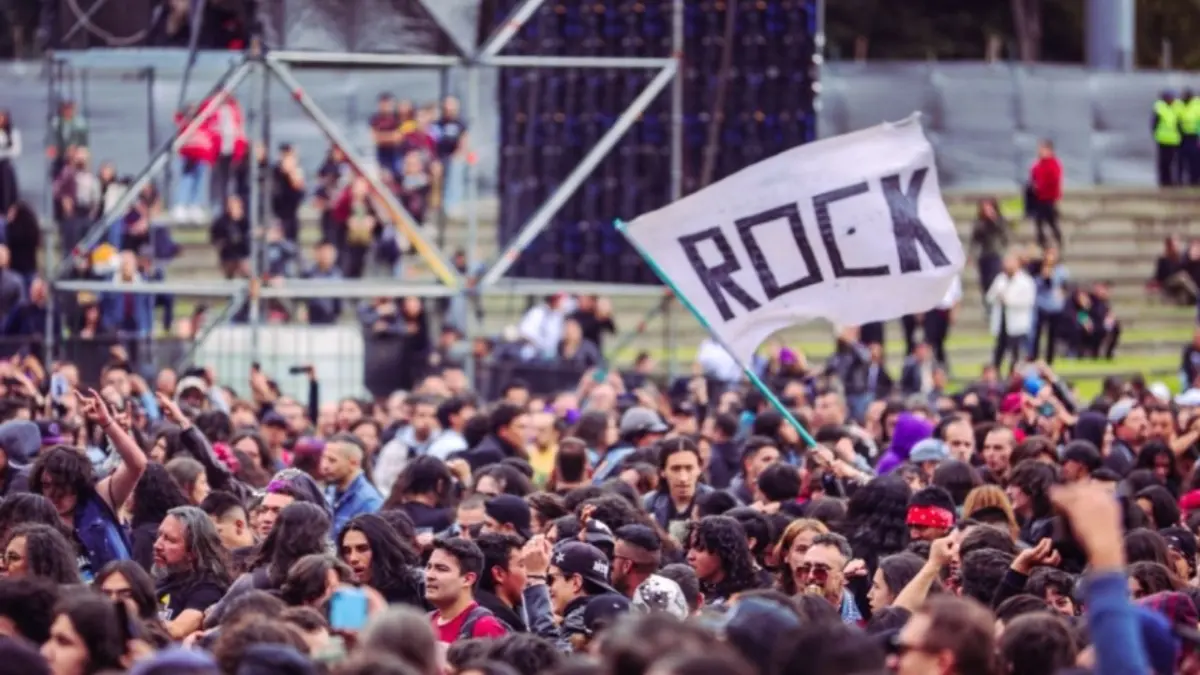
BOGOTÁ, Colombia — The beating heart of Latin American counterculture is once again alive with distortion, blast beats, and thunderous bass as Rock al Parque officially opens its gates for a monumental new edition. Marking three decades of musical rebellion, community, and unyielding passion, the festival has transformed the sprawling green expanses of the Parque Metropolitano Simón Bolívar into a sanctuary for tens of thousands of devotees.
Spanning three action-packed days—running from October 10 to October 12—this landmark 30th-anniversary celebration brings together an eclectic, fiercely curated lineup of over 60 national and international acts. From pioneering metal legends to contemporary indie icons like Mon Laferte and Soda Stereo tribute project Cerati Infinito (or Serú Girán as highlighted in early announcements), the festival continues its proud tradition of offering completely free admission to the public.
As the capital city embraces its identity as "Bogotá Ciudad Rock," this year’s opening day leans heavily into the realms of heavy metal, thrash, doom, and punk, distributed across four distinct stages: Escenario Plaza, Escenario Bio by Vans, Escenario Eco, and Escenario BBC.
Main Facts: A Historic Milestone for Latin America’s Largest Free Rock Festival
Entering its fourth decade, Rock al Parque is no longer just a local music event; it is a cultural institution that has defined generations of Colombians. Established in 1995, the festival was envisioned as a space for peaceful coexistence through music, giving a voice to urban tribes and underground movements that otherwise lacked mainstream platforms.
The 30th-anniversary edition represents a massive logistical and artistic achievement. Across the weekend, the Simón Bolívar Metropolitan Park acts as a global melting pot. Saturday’s inaugural slate alone features heavy-hitting international exports hailing from Sweden, Switzerland, Finland, the United States, and Spain, sharing turf with the finest homegrown talent from Bogotá, Medellín, and across Colombia.
Headlining this year’s powerhouse roster are monumental names in global metal history, including symphonic metal pioneers Apocalyptica (Finland), power metal virtuosos Stratovarius (Finland), Swiss extreme metal architects Triptykon (performing exclusive classics from Hellhammer and Celtic Frost), Swedish death metal veterans Grave, American progressive metal titans Between the Buried and Me, and melodic death metallers Darkest Hour. Naturally, Colombian heavy metal royalty is out in full force, led by the legendary Kraken, alongside thrash stalwarts like Perpetual Warfare and Darkness.
With four stages operating simultaneously, the festival grounds present an overwhelming, exhilarating sensory experience. Organizers have meticulously planned the schedule to cater to both nostalgic veterans of the 1990s metal scene and younger generations discovering extreme music for the first time.
Chronology: Full Saturday Schedule and Stage-by-Stage Lineup
For thousands of attendees meticulously planning their day to avoid overlapping clashes, the official set times for Saturday’s four stages offer a non-stop barrage of high-decibel performances. Here is the complete chronological breakdown for the opening day:
Escenario Plaza
The main stage of the festival hosts some of the most anticipated international heavy metal acts alongside aggressive local and regional talent:
- 2:00 p. m. – 2:40 p. m.: Solegnium
- 2:55 p. m. – 3:35 p. m.: Narcocracia
- 3:50 p. m. – 4:30 p. m.: Vein
- 4:50 p. m. – 5:40 p. m.: Hellbutcher
- 6:00 p. m. – 6:50 p. m.: Burning Witches
- 7:15 p. m. – 8:15 p. m.: Stratovarius
- 8:35 p. m. – 9:20 p. m.: Perpetual Warfare
- 9:45 p. m. – 10:45 p. m.: Apocalyptica
Escenario Bio by Vans
Dedicated to heavier, darker, and more avant-garde sounds, this stage features an incredible lineup culminating in a masterclass of extreme metal history:
- 3:20 p. m. – 4:00 p. m.: Maskhera
- 4:15 p. m. – 4:55 p. m.: Ataque de Pánico
- 5:15 p. m. – 5:55 p. m.: Syracuse
- 6:15 p. m. – 7:05 p. m.: Between the Buried and Me
- 7:20 p. m. – 8:00 p. m.: Valore
- 8:20 p. m. – 9:10 p. m.: Grave
- 9:30 p. m. – 10:30 p. m.: Triptykon (featuring classic tracks from Hellhammer and Celtic Frost)
Escenario Eco
Blending punk ethos, hardcore energy, and blistering metal core, the Eco stage provides a relentless workout for the mosh pit enthusiasts:
- 3:00 p. m. – 3:40 p. m.: No Dependiente
- 3:55 p. m. – 4:45 p. m.: End It
- 5:00 p. m. – 5:50 p. m.: Agua Bendita
- 6:05 p. m. – 6:55 p. m.: Nadie
- 7:10 p. m. – 8:00 p. m.: I.R.A.
- 8:15 p. m. – 9:15 p. m.: Darkest Hour
Escenario BBC
Showcasing the depth and diversity of the Colombian underground rock and metal ecosystem alongside eclectic alternative projects:
- 2:50 p. m. – 3:35 p. m.: Darkness
- 3:50 p. m. – 4:35 p. m.: El EM3
- 4:55 p. m. – 5:40 p. m.: Real House of Hate
- 6:00 p. m. – 6:45 p. m.: Kraken
- 7:05 p. m. – 7:50 p. m.: Info
- 8:10 p. m. – 8:55 p. m.: Pornomotora
- 9:15 p. m. – 10:00 p. m.: Los Setas
Supporting Data: Mobility, Parking, and Logistics
Managing an influx of hundreds of thousands of rock fans over a three-day period requires military-grade logistical planning. City agencies, transit authorities, and festival organizers have released comprehensive data to ensure smooth transitions for attendees arriving at and departing from the Parque Metropolitano Simón Bolívar.
Extended TransMilenio Operations
To prevent attendees from being stranded after the final headliners finish their sets, Bogotá’s mass transit system, TransMilenio, has announced extended operating hours until midnight, with service adjustments tailored to passenger demand across key nearby stations.
Strategic stations and designated routes include:
- Siete de Agosto Station: Operating routes D21, Fácil 4, B12, F32, G12, S42, H17, and H21.
- Movistar Arena Station: Operating routes Fácil 4, B72, D21, C25, H21, L25, and H72.
- CAN – British Council Station: Operating routes Fácil 1, K10, K54, B16, B23, H54, L10, and M86.
- Salitre El Greco – Vive Claro Station: Operating routes Fácil 1, K43, K10, K54, S43, L10, B16, B23, and H54.
Transport officials strongly advise festival-goers to check real-time updates on route availability and station congestion, as crowd surges may necessitate dynamic operational adjustments.
Private Vehicle Parking Infrastructure
For those opting to drive cars or motorcycles to the venue, limited parking infrastructure is available directly on-site. According to data provided by the Instituto Distrital de Recreación y Deporte (IDRD), the official parking lot at the Parque Metropolitano Simón Bolívar features a capacity of 800 vehicles.
- Operating Hours: 5:00 a. m. to 10:00 p. m. throughout the three days of the festival.
- Important Note: The parking service is fee-based. Attendees planning to utilize this option are advised to verify hourly rates, payment methods, and entry regulations directly with the park’s administrative personnel prior to arrival, as spaces are expected to fill up rapidly during early morning hours.
Official Responses and Institutional Statements
The significance of reaching the 30-year milestone has not been lost on the cultural administrators of Bogotá. The festival’s official communication channels have emphasized the unifying power of free public art.
In an official statement released via social media platforms, the festival organizers highlighted the breadth of this year’s offering:
“¡Ya está la programación por días de #RockAlParque30Años! Del 10 al 12 de octubre, el Parque Simón Bolívar recibe a más de 60 agrupaciones. Mon Laferte, Serú Girán, Apocalyptica y grandes nombres nacionales e internacionales. Entrada libre Bogotá Ciudad Rock.”
Municipal authorities have reinforced that Rock al Parque remains a cornerstone of democratic cultural access in Colombia. By removing economic barriers through free admission, the District Secretariat of Culture and IDRD ensure that music of the highest international caliber remains accessible to every socioeconomic stratum. Furthermore, increased collaboration with transit security ensures that the festival maintains its reputation as a safe, inclusive environment where families, veterans, and youth can coexist under the banner of rock music.
Implications: Cultural Legacy and Economic Impact on Bogotá
As Rock al Parque enters its fourth decade, its implications stretch far beyond a simple weekend music festival. Economically, the event acts as a massive tourism engine for Bogotá. Hotels, restaurants, transport sectors, and local vendors experience a substantial surge in revenue as rock tourists from across Colombia, neighboring South American nations, and North America flock to the capital.
Artistically, the festival serves as an irreplaceable springboard for Colombian talent. Sharing a festival bill with legendary acts like Apocalyptica, Stratovarius, and Triptykon validates the hard work of underground national bands like Perpetual Warfare, Kraken, and Maskhera, providing them with world-class stage production, sound engineering, and exposure to massive audiences that can launch international careers.
Socially, Rock al Parque continues to challenge lingering stigmas associated with rock and metal subcultures. For 30 years, the festival has proven that aggressive music does not breed violence; rather, it fosters deep camaraderie, mutual respect, and profound emotional release. The sea of black t-shirts, leather jackets, and waving fists inside the Simón Bolívar park is a testament to a resilient community that has weathered social, political, and economic shifts while keeping the flame of live rock alive.
As the sun sets over Bogotá and the opening chords of Saturday night’s final acts echo across the savanna, Rock al Parque reaffirms its status not just as a festival, but as the eternal soul of a city that lives and breathes rock and roll.

Leave a Reply