

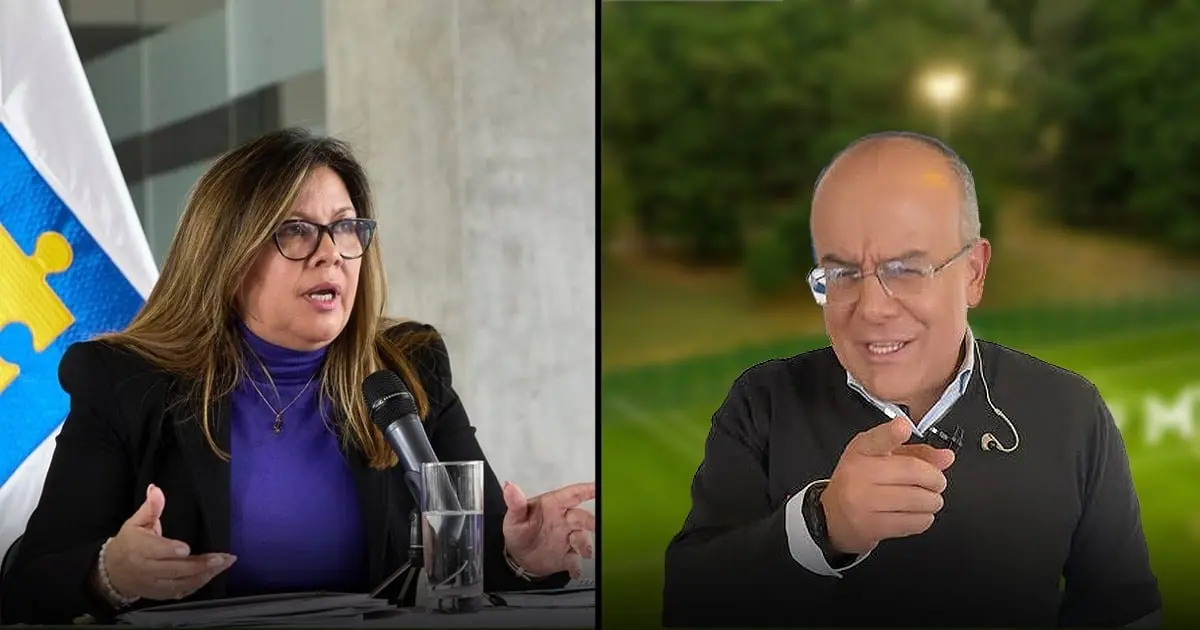
BOGOTÁ, COLOMBIA — In one of the most high-profile and shocking media scandals in recent Colombian history, Ricardo Orrego, the former deputy sports director of Noticias Caracol and a fixture of the nation’s broadcast journalism for over two decades, is facing severe criminal charges. Orrego stands accused of workplace sexual harassment (acoso sexual) and violent sexual acts (acto sexual violento), a series of allegations that could land the 51-year-old journalist in prison for anywhere between eight and sixteen years if he is ultimately convicted.
The case has sent tremors through the Colombian media landscape, not only because of Orrego’s household-name status—having spent nearly 26 years anchoring sports coverage, following the Colombian National Football Team (Gol Caracol), and covering multiple Olympic Games and World Cups—but also due to the formidable, high-powered legal and public relations apparatus assembled to defend him.
1. Main Facts of the Case
The criminal proceedings against Orrego are anchored in a series of disturbing allegations that reportedly span more than a decade. According to information emerging from the preliminary stages of the investigation, the Attorney General’s Office (Fiscalía General de la Nación), under the leadership of Prosecutor General Luz Adriana Camargo, has gathered at least five testimonies from former colleagues and journalism interns. These accusers allege a pattern of workplace misconduct, sexual harassment, and violent sexual acts committed between 2012 and 2024.
The case officially shifted into the judicial phase when the prosecution requested an initial imputation hearing. This crucial procedural step is being scheduled through the Judicial Services Center of Paloquemao in Bogotá.
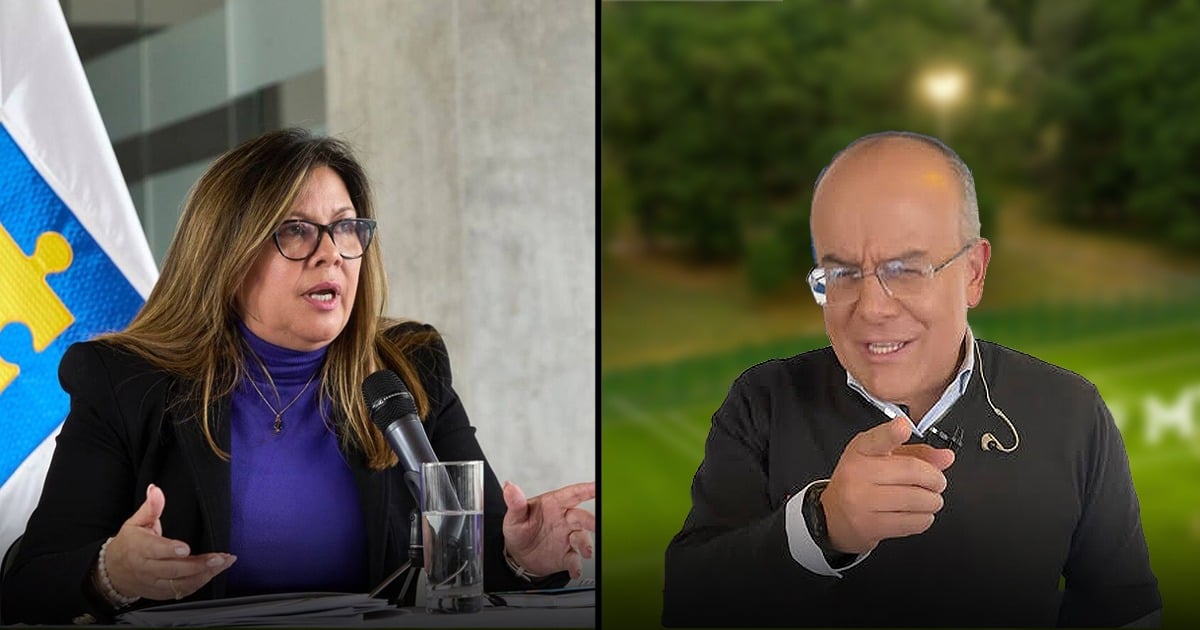
Orrego, a native of Manizales, was abruptly dismissed from Noticias Caracol—and subsequently cut ties with Blu Radio—in March of this year as the scandal broke into the public sphere. Since then, he has maintained a low public profile, supported by his wife, Lorena Ocampo, a fellow journalist and communications professional with whom he shares three children.
2. Chronology of Events
To understand the trajectory of the scandal, it is essential to trace how a celebrated career unraveled and how a robust defense apparatus was rapidly mobilized:
- 2012 – 2024: According to investigative records and victim testimonies, the alleged acts of sexual harassment and assault took place intermittently over a 12-year period within professional broadcasting environments, affecting subordinate colleagues and young interns.
- March 2025: Rumors and internal complaints crystallize into public knowledge. Noticias Caracol and associated media networks face immense pressure, leading to Orrego’s immediate termination as deputy sports director and the end of his multi-decade tenure in mainstream television.
- Mid-2023 / Post-Termination Transition: Julieth Natali Fiallo officially joins Rojas Castro Consultores as a partner, transforming the firm into Rojas Fiallo Consultores & Abogados. The firm quickly secures Orrego’s representation as the legal storm gathers.
- Late 2025 / Early 2026: The defense strategy is finalized through a high-level strategic alliance. Rojas Fiallo Consultores takes charge of the courtroom litigation and legal maneuvers, while Abelardo de la Espriella’s renowned high-stakes firm, De La Espriella Lawyers Enterprise, steps in to manage crisis communications, media strategy, and institutional reputation.
- Present Day: The case awaits its formal imputation hearing at Paloquemao. The defense has made it clear through public statements that Orrego will officially plead not guilty and fight the charges vigorously in court.
3. Supporting Data and Legal Infrastructure
The defense team assembled for Orrego is far from standard; it represents an elite, heavy-hitting coalition of Colombian legal and communication heavyweights.
At the forefront of the courtroom defense is attorney Julieth Natali Fiallo. An Externado University postgraduate with a specialization in tax law, Fiallo previously built her legal pedigree working within the Second Section of the Council of State (Consejo de Estado). In July 2023, she joined forces with Camilo Andrés Rojas—who served as the Vice Minister of Justice during the administration of former President Iván Duque—to form Rojas Fiallo Consultores.

However, what makes this legal defense unique is its structural integration with De La Espriella Lawyers Enterprise. Rather than operating in a vacuum, the case has been meticulously structured through a dual-prong alliance:
- Rojas Fiallo Consultores handles the technical, dogmatic defense inside the courtroom and manages direct interactions with the judicial system.
- De La Espriella Lawyers Enterprise provides an overarching protective shield, orchestrating media strategy, reputation management, and public relations narrative control.
Financial and Institutional Context of the Defense
Public records and state contracting databases reveal that the legal entities linked to this defense network wield substantial institutional influence. Despatches connected to these networks have historically secured major state contracts—including a notable portfolio of six contracts with the Congress of the Republic valued at approximately 4,324 million pesos. The largest single contract in this portfolio was reportedly signed in 2025 with the General Directorate of the Senate, amounting to roughly 1,339.8 million pesos.
This financial and institutional backing has allowed Orrego’s defense to run a sophisticated, proactive campaign. Unlike typical criminal defendants who struggle to manage media narratives, Fiallo has acted as a polished, frequent spokesperson across national radio stations, print newspapers, and legal portals, ensuring that the defense’s perspective on due process and procedural fairness remains front and center.
4. Official Responses and Legal Strategy
From the outset, the defense team has adopted a two-pronged approach: strictly defending legal rights in the judicial arena while fiercely guarding the accused’s public reputation in the court of public opinion.
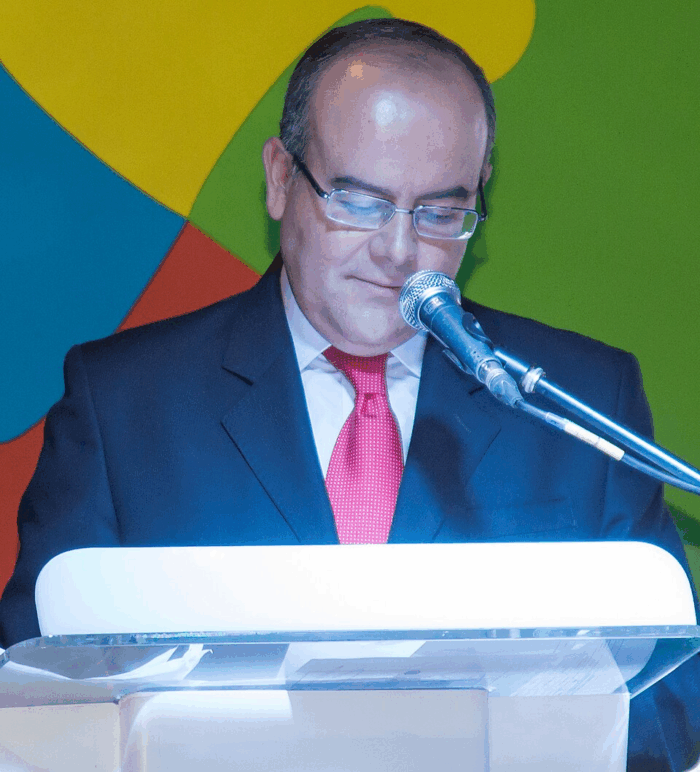
Julieth Natali Fiallo has repeatedly emphasized to the national media that the foundational principle of presumption of innocence must govern the public perception of Ricardo Orrego while the Prosecutor General’s Office conducts its due diligence.
In a formal communication issued on behalf of her client regarding the upcoming imputation hearing, Fiallo stated:
"Mr. Ricardo Orrego will maintain his full disposition to attend to the authorities and contribute to the clarification of the facts. During the upcoming imputation hearing, he will formally plead not guilty, reiterating his absolute willingness to comply with judicial citations, exercise his constitutional right to defense, and legally demonstrate his innocence."
The strategy crafted by the Rojas-Fiallo and De La Espriella alliance seeks to de-escalate the emotional and media-driven momentum of the allegations, pushing the debate away from the court of public opinion and back onto the strict evidentiary standards required by criminal courts.

5. Broader Implications
The criminal prosecution of Ricardo Orrego transcends the fate of a single media personality; it carries profound implications for Colombian society, the media industry, and the mechanics of high-stakes legal defense.
A Watershed Moment for Colombian Media
For decades, sports journalism in Colombia was dominated by untouchable male figures whose institutional longevity insulated them from scrutiny. The fall of Orrego—alongside similar reckonings across Latin American newsrooms—signals a paradigm shift. It demonstrates that #MeToo-era accountability is increasingly penetrating historically protected corporate environments, empowering victims to come forward even against powerful institutional entities and media icons.
The Intersection of Law and Public Relations
The case also highlights the evolving nature of elite criminal defense in Colombia. The formalized synergy between boutique legal firms specializing in penal litigation (Rojas Fiallo) and corporate communication powerhouses (De La Espriella Lawyers) represents a modern blueprint for how public figures attempt to weather catastrophic reputational damage. In high-profile cases, keeping a client out of prison requires just as much strategic media choreography as mastering the procedural codes of the penal system.
As the Centro de Servicios Judiciales de Paloquemao prepares to set the date for the formal imputation hearing, all eyes remain fixed on Bogotá. The legal battle ahead promises to test not only the strength of the prosecution’s evidence against one of Colombia’s most recognizable voices, but also the efficacy of a meticulously engineered legal and public relations fortress.




Leave a Reply