

By Jhoan Sebastián Salazar
Adapted and expanded for international distribution
Main Facts
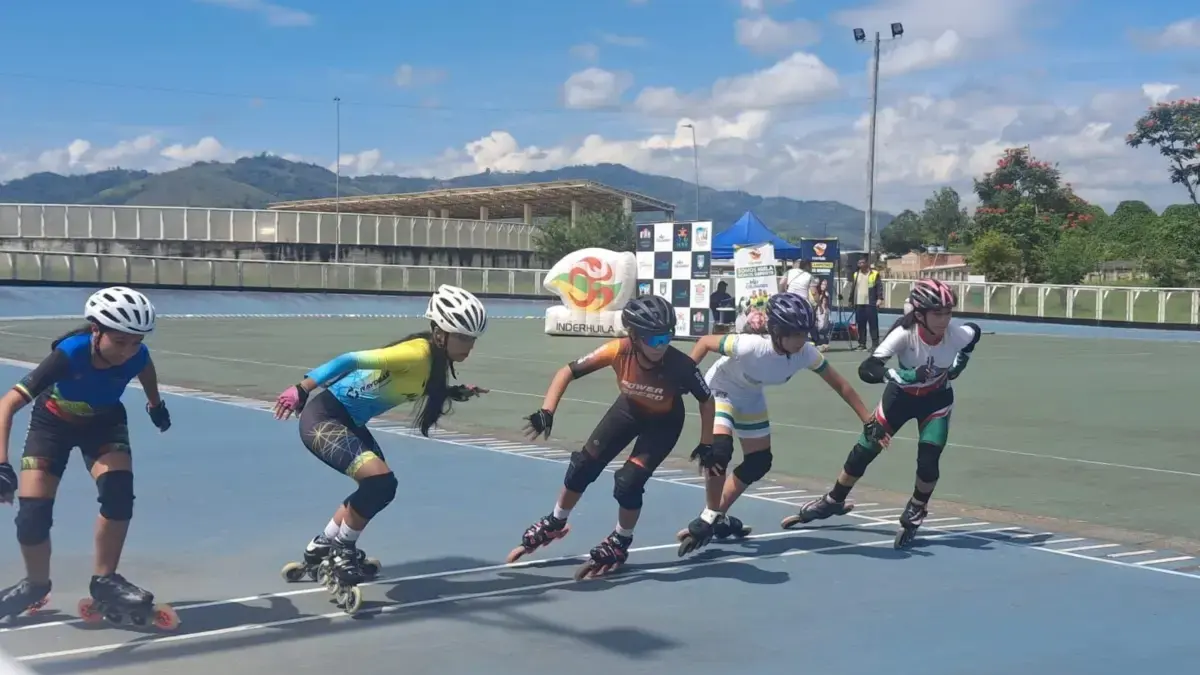
The Department of Huila is entering the decisive, high-stakes final stretch of its intercollegiate athletic calendar. Following weeks of intense competition across multiple municipalities, the Huilense Institute of Sports, Recreation and Culture (Inderhuila) has officially concluded the departmental finals for individual sports within the framework of the 2026 Juegos Intercolegiados (Intercollegiate Games).
This pivotal milestone has successfully established the roster of standout student-athletes who have secured direct qualification for the grand national finals, scheduled to take place in Colombia’s capital, Bogotá, starting November 15.
Concurrently, the departmental sports apparatus is operating at full capacity. While individual champions lock in their tickets to Bogotá, regional sports teams are finalizing their intensive tactical preparations for the upcoming zonal regional phase. This crucial intermediary hurdle will unfold in the municipality of El Espinal, Department of Tolima, slated for October.
Furthermore, a novel competitive structure introduced for the 2026 edition—the regional qualifier—has officially commenced, with the Huilense track and field delegation traveling to Sopó, Cundinamarca, to battle for their national aspirations.
Reflecting on the overall trajectory of the department’s youth athletics, Frank García, coordinator of the Intercollegiate Games for Inderhuila, offered an optimistic and resolute assessment. "We are on the right track in school sports," García stated, capturing the prevailing sense of achievement and forward momentum shared by trainers, educators, and regional sports administrators alike.
Chronology of the 2026 Intercollegiate Pathway
The journey toward the 2026 national school sports pinnacle has been meticulously structured, moving systematically from grassroots municipal competitions to intense departmental face-offs, and finally toward upcoming regional and national showcases.
Phase 1: Departmental Individual Finals (Completed)
The opening major milestone of the current phase concluded with the successful execution of the departmental individual sports finals. Managed directly by Inderhuila, this stage served as the ultimate crucible for the department’s most gifted solo competitors. Across various specialized disciplines, young student-athletes from public and private institutions vied fiercely for the coveted podium spots that guaranteed direct passage to the Bogotá national finals.
According to official updates provided by Frank García, the vast majority of these individual disciplines have successfully wrapped up their schedules, securing a core contingent of the delegation that will wear the Huila colors in November.
Phase 2: The Pending Individual Disciplines (Early October)
While the bulk of individual sports have concluded, a select group of disciplines require final resolution following the official school recess week. Inderhuila has confirmed that the departmental finals for swimming, para-swimming, and boxing are scheduled immediately following the break.
These sports represent high-medal-potential areas for the department. Once these specific events reach their conclusions, the final slots for the Huilense delegation heading to the national capital will be officially sealed, completing the roster for Colombia’s premier school sports showcase.
Phase 3: The Track and Field Regional Qualifier (Late September – October 1)
Marking a notable structural evolution in the 2026 Juegos Intercolegiados, the athletic department has integrated a specialized regional qualifier. The Huilense track and field delegation made their operational debut in this phase, traveling to the municipality of Sopó in Cundinamarca.
This qualifying event runs continuously, providing Huila’s young sprinters, jumpers, and throwers a rigorous platform to measure themselves against top-tier regional competitors and secure their rightful spots in the national finals.
Phase 4: Zonal Regional in El Espinal, Tolima (October 21–30)
Attention now turns toward team sports and the crucial zonal regional phase. The school teams that emerged victorious in Huila’s internal departmental tournaments will carry the departmental banner to El Espinal, Tolima.
Scheduled from October 21 to October 30, this central-southern zonal regional event will gather the finest school institutions from neighboring departments. The objective for Huila’s collective squads is clear: dominate the regional bracket to guarantee the maximum possible representation at the Bogotá national finals.
Phase 5: The Grand National Finals in Bogotá (November 2026)
The ultimate destination for the entire 2026 Intercollegiate apparatus is Bogotá, where the national finals will officially commence on November 15. This elite gathering will assemble thousands of the country’s most promising young athletes, turning the capital into the epicenter of Colombian school sports and providing these teenagers with unprecedented visibility, competitive experience, and potential pathways toward high-performance athletic careers.
Supporting Data and Institutional Framework
The sheer logistical scope of the Juegos Intercolegiados in Huila underscores the profound commitment of regional authorities to youth development. Operating under the strategic direction of Inderhuila, the 2026 edition has placed a heavy emphasis on decentralization, regional inclusivity, and institutional support.
Delegation Composition and Institutional Hegemony
In discussing the team sports landscape, coordinator Frank García highlighted a notable institutional trend within Huila’s athletic ecosystem. While various educational institutions from across the department’s sub-regions have claimed departmental titles, the private Colegio Piaget has once again emerged as a dominant force.
Piaget will contribute the vast majority of the collective squads representing Huila in the upcoming zonal regional in El Espinal. This sustained athletic prowess reflects a sophisticated sports-education integration model that other regional institutions are increasingly seeking to emulate.
However, Inderhuila’s overarching mission remains deeply egalitarian. Through decentralized programs, the sports institute has actively worked to ensure that student-athletes from remote rural zones and marginalized municipalities have equal access to equipment, training camps, and logistical support. This ensures that the departmental delegation is truly representative of Huila’s rich demographic and cultural diversity.
Investment in Infrastructure and Human Capital
The success of Huila’s athletes in sports such as athletics, combat disciplines, and aquatic events is not accidental. Over the past several cycles, Inderhuila has steadily increased investments in localized sports infrastructure, coaching certifications, and talent-identification pipelines.
By identifying promising athletes at the primary school level and guiding them through the intercollegiate structure, Huila has successfully built a sustainable sports ecosystem. This system minimizes the traditional talent drain seen in peripheral departments, encouraging young athletes to remain rooted in their home communities while pursuing athletic excellence.
Official Responses and Perspectives
To understand the operational realities and psychological morale driving the Huilense delegation, the insights of key sports administrators provide invaluable context. Speaking directly to regional media outlet LA NACIÓN, Frank García elaborated on the strategy, expectations, and institutional philosophy steering the games.
Statement from Frank García, Intercollegiate Games Coordinator
Reflecting on the completion of the individual finals, García emphasized both the logistical triumphs and the competitive readiness of the department:
"Inderhuila finished with great success the departmental finals of the individual sports of the 2026 Intercollegiate Games, consolidating a new stage of school sports in the department and defining the qualifiers who will represent Huila in the national final, which will take place in the city of Bogotá starting November 15."
Looking ahead to the completion of the individual roster, García detailed the upcoming timeline for technical disciplines:
"Following the school recess week, the departmental finals of swimming, para-swimming, and boxing will be disputed—sports with which we will complete the Huilense delegation that will travel to the maximum appointment of Colombian school sports."
Addressing the collective sports panorama and the upcoming challenge in Tolima, García expressed high ambitions for the department’s team disciplines:
"Thank God we have already concluded the departmental finals of the team sports, whose champion teams will represent Huila in the central-south regional zonal, which will take place in El Espinal (Tolima) from October 21 to 30. We have high expectations with all the teams; the vast majority are carried by the Piaget school, but we hope, as has been the case in recent years, to be the best department of the regional zonal to take the largest number of teams to the national final."
Finally, regarding the innovative track and field qualifiers currently underway in Cundinamarca, García contextualized the broader social mission of Inderhuila:
"The athletics delegation will face the regional qualifier starting today and it will go until next October 1 in Sopó, Cundinamarca. Inderhuila continues to strengthen and decentralize school sports throughout the department, providing opportunities for children, girls, and young people to project their talent and proudly represent Huila in national scenarios."
Implications for Youth Development and Regional Pride
The ongoing success of the 2026 Juegos Intercolegiados carries profound socio-economic, psychological, and athletic implications for the Department of Huila.
1. Combating Social Vulnerability Through Sport
In a region where youth frequently face socio-economic challenges, structured athletic competition serves as a vital protective shield. By keeping adolescents engaged in rigorous training regimens and competitive pathways, programs like the Intercollegiate Games instill invaluable life skills: discipline, time management, resilience under pressure, and teamwork. Inderhuila’s push toward decentralization ensures these benefits reach beyond affluent urban centers into the most vulnerable corners of the department.
2. Boosting Regional Identity and Pride
When Huilense delegations step onto national stages—whether in the swimming pools and athletic tracks of Bogotá or the team courts of El Espinal—they act as ambassadors of their department’s cultural vitality. Success in these arenas fosters a collective sense of regional pride and unity, rallying communities behind their local teenage athletes.
3. Pathways to Professional and Academic Futures
Crucially, the Juegos Intercolegiados are no longer viewed merely as recreational school tournaments. In modern Colombian athletics, these games serve as the foundational scouting ground for national federations, university athletic scholarship committees, and elite training academies.
For many young Huilenses, a stellar performance in Bogotá this November could translate directly into higher education opportunities, specialized sports sponsorships, and the chance to represent Colombia on international podiums.
As the delegations pack their gear for Sopó, prepare for the swimming and boxing finals, and ready their game plans for El Espinal, the entire department of Huila watches with bated breath. Supported by Inderhuila’s unwavering institutional backing, the region’s youth are not merely competing for medals—they are running, swimming, and fighting for a brighter, more promising future.

Leave a Reply