

Main Facts
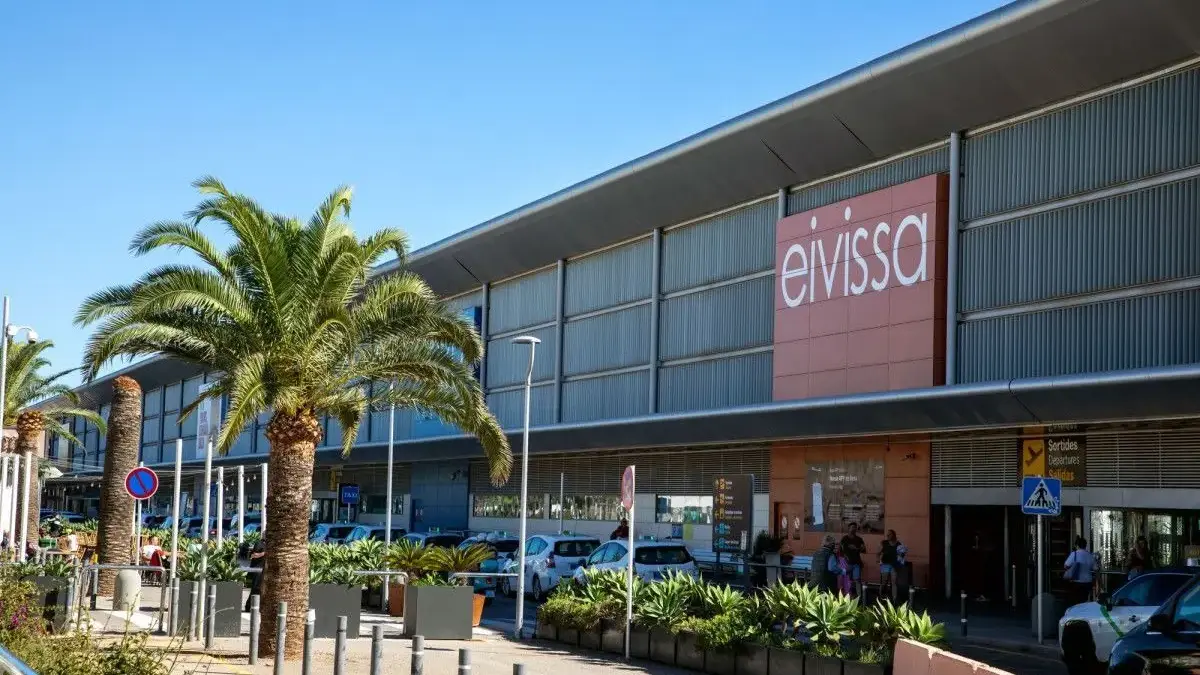
In a decisive move to protect its delicate ecosystem and manage the overwhelming strain of mass tourism, the island of Ibiza is drawing a hard line against infrastructure growth. Vicent Marí, the president of the Consell de Ibiza, announced that the local government will spearhead a unified front comprising all Ibicencan deputies and senators in the national parliament. The primary objective of this bipartisan coalition is to halt any plans by Aena (Aeropuertos Españoles y Navegación Aérea) and the central government to expand the Ibiza Airport if such projects entail an increase in passenger capacity.
The announcement, made during a pivotal plenary session focusing on the island’s tourism model, underscores a rare moment of political consensus. Regardless of political affiliation, local representatives are being summoned to forge a unified stance: infrastructure investments in Ibiza must be strictly channeled toward optimizing existing operations and enhancing the quality of service for residents and visitors alike, rather than fueling a perpetual cycle of exponential tourism growth.
The proposed expansion by Aena has triggered widespread alarm among local institutions, residents, and key economic sectors. By preventing an increase in airport capacity, Ibiza hopes to put a conceptual ceiling on visitor influxes, easing the severe pressure currently exerted on housing, water resources, waste management, infrastructure, and the overall quality of life on the Balearic island.
Chronology of Events
The brewing conflict over the future of Ibiza’s air transport infrastructure is the culmination of years of mounting tension between national aviation strategies and local carrying capacities.
- Pre-2024: The Creep of Overtourism: For years, residents and local authorities noted the unsustainable strain during the peak summer months. Infrastructure designed for a modest seasonal influx began buckling under the weight of millions of annual passengers, prompting serious debates about the island’s carrying capacity.
- Early 2026 (The Aena Proposal): State airport operator Aena unveiled preliminary frameworks and projections involving potential upgrades and expansions to the Ibiza Airport infrastructure. While framed operationally as modernization, local stakeholders immediately identified the implicit threat of increased passenger throughput.
- Mid-2026 (Initial Pushback): As reported previously by industry outlets like Hosteltur, local political forces and influential sectors—most notably the island’s renowned nightlife and entertainment industry—voiced fierce opposition, warning that a larger airport would seal the fate of Ibiza’s natural and social landscape.
- Late September 2026 (The Consell Plenary): During a high-stakes plenary session dedicated entirely to the island’s tourism model, the debate reached a boiling point. Consellera Marilina Ribas presented a motion spearheaded by the Partido Popular (PP), emphasizing that future investments must exclusively improve current services without increasing capacity.
- September 25, 2026 (The Call for a Unified Front): President Vicent Marí formally announced his intention to convene all Ibicencan deputies and senators in the Cortes Generales. This marks the official transition from isolated local complaints to a coordinated, high-level political defense strategy directed squarely at Madrid and Aena.
Supporting Data and Context
To understand why a potential airport expansion is viewed in Ibiza not as an economic triumph but as an existential threat, one must examine the raw data defining the island’s socioeconomic reality.
Ibiza, with a permanent resident population of roughly 160,000 people, absorbs millions of tourists annually. During the peak months of July and August, the population density surges exponentially, pushing municipal services to their absolute limits.
- The Airport Bottleneck: The Ibiza Airport (Aeropuerto de Ibiza – IBZ) handles seasonal traffic spikes that routinely break historical records. In peak summer weeks, hundreds of flights land daily, turning the tarmac and surrounding roads into logistical nightmares.
- Resource Scarcity: Water management is perhaps the most critical vulnerability on the Pionese island. Aquifers are heavily depleted, and desalination plants operate at near-maximum capacity to supply the massive seasonal demand. An expanded airport would inevitably inject more tourists into a territory already struggling with water stress.
- Housing and Cost of Living: The exponential rise in short-term tourist rentals, heavily fueled by easy air connectivity, has priced local workers, public servants, and families out of the housing market. Many essential service workers are forced to sleep in cars, tents, or overcrowded apartments during the summer.
- Infrastructure Stress: Roads, waste treatment facilities, healthcare systems, and electrical grids were engineered for a different era. Every incremental increase in passenger capacity at the airport translates directly into gridlock on the PM-803 and localized service collapses.
Official Responses and Political Alignment
The decision to form a united front has broken traditional partisan divides, uniting political adversaries under the banner of environmental and social preservation.
Vicent Marí emphasized that the upcoming meetings with national parliamentarians will transcend party lines. "We need a single voice in Madrid," Marí stated, signaling that the defense of Ibiza’s territory supersedes political competition. The Consell Insular aims to present an immovable wall of opposition when sitting across the negotiating table from Aena executives and central government ministers.
This sentiment was strongly echoed during the plenary session by the ruling administration and opposition alike. Consellera Marilina Ribas championed the PP’s motion, asserting:
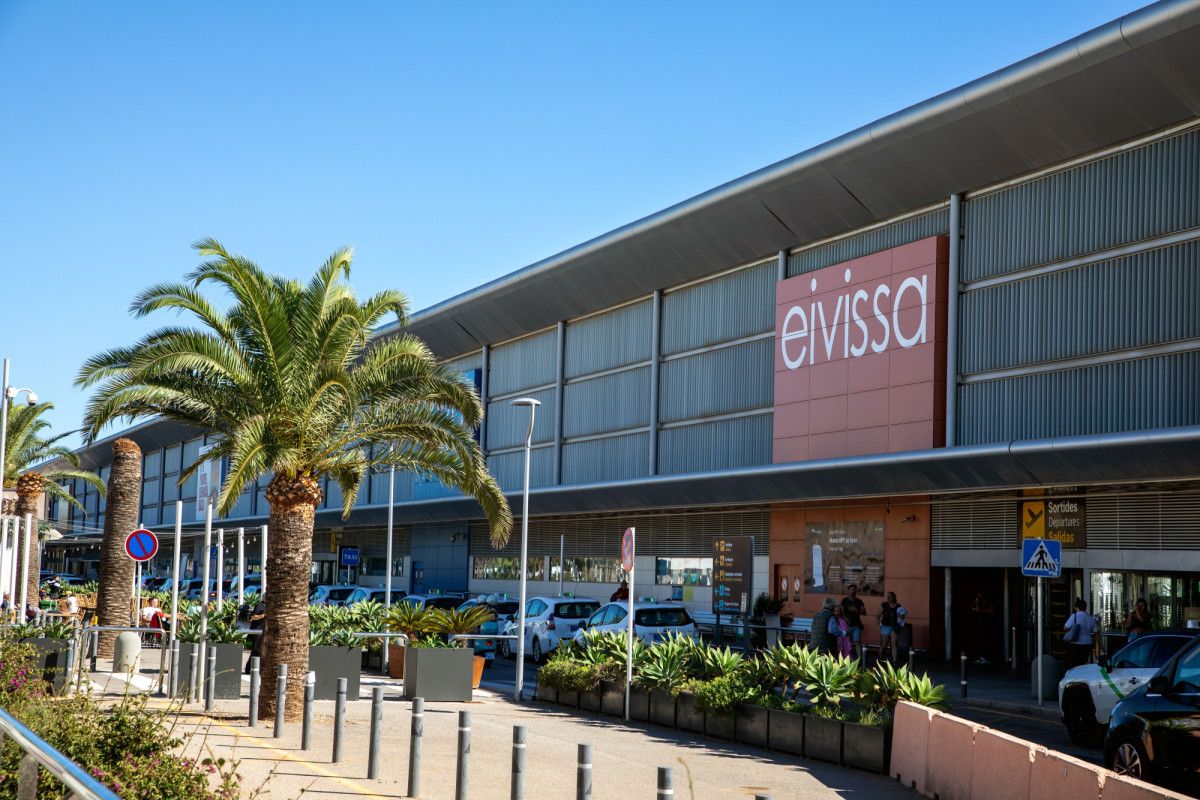
"Investments must improve the service, not increase capacity or generate more pressure on the island."
Significantly, the opposition also stepped up in solidarity. Elena López Bonet, spokesperson for the PSOE (Spanish Socialist Workers’ Party) in the Consell, explicitly reiterated her party’s absolute refusal to back any infrastructure project that drives up passenger thresholds. López Bonet underscored that the Socialists view any capacity-expanding project as an incompatible vector with sustainable tourism policies.
This rare alignment between the conservative-led Consell and socialist representatives in Madrid signals to the central government that bypassing local consensus on this matter will carry a steep political cost.
Implications for the Tourism and Aviation Sectors
The standoff in Ibiza carries profound implications that extend far beyond the Balearic archipelago, serving as a bellwether for the broader European tourism industry.
1. A Blueprint for Anti-Overtourism Resistance
For decades, destinations across the Mediterranean have struggled to push back against centralized state or corporate-driven infrastructure growth that prioritizes volume over sustainability. Ibiza’s strategy—leveraging national representatives to form a bipartisan legislative bloc against state-owned operators like Aena—could serve as a blueprint for other saturated hotspots, from Venice to Majorca.
2. The Clash Between Growth and Sustainability
Aena operates under a mandate of commercial viability, efficiency, and connectivity, which historically aligns with expanding airport capacities to accommodate surging global travel demand. However, Ibiza’s stance forces a fundamental re-evaluation of this model. The local message is clear: unbridled growth is no longer economically or socially viable for small island territories. The metrics of success must shift from quantity (more passengers, higher volume) to quality (high-value visitors, lower environmental impact, improved resident welfare).
3. Fallout for the Local Economy and Entertainment Sector
While hoteliers and certain retail sectors have historically benefited from high volumes of low-cost flights, a broad coalition—including the powerful nightlife and leisure sector—is backing the freeze. These business leaders recognize that if Ibiza loses its environmental appeal, charm, and liveability through over-urbanization and overcrowding, the golden goose will ultimately die. Protecting the island’s carrying capacity is viewed as the ultimate safeguard for its long-term economic prosperity.
As Vicent Marí prepares to assemble Ibiza’s parliamentary delegation, all eyes turn toward Madrid. The upcoming confrontations between local leaders and Aena will test the central government’s commitment to sustainable tourism policies and its willingness to respect the sovereignty of local communities over the pressures of mass aviation.



Leave a Reply