

FRANKFURT, GERMANY — In one of the largest safety campaigns initiated by the automotive giant in recent years, the Volkswagen Group has launched a massive global recall affecting nearly three million vehicles across three of its core brands: Volkswagen, Audi, and SEAT. The voluntary safety action, triggered following exhaustive internal quality controls and subsequently registered with regulatory authorities, addresses a potentially critical defect in the steering system’s fastening hardware that could compromise vehicle control over time.
While the scale of the recall is undeniably vast—encompassing an estimated 2.92 million units globally—both the manufacturer and safety regulators have stressed that the measure is entirely preventive. To date, the company reports zero instances of accidents, injuries, or property damage linked directly to the identified steering issue.
1. Main Facts: The Scope of the Recall and Affected Models
The massive service campaign involves specific high-volume models manufactured over a span of more than a decade. According to data compiled by Germany’s Federal Motor Transport Authority (Kraftfahrt-Bundesamt, or KBA), the global tally stands at approximately 2.92 million vehicles.
Volkswagen-branded vehicles bear the brunt of the recall, accounting for roughly 2.15 million units worldwide. Audi models represent another 700,000 units, while Spanish subsidiary SEAT includes select SUV models in the campaign.
Affected Vehicle Lineups and Production Windows:
- Volkswagen: Golf, Golf Variant, Tiguan, Touran, and Caddy. Vehicles targeted within these lines were produced over a lengthy timeframe, stretching from September 24, 2013, to July 1, 2024.
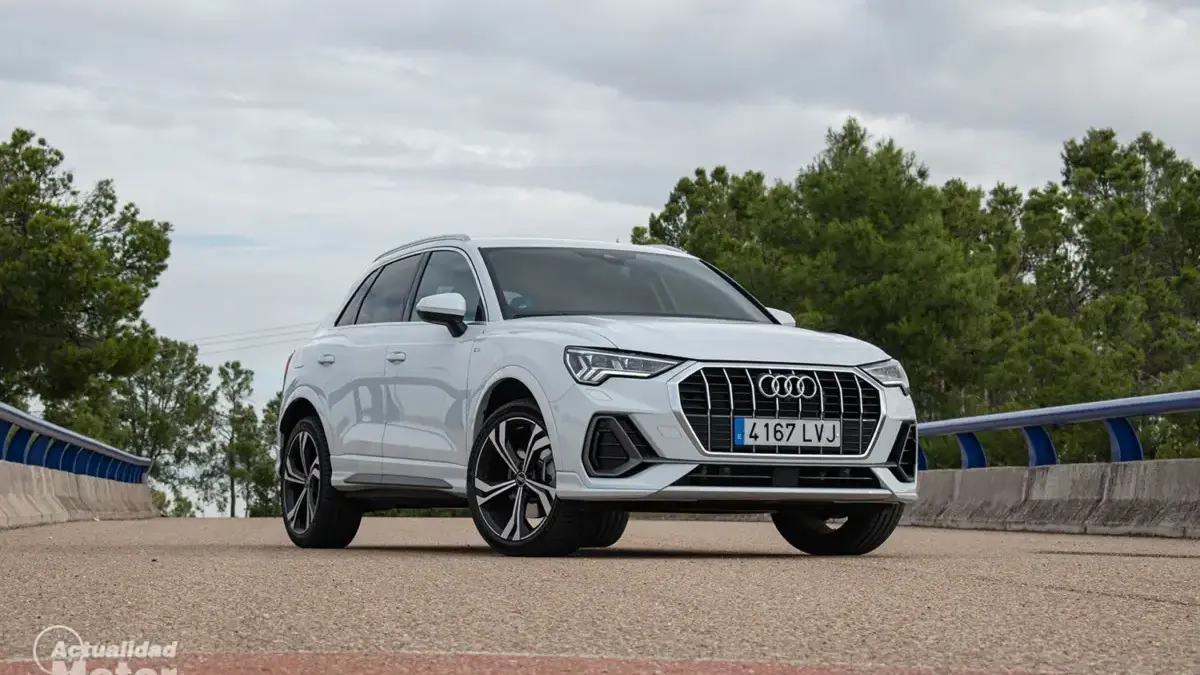
- Audi: The compact luxury SUV, the Audi Q3, manufactured between October 2017 and May 2024.
- SEAT: The Ateca and Tarraco SUVs, produced from April 2016 through September 2024.
Automotive experts emphasize that merely owning a vehicle from these model ranges and production years does not automatically mean it is subject to the recall. Vehicle owners must verify their specific Vehicle Identification Number (VIN)—commonly known as the chassis number—through official dealership networks or manufacturer portals to confirm inclusion.
2. The Core Technical Problem: Corrosion, Moisture, and Road Salt
At the heart of the massive recall is a seemingly small yet critical component: a specialized fastening bolt within the vehicle’s steering assembly.
According to engineering reports submitted to safety authorities, the vulnerability stems from environmental exposure over extended periods of operation. When exposed repeatedly to moisture—particularly combined with the heavy application of de-icing road salts used during winter months in colder climates—the targeted steering bolt is susceptible to accelerated corrosion.
If left unchecked over years of driving, this progressive structural degradation could theoretically weaken the fastening hardware to the point of failure. In an absolute worst-case scenario, a fractured bolt could impair the driver’s ability to steer the vehicle effectively, sharply increasing the risk of a loss-of-control accident.
Volkswagen and Audi engineering teams discovered the anomaly during routine durability testing and internal quality assurance audits. Recognizing the potential for long-term wear and tear, corporate leadership elected to launch the sweeping preventive campaign rather than wait for field failures to manifest.
3. Chronology of Events: From Discovery to Regulatory Notification
The path leading to this nearly three-million-vehicle recall reflects a standard, highly regulated protocol followed by major multinational automakers operating within the European Union and global markets:
- Phase 1: Internal Detection: Volkswagen Group quality assurance auditors identify anomalous wear patterns on specific steering assembly fasteners during standardized long-term stress testing and environmental simulations.
- Phase 2: Engineering Assessment: Technical teams conduct metallurgical and structural analyses to determine the root cause, isolating the issue to specific material sensitivities when exposed to corrosive environmental agents like road salt and persistent moisture over multi-year lifecycles.
- Phase 3: Regulatory Filing: Following internal risk assessments, the Volkswagen Group formally notifies the Kraftfahrt-Bundesamt (KBA) in Germany, initiating the administrative process for a voluntary safety recall. The KBA assigns specific tracking references to monitor the campaign (such as reference numbers 17016R for Volkswagen, 17014R for Audi, and 17017R for SEAT, alongside internal factory codes including 48VS, 48LG, and 48T7).
- Phase 4: Global Rollout and Dealer Notification: Service networks across Europe and international export markets receive technical service bulletins, replacement parts allocation schedules, and diagnostic guidelines.
- Phase 5: Owner Notification and Remediation: Affected registered owners begin receiving official notifications instructing them to schedule appointments at authorized service centers for free-of-charge corrective repairs.
4. Supporting Data and Geographic Breakdown
While the global total hovers around 2.92 million cars, regional figures illustrate the sheer density of these models on European roadways. In Germany alone, the KBA reports that nearly 900,000 Volkswagen vehicles (specifically over 895,000 units) and roughly 58,000 Audi vehicles require attention.
While precise breakdowns for individual export markets—including Spain, where models like the SEAT Ateca and Tarraco are immensely popular—have not been exhaustively detailed by regional ministries, the widespread market penetration of these vehicles guarantees hundreds of thousands of affected units across the rest of Europe.
Key Technical Identifiers for Reference:
- Volkswagen Recall Reference: KBA 17016R / Internal Code: 48VS
- Audi Recall Reference: KBA 17014R / Internal Code: 48LG
- SEAT Recall Reference: KBA 17017R / Internal Code: 48T7
5. Official Responses and Consumer Guidance
In official statements released to the press and regulatory bodies, representatives for the Volkswagen Group have maintained complete transparency regarding the nature of the campaign.
"The safety of our customers and the reliability of our vehicles remain our absolute highest priorities," a company spokesperson stated. "This action is entirely proactive. Through our rigorous quality monitoring systems, we identified a potential long-term component vulnerability. By replacing this fastener proactively, we ensure that our drivers experience zero compromise to vehicle safety down the road."
The automaker has confirmed that all diagnostic checks and corrective repairs will be performed completely free of charge for vehicle owners. The physical remediation process is relatively straightforward for trained technicians: the susceptible bolt is removed and replaced with an updated component manufactured from materials explicitly selected to resist environmental corrosion and oxidation.
What Affected Owners Should Do:
- Locate the VIN: Find the 17-digit Vehicle Identification Number (VIN) on the vehicle’s registration document (V5C or equivalent), the lower corner of the front windshield, or inside the driver’s side door jamb.
- Check Status: Contact an authorized brand dealer (Volkswagen, Audi, or SEAT) or utilize the official brand web portals to run the VIN through the safety recall database.
- Await or Schedule Notice: While registered owners will receive official communication by mail in accordance with regulatory guidelines, proactive owners do not need to wait for the letter to schedule an appointment if their VIN is confirmed as affected.
- Complete the Repair: The actual time required in the workshop is minimal, and dealerships are coordinating parts supply chains to ensure swift turnarounds.
6. Broader Implications for the Volkswagen Group
This large-scale service campaign lands at a delicate corporate juncture for the German automotive conglomerate. The Volkswagen Group has been actively navigating comprehensive internal restructuring programs, stringent cost-reduction strategies, and complex technological transitions across its European manufacturing footprint.
Managing a logistical undertaking of this magnitude—coordinating millions of notification letters, manufacturing and distributing replacement hardware kits, and scheduling workshop capacity across thousands of authorized dealerships worldwide—requires immense administrative and financial resources. However, automotive analysts note that swift, transparent handling of preventative safety recalls is essential for maintaining brand equity and consumer trust, particularly in competitive segments dominated by family hatchbacks, practical estate cars, and versatile SUVs.
Ultimately, for the nearly three million drivers whose vehicles fall within the affected production windows, the message from the manufacturer is reassuring: the issue has been identified, a permanent engineering solution is ready, and the remedial service will be executed swiftly and without financial burden.

Leave a Reply