

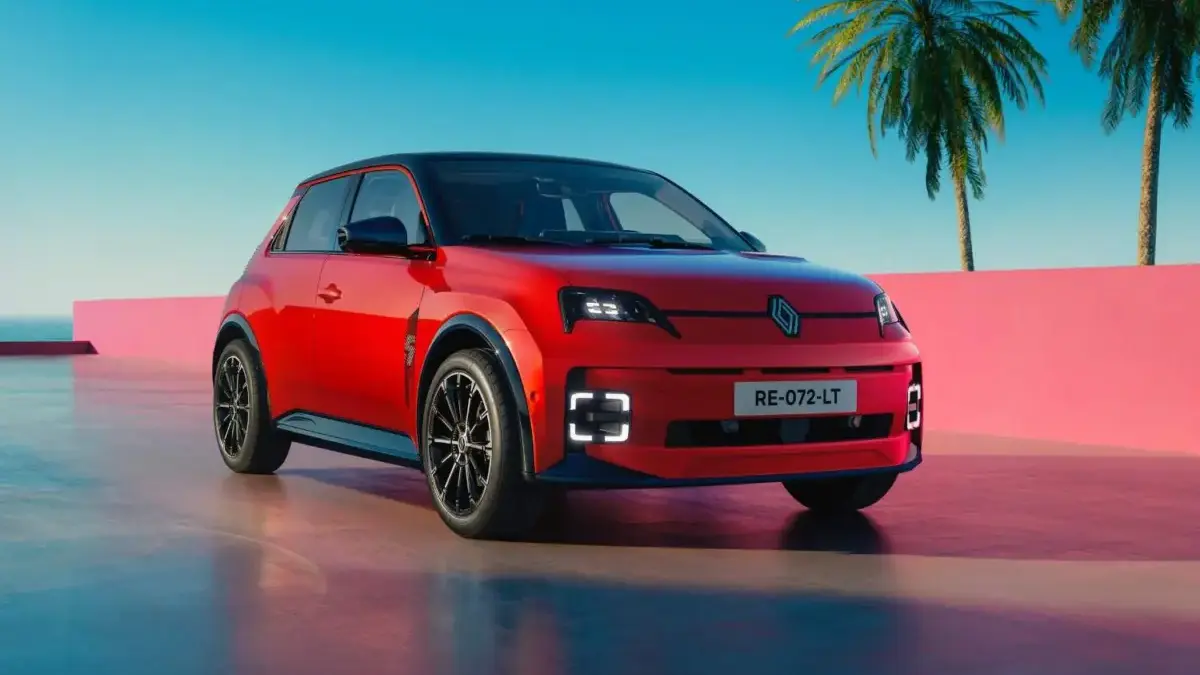
PARIS — The automotive landscape continues to evolve at a relentless pace, and few vehicles have captured the modern imagination quite like the revived, all-electric Renault 5. Blending nostalgic retro-futurism with cutting-edge zero-emission technology, the Renault 5 E-Tech is already undergoing its first major model-year update.
Renault has officially opened order books in Spain for the revised lineup ahead of its high-profile public debut at the Paris Motor Show. Crucially, this latest evolution honors the iconic silhouette that made the electric hatchback a runaway success, choosing instead to focus under the skin and inside the cabin. Rather than inflating battery pack sizes and adding unnecessary weight, Renault’s engineers have focused on thermal efficiency, aerodynamic optimization, and power electronics to stretch every single kilowatt-hour further.
Simultaneously, an unprecedented wave of consumer demand has sent shockwaves through the French manufacturing ecosystem. The sheer popularity of the vehicle has forced Renault’s historic Douai plant to reinstate a full three-shift operational model, underscoring the triumph of the brand’s "Renaulution" strategic plan.
1. Main Facts: What’s New in the 2026 Renault 5 E-Tech?
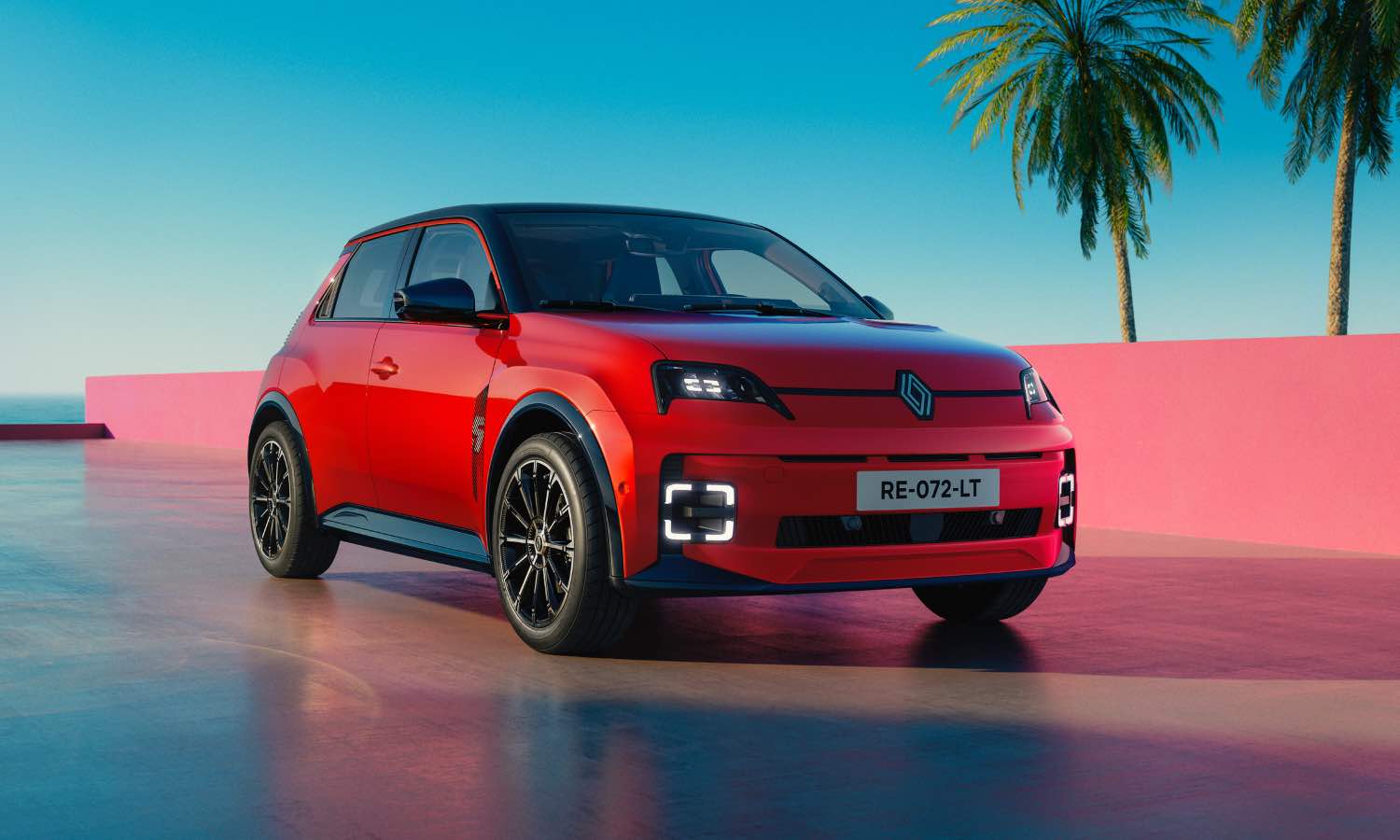
The core architecture of the Renault 5 E-Tech remains fundamentally intact, retaining the muscular haunches, upright front fascia, and playful proportions that pay homage to the legendary original R5 of the 1970s and 80s. However, the 2026 update brings tangible refinements to range, efficiency, in-car technology, and aesthetic customisation.
Efficiency Yields Extended Range
Renault has resisted the temptation to drop massive, heavy battery packs into the chassis. Instead, the French automaker has eked out extra kilometers through targeted engineering improvements:
- The 40 kWh Battery (120 hp motor): WLTP range creeps up slightly from 312 km to 315 km. While modest, this increase provides an extra safety margin for daily urban and suburban commuting.
- The 52 kWh Battery (150 hp motor): A more substantial leap takes the range from 410 km up to 430 km WLTP, significantly boosting long-distance touring viability.
Renault attributes these efficiency gains to optimized underbody aerodynamics, redesigned side mirrors to reduce drag, and recalibrated battery thermal management software.
Trim Levels and Future Additions
The refreshed lineup is distributed across distinct trims tailored to different buyer profiles:
- Evolution & Techno: Available with both the 40 kWh and 52 kWh battery configurations.
- Iconic Cinq & Roland-Garros: Exclusive to the higher-capacity 52 kWh battery configuration.
- The "Five" Entry-Level Variant: Set to arrive at a later date, this entry model will feature a 36,5 kWh LFP (Lithium Iron Phosphate) battery, an 110 hp motor, and an estimated WLTP range of 305 km. Pricing and immediate order availability for the Five remain unconfirmed.
Interior Upgrades and Connectivity
Inside the cabin, the updates are subtle yet meaningful:
- Aesthetic Refinement: The iconic cinq trim replaces its previous marbled-yellow upholstery with a sophisticated marbled-blue textile.
- Advanced Charging: The Qi2 wireless smartphone charger is now magnetically aligned and actively refrigerated, capable of restoring up to 50% of a mobile device’s battery in under an hour.
- Safety Protocols: The vehicle’s mandatory e-Call emergency response system has been upgraded to run on high-speed 4G networks.
- Software and AI Integration: The Smart driving mode replaces the older Perso setting, autonomously shifting between Eco, Comfort, and Sport profiles based on real-time driving patterns. Furthermore, the physical Multi-Sense button has been removed from the steering wheel, shifting manual profile selections entirely to the OpenR Link central touchscreen. Google Assistant is slated to be replaced by Google’s advanced Gemini AI via a future over-the-air (OTA) software update.
2. Chronology: The Journey of the Renault 5 E-Tech
To understand the significance of this current update, it is essential to trace the vehicle’s rapid ascent from concept car to European bestseller:
- January 2021: Renault CEO Luca de Meo unveils the "Renaulution" strategic plan, featuring a striking yellow prototype of the Renault 5 Prototype. The overwhelmingly positive public reaction greenlights the project for production.
- February 2024: The production-ready Renault 5 E-Tech makes its global debut at the Geneva International Motor Show, stunning critics with its faithful translation of retro styling cues into a modern EV architecture (AmpR Small platform).
- Spring – Summer 2024: Order banks open across select European markets. Demand outpaces initial internal projections, particularly in France and neighboring Western European countries.
- Late 2024 – August 2026: Deliveries scale up. The vehicle rapidly climbs sales charts, accumulating nearly 27,000 registrations in France alone during the first eight months of 2026, securing its position as the second best-selling electric vehicle in the French market.
- October 2026: Renault announces the first major model-year update (MY2026), bringing range enhancements, updated interior tech, and exterior color additions.
- October 12–18, 2026: The updated Renault 5 E-Tech takes center stage at the Paris Motor Show, where the public can inspect the revised trims, colors, and features firsthand.
- Late 2026 / Early 2027: Order books open internationally (including Spain), while production lines at the Douai facility run at maximum capacity to tackle mounting backlogs.
3. Supporting Data: Pricing, Financial Structures, and Specifications
Navigating the pricing structure of the Renault 5 E-Tech requires separating Maximum Recommended Retail Prices (MSRP) from heavily subsidized promotional entry points.
Spanish Market Recommended Retail Prices (MSRP)
Prices listed below include local VAT and standard transportation fees:
- Evolution (40 kWh / 120 hp): €28,085
- Techno (40 kWh / 120 hp): €30,085
- Evolution (52 kWh / 150 hp): €31,085
- Techno (52 kWh / 150 hp): €33,085
- Iconic Cinq (52 kWh / 150 hp): €35,085
- Roland-Garros (52 kWh / 150 hp): €36,585
Promotional "From" Tariffs
Renault’s marketing collateral frequently highlights much lower starting figures: €20,170, €21,980, €22,880, €24,690, €26,500, and €27,860 respectively. However, automotive analysts emphasize that these figures are heavily conditioned. They rely on a combination of captive financial promotions, manufacturer-backed environmental bonuses, European carbon credit trading schemes (CAE), and specific national vehicle scrappage/incentive programs (such as Spain’s Auto+ initiatives). They do not represent unconditioned cash purchase prices.
Exterior Customization and Color Palettes
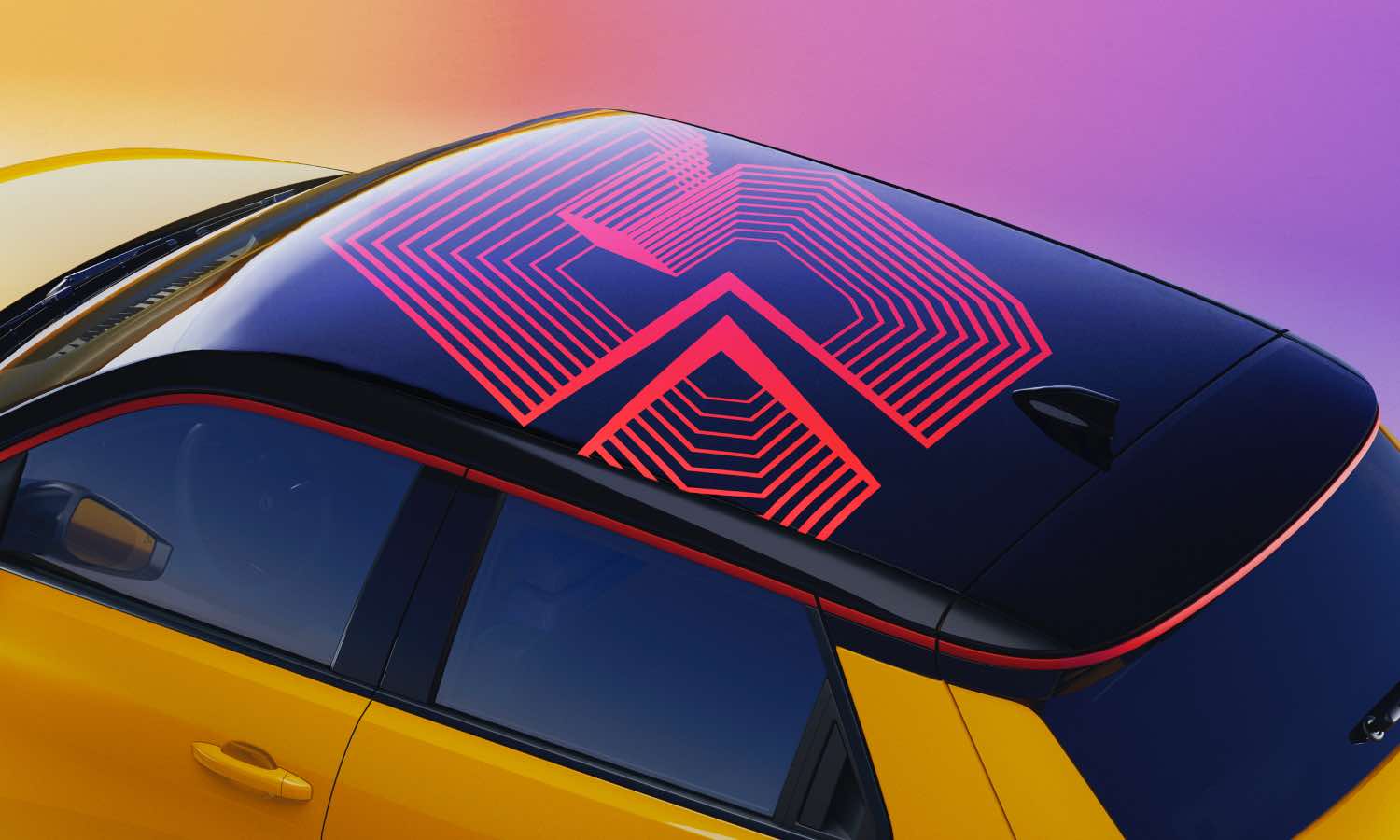
The 2026 model year introduces two new paint options to the catalog: Slate Grey Metallic and Desire Red. Buyers can also opt for contrasting Gloss Black roofs, striking red or gold exterior body moldings, and bold Vibrant5 or Hyper5 graphic adhesive packages. Furthermore, the 17-inch alloy wheels on the Techno trim can now be specified with a distinctive gold finish on both Techno and Iconic Cinq models.
4. Official Responses and Industrial Impact: The Douai Phenomenon
The commercial success of the Renault 5 E-Tech has created a high-class problem for Renault’s industrial planners: managing a massive production backlog.
Restoring the Three-Shift Model at Douai
Located in northern France, the Douai manufacturing facility has experienced a remarkable resurgence thanks to the electric hatchback. To cope with the overwhelming influx of orders, plant management has officially reinstated a full three-shift operational schedule.
To support the demanding production targets, Renault has brought in approximately 350 temporary workers to bolster the night shift, which had previously been operating at only half-capacity.
Production Targets and Factory Ecosystem
- Current Goal: The plant is currently calibrated to roll out approximately 1,200 vehicles per day.
- Scalability: If market demand holds or accelerates, plant executives project output could scale up to 1,300 or 1,400 units daily.
- Hub of Electrification: Douai has transformed into a cornerstone of the Renault Group’s EV strategy. Alongside the Renault 5 E-Tech, the industrial lines also manufacture the Mégane E-Tech, Scénic E-Tech, the sporty Alpine A290, as well as alliance-partner models like the Nissan Micra and Mitsubishi Eclipse Cross.
The Downside of Success: Delivery Lags
The direct consequence of this unprecedented commercial demand is an extended waiting period for customers. Buyers placing orders for a Renault 5 E-Tech face delivery timelines stretching into early 2027. Renault’s logistics and manufacturing divisions are actively working to optimize supply chains and streamline assembly times to bring these waiting periods down, though company insiders note that additional permanent hiring may be required if the current sales trajectory continues unabated.
5. Strategic Implications for the European EV Market
The trajectory of the Renault 5 E-Tech offers crucial insights into the broader European electric vehicle market:
- The Power of Design and Nostalgia: The automotive sector has learned that consumers are willing to embrace electrification faster when vehicles evoke emotional connections rather than purely clinical, futuristic aesthetics. The retro-modern approach of the R5 has proven to be a masterstroke.
- Efficiency Over Battery Bloat: As battery raw material costs and vehicle weight remain critical industry hurdles, Renault’s strategy of optimizing software, aerodynamics, and thermal management to squeeze extra range out of smaller packs sets a compelling precedent for the B-segment.
- The Resurgence of European Manufacturing: Amid widespread anxiety regarding the competitiveness of European automotive plants against Asian imports, the Douai facility demonstrates that localized, high-volume production of affordable EVs remains viable—provided the product hits the emotional and financial sweet spot of the consumer.
As the Renault 5 E-Tech takes center stage in Paris, it stands not just as a refreshed product, but as a symbol of industrial resilience and consumer enthusiasm in Europe’s ongoing transition toward sustainable mobility.

Leave a Reply