


Main Facts: The Physiology of Aging and Body Composition
The pursuit of fat loss is often compared to the pursuit of happiness—a universal human endeavor characterized by relentless searching, yet plagued by a widespread misunderstanding of how to achieve true success. As human beings cross the threshold into their later decades, the biological rules governing body composition undergo a profound shift. The body simply does not function with the metabolic and adaptive efficiency of youth.
When older adults embark on a poorly managed weight-loss journey that prioritizes generic calorie restriction and excessive cardio, they frequently run the risk of decimating their lean muscle mass. Unlike a 25-year-old—whose endocrine profile, cellular regeneration rates, and protein synthesis efficiency allow for rapid rebounds—an individual over the age of 60 faces a much steeper, more punishing recovery curve. Reversing muscle loss and metabolic slowdown in later life is exponentially more difficult.
Therefore, the core strategy for successful, health-promoting fat loss after 60 can be distilled into a definitive formula: prioritize high protein intake and make resistance training the absolute foundation of your physical regimen. At this stage of life, muscle mass must be guarded like a precious treasure—because, biologically speaking, it is.
Chronology: How Fitness Paradigms for Seniors Have Shifted Over Time
The Era of Passive Prescriptions (Late 20th Century)
For decades, conventional medical advice dispensed to adults entering their sixth and seventh decades was notably conservative, if not outright counterproductive. Physicians universally prescribed low-impact, steady-state aerobic activities—primarily walking, swimming, and light cycling. While these activities undoubtedly offer cardiovascular benefits, they were historically framed as the only safe avenues for physical activity for older populations.
During this era, society viewed aging through a lens of inevitable physical fragility. The prevailing belief was that heavy lifting or vigorous muscular contraction was inherently dangerous for older joints and bones, setting off a systemic avoidance of resistance training among the demographic that needed it most.
The Rise of Geriatric Exercise Science (2000s–2010s)
As exercise physiology advanced, researchers began to notice a glaring flaw in the "cardio-only" prescription for aging adults. Clinical studies started highlighting the phenomenon of sarcopenia—the age-related, involuntary loss of skeletal muscle mass and strength.
Scientists realized that prescribing calorie restriction combined exclusively with aerobic exercise was actually accelerating muscle wasting in older adults. The scales might show a lower weight, but the internal body composition was deteriorating, leaving individuals "skinny-fat," metabolically compromised, and functionally frail.

The Modern Paradigm: Strength as Longevity (Present Day)
Today, sports science and geriatric medicine have completely flipped the script. Landmark studies on octogenarians and nonagenarians have shattered the myth that the human body loses its capacity to adapt to heavy loads in old age.
Current guidelines emphasize that resistance training is not merely a recreational option for seniors; it is a physiological necessity. The modern approach dictates that strength work must precede aerobic conditioning, and dietary protein must be systematically scaled upward to combat anabolic resistance.
Supporting Data: The Science of Sarcopenia and Protein Synthesis
To understand why the traditional approach to weight loss fails older adults, one must examine the hard data surrounding muscular aging and cellular biology.
- Exponential Muscle Loss: After the age of 60, the decline of muscle mass, strength, and explosive power (rate of force development) accelerates exponentially. Without targeted intervention, adults can lose up to 3% to 8% of their muscle mass per decade after age 30, with the rate sharply increasing past 60.
- Anabolic Resistance: Aging cells become progressively less efficient at processing dietary protein—a phenomenon known as anabolic resistance. An older body requires a higher concentration of amino acids per meal to trigger muscle protein synthesis (MPS) compared to a younger counterpart.
- The Protein Threshold: Scientific literature strongly supports an intake of approximately 1.5 grams of protein per kilogram of body weight per day for older adults undergoing body recomposition. Furthermore, research indicates that consuming roughly 30 grams or more of high-quality protein per meal is necessary to successfully stimulate the muscle-building machinery and protect lean tissue during a caloric deficit.
- The Satiety Factor: Protein boasts the highest thermic effect of food (TEF) among the three macronutrients and powerfully stimulates satiety hormones like peptide YY (PYY) and GLP-1, while suppressing ghrelin (the hunger hormone). This makes high-protein diets uniquely effective for older adults struggling to control appetite while reducing body fat.
Official Recommendations and Expert Consensus
Leading health organizations, geriatricians, and sports nutritionists are increasingly aligned on how physical activity and nutrition must be structured for adults over 60.
The Exercise Hierarchy: Resistance First, Cardio Second
The prevailing expert consensus dictates that physical routines for older adults must be inverted. Historically, individuals over 60 dedicate 90% of their workout time to walking or the elliptical machine, tossing in a few token resistance exercises "if there is time."
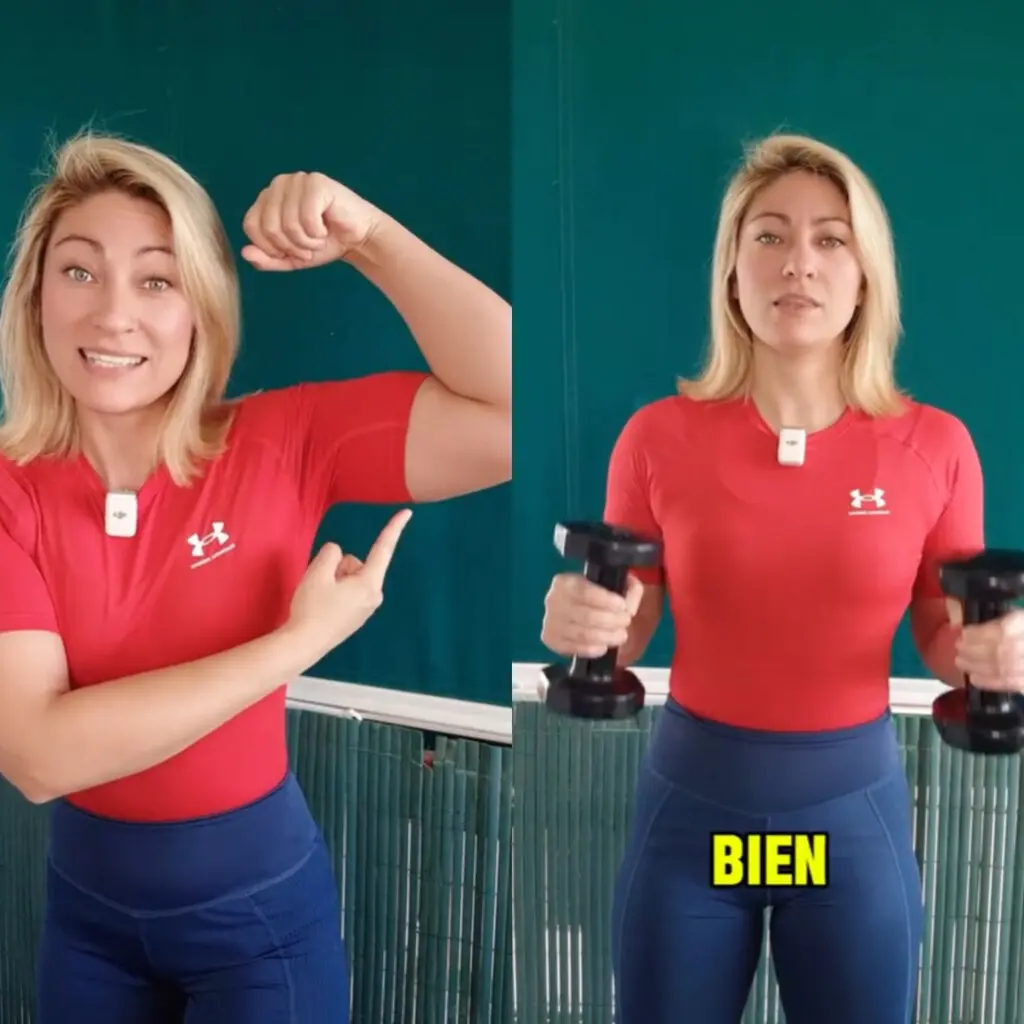
Experts now argue that this sequence should be completely reversed. Resistance training—whether utilizing gym machines, free weights, resistance bands, or bodyweight calisthenics—must form the core of the workout program.
- Dr. Stuart Phillips, a leading protein and muscle metabolism researcher: Consistently emphasizes that older adults do not suffer from a lack of ability to build muscle, but rather a lack of adequate stimulus and nutritional support. His research proves that older muscles respond robustly to progressive resistance training when paired with sufficient amino acids.
- Geriatric Sports Medicine Guidelines: Professional bodies now advocate for progressive overload resistance training at least two to three times per week for individuals over 60, directly challenging the outdated view that seniors should avoid vigorous muscular contractions. Once the heavy lifting or resistance work is completed, aerobic exercise can be safely layered on top to maximize caloric expenditure and cardiovascular health.
Implications: Reshaping Public Health and Quality of Life
The shift toward high-protein, strength-focused fat loss for adults over 60 carries profound implications for public health, personal independence, and healthcare systems worldwide.

1. Combating Frailty and Enhancing Functional Independence
The ultimate goal of losing fat in later life is not merely aesthetic; it is functional. Preserving muscle mass directly translates to maintaining functional independence. Stronger legs and a robust core prevent falls—one of the leading causes of morbidity and mortality among the elderly. By building and protecting muscle through resistance training, older adults secure their ability to climb stairs, carry groceries, and get up from a chair unaided well into their 80s and 90s.
2. Metabolic Health and Glucose Regulation
Skeletal muscle is not just an organ of movement; it is the primary metabolic sink for glucose disposal in the human body. When older adults lose muscle mass through poorly managed "diets," they shrink their capacity to process carbohydrates, significantly increasing their risk of developing type 2 diabetes and metabolic syndrome. Conversely, maintaining and building muscle via strength training radically improves insulin sensitivity and systemic metabolic health.
3. Redefining the Aging Narrative
Culturally, society often nudges older adults toward a sedentary, low-impact lifestyle disguised as "taking it easy." This well-intentioned paternalism often does more harm than good, accelerating physical decline. Embracing resistance training and a protein-rich diet redefines aging as a period of continued capability, vitality, and physical evolution.
Conclusion
The golden rule of body recomposition after 60 remains unchanged from start to finish: prioritize high protein intake and make resistance training the bedrock of your physical program.
Abandon the outdated notion that aging requires a retreat into perpetual fragility and endless, muscle-wasting cardio. By treating your muscle mass as the invaluable physiological asset that it is, you unlock the key to sustainable fat loss, vibrant metabolic health, and uncompromised vitality for decades to come.


Leave a Reply