

By Jhoan Sebastián Salazar
Enriched and Expanded Edition
Main Facts
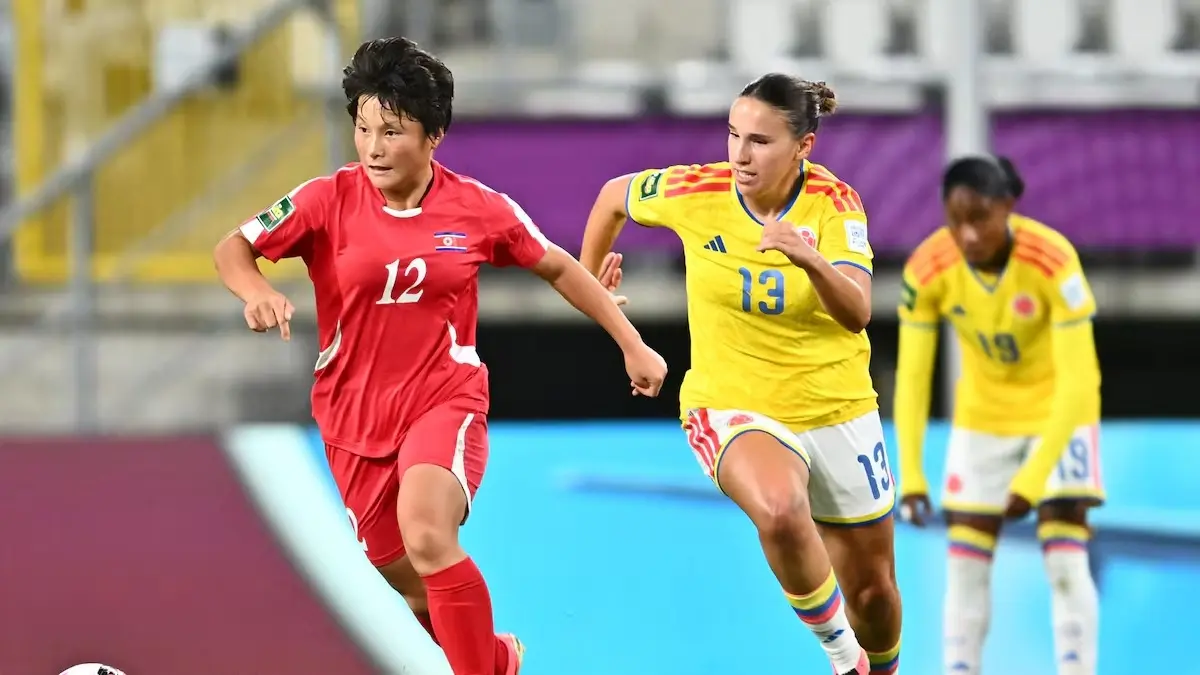
The inspiring and historic run of the Colombia women’s Under-20 national team at the FIFA U-20 Women’s World Cup came to a heartbreaking halt in the semifinal round. Facing off against reigning world champions and tactical powerhouses North Korea, the South American squad—affectionately known as the Tricolor—suffered a 3-0 defeat. With this result, Colombia fell just short of reaching the first-ever World Cup final in this specific youth category, a milestone that remains exclusively held by the historic runners-up finish of the women’s U-17 team in 2022.
Managed by coach Carlos Paniagua, the Colombian side stepped onto the pitch seeking to pull off yet another monumental upset. However, facing one of the most rigorously trained and technically proficient football programs in the world proved to be an insurmountable hurdle. The defeat ends Colombia’s aspirations of lifting the coveted global trophy, but it does not signal the end of their tournament journey.
The Tricolor still has a date with destiny as they turn their focus toward the third-place playoff. There, they will face Italy, who were defeated 2-0 by Spain in the other gripping semifinal matchup. A victory in the third-place match would allow Colombia to etch their names into the history books by surpassing their previous best-ever finish in the U-20 World Cup—a commendable fourth-place finish achieved back in Germany 2010.
Meanwhile, the grand final will feature a blockbuster clash between North Korea and Spain. Both powerhouse nations advanced through the tournament with flawless records, boasting six wins in six matches, and are set to collide on Sunday in what promises to be an epic battle for global supremacy.
Chronology of a Semifinal Clash
The Opening Storm: Tactical Battles and Early Errors
From the opening whistle, the match unfolded as a tactical chess match where North Korea’s disciplined, high-intensity pressing immediately put Colombia on the back foot. The Asian side dominated possession, constantly probing the Colombian defensive block and testing the structural integrity of coach Paniagua’s tactical setup.
The breakthrough—and the turning point of the match—arrived in the 28th minute. Following a breakdown in communication within the Colombian backline, a seemingly routine defensive situation turned catastrophic. A loose ball fell to North Korean forward Pak Ok, whose initial pressure capitalized on a defensive miscue. Compounding the error, a rare handling and positioning lapse—a blooper—from young Colombian goalkeeper Luisa Agudelo allowed the ball to trickle past her, breaking the deadlock and gifting North Korea a 1-0 lead.
The psychological blow was immense. Up to that point, Colombia had maintained defensive discipline, absorbing wave after wave of attacks. Conceding in such a manner stripped the Tricolor of their composure, and for the remainder of the first half, the team struggled to regain its rhythm.
Capitalizing on the sudden fragility of the Colombian defense, North Korea struck again before the interval. Following a fluid attacking sequence down the left flank, a precision cross was whipped into the heart of the penalty area. Midfielder Rim Jong Choe rose higher than her markers, connecting with a powerful header that left Agudelo with no chance and doubled the Asian side’s advantage to 2-0.
Second-Half Resignation and Tactical Dominance
Hoping to salvage the game, Carlos Paniagua’s squad attempted to reorganize during the half-time interval, but any hopes of a tactical resurrection were systematically extinguished just as the second half got underway.
In the opening moments of the second stanza, North Korea effectively sealed the game through a brilliantly executed set-piece routine. Capitalizing on a well-drilled free-kick play just outside the penalty area, midfielder Ryu Gyong unleashed a decisive strike that found the back of the net, making it 3-0 and extinguishing any lingering hopes of a Colombian comeback.
With a comfortable three-goal cushion, North Korea shifted into game-management mode. The Asian giants prudently lowered the tempo of the match, prioritizing possession and defensive solidity over all-out attack, though they still created enough danger to threaten a fourth goal.
On the other side of the pitch, the Colombian attack remained virtually dormant. Over the course of the 90 minutes, the Tricolor failed to test the North Korean goalkeeper, suffocated by an elite defensive unit that gave Colombian forwards virtually no breathing room. When the final whistle blew, the scoreboard reflected the stark reality of the match: a definitive 3-0 victory for the reigning champions.
Supporting Data and Tournament Context
To fully understand the magnitude of North Korea’s dominance and the context of Colombia’s performance, one must examine the broader historical and statistical landscape of the tournament.
The Finalists: Unblemished Records
The upcoming final between North Korea and Spain represents a clash between the two most complete and unstoppable teams in the competition. Both nations reached the ultimate stage with unblemished records:
- Matches Played: 6
- Matches Won: 6
- Draws: 0
- Losses: 0
The last direct encounter between these two international powerhouses took place on August 27, 2024, during an intense international friendly match that ended in a hard-fought 0-0 draw, demonstrating how evenly matched they are stylistically.
However, their tournament pedigrees differ significantly:
- Spain is hunting for its second U-20 World Cup title, having secured its maiden trophy in the 2022 edition.
- North Korea is chasing its fourth global crown, having previously lifted the prestigious trophy in 2006, 2016, and 2024.
Colombia’s Historical Trajectory
For Colombia, reaching the semifinals is already a monumental achievement, reflecting the exponential growth of women’s football in the Andean nation. Prior to this tournament, the nation’s absolute watermark in the U-20 category was their historic fourth-place finish at the 2010 FIFA U-20 Women’s World Cup in Germany.
Should Colombia overcome Italy in the upcoming third-place playoff, this current generation of players will officially surpass the Class of 2010, cementing their legacy as the second-most successful women’s national team in Colombian football history—right behind the pioneering U-17 squad that reached the World Cup final in 2022.
Match Schedule Overview
- Third-Place Playoff: Colombia vs. Italy
- Date: Saturday, September 26
- Time: 11:00 AM (Colombia Time)
- Stadion: Poland
- Grand Final: North Korea vs. Spain
- Date: Sunday, September 27
- Time: 11:00 AM (Colombia Time)
- Stadion: Poland
Official Responses and Reactions
Following the emotional rollercoaster of the semifinal defeat, the Colombian camp addressed the media with a mixture of sorrow, pride, and unwavering resolve.
Coach Carlos Paniagua offered a candid assessment of the match, acknowledging the undeniable superiority of the reigning champions while rallying his players for the challenge ahead.
"We faced one of the most complete, organized, and physically dominant teams in the history of youth women’s football," Paniagua stated during the post-match press conference. "Errors at this level, against elite opponents, are punished immediately. We felt the weight of the first goal, and against a side like North Korea, clawing back from a deficit is an immense mountain to climb. However, I am immensely proud of what these girls have achieved. They have fought with their hearts for our country."
Team captain and key leaders within the squad also voiced their determination to bounce back ahead of the bronze medal match against Italy. While tears were shed on the pitch immediately after the final whistle, the overarching sentiment within the dressing room quickly shifted from despair to purpose.
"We are hurting because we wanted that place in the final more than anything," remarked one of the team’s senior leaders. "We dreamed of giving Colombia a world title. But the story is not over yet. We still have 90 minutes left to fight for a medal. We owe it to our families, to the fans who have stayed up late to watch us, and to ourselves to leave everything on the pitch against Italy and bring that bronze medal home."
Colombian football federation officials and sporting directors echoed these sentiments, releasing brief statements emphasizing long-term institutional support for the women’s youth divisions, pointing out that consistent appearances in latter tournament stages are the direct result of structural investments in grassroots women’s football across the country.
Implications for Colombian Women’s Football
While the immediate aftermath of a 3-0 defeat in a World Cup semifinal is naturally filled with disappointment, the broader implications of this tournament run are profoundly positive for the trajectory of soccer in Colombia.
1. Validation of Grassroots and Youth Development
Over the past half-decade, the Colombian Football Federation (FCF), alongside local club structures, has ramped up investments in competitive youth leagues, regional talent identification camps, and international friendly circuits. The performances of players like Luisa Agudelo and her teammates demonstrate that Colombian talent is not merely an anomaly born of isolated generational golden eras, but the sustainable product of a functional development pipeline.
2. Shifting the Mental Barrier
For years, Colombian national teams—particularly in women’s football—struggled with the psychological barrier of facing traditional global superpowers like the United States, Germany, Japan, and now North Korea. By consistently reaching the knockout rounds, quarter-finals, and now the semi-finals of global FIFA tournaments (including the senior team’s exploits at the Women’s World Cup and the U-17 heroics), this generation of players steps onto the pitch expecting to compete, rather than simply participate. This cultural shift is invaluable for future cohorts.
3. Commercial and Social Momentum
The television ratings and public engagement numbers throughout Colombia during this U-20 World Cup run have shattered previous records. Millions of fans across the country have tuned in to follow the Tricolor. This sustained public interest places commercial pressure on domestic leagues, sponsors, and media networks to continue expanding professional opportunities, television coverage, and financial compensation for women athletes playing within the Colombian professional league (Liga Femenina).
4. The Immediate Horizon: The Bronze Medal Match
Before looking too far into the future, the immediate task remains: securing the bronze medal against Italy on Saturday, September 26. A victory will not only secure a podium finish—validating the tactical work of Carlos Paniagua’s coaching staff—but will also send a resounding message to the rest of the footballing world: Colombia is no longer just a dark horse in international women’s football; they are a permanent fixture among the global elite.
As the sun sets on their dreams of a World Cup trophy in Poland, the journey of this golden generation is far from finished. The entire nation will be watching on Saturday morning, ready to cheer on the Tricolor as they fight for history once more.


Leave a Reply