


By Global Health & Wellness Desk
Published: March 2025
Main Facts: The Biochemistry of Long Life
Why do some individuals reach their centenary year in vibrant health while others experience accelerated physical and cognitive decline? While genetics, community engagement, and routine physical activity play undeniable roles in human longevity, the latest scientific consensus points toward a more foundational driver: diet. Specifically, an increasing body of research highlights polyphenols—natural chemical compounds found abundantly in plant-based foods—as the ultimate molecular shield against biological aging.
Recent studies, including comprehensive reviews published in leading gerontology journals, classify dietary polyphenols as potent "geroprotectors." Unlike traditional nutrients that merely fuel the body, these bioactive molecules actively modulate the fundamental mechanisms of cellular decay. They protect DNA, regulate systemic inflammation, enhance mitochondrial function, and support a resilient gut microbiome.
This biochemical secret is nowhere more apparent than in the world’s "Blue Zones"—five distinct geographic regions characterized by an exceptionally high concentration of healthy centenarians. From the shores of the Mediterranean to the mountains of Greece and the islands of Japan, the common denominator among these populations is not a miraculous superfood or an expensive supplement, but an ancestral, plant-rich dietary matrix teeming with diverse polyphenols.
Chronology: From Ancient Diets to Modern Longevity Science
To understand how polyphenols became the focal point of modern aging research, it is essential to trace how science has evolved in its understanding of human lifespan versus healthspan—the period of life spent in good health.
- Pre-2000s (The Epidemiological Era): Researchers studying long-lived populations primarily focused on macroscopic lifestyle factors. Landmark observations in places like Okinawa (Japan) and Sardinia (Italy) highlighted low-calorie diets, strong social networks, and daily physical movement, but lacked deep molecular explanations for why these populations evaded chronic diseases.
- The 2000s–2010s (The Antioxidant Paradigm): Nutritional science began isolating specific chemical structures in plants. Antioxidants like vitamins C and E were initially credited with neutralizing cellular damage caused by free radicals. However, clinical trials using isolated antioxidant supplements often failed to reproduce the health benefits of whole plant foods.
- The 2020s (The Systems Biology and Geroprotection Era): Advanced biochemical techniques revealed that compounds like polyphenols do not merely act as simple chemical scavengers. Instead, they act as signaling molecules that trigger the body’s own internal defense systems—activating longevity genes, regulating autophagy (cellular cleanup), and optimizing gut microbiota.
- March 2025 (Current Breakthroughs): Landmark studies, such as the review published by Davinelli and colleagues in Ageing Research Reviews (June 2025; Epub ahead of print March 2025), formally linked dietary polyphenols directly to the biological hallmarks of aging, bridging the gap between traditional Blue Zone diets and cellular geroprotection.
Supporting Data: A Global Tour of Blue Zone Polyphenols
While lifestyle frameworks across the five Blue Zones vary significantly, their traditional kitchen cultures consistently deliver high quantities and varieties of protective plant compounds.

1. Okinawa, Japan: The Purple Sweet Potato and Soy Matrix
In Okinawa, traditional diets center heavily on the purple sweet potato (beni imo). These tubers are packed with anthocyanins, powerful flavonoid polyphenols boasting intense anti-inflammatory and antioxidant properties. Furthermore, Okinawans regularly consume traditional soy products such as tofu, miso, and natto, which provide high levels of isoflavones—compounds heavily linked to optimal cardiovascular and neurological health.
2. Sardinia, Italy: Coffee, Legumes, and Regional Flora
Sardinian centenarians benefit from a robust Mediterranean diet rich in locally grown beans, dark leafy greens, and moderate amounts of regional red wine and coffee. The regular consumption of chlorogenic acid from coffee, combined with diverse polyphenols from wild vegetables and legumes, creates a powerful metabolic defense network that protects vascular endothelial tissue.
3. Ikaria, Greece: The Power of Wild Greens and Olive Oil
Known as "the island where people forget to die," Ikaria relies heavily on extra virgin olive oil, which contains high concentrations of oleuropein and hydroxytyrosol. Additionally, Ikarians forage and consume wild mountain greens (such as dandelion and fennel) and brew herbal teas from wild sage and oregano. These plants are exceptionally rich in stilbenes, phenolic acids, and flavonoids, which systematically suppress chronic systemic inflammation.
4. Loma Linda, California, USA: The Adventist Plant-Based Blueprint
Home to a thriving community of Seventh-day Adventists whose life expectancy far exceeds the American national average, Loma Linda’s traditional diet emphasizes nuts, avocados, tropical fruits, and whole grains. Rich in flavonoids and lignans, this dietary pattern stabilizes metabolic markers, lowers blood pressure, and reduces the incidence of metabolic syndrome.
5. Nicoya, Costa Rica: The Mesoamerican Trinity
The traditional Nicoyan diet relies on the classic Mesoamerican staples: corn, beans, squash, and tropical fruits like papaya, mango, and plantains. This specific nutritional synergy delivers a heavy load of quercetin, mangiferin, and chlorogenic acid, compounds that actively support metabolic health and cognitive longevity into advanced age.
Official Responses and Scientific Mechanisms: How Polyphenols Work
The medical and scientific community has increasingly embraced the perspective that aging is not a passive decay process, but a modifiable biological trajectory.
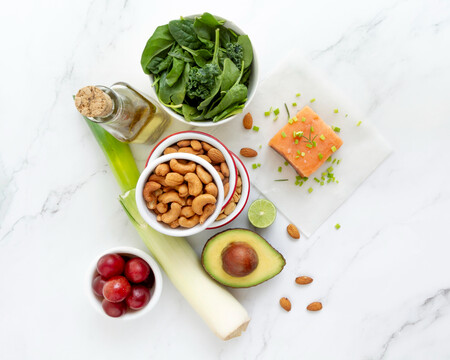
According to leading researchers in nutritional gerontology, polyphenols influence the human body through several distinct pathways:
- DNA Protection and Telomere Maintenance: Polyphenols help shield genetic material from oxidative stress and mitigate the shortening of telomeres—the protective caps at the ends of chromosomes that dictate cellular replication limits.
- Mitigation of Chronic Inflammation ("Inflammaging"): Low-grade, chronic systemic inflammation is a primary driver of modern pathologies, including heart disease and neurodegeneration. Polyphenols down-regulate pro-inflammatory cytokines, calming the immune system.
- Mitochondrial Optimization: These compounds stimulate mitochondrial biogenesis (the creation of new, efficient energy-producing cellular units) and promote mitophagy, the clearing out of damaged mitochondria.
- Microbiome Modulation: The vast majority of dietary polyphenols reach the large intestine largely unchanged, where they act as prebiotics. Gut bacteria metabolize them into smaller, highly bioavailable bioactive molecules that enhance immune function and communicate directly with the brain via the gut-brain axis, promoting neurogenesis (the formation of new neurons).
Common Dietary Sources of Key Polyphenols
- Green Tea: Epigallocatechin gallate (EGCG)
- Coffee: Chlorogenic acid
- Berries and Red Grapes: Anthocyanins and resveratrol
- Onions and Capers: Quercetin and apigenin
- Turmeric: Curcumin
- Extra Virgin Olive Oil: Oleuropein and tyrosol
Implications: Moving Beyond "Magic Bullets"
The translation of Blue Zone science into modern public health offers profound implications, but it also carries cautionary lessons.
First, experts warn against the "reductionist trap"—the commercialized urge to extract individual polyphenols into high-dose supplements. Clinical data consistently demonstrates that isolated compounds rarely replicate the synergistic health benefits of whole foods. The complex interaction between fiber, vitamins, minerals, and hundreds of co-existing phytochemicals in a Mediterranean salad or an Okinawan stir-fry cannot be bottled into a single pill.
Second, the longevity model forces a paradigm shift in modern medicine from disease treatment to healthspan extension. By encouraging dietary shifts toward whole, minimally processed, plant-forward nutrition, healthcare systems can potentially mitigate the staggering societal costs associated with age-related neurodegenerative and cardiovascular diseases.
Ultimately, the lesson of the centenarians in Okinawa, Sardinia, Ikaria, Loma Linda, and Nicoya is holistic. Polyphenols are a vital piece of the biochemical puzzle, but they operate best within a comprehensive lifestyle framework: one that includes daily physical movement, deep social connectedness, purpose, and stress resilience. Longevity, it turns out, is not found in a single secret ingredient, but in an entire way of living and eating in harmony with nature.




Leave a Reply