

Main Facts: Empowering the Modern Motorist
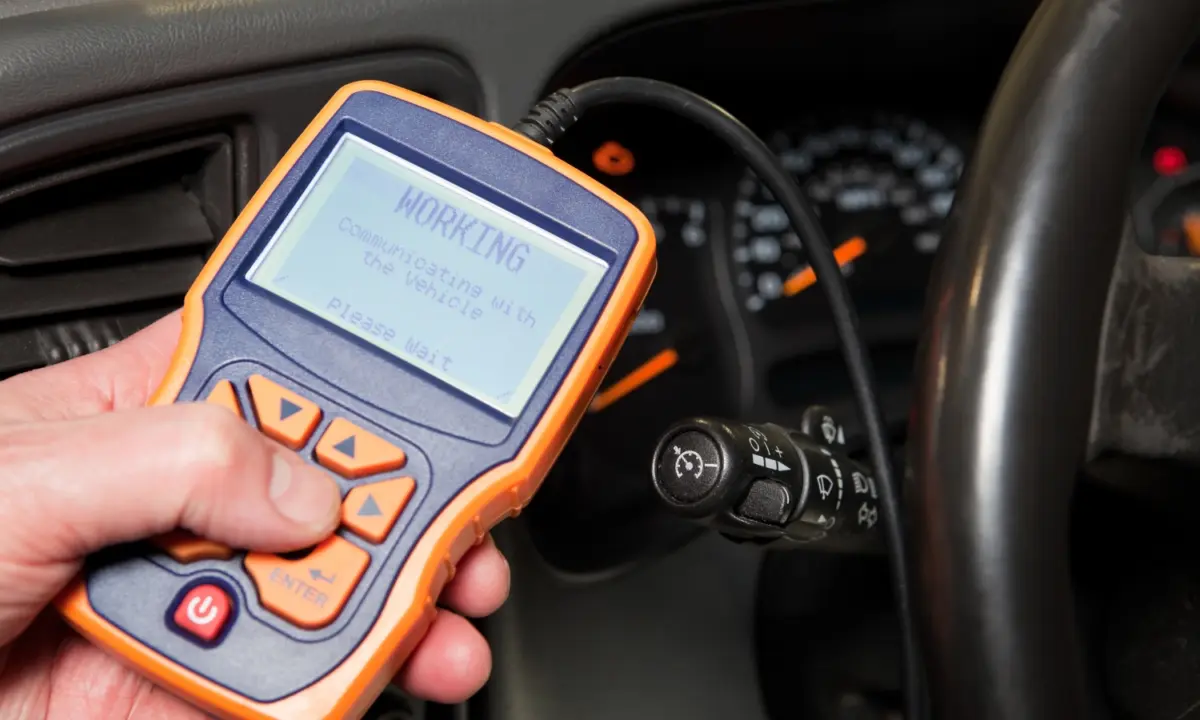
When the dreaded "Check Engine" light illuminates the dashboard, the immediate reaction for many motorists is a sinking feeling of impending, costly garage bills. However, the democratization of automotive technology has handed the power of preliminary diagnostics directly to the consumer. Enter the OBD2 (On-Board Diagnostics, Generation II) scanner—a device that has transformed from an exclusive, high-cost dealer tool into an accessible, pocket-sized gadget that plugs into virtually any modern vehicle.
At its core, an OBD2 scanner is a communication interface. By linking directly to a car’s Electronic Control Unit (ECU), these devices read Diagnostic Trouble Codes (DTCs) triggered by sensors monitoring everything from emissions and fuel economy to transmission slip and ignition timing. Yet, modern iterations transcend simple code-reading. Today’s advanced scanners offer real-time data streaming—displaying metrics like coolant temperature, engine RPM, and throttle load—alongside maintenance resets, battery registration, and even bidirectional controls.
However, the market is saturated with options ranging from ultra-cheap $15 Bluetooth dongles to professional-grade diagnostic tablets costing thousands. Navigating this ecosystem requires an understanding of what these tools can actually do, how to interpret the data they spit out, and how to avoid marketing pitfalls—such as hidden subscription fees—that can turn a budget tool into an ongoing financial drain.
Chronology: The Evolution of On-Board Diagnostics
To truly appreciate the utility of the modern OBD2 scanner, it is helpful to understand how vehicle diagnostics evolved from a guessing game into a standardized digital science.
The Wild West of Diagnostics (Pre-1996)
Before standardized diagnostic ports, every manufacturer spoke a different language. General Motors used one system, Ford another, and European imports relied entirely on proprietary, brand-specific diagnostic tools. If a dashboard light came on in a 1980s sedan, a mechanic had to use specialized flash-code sequences or swap out parts systematically until the problem went away. There was no universal standard, leaving consumers completely at the mercy of dealership service departments.
The Birth of OBD1 and the California Air Resources Board (1988–1995)
Recognizing the need to monitor vehicle emissions effectively, the California Air Resources Board (CARB) mandated the first iteration of on-board diagnostics (OBD1) in the late 1980s. While it was a step forward, OBD1 was largely inconsistent across brands, tracking limited parameters and utilizing different port shapes and wiring configurations depending on the make and model.
The OBD2 Standard Revolution (1996–Present)
The landscape shifted dramatically in 1996 when the United States mandated OBD2 for all light-duty vehicles sold domestically. The European Union followed suit, requiring OBD2 compatibility for all gasoline vehicles starting in 2001 and diesel vehicles in 2004.
This standardization introduced several universal elements that persist today:
- The 16-Pin Data Link Connector (DLC): Universally located under the driver’s side dashboard, typically near the steering column.
- Standardized Trouble Codes (DTCs): A universal alphanumeric format (e.g., P0301) that immediately identifies the general system and specific fault.
- Standardized Protocols: Allowing any compliant scanner to communicate with any compliant vehicle, regardless of whether it was built in Detroit, Stuttgart, or Tokyo.
Supporting Data: Understanding Codes, Categories, and Costs
Interpreting an OBD2 scan requires moving past the illusion that a code equates to a direct repair order. A diagnostic code points toward a symptom, not necessarily the root cause.
Anatomy of a Diagnostic Trouble Code (DTC)
Every standard DTC is composed of a letter followed by four numbers:
- The Prefix Letter:
- P = Powertrain (Engine and transmission)
- B = Body (Airbags, climate control, lighting)
- C = Chassis (ABS, suspension, steering)
- U = Network (Communication between modules, e.g., Code U0100)
- The Second Digit:
- 0 = Generic (SAE-defined code shared across all manufacturers)
- 1 = Manufacturer-specific (Tailored to a specific brand)
- The Final Three Digits: Pinpoint the specific subsystem and circuit experiencing the fault.
Case Study: The Misunderstood P0301 Code
Consider the code P0301, which indicates a cylinder 1 misfire. A novice user might assume the scanner is telling them to replace the spark plug in cylinder 1. While the spark plug is a prime suspect, the root cause could equally be a failing ignition coil, a clogged fuel injector, low compression in that specific cylinder, or even a vacuum leak.
This underscores why professionals rely on freeze-frame data—a snapshot of vehicle parameters (engine speed, load, temperature) recorded precisely when the fault occurred—alongside live data graphs to isolate the real culprit before ordering expensive parts.
Market Tiers and Pricing Realities
When selecting a scanner, consumers encounter a tiered pricing structure that correlates directly with capability:
- Basic Code Readers ($15 – $40): Devices like basic ELM327 Bluetooth adapters plug into the port and pair with smartphone apps (like Torque or Car Scanner). They read and clear generic powertrain codes and show basic live data. They cannot read ABS, airbags, or transmission modules.
- Mid-Range All-System Scanners ($70 – $250): Tools such as the MUCAR BT200, KINGBOLEN S6, or entry-level OBDeleven systems bridge the gap. They access all vehicle modules (ABS, SRS, Transmission), support maintenance resets (oil change lights, electronic parking brakes), and utilize smartphone apps. However, users must watch out for subscription models—such as OBDeleven’s PRO and ULTIMATE tiers—which can cost between $70 and $240 annually to unlock advanced coding and adaptation features.
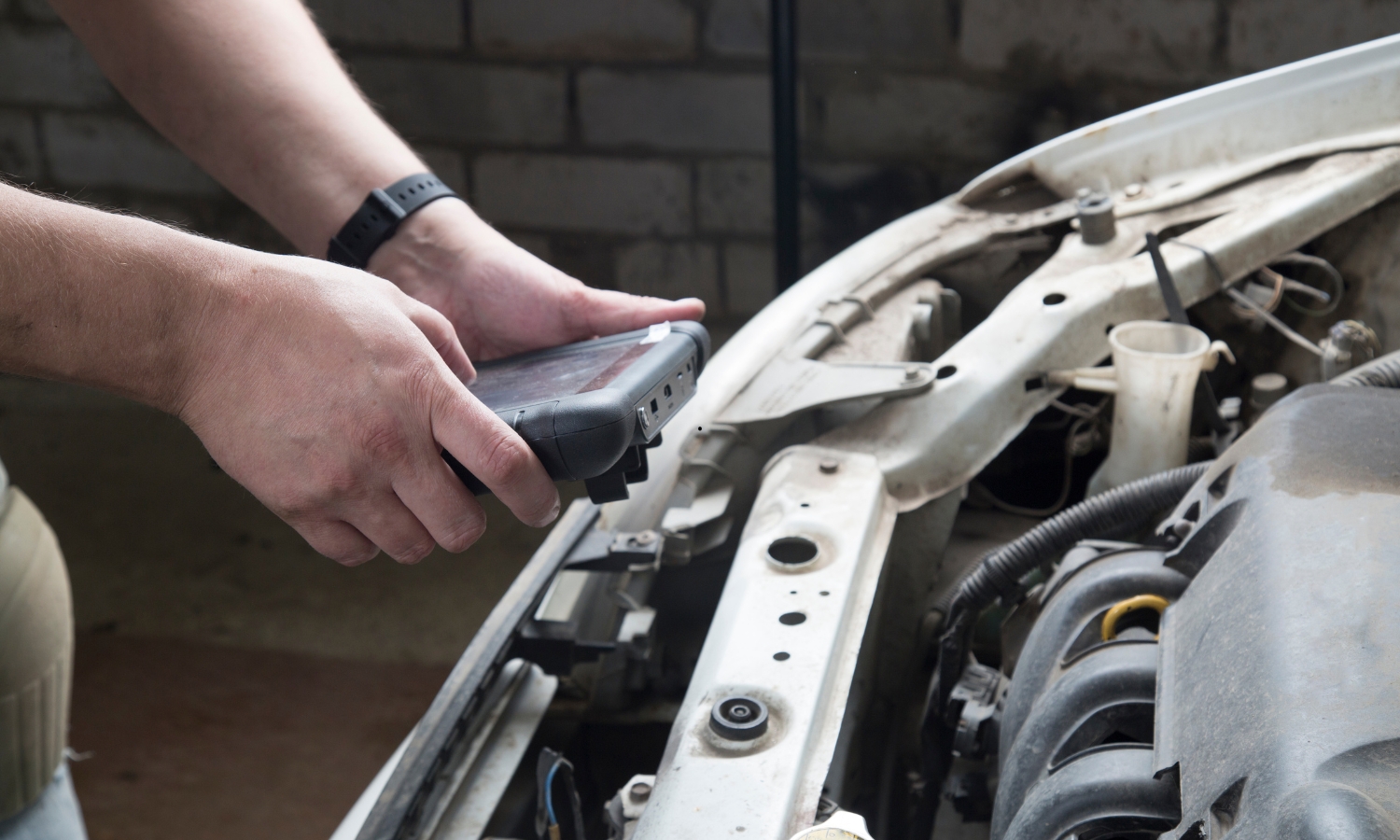
- Professional Diagnostics ($500 – $3,000+): Heavy-duty tablets like the XTOOL D8W or top-tier Autel and Snap-on units feature advanced topology mapping, bi-directional controls (allowing the mechanic to actively command components like fuel pumps or cooling fans on command), and deep ECU coding capabilities designed for automotive repair shops.
Official Industry Stances and Expert Best Practices
Automotive industry associations and master technicians emphasize that while DIY scanning is a valuable money-saving hobby, proper protocols must be followed to avoid compounding vehicle problems.
The Golden Rule: Never Clear Codes Prematurely
One of the most frequent mistakes made by amateur mechanics is clearing diagnostic codes immediately after reading them, especially before bringing the vehicle to a professional shop.
"When you clear a code, you don’t just turn off the dashboard light; you erase the freeze-frame data, emission readiness monitors, and historical trouble logs from the ECU," notes a senior diagnostic technician from the Society of Automotive Engineers (SAE). "Without that historical data, a mechanic essentially has to wait for the fault to happen again from scratch, turning a 15-minute diagnostic into hours of troubleshooting."
Safety Protocols for Powertrain Faults
Experts stress that not all codes are created equal. While an EVAP minor leak code (like a loose gas cap, code P0442) allows for normal driving until a convenient repair time, codes accompanied by a flashing Check Engine light indicate active engine misfires that can unburn fuel and catastrophically overheat and ruin the catalytic converter. In such scenarios, the official recommendation is clear: pull over safely, shut off the engine, and arrange for a tow truck.
Implications: The Future of Vehicle Diagnostics and the Right to Repair
The proliferation of OBD2 scanners intersects directly with the modern "Right to Repair" movement. As vehicles become increasingly software-dependent computers on wheels, automakers have introduced complex security gateways (such as FCA’s Secure Gateway or similar barriers used by Mercedes-Benz, Renault, and Tesla) to protect vehicle networks from cyberattacks.
While cybersecurity is paramount, these digital fences threaten to lock out independent repair shops and DIY enthusiasts, funneling all service back through authorized dealerships. To combat this, modern advanced scanners now integrate AutoAuth and secure gateway bypass protocols, allowing verified users to legally access protected ECUs.
Summary Checklist for Choosing an OBD2 Scanner
- Define Your Needs: Do you simply want to turn off a check engine light, or do you need to register a new battery, bleed ABS brakes, or reset electronic parking brakes?
- Check System Coverage: Ensure the tool communicates with all modules (Engine, Transmission, ABS, Airbag) rather than just powertrain systems.
- Beware of Subscription Traps: Read the fine print on devices offering "lifetime updates" to verify whether advanced brand-specific diagnostics or coding functions require an ongoing annual fee.
- Verify Protocol Compatibility: For newer vehicles, ensure the device supports modern communication protocols like CAN FD and DoIP to avoid connection errors.
Ultimately, an OBD2 scanner is an investment in automotive literacy. By transforming opaque dashboard warnings into actionable data, drivers can reclaim control over their vehicle maintenance, avoid unnecessary repair costs, and approach professional service centers with informed confidence.

Leave a Reply