

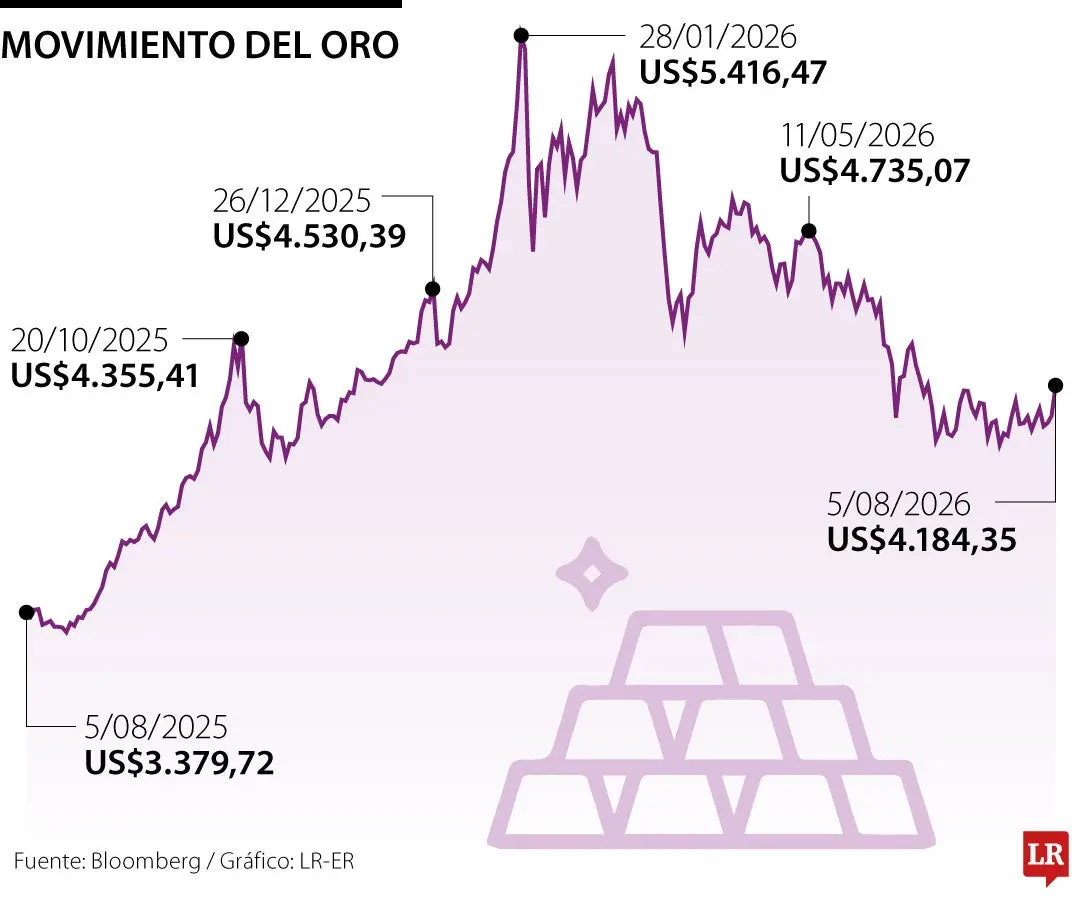
LONDON/WASHINGTON — Precious metals staged a robust recovery this week, propelled by shifting geopolitical currents in the Middle East and a recalibration of U.S. monetary policy expectations. Gold prices climbed over 2% to near $4,165 per ounce, marking their third consecutive day of gains. The rally was mirrored across the broader metals complex, with silver, platinum, and palladium all posting strong advances as the threat of prolonged inflation receded following diplomatic breakthroughs regarding a vital global energy transit route.
The primary catalyst for the relief rally was a sudden de-escalation in tensions surrounding the Strait of Ormuz. According to regional reports and diplomatic sources, a provisional framework has been drafted to normalize maritime traffic through the critical waterway. Qatar’s announcement that a comprehensive proposal is on the table, coupled with reports from Axios indicating that Washington, Tehran, and Oman are nearing a concrete agreement, has fundamentally altered the macroeconomic landscape.
For months, the conflict between the United States and Iran—which erupted in late February—has wreaked havoc on global supply chains. It drove energy prices skyward, reignited domestic inflationary pressures, and forced financial markets to price in a protracted period of high interest rates. However, the prospect of reopening the Strait of Ormuz has immediately alleviated fears of structural energy shocks, cascading into a repricing of the Federal Reserve’s future path.
Markets are now fully pricing in a single interest rate hike by the end of the year, a notable retreat from the two hikes anticipated just a week prior. This softening in monetary tightening expectations has provided a fertile environment for non-yielding assets like gold, which thrives in environments where opportunity costs decline alongside falling or stabilizing real yields.
1. Main Facts: Markets Shift Focus as Metals Rally
The macroeconomic landscape underwent a sharp pivot this week, defined by the convergence of Middle Eastern diplomacy and shifting central bank dynamics.
- Gold Price Action: Spot gold advanced 2.1% to reach $4,164.21 per ounce during morning trading in London, cementing a third straight day of gains and recovering lost ground after a brutal multi-month drawdown.
- Broader Metals Complex: Silver outperformed on a percentage basis, surging 3.4% to $61.58 per ounce. Platinum and palladium also registered substantial gains, reflecting broad-based buying across precious metals.
- The Ormuz Breakthrough: Diplomatic efforts led by Qatar, Oman, and the United States have brought about a tentative agreement to restore safe maritime transit through the Strait of Ormuz, choking off the energy-driven inflation narrative that has dominated markets since late February.
- Interest Rate Projections: Fed fund futures now fully discount only one rate hike for the remainder of the year, down from previous estimates of two, directly reflecting diminished fears of persistent, supply-shock-induced inflation.
- Foreign Institutional Demand: Chinese institutional investors have stepped in as a crucial defensive buyer, helping bullion hold above the psychologically critical $4.000-per-ounce threshold even amidst broader wartime liquidations.
2. Chronology of Events: From Wartime Shock to Diplomatic Breakthrough
To understand the sudden volatility and subsequent recovery in the gold market, it is necessary to trace the trajectory of the U.S.-Iran conflict and its immediate transmission into financial markets over the past several months:
- Late February: The outbreak of the conflict between the United States and Iran immediately shuts down critical shipping lanes, sending shockwaves through global energy markets. Crude oil prices spike, instantly reviving fears of a 1970s-style stagflationary environment.
- Early March to Mid-April: Gold experiences a sharp downward correction, shedding over 20% from its pre-conflict highs. Paradoxically, despite its traditional status as a safe-haven asset, bullion suffers alongside risk assets as soaring energy costs force investors to price in aggressive, prolonged monetary tightening by the Federal Reserve.
- Last Week: The Federal Open Market Committee (FOMC) votes to keep the benchmark interest rate unchanged for the fifth consecutive meeting. However, the decision is far from unanimous: three disidentient members vote in favor of a rate hike, underscoring deep divisions within the central bank over persistent inflation risks.
- Early This Week (Monday/Tuesday): Rumors of back-channel negotiations begin to circulate. Qatar reveals that a formal proposal has been drafted to normalize maritime traffic through the Strait of Ormuz. Simultaneously, intelligence leaks to media outlets like Axios suggest that Washington, Tehran, and Oman are on the cusp of an accord.
- Wednesday Morning: Gold prices react violently to the upside, surging past $4,160 per ounce in London trading as the Bloomberg Dollar Spot Index slips. Markets rapidly reprice their expectations for the Federal Reserve, abandoning forecasts of dual rate hikes before year-end.
3. Supporting Data and Market Metrics
The underlying data reveals a nuanced picture of institutional positioning, structural supply constraints, and currency fluctuations that continue to dictate the health of the precious metals market.
Price Movements and Currency Dynamics
The foreign exchange market played a complementary role in gold’s ascent. The Bloomberg Dollar Spot Index—a widely watched gauge tracking the performance of the U.S. currency against a basket of major trading partners—drifted lower on Wednesday. A softer dollar reduces the cost of dollar-denominated commodities for international buyers, further stoking demand for bullion and its industrial peers.
Chinese Institutional Accumulation
While Western institutional capital fled gold during the worst of the wartime sell-off, Asian buyers—particularly in China—provided a critical financial floor. According to proprietary calculations by Bloomberg, exchange-traded funds (ETFs) backed by physical gold in China recorded 14 consecutive days of net capital inflows through Monday.
This represents the longest uninterrupted buying streak for Chinese gold ETFs since March. Market analysts view this sustained accumulation as a potential harbinger of a broader sentiment shift. After months of capital flight and sliding local prices, Chinese institutional and retail investors appear to be treating sub-$4,100 valuations as a generational accumulation opportunity, effectively neutralizing the downward pressure exerted by Western algorithmic liquidations.
| Asset / Indicator | Current Level / Change | Context |
|---|---|---|
| Spot Gold | $4,164.21 / +2.1% | Recovering from steep wartime losses; holding key technical support. |
| Spot Silver | $61.58 / +3.4% | Outperforming gold on industrial demand optimism. |
| U.S. Dollar Index | Modest decline | Easing greenback provides tailwinds for dollar-priced commodities. |
| Chinese Gold ETFs | 14 consecutive days of inflows | Longest accumulation streak since March; stabilizing global prices. |
4. Official Responses and Central Bank Perspectives
Even as market participants celebrate the prospect of lowered inflation pressures and fewer rate hikes, policymakers within the U.S. Federal Reserve remain deeply divided over the long-term trajectory of the American economy. The central bank’s leadership is currently navigating a labyrinth of conflicting economic signals.
Anna Paulson on Policy Uncertainty
Philadelphia Fed President Anna Paulson, who aligned with the majority during last week’s decision to keep rates steady, published an essay on Tuesday outlining her cautious stance. Paulson noted that she maintains an "open mind" regarding the future path of monetary policy.
She emphasized that incoming economic data continues to emit contradictory signals regarding whether current financial conditions are sufficiently restrictive to anchor long-term price stability. Her comments highlight the hesitation among centrist policymakers to commit prematurely to either a dovish pivot or further tightening.
Jeff Schmid’s Warning on Sticky Inflation
In stark contrast to the cautious flexibility expressed by Paulson, Kansas City Fed President Jeff Schmid adopted a decidedly hawkish tone. In prepared remarks for an economic symposium in Omaha, Schmid argued that the central bank still requires higher interest rates to effectively achieve its mandated price stability goals.
Schmid, who does not hold a voting seat on the FOMC policy committee this year, explicitly warned market participants against complacency. He cautioned that policymakers should not automatically assume that inflationary pressures originating from severe supply shocks—such as the recent disruptions in the Middle East—will prove to be transient.
"We must remain vigilant against the risk that temporary supply bottlenecks permanently alter long-term inflation expectations," Schmid is expected to tell regional business leaders, underscoring the persistent internal debate within the central bank.
5. Macroeconomic Implications: What the Ormuz Deal Means for Investors
The convergence of easing geopolitical tensions in the Middle East and a recalibrating Federal Reserve carries profound implications for global asset allocators, industrial users, and retail investors alike.
The Death of the "Stagflation Premium"
For the past three months, the primary driver of market anxiety has been the fusion of military conflict and energy scarcity. When the Strait of Ormuz—which handles a massive percentage of the world’s daily petroleum and liquefied natural gas traffic—was effectively compromised, energy costs skyrocketed. This dynamic forced central banks into a corner: how to fight supply-driven inflation without inducing a severe economic depression.
With a provisional agreement now taking shape to reopen the shipping route, the immediate "stagflation premium" embedded in commodity prices is evaporating. Lower energy costs directly translate into cooler headline inflation readings over the coming quarters, removing the primary justification for aggressive monetary tightening.
A New Calculus for Gold
Gold’s 20% drawdown since late February served as a harsh reminder that during acute liquidity crunches, even safe-haven assets can be sold off to cover margin calls elsewhere in portfolios. However, the metal’s ability to defend the $4,000 threshold—fortified by relentless Chinese buying—demonstrates a robust underlying structural bid.
Going forward, if the Federal Reserve is forced to execute only a single rate hike (or pause indefinitely as labor markets cool and inflation normalizes), real interest rates will likely stabilize or decline. Lower real yields historically inverse positively with gold prices, paving the way for bullion to challenge its previous all-time highs later in the year.
At the same time, industrial precious metals like silver, platinum, and palladium stand to benefit from a dual tailwind: the removal of geopolitical trade blockages and a more accommodating macroeconomic liquidity backdrop. As maritime traffic slowly resumes through the Strait of Ormuz, the global economy appears poised to step back from the precipice of a severe energy-price-led downturn, allowing both financial markets and monetary policymakers space to recalibrate.




Leave a Reply