

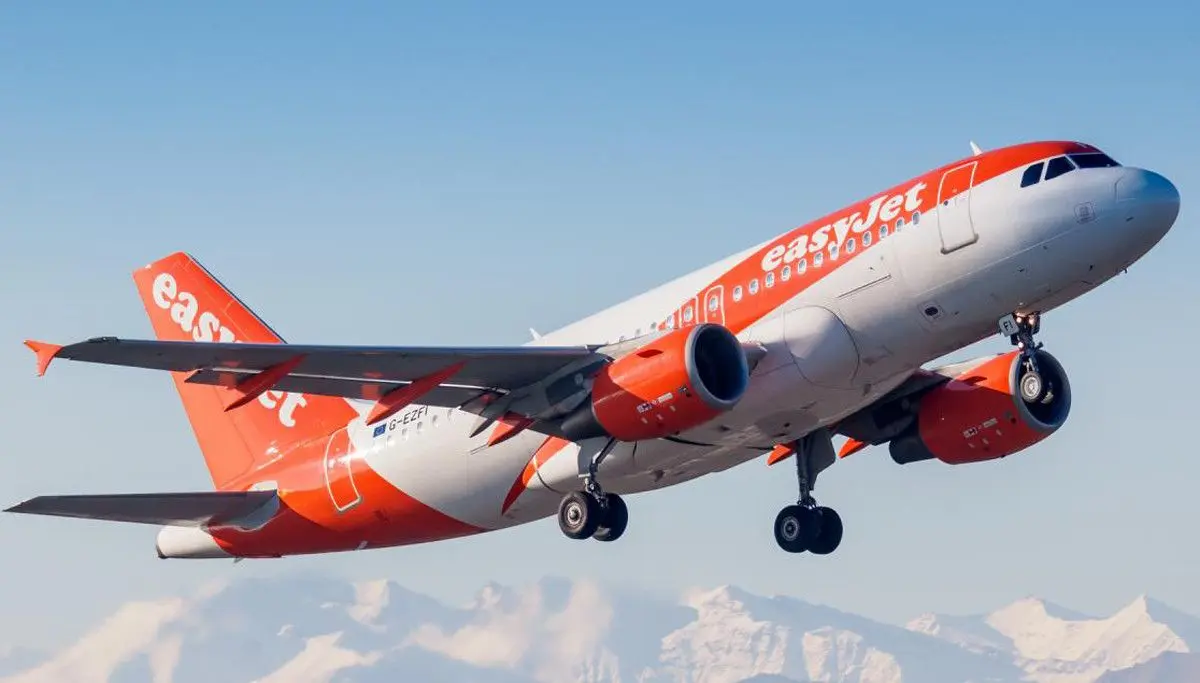
LONDON — The skies of European aviation are set for a monumental restructuring. American private equity powerhouse Apollo Global Management has a clear runway to acquire easyJet, Britain’s largest low-cost carrier, following a dramatic late-hour withdrawal by rival suitor Castlelake. The blockbuster transaction values the Luton-headquartered airline at a staggering £5.7 billion (approximately €6.65 billion), outbidding Castlelake’s previous £5.5 billion proposal and setting the stage for one of the most significant private equity takeovers in the history of European commercial aviation.
The path to the agreement cleared on a Thursday afternoon when Castlelake pulled its competing offer just hours before the definitive deadline for final proposals. With the field left uncontested, Apollo’s superior financial terms prevailed, putting an end to weeks of intense corporate maneuvering and thrusting the iconic orange-liveried carrier into a new era of private ownership.
However, despite the jubilation in the boardrooms, the multi-billion-pound deal still faces a complex gauntlet of regulatory approvals, ownership structural hurdles, and a shifting macroeconomic landscape characterized by fluctuating fuel costs and geopolitical tensions.
1. Main Facts of the Acquisition
The acquisition deal orchestrated by Apollo Global Management represents a watershed moment for low-cost aviation in Europe.
- The Valuation: Apollo has locked in the purchase at £5.7 billion (€6.65 billion), edging out Castlelake’s earlier £5.5 billion bid.
- The Target: EasyJet, founded in 1995, operates out of its primary base at London Luton Airport. The airline commands an expansive network featuring over 1,200 routes across more than 30 European countries.
- The Workforce: The carrier remains a massive regional employer, sustaining a workforce of over 19,000 aviation professionals, including pilots, cabin crew, engineering staff, and corporate personnel.
- Continuity and Stakeholders: Despite the shift to private equity ownership, the founding family intends to maintain a significant presence. Stelios Haji-Ioannou and his family, who currently retain approximately 15% of the company’s shares, have committed to rolling over a substantial portion of their holdings into the new corporate structure.
For Apollo, this acquisition is not its first foray into the aviation sector. The New York-headquartered alternative investment manager has previously built a robust portfolio of aviation assets, including strategic investments in Mexico’s Aeroméxico, American low-cost carrier Sun Country Airlines, and global air cargo specialist Atlas Air. This deep industry familiarity is expected to guide Apollo’s strategic vision for easyJet as it navigates the post-pandemic recovery.
2. Chronology of the Deal: From Rival Bids to Uncontested Victory
The path leading to Thursday’s breakthrough was marked by high-stakes negotiations, valuation adjustments, and a ticking clock.
Early Rumors and the Initial Interest
Speculation regarding a potential buyout of easyJet had circulated within London financial circles for months. While easyJet’s passenger volumes had rebounded strongly following the disruptions of the COVID-19 pandemic, its share price had persistently lagged behind pre-2020 valuations. This valuation disconnect caught the eye of institutional investors and private equity firms seeking undervalued, market-leading assets with resilient operational models.
The Bidding War Heats Up
By mid-summer, the quiet rumblings erupted into a public takeover battle. Castlelake emerged as an aggressive early contender, tabling an initial proposal valued at £5.5 billion. The offer caught the attention of market analysts, who debated whether the bid fully captured the long-term earnings potential of Europe’s low-cost juggernaut.
Shortly thereafter, Apollo Global Management entered the fray with a richer, more aggressive proposal of £5.7 billion (€6.65 billion). Apollo’s deep pockets and proven track record in aviation financing gave its bid considerable momentum, forcing Castlelake to reevaluate its financial ceiling.
The Dramatic Climax
The climax of the takeover saga unfolded on a Thursday, set against a strict deadline for final binding proposals. Industry observers anticipated a prolonged bidding war or a tense photo-finish as both private equity firms weighed their options. Instead, the drama dissolved abruptly just hours before the deadline when Castlelake formally withdrew its bid.
No official counter-offer was submitted by Castlelake, leaving Apollo Global Management as the sole remaining bidder. With the competition cleared, easyJet’s board of directors and financial advisors were left with a clear mandate to move forward exclusively with Apollo’s £5.7 billion proposal, bringing an end to the intense chapter of competitive acquisition talks.
3. Supporting Data: Financial Performance and Operational Metrics
Apollo’s acquisition of easyJet comes at a delicate financial juncture for the airline. While top-line revenue growth remains intact, profitability has faced severe headwinds due to external macroeconomic pressures, rising fuel expenditures, and regional conflicts impacting travel demand.
Recent Financial Results (April–June Quarter)
According to financial reports released by easyJet at the end of July, the airline’s performance during the April-to-June quarter highlighted the volatile nature of the modern European aviation market:
- Profit Plunge: Profit before tax dropped precipitously to £85 million (€99 million) for the quarter. This represented a steep 70% year-on-year decline compared to the same period in 2025.
- Revenue Growth: Conversely, group revenues showed resilience, ticking up by 2% to reach £2,983 million (€3,490 million) during the period (which constitutes the third quarter of the company’s fiscal year ending in September).
- EBITDA Contraction: Earnings before interest, taxes, depreciation, and amortization (EBITDA) contracted by 38% down to £304 million (€355 million).
Traffic and Capacity Metrics
Operational statistics reveal an airline continuing to move massive volumes of travelers, albeit with marginal efficiency squeezes driven by external factors:
- Passenger Volume: EasyJet transported 25 million passengers between April and June, marking a minor 0.4% dip compared to the corresponding quarter of the previous year.
- Load Factor: The airline’s load factor—a critical gauge of capacity utilization—stood at 88.9% for the quarter, down slightly from the 90.2% recorded in the same period of 2025.
Macroeconomic Pressures
The primary drivers behind the profit contraction and squeezed margins included persistent volatility in global jet fuel prices, alongside soft patches in passenger demand routes affected by ongoing geopolitical conflicts in the Middle East. These pressures likely reinforced the board’s willingness to entertain a premium private equity buyout, providing insulation and strategic backing from a well-capitalized parent entity.
4. Official Responses and Strategic Vision
Reactions from key figures within the easyJet ecosystem have emphasized continuity, strategic growth, and long-term commitment.
Founder Stelios Haji-Ioannou Endorses the Move
Stelios Haji-Ioannou, who founded the airline in 1995 as a low-cost alternative to British Airways (BA), voiced strong support for the impending transition.
"I am absolutely delighted with the strategic intentions that Apollo holds for the easyJet business, which are firmly targeted at unlocking and accelerating a new phase of growth," Haji-Ioannou stated following the withdrawal of Castlelake’s bid.
Significantly, the founder sought to reassure shareholders and staff regarding his family’s ongoing commitment to the brand.
"My family and I fully intend to remain as core, long-term investors and significant shareholders in this next exciting chapter of the company’s journey," he concluded.
Apollo’s Growth Blueprint
Apollo’s investment thesis centers on modernizing fleet efficiency, expanding regional market share, and capitalizing on structural shifts in European tourism. By taking the company private, management aims to shield easyJet from short-term public market volatility, allowing the carrier to execute long-term strategic transformations without the relentless pressure of quarterly earnings reports.
5. Implications: Regulatory Hurdles and European Ownership Rules
While the financial terms have been agreed upon and competing bidders have cleared the field, the transaction is far from a done deal. The buyout faces a stringent and complex web of regulatory evaluations.
The European Union Ownership Rule
One of the most delicate hurdles facing the acquisition is the strict regulatory framework governing European airlines. Because easyJet operates as a designated European carrier, it is bound by European Union aviation regulations mandating that at least 51% of the airline must remain owned by European entities.
Given that Apollo Global Management is a U.S.-based private equity firm, structuring the post-acquisition ownership to comply with EU rules will require meticulous legal engineering. Legal and financial advisors will need to ensure that European institutional investors or specific holding structures retain the requisite majority control to preserve easyJet’s lucrative flying rights across the European Union single aviation market.
British Regulatory Scrutiny
In addition to EU aviation directives, the transaction must also pass muster with British regulatory bodies, including the Competition and Markets Authority (CMA) and the Civil Aviation Authority (CAA). Regulators will scrutinize the impact of the private equity buyout on consumer pricing, route competition, workforce stability, and corporate governance standards within the UK aviation sector.
A New Chapter for European Low-Cost Travel
If the transaction successfully navigates the regulatory maze, it will fundamentally reshape the landscape of European low-cost travel. With Apollo’s capital backing, easyJet will be uniquely positioned to weather fuel shocks, invest in sustainable aviation technologies, and compete aggressively against rival low-cost giants like Ryanair and Wizz Air.
For now, all eyes turn to regulatory offices in London and Brussels as the final pieces of the £5.7 billion mega-deal fall into place.




Leave a Reply