By Global Hospitality & Ergonomics Desk Published in partnership with industry research and labor insights
Main Facts: The Hidden 4.1-Ton Daily Toll on Hotel Housekeepers
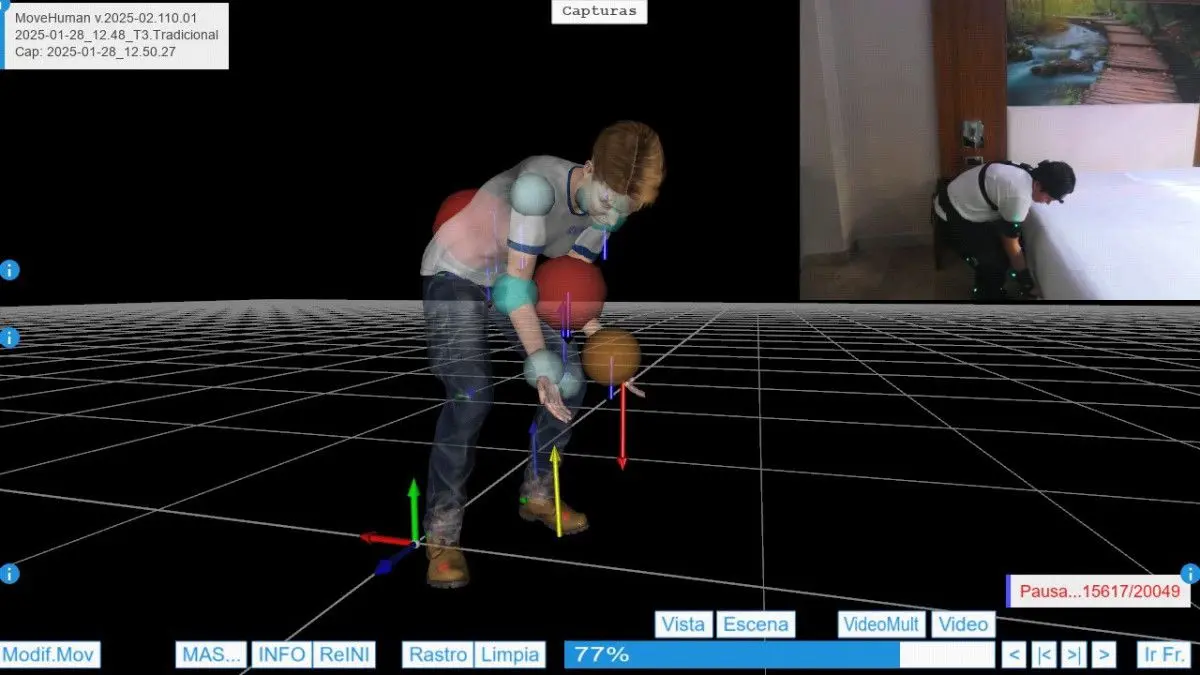
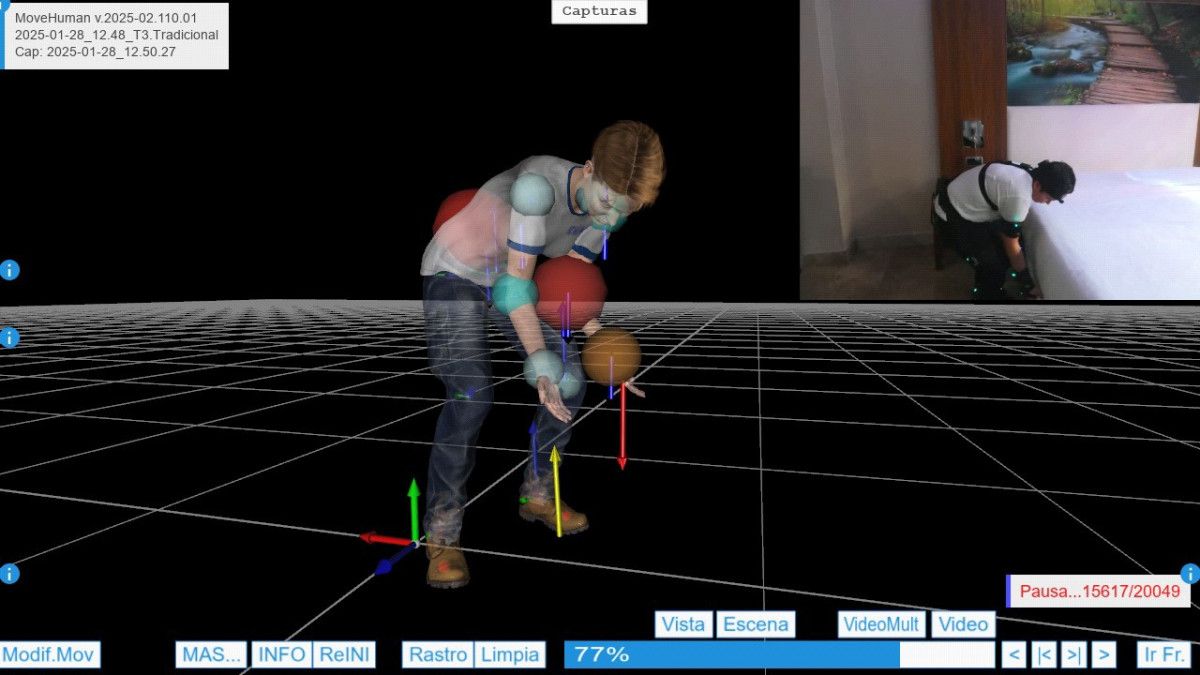
Behind the polished marble lobbies, immaculate design, and five-star reviews of modern hotels lies a grueling, invisible reality: the daily physical breakdown of the workforce that keeps rooms operational. According to a landmark ergonomic study conducted by Quirón Prevención and the University of Zaragoza, a hotel housekeeper must perform an average of 11 distinct physical movements just to separate a mattress from its base and change the bedding.
When a room attendant lifts, grips, and pushes the corners and sides of a standard 50-kilogram (110-pound) mattress, the cumulative physical load reaches a staggering 232 kilograms per bed. Multiplied across the standard workload of 18 beds per shift, a single housekeeper tackles 4.1 tons of dead weight every working day.
This unrelenting physical strain is no longer just a labor issue; it is a structural crisis threatening the hospitality industry’s core operations. With tourism booming across Europe and new hotels opening at a rapid pace, the sector is running up against a severe labor shortage, an aging workforce, and increasingly stringent regional legislation designed to force hotels to modernize their operations and protect their staff.
Chronology: The Evolution of Ergonomic Standards and Hospitality Regulation
To understand how the industry reached this critical juncture, it is essential to look at the timeline of technological innovation, regulatory pressure, and labor advocacy:
Late 1990s: The first generation of mechanical, elevated beds is introduced to the hotel industry. While they help alleviate bending, they fail to solve the primary hazard: the heavy, repetitive lifting of the mattress itself.
Pre-2020: Housekeeping departments rely almost entirely on traditional furniture. Demographics show workers aged 55 and older comprise roughly 14.5% of the hotel workforce.
2020–2023 (The Pandemic and Post-Covid Shift): Labor shortages intensify dramatically. Older workers increasingly exit the workforce or suffer from chronic musculoskeletal disorders.
2022: The Balearic Islands pass a pioneering Tourism Law establishing the mandatory implementation of elevated beds across accommodations within a six-year window, directly linking hotel licensing to worker ergonomics.
April 2026: Canary Islands lawmakers approve a sweeping modification to their Tourism Organization Law. Under the new mandate, all regional hotels must install mechanical bed solutions by 2033 to drastically curb occupational injuries among housekeeping staff.
Present Day: Breakthrough innovations—such as the Spanish-patented LevitUp system—combine mattress elevation with automated sliding mechanisms, eliminating manual lifting entirely. Concurrently, labor unions like CCOO push for urgent government and industry dialogues regarding early retirement and sector restructuring.
Supporting Data: Comparative Ergonomics and Demographic Realities
The Quirón Prevención and University of Zaragoza study offers a rigorous, data-driven comparison of three distinct bed categories: the traditional bed, the standard height-adjustable bed, and the newly patented LevitUp system.
The Technological Comparison
Using motion-capture technology to record housekeepers in real-time, researchers quantified the number of lifts, pulls, and pushes required for each setup:
The Traditional Bed: Requires repetitive, high-force bending and lifting. Although the mattress weighs 50 kg, the worker handles partial loads dynamically depending on leverage and distance, resulting in cumulative strains of 232 kg per bed.
The Elevable Bed: Raises the entire base to reduce deep bending, but still requires the worker to manually hold up heavy mattress corners to tuck in sheets.
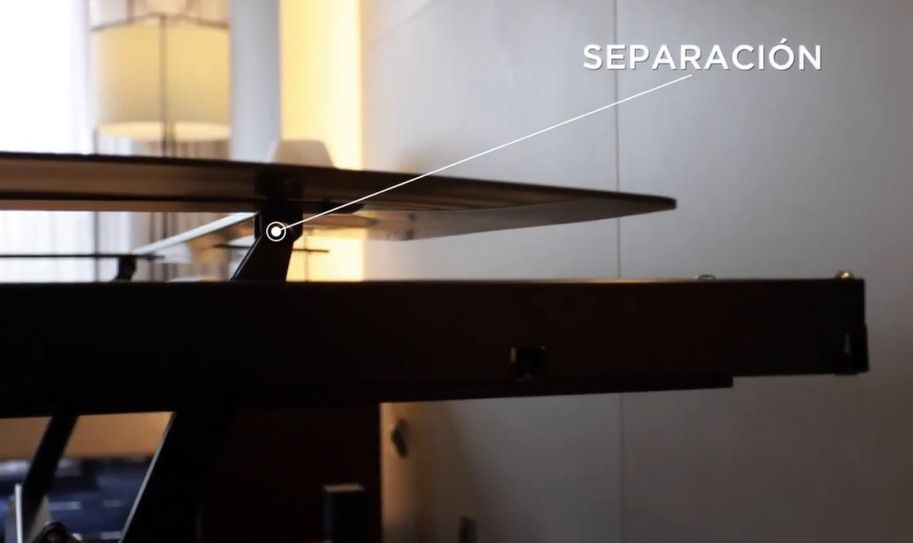
The LevitUp System: Automatically elevates the support structure while simultaneously advancing the mattress and creating a gap between it and the base. Flexible integrated slats keep the bedding naturally gathered. The worker simply slides their hands along the surface to tuck the linens, eliminating mattress-lifting entirely and removing the need to pull heavy beds away from walls.
Workforce Demographics
Data compiled by Randstad using figures from Spain’s National Statistics Institute (INE) underscores the acute vulnerability of the sector:
Aging Workforce: Professionals aged 55 and older now account for over 20% of Spain’s tourism and lodging workforce, a significant jump from 14.5% pre-pandemic.
Housekeeping Dominance: Housekeeping departments represent the highest concentration of older, physically strained workers within this demographic.
The Daily Volume: Across an average shift of 18 rooms, workers manage over four metric tons of dead weight, exposing them to chronic lower-back injuries, shoulder degeneration, and repetitive strain disorders.
Official Responses: Voices from Industry Leaders and Labor Unions
The intersection of worker health, technological solutions, and operational viability has sparked intense debate among industry innovators and labor representatives.
Antonio Salgado Karlsson, CEO of LevitUp
The creation of the LevitUp system stems directly from frontline feedback. Antonio Salgado Karlsson, a former hotel director turned innovator, recalls the genesis of his company:
"When I considered investing in standard height-adjustable beds, the housekeepers themselves told me: ‘Sure, the bed goes up, but who lifts the mattress for us?’"
Salgado emphasizes that physical furniture modification is only half the battle. His company actively promotes continuous training programs focused on ergonomic housekeeping habits—teaching optimal posture, efficient movement organization, and injury prevention.
However, Salgado issues a stark warning regarding the macro-level sustainability of the industry:
"Every day, new hotel openings are announced in Spain, yet it becomes increasingly difficult to recruit the staff necessary to keep those hotels operational. We can invest millions in interior design, aesthetics, and guest experience, but the whole operation collapses if the rooms cannot be cleaned on time. Some executives have privately admitted to me that they’ve been forced to temporarily close entire floors simply due to a lack of personnel."
Borja Suárez, CCOO Servicios Canarias
Labor representatives are calling for immediate, structural interventions. Borja Suárez, General Secretary of CCOO Services in the Canary Islands, points bluntly to the root cause of the generational drought in hospitality:
"Housekeeping teams are aging, and achieving a generational handover is proving exceptionally difficult. Young people are refusing to enter the sector because the housekeeping department is plagued by excessive workloads, precarious conditions, and physical hardship. Nobody wants to age poorly or rely on a constant regimen of painkillers just to endure a shift."
CCOO is pressing corporations and government bodies to convene a dedicated hospitality dialogue table to address deep-seated reforms, including specialized early retirement frameworks that protect workers’ benefits after decades of heavy physical labor.
Salgado echoes this sentiment from a business perspective, framing human sustainability as an operational prerequisite:
"We must build a tourism model that is competitive and profitable, but also humanly sustainable. If we take care of the people who make a hotel function, we are simultaneously safeguarding our daily operations, service quality, and the bottom-line health of the business."
Implications: The Future of Hotel Operations and Regulatory Compliance
The findings of the Quirón Prevención study and the implementation of aggressive regional laws—such as those in the Balearic and Canary Islands—signal a permanent shift in how hotels must operate.
Mandatory Capital Expenditure: Hoteliers can no longer treat room ergonomics as an optional amenity. With regional legislation setting hard deadlines (such as the Canary Islands’ 2033 mandate), properties that fail to upgrade their furniture will face regulatory penalties, compliance shutdowns, and severe insurance liabilities.
Mitigating the Labor Shortage: The hospitality industry faces an existential talent crisis. By investing in ergonomic infrastructure like advanced lift-and-slide bed systems, hotels can drastically reduce occupational injuries, lower absenteeism, and improve job satisfaction. This is a vital step toward making housekeeping roles attractive to a younger demographic.
Redefining Guest Experience Through Employee Welfare: The modern traveler increasingly values ethical, sustainable tourism—a concept that must extend beyond environmental measures to encompass social responsibility and labor welfare. Ensuring that hotel staff can execute their duties without destroying their bodies is the ultimate foundation of long-term operational resilience.
As the industry moves toward strict ergonomic compliance, the message from both innovators and labor advocates is clear: the future of hospitality depends entirely on lifting the burden off the people who hold it together.





Leave a Reply