

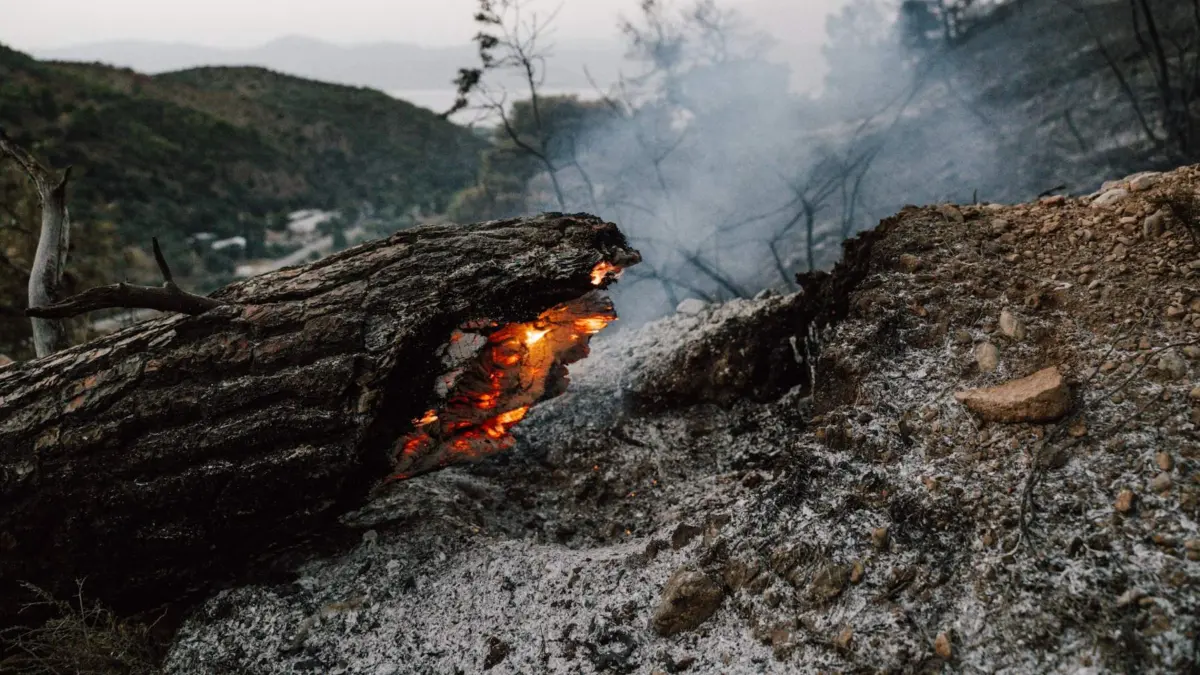
As global temperatures continue to rise and severe droughts become the new normal, the nature of wildfires across the globe has fundamentally shifted. No longer confined to predictable seasonal cycles, extreme wildfires are now tearing through landscapes with unprecedented ferocity, threatening biodiversity, economic stability, and human lives.
The dynamics connecting fire to our landscapes are deeply complex, entangled with shifting socioeconomic realities and worsening environmental degradation. For millennia, humans—particularly small-scale farmers and indigenous populations—have utilized fire as a traditional, indispensable tool for land management. However, rapid changes in land use, rural depopulation, and climate disruption have fueled the rise of extreme, catastrophic wildfires. These mega-fires now pose a severe threat to global sustainable development, demanding a paradigm shift in how governments, communities, and international bodies approach wildfire management.
Main Facts: The Anatomy of Modern Wildfires
To understand the current crisis, one must examine the intersection of climate, ecology, and human geography. Modern wildfires are rarely isolated natural phenomena; rather, they are the culmination of decades of disrupted land management and accelerating climate change.
- The Climate Catalyst: Intensified by phenomena such as severe El Niño cycles and prolonged droughts, global ecosystems are drier and more vulnerable than ever. The climate crisis is no longer a distant warning; it is an active restructuring of our environments.
- The Traditional Tool vs. Modern Threat: While indigenous and rural communities have sustainably managed land with controlled burns for thousands of years, modern commercial pressures and land-use changes have disrupted these practices, leading to hazardous fuel loads in forests and grasslands.
- The Holistic Solution: According to international frameworks—including initiatives spearheaded by organizations like the Food and Agriculture Organization (FAO) and collaborative platforms like Fire Hub—fighting fires requires a circular, five-stage approach that begins long before a spark is lit and extends long after the embers die.
Chronology of a Crisis: The Five-Stage Fire Management Cycle
Effective wildfire mitigation cannot rely solely on reactive firefighting. Modern ecological science and international disaster management frameworks advocate for a continuous, five-step lifecycle approach to address the root causes and aftermath of wildfires.
1. Review and Analysis: Acknowledging the Root of the Problem
The first pillar of any viable strategy is deep contextual observation. Before any physical intervention takes place, land managers and scientists must conduct an in-depth analysis of the fire problem within each specific region.
- Mapping Interrelations: This investigative phase explores how climatic factors, local land-use histories, and social dynamics interweave to create specific risk profiles.
- Data-Driven Insights: By understanding why and how previous fires started, regional authorities can map vulnerabilities and design targeted interventions rather than applying blanket policies that often fail.
2. Risk Reduction: Integrating Traditional Knowledge and Alternatives
Local communities have spent generations accumulating invaluable wisdom regarding traditional fire management. Their daily land-use decisions can either prevent catastrophic disasters or inadvertently trigger them.
- Empowering Local Stewards: Modern disaster reduction frameworks emphasize community-based management, acknowledging that those living closest to the land hold the key to its defense.
- Developing Alternatives: In environments overly sensitive to fire, there is an urgent need to introduce and scale viable alternatives to traditional burning. Reducing fuel loads and managing agricultural residue through mechanical or biological means drastically lowers baseline risks before fire season even begins.
3. Preparation: Building a Multisectoral Collaboration Network
Preparedness is not the responsibility of a single agency or siloed department. A truly integrated approach demands that all fire-related activities are woven directly into national policies and regional development plans.
- Cross-Sector Synergy: Policymakers, land administrators, private forest owners, rural communities, civil defense teams, and professional firefighters must sit at the same table.
- Pre-Season Planning: True preparedness involves coordinated resource allocation, establishing evacuation routes, conducting controlled burns under optimal conditions, and running joint training exercises months before peak fire danger arrives.
4. Response: Rapid, Community-Led Action
When an extreme wildfire finally breaks out, speed and coordination are paramount. While aerial tankers and specialized ground crews are vital, they are rarely the first on the scene.
- First Line of Defense: Local communities are invariably the fastest to react because they are already on the front lines.
- The Fire Hub Approach: Coordinated emergency frameworks ensure that the initial reaction is not solely left to overburdened municipal fire departments. Instead, it transforms into a synchronized effort combining local intelligence with professional tactical response, drastically cutting down response times and mitigating the loss of human life and natural landscapes.
5. Recovery: Long-Term and Sustainable Solutions
Extinguishing a wildfire marks the end of an emergency, but it does not mean the problem has been solved. The final stage of the fire management cycle focuses on helping governments and affected populations transition toward long-term resilience.
- Ecological Restoration: Repairing damaged watersheds, reintroducing native vegetation, and stabilizing fragile soils prevent secondary disasters like massive mudslides and erosion.
- Rebuilding Livelihoods: Financial and structural aid must be funneled to vulnerable populations who have lost their homes, crops, or economic base.
- Closing the Loop: Insights gained during the recovery phase must directly inform future policy updates, feeding back into the initial stages of risk review and reduction.
Supporting Data and Environmental Context
The escalation of wildfire intensity is backed by stark environmental data. According to recent climate reports, the frequency of extreme fire weather events has increased dramatically over the past three decades.
- Temperature Anomalies: Global average temperatures continue to shatter historical records, drying out peatlands, forests, and chaparral ecosystems.
- Economic Toll: Beyond the tragic loss of human life and irreplaceable biodiversity, extreme wildfires cost global economies billions of dollars annually in property damage, healthcare costs related to smoke inhalation, and lost agricultural productivity.
- The Technology-Community Nexus: Data shows that regions combining advanced satellite monitoring technology with grassroots indigenous land management experience significantly lower rates of uncontrolled mega-fires compared to regions relying solely on top-down, reactive government intervention.
Official Responses and Global Policy Shifts
Governments and international bodies are slowly overhauling outdated fire suppression doctrines. For decades, the dominant policy in many Western nations was total fire exclusion—an approach that ironically backfired by allowing dense brush and dead timber to accumulate, setting the stage for today’s high-intensity infernos.
- International Frameworks: The Food and Agriculture Organization (FAO) and international environmental coalitions are actively urging nations to adopt integrated fire management (IFM). This policy shift moves the budget needle away from endless spending on water-dropping aircraft and toward proactive landscape maintenance, community training, and ecological restoration.
- National Legislative Reforms: Forward-thinking countries are rewriting environmental regulations to legally protect and incorporate indigenous burning practices, recognizing that traditional ecological knowledge (TEK) is often superior to modern industrial suppression methods in maintaining ecosystem health.
Implications for a Resilient Future
The escalating climate crisis demands a level of cross-sector collaboration the world has rarely seen. Overcoming the threat of extreme wildfires requires bridging four critical pillars:
- Cutting-edge technology (such as predictive AI modeling and satellite early-warning systems).
- Structural financing that prioritizes prevention over emergency response.
- Adaptive environmental regulation that respects ecological realities.
- Local knowledge rooted in the communities that have stewarded these lands for generations.
Only by unifying these elements can society transition from a state of perpetual emergency to a future that is sustainable, secure, and genuinely resilient against the growing threat of climate-fueled wildfires.



Leave a Reply