

As global energy markets face mounting pressures from inflation, geopolitical conflict, and the accelerating impacts of climate change, the methods by which everyday citizens generate electricity are undergoing a profound transformation. According to recent insights from the Environmental Defense Fund (EDF), the financial and ecological benefits of solar power are no longer the exclusive domain of affluent homeowners with large, detached roofs and substantial capital.
Instead, a quiet revolution is sweeping across households in the United States and Europe: the rise of plug-in, balcony photovoltaic (PV) systems. Offering a rapid, highly accessible, and low-barrier entry point to renewable energy generation, these modular solar setups are fundamentally reshaping how urban residents, renters, and suburban families interact with the grid, slash their monthly utility bills, and actively combat atmospheric pollution.
Main Facts: What Are Plug-In Solar Systems and How Do They Work?
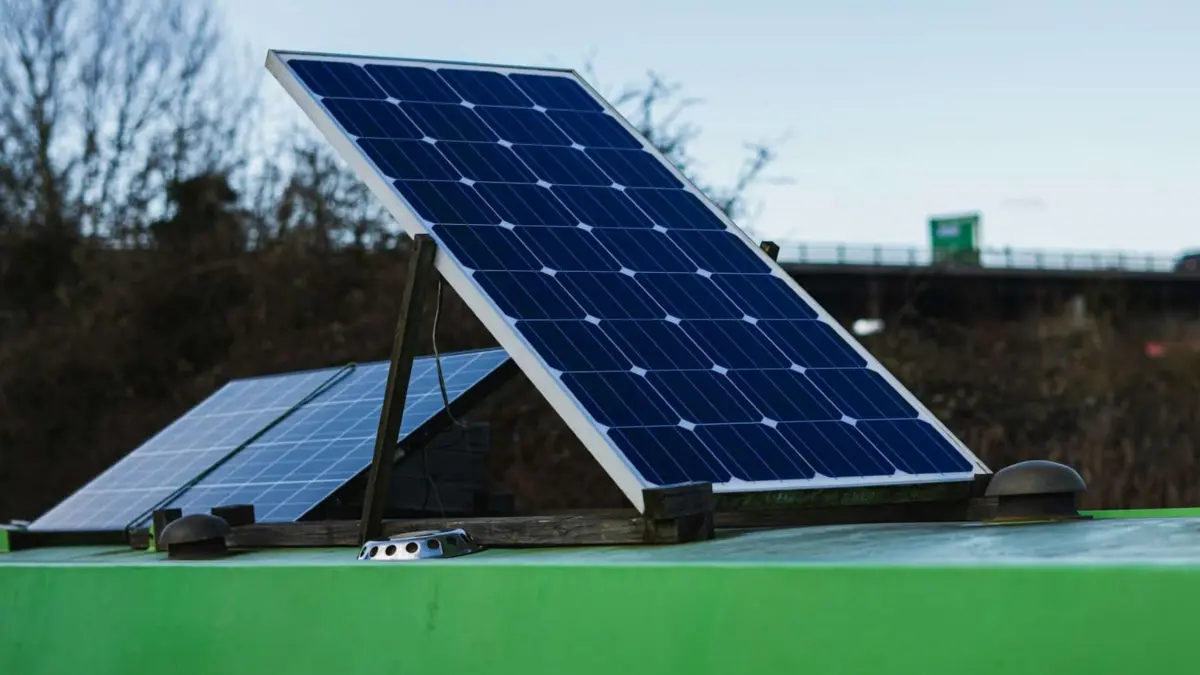
At its core, plug-in solar technology—often referred to as balcony solar—consists of compact, lightweight photovoltaic panels that can be easily mounted on apartment balconies, patios, fences, or exterior walls. Unlike massive, traditional residential solar arrays that require complex engineering feats, structural reinforcements, building permits, and protracted utility interconnection agreements, plug-in systems are designed for ultimate simplicity.
A standard setup typically involves one or two interconnected panels paired with a microinverter. While these micro-installations lack the capacity to power an entire modern household, they possess more than enough energy output to reliably power baseline domestic appliances. A typical balcony solar setup can effortlessly run a refrigerator, a television, Wi-Fi routers, laptops, and various phantom-load electronics throughout the day, directly offsetting the electricity a household would otherwise pull from the public grid.
The Mechanics of Safety and Simplicity
The operational science behind plug-in solar mirrors that of conventional rooftop systems: photovoltaic cells capture sunlight and convert it into direct current (DC) electricity, which the microinverter then converts into alternating current (AC). However, because these systems operate at a much lower overall wattage, the generated electricity does not need to traverse a heavy-duty main breaker panel or require a dedicated electrical disconnect box.
Instead, the electricity is safely routed through an ordinary, household electrical outlet. Modern residential electrical circuits in the United States are engineered to handle the modest, regulated backfeed of current produced by these systems without risking tripped breakers, blown fuses, or overloaded circuits. This seamless integration bridges the gap between high-tech renewable generation and everyday appliance usage, rendering solar power as simple to use as plugging in a household lamp.
Chronology: The Evolution from German Innovation to American Adoption
The trajectory of plug-in solar is a testament to how grassroots consumer demand, coupled with economic crises and technological cost-reductions, can rapidly pivot national energy policies.
2010: The German Genesis
The concept of plug-and-play solar did not originate in corporate boardrooms or government laboratories; it was born out of necessity in Germany. In 2010, German consumers—facing some of the highest retail electricity prices in Europe and driven by a culturally ingrained commitment to environmental stewardship (Energiewende)—began experimenting with small, decentralized micro-solar units. For the first decade, adoption was slow, relegated primarily to hobbyists and early environmental advocates navigating a patchwork of early-stage regulatory gray areas.
2020–2022: The European Acceleration
By the dawn of the 2020s, the market dynamics shifted dramatically. Propelled by post-pandemic economic recovery spikes and, crucially, the energy crisis triggered by the war in Ukraine, European electricity prices skyrocketed. Coupled with a precipitous drop in global photovoltaic manufacturing costs, German installations exploded. By the early 2020s, the country boasted an estimated 4 million plug-in systems.
March 2025: The United States Breakthrough
As European nations validated the safety and efficacy of balcony solar, American energy advocates began lobbying for regulatory modernization stateside. A historic milestone was reached in March 2025 when Utah officially became the first U.S. state to authorize plug-in solar systems, passing the legislation with virtually unanimous, bipartisan support. Lawmakers in Utah and surrounding states recognized that surging utility bills and plummeting solar equipment manufacturing costs made these systems an undeniable economic relief valve for constituents, stripping away partisan divides.
Supporting Data: Economic Tailwinds and Global Generation Capacity
The rapid proliferation of plug-in solar systems is heavily underpinned by striking macroeconomic trends. Equipment affordability, hardware efficiency, and massive aggregate generation capacities illustrate that balcony solar is far more than a passing ecological fad—it is a macroeconomic powerhouse.
The Plummeting Cost of Hardware
Market competition and manufacturing scale have driven down the cost of photovoltaic hardware at an astonishing rate. To put the economic shift into perspective:
- In 2022: A standard 400-watt solar panel kit in Europe commanded an average market price of approximately $600 USD.
- Present Day: Due to widespread adoption, supply chain maturation, and increased market availability, the exact same 400-watt panel can be purchased for roughly $285 USD, cutting the initial barrier to entry in half.
Colossal Aggregate Output
Critics of micro-solar often question whether individual balcony panels can move the needle on a national or continental scale. The data, however, tells a compelling story of collective impact. In Europe, approximately 1.5 million system owners have officially registered their balcony installations with grid operators. Despite their small individual footprints, the collective daytime generation of these decentralized micro-systems matches the energy output of an entire, full-scale nuclear power plant.
Looking forward, clean energy advocacy groups project that the United States alone could host upwards of 60 million plug-in solar installations by 2035, creating a decentralized, hyper-resilient virtual power plant capable of buffering the national grid during peak demand hours.
Official Responses and Stakeholder Perspectives
The rapid rise of plug-in solar has elicited diverse reactions from environmental organizations, political figures, real estate entities, and traditional utility providers.
Environmental Defense Fund (EDF) and Clean Energy Advocates
The Environmental Defense Fund has been a vocal champion of balcony solar, emphasizing that clean energy savings must extend beyond affluent suburban homeowners. Environmental advocates point out that traditional solar programs have historically redlined renters, low-income communities, and apartment dwellers who lack roof access. Plug-in solar dismantles this structural inequality, offering an egalitarian approach to climate action.
"We are witnessing the democratization of the energy grid," notes a senior clean energy policy analyst. "When a tenant living on the third floor of an urban apartment building can generate their own clean electricity and directly lower their monthly bills without needing a landlord’s permission to overhaul the roof, the entire paradigm of environmentalism shifts from elite luxury to accessible utility."
Political Consensus and Bipartisan Appeal
The political reception of plug-in solar—exemplified by Utah’s groundbreaking 2025 legislation—has defied traditional polarization. Lawmakers from both sides of the aisle have embraced the technology. For conservative representatives, balcony solar represents free-market consumer choice, property rights, and energy independence from monopolistic utility providers. For progressive lawmakers, it represents vital climate action, pollution reduction, and economic relief for working-class families grappling with cost-of-living crises.
Utility Companies and Traditionalists
Unsurprisingly, traditional electric utility providers have expressed cautious, sometimes resistant views regarding the unmetered proliferation of plug-in generation. Historically, utilities have relied on centralized power distribution models where electricity flows strictly one way: from the utility plant to the consumer. Decentralized, behind-the-meter plug-in systems introduce dynamic variables into local grid management. However, as consumer demand surges and legislative frameworks evolve, forward-thinking utilities are beginning to collaborate with regulators to establish safe interconnection protocols rather than fighting an unwinnable battle against consumer technology.
Implications: Reshaping the Urban Landscape and the Future of Energy
The mainstreaming of plug-in solar carries profound architectural, economic, and geopolitical implications for the years ahead.
1. Empowering the Disenfranchised Renter Class
For decades, renters have been locked out of the clean energy transition. Because property improvements typically remain with the landlord, tenants have had little financial incentive to invest in structural property upgrades. Plug-in solar changes this equation entirely. Because these systems are modular, lightweight, and completely portable, renters can easily disconnect their balcony panels, pack them into a moving truck, and reinstall them at their next residence. This mobility transforms clean energy from a fixed real estate asset into a personal consumer electronic.
2. Relieving Pressure on the National Grid
As extreme weather events driven by climate change—such as severe summer heatwaves and winter deep-freezes—place unprecedented strain on electrical grids, localized generation becomes a vital national security asset. Millions of decentralized plug-in solar systems acting in unison create a "sponge effect," soaking up local daytime energy demand and reducing the burden on aging transmission lines, transformers, and centralized power plants.
3. Fostering Global Climate Resilience
By simultaneously reducing household carbon footprints and cutting household utility expenditures, plug-in solar proves that economic prosperity and environmental protection do not need to be mutually exclusive. As more U.S. states follow Utah’s lead—with 26 additional state legislatures currently reviewing or drafting supportive regulatory frameworks—the United States is poised to catch up to the European micro-solar boom.
Conclusion
The plug-in solar movement demonstrates that the solutions to our most complex systemic crises—climate change, energy poverty, and grid vulnerability—can sometimes be found in the simplest innovations. By transforming a balcony railing into a clean energy power plant, everyday citizens are no longer just passive consumers of electricity; they are active architects of a sustainable, resilient, and equitable energy future.




Leave a Reply