

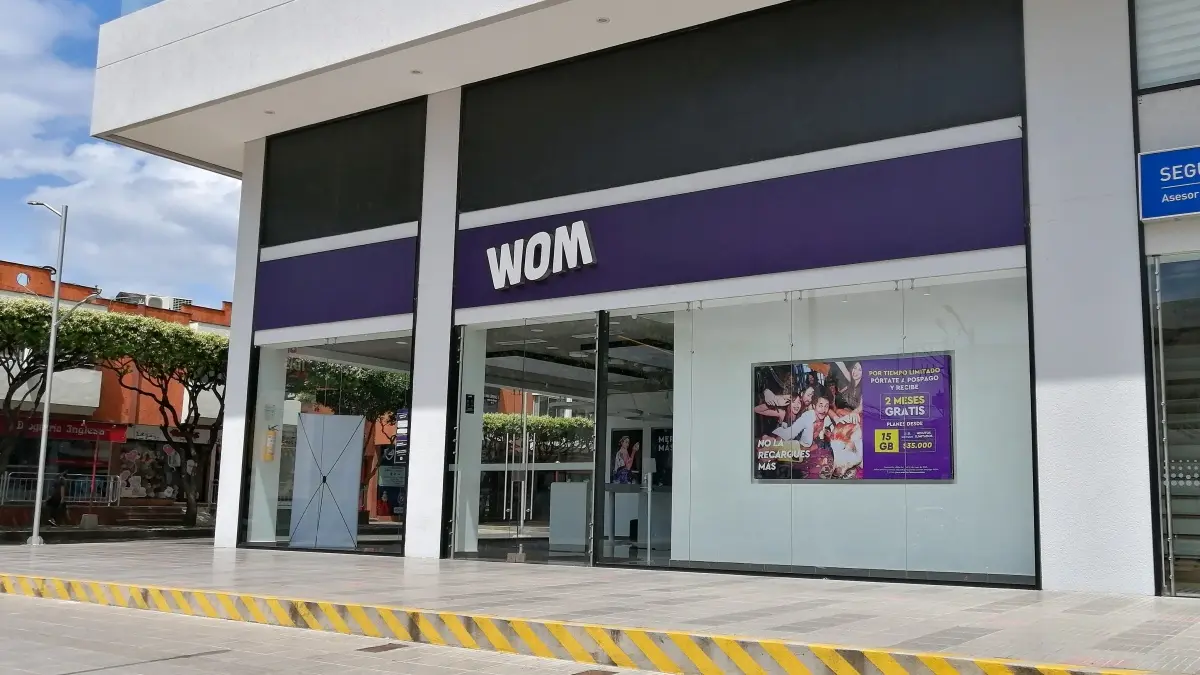
BOGOTÁ, COLOMBIA — In the wake of the significant earthquake that rattled large swaths of Colombia, telecommunications provider WOM has announced a comprehensive emergency relief package designed to keep affected citizens connected. As the nation grapples with infrastructural assessments, structural damage, and ongoing aftershocks, the mobile operator has rolled out free voice minutes and data allocations to millions of subscribers residing in the hardest-hit regions.
The initiative aims to mitigate the immediate communication blackout risks faced by families attempting to reach loved ones, coordinate emergency responses, and access vital government alerts. Simultaneously, the company has mobilized specialized engineering teams to combat persistent network intermitencies driven primarily by commercial power grid failures and structural damage to transmission towers.
1. Main Facts: Comprehensive Overview of the Emergency Relief Measure
The primary objective of WOM’s emergency intervention is ensuring uninterrupted lines of communication across critical departments in Colombia’s Andean and Pacific regions. The sudden seismic activity disrupted normal daily operations, leaving thousands questioning the safety of family members and straining conventional communication channels.
Targeted Municipalities
The emergency connectivity benefits are not universally applied across the country, but are instead laser-focused on the specific geographic zones bearing the brunt of the seismic impact. The designated municipalities span across the Coffee Triangle (Eje Cafetero), the Valle del Cauca department, and surrounding sectors:
- Caldas: Manizales
- Quindío: Armenia, Circasia
- Risaralda: Pereira, Dosquebradas, Santa Rosa de Cabal
- Valle del Cauca: Buenaventura, Cali, Candelaria, Cartago, Dagua, El Cerrito, Florida, Palmira, Yumbo
Tailored Benefits for Prepaid and Postpaid Users
Understanding the distinct usage patterns and financial pressures faced by its customer base during a natural disaster, WOM structured its relief package into two distinct tiers:
- Prepaid Subscribers: To ensure continuous access without requiring immediate top-ups, prepaid users in the designated zones receive a multi-phase data and voice injection.
- Phase 1: 2 GB of mobile data and unlimited domestic voice minutes, valid immediately through August 12.
- Phase 2: An additional 2 GB of mobile data and unlimited voice minutes, activating on August 13 and running through August 17.
- Postpaid Subscribers: Recognizing that corporate, freelance, and heavy data users require prolonged stability while managing remote work or business continuity amid crisis recovery, postpaid customers receive unlimited mobile data and unlimited voice services for a full 15-day window, extending through August 24.
- Financial Relief for Postpaid Accounts: Beyond connectivity, WOM has implemented a mandatory extension of billing payment deadlines. Depending on the individual user’s standard billing cycle, payment due dates have been postponed to alleviate the immediate financial burden on households prioritizing shelter, food, and emergency repairs.
2. Chronology: Timeline of Events and Operational Response
A natural disaster puts immense pressure on critical infrastructure. Understanding the sequence of events highlights the speed at which the crisis unfolded and how quickly private enterprise mobilized to counter infrastructural collapse.
Day Zero: The Seismic Event and Immediate Aftermath
While exact magnitude and epicenter details varied by local geological institutes, the tremor struck with enough force to cause widespread panic, structural evacuations, and localized structural damage across the Coffee Triangle and Valle del Cauca. Within minutes of the primary shock, cellular traffic spiked exponentially as citizens attempted to place calls to relatives and emergency services, placing an unprecedented load on regional cell towers.
August 10: Mobilization of Technical Teams and Network Triage
By August 10, structural damage to regional power grids began cascading into telecommunications infrastructure. Many cell sites (radiobases) lost primary commercial power feeds. While backup diesel generators engaged automatically, prolonged electrical outages across rural and semi-urban corridors depleted fuel reserves, resulting in localized signal drops and intermittent service.
On this same day, WOM’s executive leadership authorized the deployment of emergency technical response units. Specialized crews were dispatched across Valle del Cauca, the Coffee Triangle, and Chocó to perform damage assessments, replenish generator fuel, and reroute network traffic through redundant fiber-optic pathways where physical infrastructure remained intact.
August 11–12: Rollout of Free Connectivity and Government Coordination
As field technicians worked around the clock, the company officially launched the zero-rated data and voice packages for prepaid and postpaid users in the 15 designated municipalities. Concurrently, operational leads established formal communication lines with national regulatory bodies to report infrastructure status and align private sector efforts with national disaster relief protocols.
August 13 Onward: Phased Interventions and Ongoing Restoration
With the first phase of prepaid data nearing expiration on August 12, the system automatically prepared the rollout of the second 2 GB tranche for August 13. Technical operations remain fluid, with field engineers continuing to target persistent regional blind spots while awaiting full, stable restoration of the regional commercial power grids managed by municipal utility companies.
3. Supporting Data: Infrastructure Challenges and Regional Impact
The resilience of modern telecommunications networks is inextricably linked to the stability of foundational public utilities, most notably electrical power. WOM’s preliminary post-incident reports shed light on the exact technical vulnerabilities exposed by the seismic event.
The Power Grid Dilemma
Telecommunications infrastructure relies on a continuous supply of electricity to power base transceiver stations (BTS), core switching centers, and fiber-optic repeaters. The earthquake triggered automatic shutdowns in several high-voltage power substations managed by regional utility providers in Valle del Cauca and the Coffee Triangle to prevent electrical fires and equipment frying.
- Backup Power Limitations: Standard backup batteries (UPS systems) are typically designed to bridge short power blips lasting anywhere from 30 minutes to two hours. When commercial outages stretch into days—as experienced in isolated rural pockets of Chocó and mountainous sectors of the Coffee Triangle—networks inevitably face degradation.
- Generator Logistics: Transporting heavy diesel generators to remote, mountainous, or landslide-blocked terrain presents a formidable logistical hurdle. Heavy machinery must often be hauled via specialized transport trucks or, in extreme cases, hand-carried by technical crews navigating compromised roads.
Transmission and Transport Network Integrity
Beyond power failures, the physical shaking compromised several microwave transmission links—point-to-point wireless connections used to relay data between towers when underground fiber is absent. Alignment shifts of mere fractions of a degree on tower-mounted microwave dishes can cause catastrophic drops in bandwidth capacity.
Furthermore, civil engineering inspections revealed minor structural fissures in select tower foundations, requiring immediate stabilization before technicians could safely ascend to perform maintenance or hardware replacements.
4. Official Responses: Corporate Strategy and Government Collaboration
In times of national crisis, the synergy between private telecommunications operators and state regulatory agencies is paramount to maintaining public safety and order. WOM’s leadership has emphasized a collaborative, transparent approach in managing the network crisis.
Corporate Statements and Public Commitment
In official communications released to the public and media outlets, WOM underscored its commitment to social responsibility, emphasizing that maintaining connectivity is not merely a commercial service, but an essential humanitarian lifeline during emergencies.
"Our priority is the safety and well-being of Colombians," stated a corporate representative for WOM. "During moments of uncertainty, access to reliable information and the ability to hear the voice of a loved one is invaluable. We have mobilized every available technical and human resource to stabilize our network, and we are proud to stand shoulder-to-shoulder with our users in Manizales, Cali, Pereira, and all affected municipalities by removing financial and technical barriers to communication."
Coordination with National Authorities
WOM confirmed that its crisis management task force has maintained continuous, real-time communication with key government bodies, ensuring regulatory compliance and synchronized emergency response efforts:
- Ministry of Information Technologies and Communications (MinTIC): WOM has provided periodic status reports to MinTIC, detailing site-by-site recovery metrics, percentage of network restoration, and deployment of mobile emergency communications units.
- National Government and Local Emergency Committees (Comités de Gestión del Riesgo): By aligning technical restoration priorities with civil defense alerts, the company ensures that high-priority zones—such as hospitals, municipal disaster relief headquarters, and shelters—receive preferential routing and immediate infrastructure stabilization.
5. Implications: Social, Economic, and Sector-Wide Takeaways
The seismic event in Colombia and WOM’s subsequent operational response carry broad implications for the national telecommunications landscape, consumer rights, and disaster preparedness frameworks.
Consumer Trust and Brand Loyalty
In a highly competitive telecommunications market—where legacy giants and nimble disruptors vie constantly for market share—how a brand behaves during a crisis leaves a lasting impression on public consciousness. By swiftly stepping up with tangible, no-strings-attached relief measures (free data, unlimited voice, and bill payment extensions), WOM has significantly strengthened its brand equity. Consumers navigating the psychological trauma of a natural disaster often forge deep emotional brand affinities with companies that demonstrate empathy and corporate citizenship over pure profit motives.
The Digital Divide and Vulnerability in Crises
The earthquake starkly illustrated the modern vulnerability of society to digital disconnects. In an era where banking, emergency alerts, educational resources, and familial bonds are entirely digitized, a network outage translates directly to societal paralysis.
WOM’s decision to target prepaid users—who often represent lower-income households with fewer financial buffers—is particularly significant. Low-income communities are statistically more vulnerable during natural disasters due to housing structural integrity and less access to private transportation. Providing free data to these cohorts ensures that marginalized populations are not cut off from emergency updates, digital banking transactions required for aid distribution, or emotional support networks.
Future-Proofing Critical Infrastructure
Looking ahead, telecommunications operators across Colombia, including WOM, Claro, Movistar, and Tigo, are likely to reevaluate their disaster resilience protocols. Key takeaways from this event include:
- Hardening Energy Reserves: Investments in long-duration renewable backup systems (such as solar-powered base stations with expanded battery banks) will likely accelerate, reducing reliance on diesel logistics during extended grid failures.
- Redundant Transmission Paths: Expanding underground fiber-optic ring topologies to minimize reliance on vulnerable line-of-sight microwave links in earthquake-prone corridors.
- Automated Crisis Billing Systems: Standardizing flexible, automated billing grace periods that can be triggered algorithmically within minutes of a declared national or regional emergency, reducing administrative friction for subscribers facing sudden economic displacement.
Conclusion
As WOM’s technical crews continue their round-the-clock operations across the Coffee Triangle, Valle del Cauca, and Chocó, full network normalization is anticipated in the coming days as commercial power grids come back online. For millions of Colombians in the affected zones, the emergency data packages and voice minutos serve as a vital bridge over troubled waters, proving that in moments of seismic upheaval, connectivity remains the ultimate human bridge.



Leave a Reply