

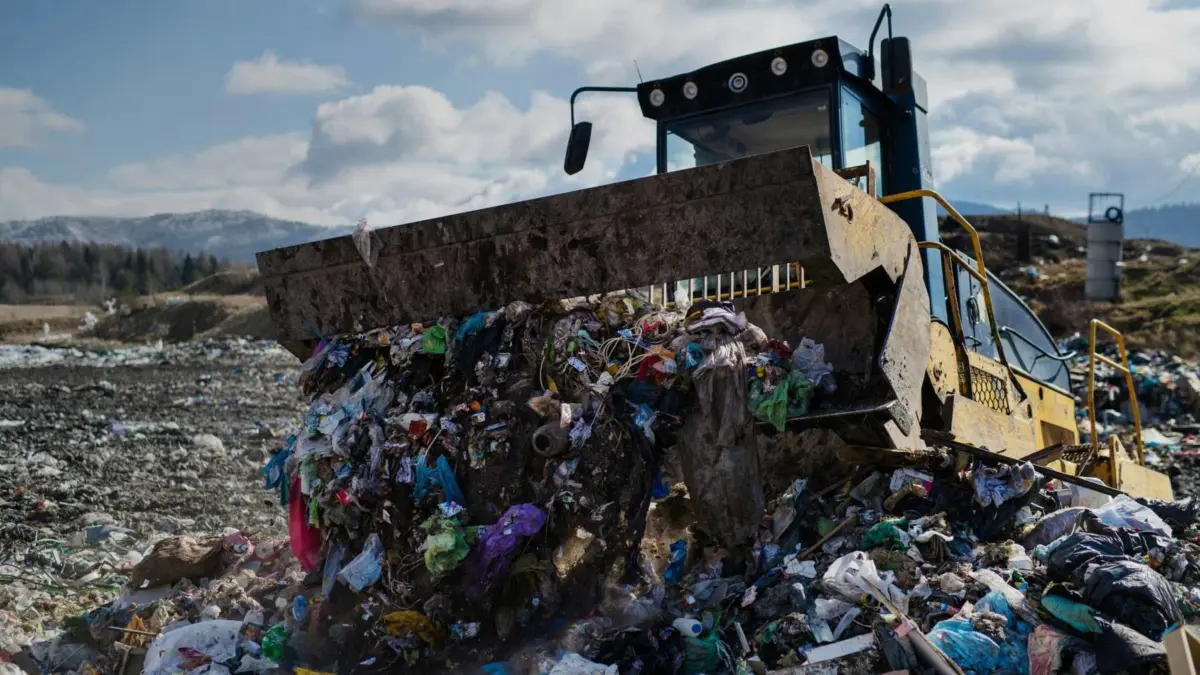
Global — For decades, anthropogenic pollution has cast an ever-lengthening shadow over the health and stability of our planet. Today, humanity generates an astonishing more than 2 billion tonnes of inorganic waste annually, a figure that continues to soar as modern consumer economies expand. The vast majority of these solid residues are mismanaged, discarded carelessly, or left to accumulate in landfills, waterways, and natural landscapes.
According to authoritative environmental assessments, this systemic failure in waste management is no longer a localized aesthetic issue; it is a profound existential crisis that accelerates climate change, decimates biodiversity, and exacts a devastating toll on human health worldwide. Without immediate, systemic interventions across all levels of society, experts warn that the situation will spiral beyond control, threatening the very foundations of habitable life on Earth.
Main Facts
The contemporary waste crisis is characterized by staggering quantitative metrics that underscore a systemic breakdown in how human societies extract, utilize, and dispose of materials.
- The Scale of Generation: The world currently produces over 2 billion tonnes of inorganic and solid waste every year. If current consumption patterns and population trajectories persist, this figure is projected to skyrocket to a staggering 3.8 billion tonnes annually by the year 2050.
- The Infrastructure Gap: Approximately 2.7 million people globally lack access to basic municipal waste collection services. This acute infrastructural deficit forces vulnerable populations to live amidst accumulating refuse, directly fueling public health emergencies.
- The Human Cost: Between 400,000 and 1 million people die prematurely every year as a direct result of diseases linked to poor waste management and general pollution. Conditions such as diarrhea, malaria, cardiovascular disorders, and various forms of cancer are frequently exacerbated or caused by unmanaged toxic polutants and open dumping.
- The Drivers of Ecological Collapse: Data from official studies and international bodies reveal that roughly 90% of global biodiversity loss is directly attributable to the extraction and consumption of natural resources, alongside sweeping land-use changes driven by human expansion and waste accumulation.
- The Triple Planetary Crisis: The UN Environment Programme (UNEP) highlights that everyday consumer choices, linear "take-make-waste" lifestyles, and poor regulatory frameworks directly feed into the "triple planetary crisis": accelerating climate change, rampant biodiversity loss, and widespread environmental pollution.
Chronology of a Crisis: From Industrial Expansion to Global Action
To understand how the world arrived at this precarious crossroads, it is essential to trace the historical and regulatory timeline of global waste generation and the growing international awakening to combat it.
1. The Post-War Consumer Boom and Linear Economies (Mid-to-Late 20th Century)
Following the Second World War, rapid industrialization, technological innovation, and the birth of modern consumerism radically transformed human habits. The introduction of synthetic materials—most notably plastics—pioneered a "throwaway culture." Economies adopted a strictly linear model: resources were extracted, manufactured into single-use or short-lived products, and subsequently discarded. For decades, the environmental consequences of this model were largely ignored, masked by the vast assimilative capacity of global ecosystems.
2. The Awakening of International Environmental Science (Late 20th Century – Early 2000s)
As mountains of refuse began to overwhelm municipal capacities and plastic debris started choking marine environments, scientists and early environmental movements raised the alarm. Studies began connecting municipal, industrial, agricultural, and construction waste to localized ecological degradation and global atmospheric shifts. However, binding international consensus and standardized global tracking mechanisms remained weak, fragmented by geopolitical divides and economic priorities that favored short-term growth over sustainability.
3. The 2024 UNEP Report and the Triple Planetary Crisis
A major turning point in modern environmental policy occurred with the release of the United Nations Environment Programme (UNEP) report in 2024. This landmark document crystallized the connection between day-to-day human consumption, systemic waste accumulation, and the interconnected threats of climate change, pollution, and nature loss. The report provided empirical backing to the reality that waste is not merely a localized nuisance, but a primary engine of global systemic collapse.
4. Establishment of World Clean-Up Day (September 20, 2024)
Recognizing the escalating urgency of the crisis, the United Nations General Assembly officially adopted a resolution on September 20, 2024, proclaiming that date as the official World Clean-Up Day. Designed to combat mounting anxiety over global pollution, this historic initiative aimed to mobilize millions of citizens, grassroots volunteers, local governments, and multinational corporations across more than 200 countries. The establishment of this global day marked a formal transition from passive observation to active, coordinated international intervention in waste prevention and site remediation.
Supporting Data and Sectoral Breakdown
The composition of global waste is as diverse as human activity itself. Refuse is generated across multiple sectors, each contributing uniquely to the overall environmental burden.
+--------------------------------------------------------------------------+
|                       GLOBAL SOLID WASTE SOURCES                         |
+--------------------------+-----------------------------------------------+
| Municipal Waste          | Household discards, packaging, food waste     |
| Agricultural Waste       | Pesticide containers, organic residues, films |
| Commercial & Industrial  | Manufacturing scrap, electronic waste, goods  |
| Construction & Demolition| Concrete, drywall, metals, hazardous debris   |
| Healthcare/Sanitary      | Pharmaceuticals, single-use medical plastics  |
+--------------------------+-----------------------------------------------+
The Anatomy of Waste Generation
- Municipal Solid Waste: Driven by urban expansion and consumer habits, households throw away millions of tonnes of packaging, electronics, food, and textiles daily.
- Commercial and Industrial Sectors: Factories, offices, and retail supply chains generate vast quantities of chemical byproducts, discarded materials, and non-recyclable packaging.
- Construction and Demolition: Rapid urbanization demands continuous building and tearing down of infrastructure, producing heavy debris that often lacks proper sorting and recycling infrastructure.
- Agricultural and Sanitary Operations: Modern farming relies heavily on plastics (such as greenhouse films and pesticide containers) and chemical inputs, while healthcare facilities produce hazardous, single-use medical wastes that require specialized, high-temperature incineration or sterilization.
The Mathematics of Inaction
The economic and ecological arithmetic is stark. If policies remain static, the projected leap from 2 billion tonnes to 3.8 billion tonnes by 2050 will overwhelm municipal budgets, choke critical river systems, and fill remaining land space with non-degradable materials. The financial cost of remediation—cleaning up oceans, restoring damaged soils, and treating pollution-related illnesses—already runs into the hundreds of billions of dollars annually, far outpacing the investments currently dedicated to sustainable waste infrastructure.
Official Responses and Institutional Strategies
Governments, international organizations, and civil society are increasingly pivoting toward structured, systemic frameworks to halt the degradation caused by unmanaged refuse.
The United Nations and International Frameworks
At the intergovernmental level, entities like the UNEP and the UN General Assembly are pushing for binding global agreements. The institutionalization of World Clean-Up Day in 2024 serves as a pillar for community mobilization, proving that governments alone cannot solve the crisis without robust public engagement. International bodies are actively urging member states to adopt circular economy models—frameworks designed to eliminate waste, keep products and materials in use, and regenerate natural systems.
Corporate and Municipal Responsibilities
Forward-thinking municipalities and progressive corporations are rethinking product lifecycles through Extended Producer Responsibility (EPR) laws. These regulations require manufacturers to finance the collection, recycling, and safe disposal of their products. Furthermore, investments in smart-sorting technologies, advanced recycling plants, and organic composting facilities are beginning to turn the tide in regions with progressive environmental governance.
Implications for the Future: A Choice Between Action and Collapse
The implications of the global waste crisis extend far beyond overflowing landfills and littered coastlines. They touch upon the core determinants of human survival and societal progress.
1. Ecological and Climatic Consequences
Unmanaged organic waste decomposes in anaerobic conditions to produce methane—a greenhouse gas significantly more potent than carbon dioxide in the short term. Simultaneously, inorganic waste, particularly plastics, breaks down into microplastics that infiltrate marine food webs, terrestrial soils, and even human bloodstreams. The continuous degradation of natural habitats through waste accumulation directly drives the ongoing extinction crisis, undermining the resilience of ecosystems that humanity relies upon for clean air, water, and food security.
2. Socioeconomic Injustice and Public Health Disparities
The burden of the global waste crisis falls disproportionately on marginalized communities and developing nations. Millions of people lacking basic waste collection services are forced to live near informal dump sites, where burning plastic releases toxic dioxins and heavy metals into the air. The resulting chronic illnesses—ranging from respiratory failure to cancers—perpetuate cycles of poverty and strain fragile public healthcare systems.
3. The Imperative of Collective Transformation
Experts emphasize that the crisis of waste is fundamentally a crisis of design, behavior, and policy. Overcoming it requires a radical shift in human consciousness. As international initiatives like World Clean-Up Day demonstrate, grassroots mobilization combined with top-down regulatory enforcement can foster a culture of sustainability.
Ultimately, protecting the planet from the suffocating weight of its own refuse demands immediate, unified action across all sectors of society. Transforming how we consume, manage, and value resources is no longer a matter of environmental idealism—it is an absolute prerequisite for ensuring a habitable, prosperous future for generations to come.


Leave a Reply