

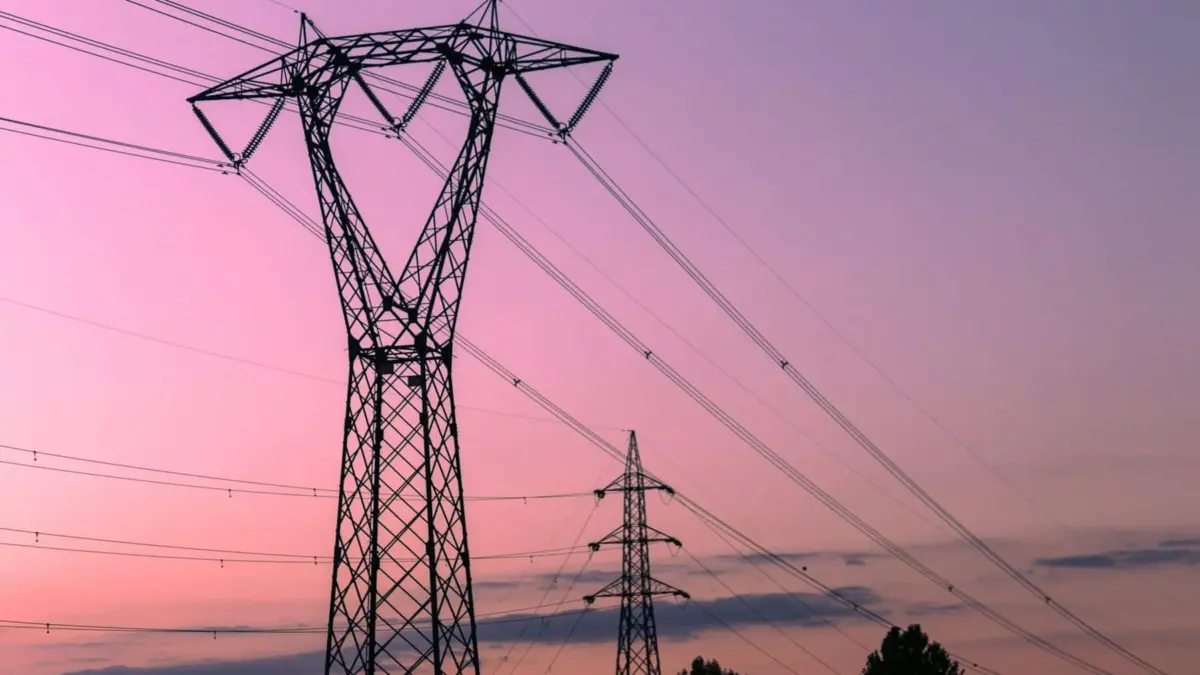
LONDON — Humanity has officially crossed the threshold into the "Era of Electricity," a transformative period defined by an unprecedented, structural acceleration in global power consumption. According to a comprehensive mid-term outlook published by the International Energy Agency (IEA), the global appetite for electrical energy is set to escalate dramatically over the next few years.
While worldwide electricity demand grew by a stable 3% in 2025, the IEA projects that the pace will quicken significantly, expanding by 3.6% in 2026 and 3.8% in 2027. In absolute terms, global electricity consumption is forecast to skyrocket from 28,600 terawatt-hours (TWh) in 2025 to a staggering 30,700 TWh by 2027.
This compounding growth is no temporary spike; it is being driven by fundamental structural shifts across the global economy. From the relentless buildout of energy-intensive data centers powering artificial intelligence to the mass adoption of electric vehicles (EVs), heat pumps, and residential air conditioning, electricity is rapidly replacing direct fossil fuel use as the primary engine of modern civilization. However, this transition is not unfolding in a vacuum. It is being accompanied by complex market disruptions, shifting geopolitical pressures, and a monumental race to modernize and decarbonize power grids worldwide.
1. Main Facts: The Anatomy of the Global Power Surge
At the heart of the IEA’s latest findings is a stark reality: the world is demanding more power than ever before, and traditional energy infrastructures are being forced to adapt at breakneck speed.
The Core Drivers of Growth
The dramatic acceleration to nearly 4% annual demand growth is propelled by four distinct pillars:
- The Digital Boom: The exponential expansion of cloud computing, enterprise data storage, and generative artificial intelligence has turned data centers into massive, round-the-clock baseload consumers, particularly in North America, China, and parts of Europe.
- Electrification of Transport: The accelerating market penetration of EVs globally is shifting millions of barrels of oil demand directly onto the electrical grid.
- Climate Control and Heating: Widespread adoption of residential and commercial air conditioning — driven by rising global temperatures — alongside the rollout of efficient heat pumps in cold-weather climates, is causing unprecedented seasonal peak loads.
- Industrial Expansion: Developing economies, particularly in Asia, are electrifying heavy manufacturing processes to meet both productivity goals and long-term environmental targets.
Regional Consumption Dynamics
The burden and benefits of this growth are distributed unevenly across the globe:
- China: As the world’s largest consumer, China’s demand is expected to accelerate to a formidable 5.5% in 2026, driven by heavy manufacturing and surging EV charging infrastructure.
- India: After a 2025 characterized by moderate growth due to anticipated weather anomalies, India’s power demand is projected to rebound sharply, surging by 7%.
- United States: Driven heavily by the clustering of data centers in states like Virginia, alongside heightened cooling requirements, U.S. electricity consumption is on track to grow by nearly 2%.
- European Union: The bloc will see its demand growth firm up to 2%, bolstered by ongoing industrial electrification and the compounding effects of colder winter heating cycles.
2. Chronology of the Transition: From 2025 to 2027
Understanding the trajectory of the "Era of Electricity" requires mapping out the rapid, year-by-year evolution of the global energy landscape as detailed by international monitors and market analysts.
2025: The Foundation of Parity
- Baseline Consumption: Global electricity demand reaches 28,600 TWh, supported by a steady 3% year-on-year growth rate.
- The Renewable Tipping Point: Clean energy generation nearly achieves absolute parity with coal on a global scale, setting the stage for a historic handover. However, localized weather patterns temporarily moderate demand growth in major developing hubs like India.
2026: The Acceleration and the Coal Pivot
- Demand Escalation: Global electricity demand growth accelerates to 3.6%.
- The Renewable Triumph: Power generated from renewable sources officially surpasses coal-fired generation globally, with total renewable output jumping by more than 8%. Solar photovoltaic (PV) generation alone expands by roughly 600 TWh, overtaking wind to become the world’s second-largest renewable source behind hydroelectricity.
- The Geopolitical Shock: Temporary supply disruptions affecting 20% of global Liquefied Natural Gas (LNG) availability — exacerbated by bottlenecks and tensions around the strategic Strait of Hormuz — trigger severe price volatility. In response, several Asian and European nations are forced into a temporary tactical pivot back to coal-fired generation.
- Emissions Bump: Driven by this short-term shift back to coal and fossil-heavy weather conditions, global power sector CO2 emissions tick upward by 1%.
2027: Stabilization and Nuclear Renaissance
- Peak Growth: Global electricity demand growth peaks at an estimated 3.8%, bringing total global consumption to 30,700 TWh.
- Emissions Plateau: Driven by the massive integration of new renewables and nuclear power, global power sector emissions return to a stationary, flat trajectory, effectively halting further fossil-fuel expansion.
- Nuclear Resurgence: Following a period of maintenance delays and sluggish growth in 2026, global nuclear power generation surges by over 4%. This is powered by the commissioning of new reactors across China and India, alongside the robust, steady output of fleets in the United States and France.
3. Supporting Data: Market Metrics and Microeconomic Realities
The transition toward a heavily electrified global economy is laying bare profound shifts in pricing, market structures, and energy resource allocation.
The Rise of Solar Dominance
Solar energy continues to shatter expectations. By 2026, the share of global electricity generated by renewables will surge from 33% (the 2025 baseline) to 37%. Solar PV’s projected addition of 600 TWh in a single year underscores how rapidly manufacturing capacity and falling module costs are reshaping national grids.
Gas Market Volatility and Fossil Rebounds
The fragility of global fuel supply chains was sharply highlighted when LNG supply constraints near the Strait of Hormuz sent gas prices in Europe and Asia soaring to levels not witnessed since the energy crises of 2022–2023. While temporary, this price shock effectively stalled what would have been a natural decline in gas-fired electricity generation, holding it flat through 2026 and forcing a brief reliance on coal.
Intra-Day Volatility and Grid Flexibility
As intermittent renewable energy forms like solar and wind account for a larger share of the energy mix, grids are experiencing unprecedented intra-day price swings. This volatility highlights the absolute necessity of modern, flexible grid infrastructure and energy storage solutions:
- Spain: The frequency of hours featuring negative wholesale electricity prices climbed to 17%, illustrating moments of massive over-generation relative to immediate demand.
- Australia: Conversely, an average wholesale price reduction of 45% year-on-year was recorded, directly credited to robust renewable output paired with the aggressive, rapid deployment of utility-scale battery storage systems.
4. Official Responses and Industry Stakeholder Perspectives
Energy ministers, market regulators, and international organizations have been quick to react to the projections laid out in the IEA’s mid-term outlook.
International energy analysts emphasize that while the rapid expansion of clean energy is a triumph of policy and engineering, the simultaneous surge in demand creates a razor-thin margin for error.
"We are no longer discussing a distant future where electricity powers the world—that future is arriving now, at a velocity that catches traditional infrastructure flat-footed," noted a prominent energy market strategist. "The challenge of the late 2020s is not finding green generation capacity; it is building the resilient, highly flexible transmission grids required to balance these unprecedented loads."
Industrial leaders in the technology and automotive sectors have echoed these concerns. With data center operators signing multi-year power purchase agreements (PPAs) directly with nuclear and solar providers, corporate energy procurement is undergoing a paradigm shift. Companies are no longer passive consumers paying utility rates; they are active architects of regional energy markets, seeking out dedicated zero-carbon power supplies to fuel their expansion without violating corporate climate commitments.
Meanwhile, representatives from developing economies have reiterated the critical need for international climate finance. While countries like India and China are scaling up both renewables and baseline nuclear capacity at historic rates, balancing grid reliability with affordable power for rapidly industrializing populations remains a high-stakes balancing act.
5. Implications: Navigating the Era of Electricity
The implications of the IEA’s 2026–2027 outlook extend far beyond utility balance sheets. They represent a fundamental restructuring of geopolitical power, environmental accountability, and technological development.
The Imperative of Grid Modernization
The emergence of negative pricing events in markets like Spain and dramatic cost-reductions via storage in Australia point the way forward. Grids designed in the 20th century for unidirectional, fossil-fuel-based power flows cannot cope with the decentralized, intermittent, and hyper-volatile nature of the Era of Electricity. Governments and private investors must prioritize capital expenditure on:
- High-Voltage Direct Current (HVDC) Interconnectors: To move renewable power seamlessly across regional and national borders.
- Utility-Scale Battery Storage Systems (BESS): To capture excess generation during peak solar and wind hours and discharge it during evening demand spikes.
- Demand-Response Technologies: Smart-grid protocols that automatically throttle non-essential industrial or residential loads during periods of grid stress.
Managing the Emissions Plateau
While it is an encouraging milestone that global power sector CO2 emissions are projected to flatline and eventually decouple from surging demand by 2027, a temporary 1% bump in 2026 demonstrates how fragile progress can be when fossil fuel bottlenecks occur. Ensuring that future energy shocks do not trigger recursive retreats to coal requires building redundancy exclusively through clean energy buffers and diversified supply chains.
Conclusion: A Defining Decade for Power
The world has crossed an irreversible Rubicon. The Era of Electricity promises a cleaner, highly dynamic, and deeply electrified global economy, but it demands an unprecedented level of vigilance, investment, and international cooperation. As demand charges toward 30,700 TWh by 2027, the decisions made today by policymakers, grid operators, and energy investors will determine whether this new era succeeds in powering human progress sustainably, or buckles under the weight of its own ambition.



Leave a Reply