


Main Facts
For travelers, the journey often begins long before a ticket is purchased, sparked by the imagination of what a destination might hold—its streets, aromas, architecture, and hidden corners. In its official outlook for 2026, the renowned international travel guide Lonely Planet has once again placed Colombia firmly on the global tourism map. Eschewing the notion of a single monolithic tourist experience, the publication has handpicked four of the country’s major urban centers—Cartagena, Medellín, Cali, and Bogotá—highlighting how their distinct identities cater to a diverse array of global travelers.
From the historic, sun-drenched colonial walls of the Caribbean coast to the innovative, mountain-perched neighborhoods of the Andes, the salsa-infused streets of the Valle del Cauca, and the high-altitude cultural epicenter of the capital, Colombia’s urban landscape is enjoying an unprecedented international renaissance. Rather than marketing the country solely on its ecological biodiversity or coffee regions, Lonely Planet’s 2026 selection emphasizes that Colombian cities have matured into world-class cultural, culinary, and historical hubs.
Chronology: The Evolution of Colombia’s International Tourism Profile
To understand the significance of Lonely Planet’s 2026 accolades, it is essential to trace the historical trajectory of Colombia’s tourism sector over the past two decades:

- The Early 2000s (The Turning Point): Following decades of security challenges that kept international travelers at bay, Colombia began implementing rigorous national security and infrastructure strategies. Major cities initiated urban renewal projects to reclaim public spaces.
- The 2010s (The Boom of Recognition): International media outlets and travel guides began shifting their narratives. Cities like Medellín gained global acclaim for innovative social urbanism—exemplified by its cable cars and escalators connecting marginalized hillside communities. Cartagena solidified its status as a luxury and romantic getaway, while Bogotá established itself as a business and gastronomic powerhouse.
- The Post-Pandemic Resurgence (2021–2024): As global travel resumed, Colombia emerged as a top-tier destination, prized for offering high value, rich authenticity, and diverse micro-climates. Government agencies, notably ProColombia, ramped up targeted campaigns focusing on sustainable and community-led tourism.
- The 2026 Outlook (The Current Milestone): Lonely Planet releases its definitive rankings for 2026, officially enshrining Cartagena among the world’s top 25 global destinations, while validating Medellín, Cali, and Bogotá as indispensable pillars of South American travel.
Supporting Data: What Makes the Fab Four Stand Out?
The inclusion of these four Colombian cities is backed by distinct attributes that appeal to modern travelers seeking immersion, heritage, and local flavor.
Cartagena: Where History Meets Caribbean Nightlife
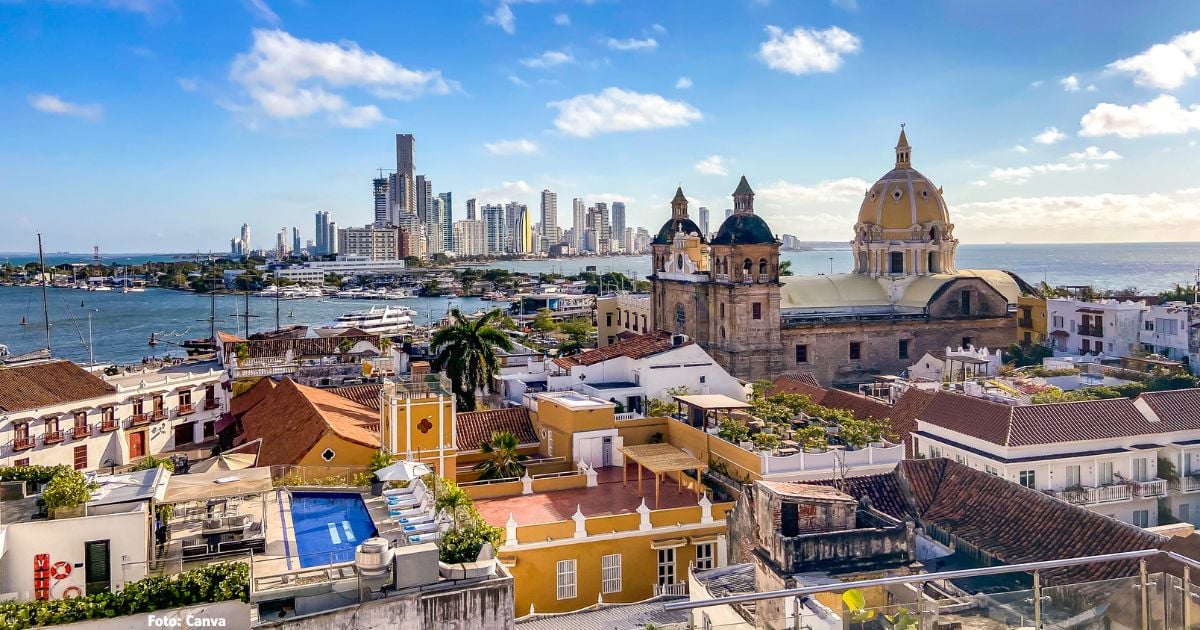
Ranked among the top 25 destinations globally for 2026 by Lonely Planet, Cartagena remains the crown jewel of Colombia’s Caribbean coast. The city seamlessly bridges centuries-old heritage with vibrant contemporary energy.
- Architectural Heritage: The UNESCO-recognized walled city (Centro Histórico) features impeccably preserved colonial architecture, centuries-old plazas, and cascading bougainvillea adorning wooden balconies.
- Cultural Neighborhoods: Districts like Getsemaní offer a stark, vibrant contrast to the formal colonial center, alive with street art, community spirit, and open-air music.
- Gastronomic Evolution: Historic mansions have been repurposed into high-end restaurants, while rooftop terraces offer panoramic views of the Caribbean sunset. As night falls, Cartagena shifts gears, transforming into a hub of salsa clubs, boutique bars, and lively plazas.
Medellín: The Capital of Urban Innovation and Eternal Spring
Often dubbed the "City of Eternal Spring," Medellín’s inclusion centers on its remarkable narrative of reinvention, climate, and artistic identity.

- Social Urbanism: Lonely Planet highlights districts such as Comuna 13 and Moravia, where community-led art, outdoor escalators, and cable car systems (like the Metrocable leading up to Parque Arví) have turned urban planning into a tourist attraction.
- Artistic Legacy: The city celebrates the profound influence of master artist Fernando Botero, whose sculptures and paintings are embedded in public plazas and museums throughout the metropolis.
- Accessibility: For short-term visitors, Medellín offers a compact, highly connected urban ecosystem where fine dining, avant-garde museums, and breathtaking mountain viewpoints are easily accessible within a single day.
Cali: The World Capital of Salsa
While some cities are best explored on foot, Cali demands to be experienced through movement. Recognized as Colombia’s rhythm capital, Cali offers a deeply kinetic travel experience.
- Musical Identity: Salsa is not merely a genre in Cali; it is the heartbeat of the city. Traditional salsa clubs (salsotecas) and specialized dance academies welcome international visitors to master foundational steps before hitting the floor.
- Cultural Fabric: Beyond the nightlife, Cali complements its musical reputation with a rich culinary scene, lush green parks, and an architectural heritage rooted in the warmth of the Colombian Pacific.
Bogotá: The Cosmopolitan High-Altitude Epicenter
As the nation’s political and cultural capital, Bogotá presents a sophisticated juxtaposition of history, high-altitude landscapes, and modern cosmopolitan life.
- World-Class Museums: The guide highlights the legendary Museo del Oro (Gold Museum), housing the world’s largest collection of pre-Hispanic gold artifacts, alongside the Museo Botero, which features over 120 pieces by the master alongside works by European masters like Picasso and Monet.
- Modern Districts: Neighborhoods such as Chapinero and the Zona Rosa offer a sprawling tapestry of craft breweries, groundbreaking farm-to-table restaurants, and independent art galleries, cementing Bogotá’s status as a modern global metropolis.
Official Responses and Institutional Reactions
The recognition by Lonely Planet has prompted enthusiastic responses from tourism authorities and local government officials across Colombia.
Carmen Caballero, President of ProColombia, noted in a recent statement: "This international endorsement is a testament to the hard work of local communities, regional governments, and the tourism sector as a whole. Colombia is no longer viewed as a hidden secret; we are recognized as a diverse, sophisticated destination capable of satisfying the most demanding global travelers."
Local mayors in Cartagena, Medellín, Cali, and Bogotá have similarly emphasized that these accolades bring a renewed responsibility toward sustainable tourism management. Municipal administrations are currently doubling down on infrastructure investments, pedestrianization of historical centers, and the promotion of eco-friendly, community-led initiatives to ensure that the influx of 2026 travelers benefits local economies directly.
Implications for the Future of Colombian Tourism
The designation of these four cities by a premier authority like Lonely Planet carries profound economic, cultural, and structural implications for Colombia:

- Economic Growth and Job Creation: An increase in international arrivals directly stimulates the hospitality, gastronomy, and transportation sectors, creating thousands of formal jobs in urban areas.
- Decentralization of Tourism: By highlighting four distinct cities rather than just one flagship destination, the recognition encourages travelers to explore beyond traditional corridors, distributing economic benefits more evenly across different regions of the country.
- Infrastructure Upgrades: To maintain international standards, local governments are accelerating investments in public transportation, multilingual signage, and digital tourism services.
- Preservation of Cultural Heritage: Greater global interest fosters a heightened sense of local pride, encouraging communities to safeguard their historical architecture, culinary traditions, and indigenous arts.
Ultimately, Lonely Planet’s endorsement of Cartagena, Medellín, Cali, and Bogotá reaffirms that Colombia cannot be fully understood or experienced in a single visit. Each city offers a distinct portal into the nation’s soul—where history faces the Caribbean, art meets mountain innovation, music dictates the rhythm of daily life, and the nation’s cultural memory is preserved for the world to see.




Leave a Reply