

By Investigative Desk
Published in association with global security and geopolitical briefings
Main Facts: The Siege of the Caribbean
The picturesque beaches of Santa Marta and the lush slopes of the Sierra Nevada de Santa Marta—a region globally celebrated for its biodiversity and vibrant tourism—are currently frozen in a state of suffocating terror. The Autodefensas Conquistadoras de la Sierra Nevada (ACSN), a potent and deeply entrenched narcoparamilitary syndicate, have plunged the region into a crippling de facto "armed strike" (paro armado).
Commerce has ground to a complete halt; metallic shutters remain bolted shut across capital storefronts, streets that typically teem with international tourists are eerily deserted, and public transportation has vanished out of sheer self-preservation. Those few brave merchants who have dared to defy the syndicate’s sweeping ultimatums have been met with immediate, targeted gunfire, turning commercial facades into bullet-riddled warnings.
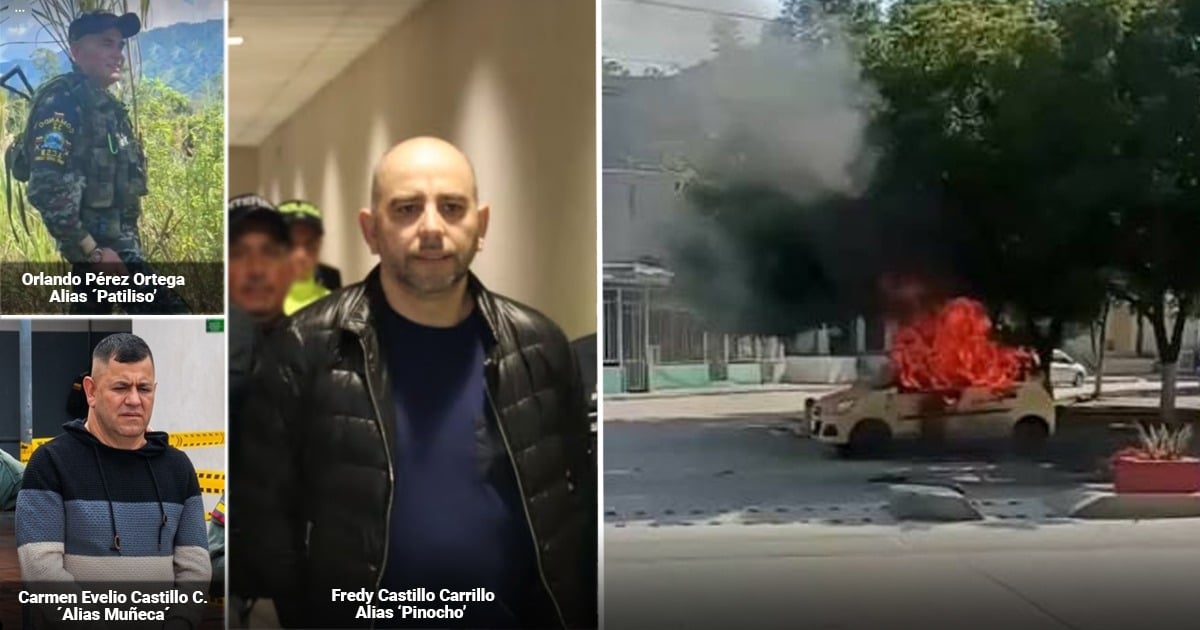
This wave of violence and economic strangulation is the stark manifestation of a high-stakes geopolitical game. Once granted unprecedented national legitimacy under the former administration’s "Total Peace" initiative, the ACSN now finds itself in the absolute crosshairs of the current government led by President Abelardo de la Espriella. Following the collapse of peace talks, the administration has unleashed a rigorous military and judicial manhunt. With high-ranking commanders neutralized or hunted across continents, the organization has pivoted from political posturing to brute intimidation, demonstrating that the shadow of paramilitary dominance in northern Colombia remains as lethal and entrenched as it was two decades ago.
Chronology: From Giraldo’s Empire to the Collapse of "Total Peace"
To understand the current crisis in the Colombian Caribbean, one must trace a violent historical lineage spanning over twenty years:
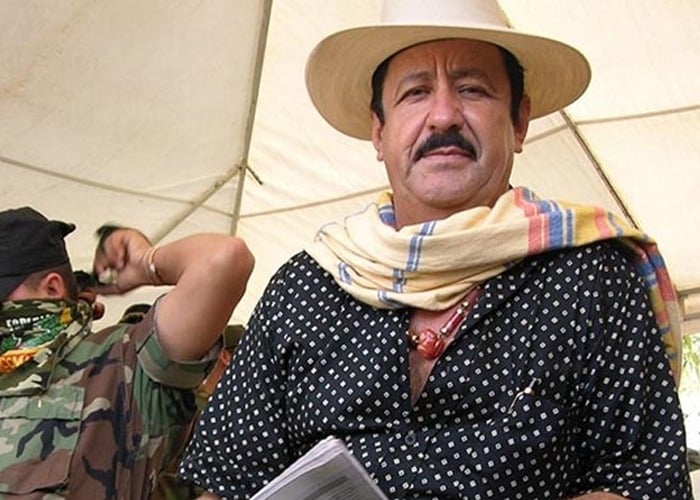
- The Era of "Taladro" (Late 1990s – Mid-2000s): Under the command of Hernán Giraldo Serna—notoriously known as Taladro—the Frente Resistencia Tayrona reigned supreme over the Sierra Nevada as part of the broader Autodefensas Unidas de Colombia (AUC). Giraldo combined the systematic drug trade with an absolute, tyrannical control over the local populace, perpetrating widespread atrocities.
- The Mutation (Mid-2000s): Following the nominal demobilization of the AUC, Giraldo’s criminal machinery did not vanish. It morphed, giving rise to successive criminal structures—initially known as Los Pachenca—which preserved the exact routes of drug trafficking to the Caribbean and extortion networks.
- August 2024: Then-President Gustavo Petro officially decrees the opening of exploratory peace talks with the Autodefensas Conquistadoras de la Sierra Nevada, seeking their formal submission to justice. This grants the organization an unprecedented level of national political visibility.
- Early 2025: The exploratory phase of the dialogue concludes. Oscar Mauricio Silva represents the National Government, while alias Cholo acts as the primary delegate for the armed group.
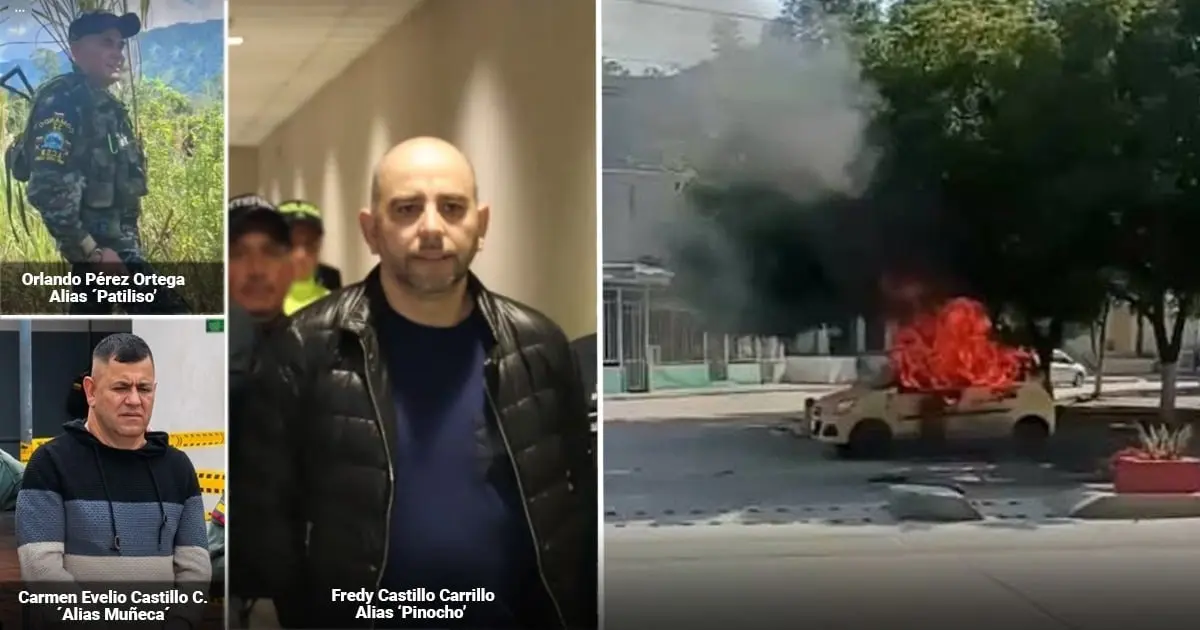
- Mid-2024 to Early 2026: Key underworld figures face severe law enforcement pressure. Carmen Evelio Castillo Carrillo (alias Muñeca) is captured in Pereira on June 4, 2024, attempting to undergo plastic surgery. Fredy Castillo Carrillo (alias Pinocho) sees his provisional freedom under the peace framework revoked, triggering renewed extradition requests to the United States.
- Recent Weeks: Abelardo de la Espriella ascends to the presidency and immediately shatters any remaining pretense of negotiation. The government ramps up operations, resulting in the neutralization of alias Cholo and targeted raids against operatives like the capo known as Bendito Menor. In retaliation and desperation, the ACSN locks down Santa Marta and surrounding departments with terror.
Supporting Data: The Criminal Architecture and Illicit Economies
The resilience of the Autodefensas Conquistadoras de la Sierra Nevada relies on a sophisticated corporate-style criminal structure that manages billion-dollar transnational drug pipelines and regional racketeering.

The Leadership Triangle
Intelligence reports from Colombian security forces and international agencies identify three primary pillars currently directing the organization:
- Fredy Castillo Carrillo (Alias Pinocho): Identified as the supreme political, financial, and strategic mastermind. A veteran of Giraldo’s Resistencia Tayrona, Pinocho managed to internationalize his operations, spending time in Spain—where he was captured by Interpol in January 2022 before being extradited to Colombia. Though he briefly enjoyed provisional freedom as a designated peace spokesperson, he is currently a fugitive facing active extradition requests to the United States. Pinocho has consistently maintained a public facade of legitimacy, claiming to be a businessman involved in marble and ceramic exports and a victim of the conflict.
- Carmen Evelio Castillo Carrillo (Alias Muñeca): Brother to Pinocho and the chief military and logistical commander. With nearly two decades in the criminal underworld, Muñeca took over reins previously held by figures like 80. Under his command, the network coordinated the export of an estimated over 60 tons of cocaine annually to North American and European markets. His June 2024 arrest in Pereira—while checking into a clinic under a false identity for facial reconstruction surgery—dealt a severe blow to the syndicate’s logistics.
- Orlando Pérez Ortega (Alias Patilizo or Pataliso): Rising through the ranks as military pressure dismantled older commanders, Patilizo now controls critical territorial corridors, illegal mining ties, and drug transit routes across the rugged terrain of the Sierra Nevada. He remains a top-tier target for state security forces.
The Illicit Portfolio
- Drug Trafficking: Direct access to Caribbean maritime routes allows the ACSN to move massive multi-ton shipments of cocaine, often competing violently with rival structures such as the Clan del Golfo.
- Extortion: A ubiquitous system of quotas imposed upon cattle ranchers, transport workers, local merchants, and hoteliers across Magdalena, La Guajira, and Cesar.
- Illegal Mining: Exploitation of mineral resources in protected ecological zones, funding their war chest while devastating local environments.
Official Responses: A Shift in State Policy
The official stance toward the Autodefensas Conquistadoras has undergone a tectonic shift. Under the previous administration’s "Total Peace" paradigm, figures like Pinocho enjoyed political platforms, temporary immunities, and official dialogue tables designed to encourage collective demobilization. Proponents of that policy argued that negotiated settlements were the only way to permanently dismantle deeply rooted regional mafias and spare civilian lives.
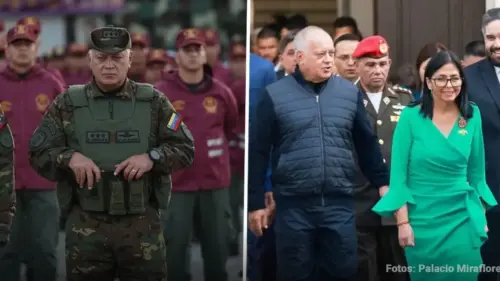
However, the political landscape transformed radically with the inauguration of President Abelardo de la Espriella. Adopting a hardline, zero-tolerance approach to organized crime, the new administration immediately severed all channels of dialogue with the ACSN.
"There is no negotiation with narco-terrorists who hold the civilian population hostage," administration officials have signaled, pivoting the state’s posture from appeasement to total kinetic and judicial confrontation. This assertive policy was underscored by the rapid dismantling of peace mechanisms, the authorization of high-impact military operations that led to the death of alias Cholo, and intense cross-agency cooperation with international law enforcement—exemplified by the FBI-assisted trap that neutralized the capo Bendito Menor.
While security forces maintain that military pressure is the sole path to restoring public order, human rights organizations have expressed concern over the immediate collateral damage and the high risk civilian populations face as criminal networks lash out in response to state offensives.
Implications: The Fragile Future of the Colombian Caribbean
The unfolding crisis in Santa Marta carries profound implications for the social, economic, and political fabric of Colombia:

- Economic Devastation: The tourism industry, which serves as the lifeblood of the Magdalena department, faces catastrophic losses. Travelers are canceling reservations en masse, and local businesses, already squeezed by extortion, face bankruptcy due to enforced shutdowns.
- The Limits of State Reach: The ease with which the ACSN can enforce an armed strike demonstrates that while high-value targets like Muñeca can be captured and commanders like Cholo neutralized, the foundational territorial control built by decades of paramilitarism cannot be easily erased by force alone. The syndicates retain deep social roots, economic leverage, and logistical adaptability.
- The Battle for Legitimate Governance: The current confrontation serves as a core test for President de la Espriella’s security doctrine. If the state successfully breaks the siege of Santa Marta and captures or neutralizes fugitive kingpins like Pinocho and Patilizo, it will establish a formidable precedent for state authority. Conversely, a prolonged stalemate risks plunging the Caribbean coast back into the darkest days of open paramilitary rule.
Ultimately, Santa Marta’s empty streets and shuttered storefronts stand as a stark reminder: the ghosts of the Sierra Nevada have not been laid to rest. They have simply changed their names, adapted their methods, and are currently waging a desperate war to preserve their criminal empire against a newly resolute state.



Leave a Reply