

By Global Energy & Policy Desk
Published: October 2023
Main Facts: A Paradigm Shift in New York’s Energy Architecture
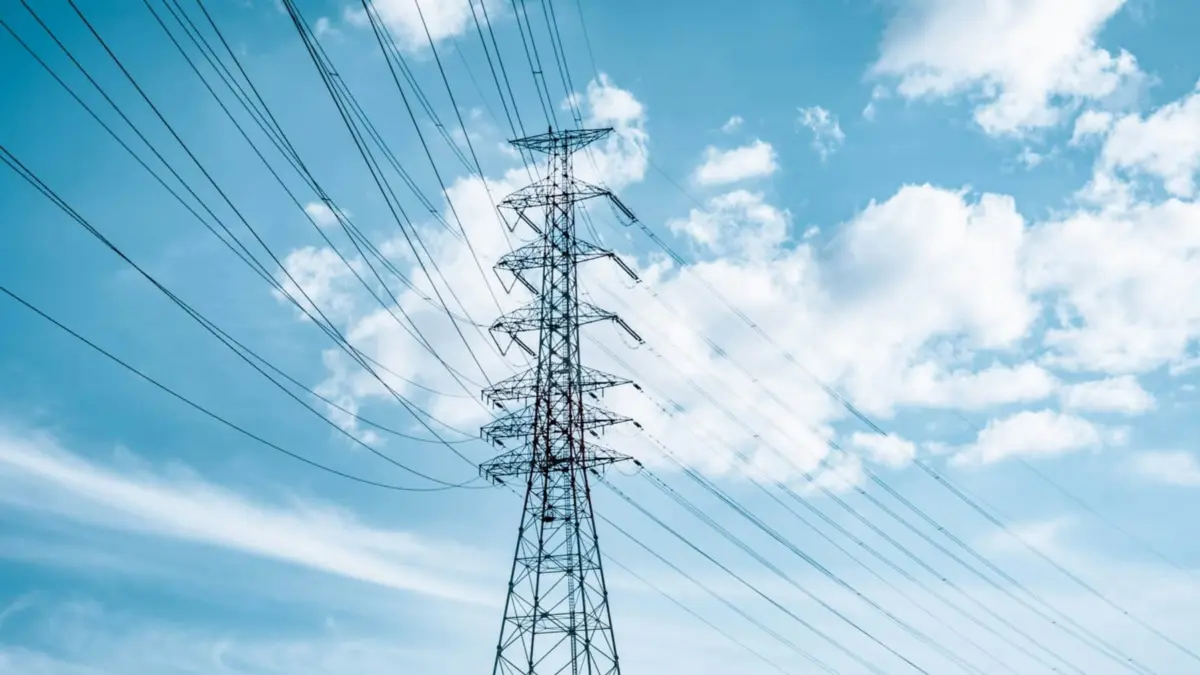
New York State is aggressively accelerating its transition toward a carbon-neutral future. In a decisive move to modernize its electrical grid and meet surging power demands, the administration of Governor Kathy Hochul has officially launched the Energy Infrastructure Development Program (EIDP). This visionary initiative has drawn immediate praise and strategic backing from prominent environmental policy groups, most notably the Clean Air Task Force (CATF), which views the policy as a vital milestone for regional energy security and climate mitigation.
The EIDP arrives at a critical juncture in American infrastructure history. For over a century, New York’s electrical grid has relied heavily on fossil fuels, imposing a steep environmental toll characterized by chronic atmospheric pollution and greenhouse gas emissions. Today, the state faces a compound challenge: the urgent necessity to decommission polluting legacy assets, combined with an unprecedented surge in electricity demand driven by the rapid expansion of artificial intelligence (AI) data centers, advanced manufacturing, and the large-scale electrification of the transportation and heating sectors.
To navigate this delicate balancing act, Governor Hochul’s administration introduced the overarching CHARGE agenda. This comprehensive policy framework aims to build a power supply system that is simultaneously clean, highly affordable, and structurally adaptable. By prioritizing investments in transmission line expansion, grid modernization, and diverse zero-emission generation sources—including solar, wind, and advanced nuclear technologies—New York is positioning itself as a national leader in modern energy governance.
While the CATF has lauded the state’s proactive stance, it has also stepped forward with a detailed advisory framework. Through a formal submission to the New York State Public Service Commission, the organization outlined three strategic recommendations designed to ensure the EIDP achieves its ambitious long-term goals without compromising economic stability or system reliability.
Chronology: The Phased Rollout of the EIDP
The implementation of the Energy Infrastructure Development Program is structured across a meticulous, multi-year timeline designed to minimize market disruption while aggressively pursuing emissions reduction targets.
Phase 1: Assessment and Data Collection (Current – 2024)
The initial phase of the EIDP is already underway. Regulatory bodies, state agencies, and industry stakeholders are currently engaged in intensive data collection and needs-assessment exercises. This phase focuses heavily on mapping out the state’s most acute vulnerabilities regarding power supply, transmission bottlenecks, and localized storage deficiencies. By engaging with energy developers, utility providers, and consumer advocacy groups, the state is establishing a baseline inventory of infrastructural requirements needed to support upcoming load growth.
Phase 2: The Master Grid Plan (2025)
Scheduled for rollout next year, Phase 2 represents the architectural heart of the EIDP. During this period, the state will synthesize the data gathered during Phase 1 to design and officially publish a comprehensive "Master Grid Plan." This blueprint will serve as a legally and operationally binding roadmap, aligning state-level climate mandates with long-term utility investments. It will explicitly dictate where new transmission corridors must be built, how renewable energy zones will interconnect with urban load centers, and how emerging storage assets will be deployed.
Phase 3: Construction, Integration, and Operation (2030 – 2035)
The final phase of the EIDP bridges the gap toward New York’s statutory climate deadlines under the Climate Leadership and Community Protection Act (CLCPA). Between 2030 and 2035, the newly planned generation facilities, high-voltage transmission lines, and large-scale energy storage systems will transition from the drawing board into active operation. This period will witness the physical transformation of the grid, phasing out remaining high-emission peaking plants and integrating massive tranches of offshore wind, utility-scale solar, and potentially next-generation firm zero-carbon power sources.
Supporting Data: The Rising Pressures of Modern Electrification and the Illinois Precedent
To fully appreciate the scope of New York’s new initiative, one must examine the macroeconomic and technological pressures compelling state governments to rethink traditional power grid planning.
The AI Boom and Grid Strain
For decades, electricity demand in the United States grew at a predictable, sluggish rate of roughly 1% per year. However, the exponential rise of generative artificial intelligence, cloud-computing hyperscale facilities, and crypto-mining operations has fundamentally broken this historical curve. Modern AI data centers require continuous, uninterrupted baseload power on a scale previously reserved for heavy heavy-metal manufacturing. When combined with the progressive electrification of residential heating (heat pumps) and passenger vehicles, New York faces a projected surge in electricity consumption that legacy distribution networks simply cannot support without catastrophic bottlenecks.
The Nuclear, Wind, and Solar Triad
Recognizing that intermittent renewables alone cannot guarantee system stability during prolonged periods of low wind and cloud cover, forward-thinking states are adopting a portfolio approach. Solar and wind provide cheap bulk energy when environmental conditions are optimal, but advanced nuclear energy, enhanced geothermal systems, and long-duration energy storage are increasingly recognized as indispensable components of a reliable zero-emission grid.
Learning from the Midwest: The Illinois Blueprint
New York’s EIDP does not exist in a vacuum; it draws clear inspiration from legislative pioneers in other industrial states. Earlier this year, Illinois made national headlines by passing the groundbreaking Clean and Reliable Grid Affordability Act. This landmark legislation allocated critical resources to the state government to redesign its electrical system architecture, proactively addressing generation shortfalls through targeted investments in alternative energy sources and localized grid storage. By observing the early successes and regulatory hurdles faced by Illinois, New York has been able to tailor its EIDP to avoid common pitfalls associated with centralized energy planning.
Official Responses: The Clean Air Task Force’s Three-Pillar Advisory
The Clean Air Task Force has emerged as one of the most vocal champions of Governor Hochul’s initiative, while simultaneously acting as a rigorous critical partner. John Carlson, a senior policy analyst at CATF, offered high praise for the state’s direction:
"Governor Hochul’s announcement represents a truly innovative effort to establish centralized, comprehensive electrical planning for New York. The EIDP demonstrates to the rest of the nation that clean energy alternatives can be scaled systematically to decompress the grid while guaranteeing deep emissions reductions."
However, because the program is currently in its formative public comment and review phase, the CATF took the opportunity to submit formal recommendations to the New York State Public Service Commission. The organization emphasized that while the vision is sound, long-term success hinges on the adoption of three vital strategic enhancements:
1. Prioritize Long-Term Clean Energy Contracting
The CATF’s first recommendation addresses a persistent market failure: private clean energy developers often face severe revenue uncertainty due to volatile wholesale electricity prices. The CATF has urged the New York state government to step in and institutionalize long-term, state-backed clean energy procurement contracts. By guaranteeing predictable revenue streams for renewable energy developers, New York can unlock private capital investments that would otherwise remain sidelined due to perceived market risks.
2. Implement Periodic, Dynamic System Evaluations
Grid planning cannot be a static, once-in-a-decade exercise. The technological landscape—particularly regarding AI load growth and storage technology—evolves too quickly. The CATF has recommended that the EIDP mandate rigorous, periodic evaluations of the electrical system every few years. These recurring audits will allow regulators to dynamically identify emerging supply bottlenecks, adjust transmission buildout priorities, and integrate new technological breakthroughs before minor grid inefficiencies cascade into systemic failures.
3. Dismantle Regulatory Barriers for Advanced Zero-Emission Technologies
While wind, solar, and lithium-ion batteries form the backbone of current green transitions, reaching absolute zero emissions economically requires a broader technological toolkit. The CATF strongly urged New York authorities to actively dismantle outdated regulatory and statutory barriers hindering the development of advanced nuclear energy, enhanced geothermal systems, and other firm, non-fossil generation technologies. Without these high-density, dispatchable power sources, the physical footprint and land-use requirements of an exclusively wind-and-solar grid could face insurmountable public and ecological resistance.
Implications: Economic Security, Ratepayer Protection, and the Future of Regional Energy
The rollout of the Energy Infrastructure Development Program carries profound implications not only for New York State residents and businesses, but for the broader national conversation on climate policy and economic competitiveness.
Safeguarding Ratepayers Against Price Volatility
One of the most persistent criticisms levied against rapid decarbonization policies is the potential for skyrocketing electricity bills for everyday consumers. Recognizing this political and economic landmine, the Office of the Governor has explicitly designed the EIDP to function as a cost-control mechanism. By transitioning away from volatile imported fossil fuels—whose prices are subject to geopolitical conflicts and international supply chain shocks—toward domestically and locally generated renewable and zero-emission power, New York aims to insulate its ratepayers from sudden inflationary spikes. Strategic long-term contracting, as recommended by the CATF, further stabilizes prices by locking in low generation costs decades in advance.
Job Creation and Industrial Retention
As heavy industries face mounting pressure from global markets to decarbonize their supply chains, access to clean, reliable power has become a primary determinant of corporate relocation. Companies in technology, advanced manufacturing, and green logistics are actively seeking out jurisdictions capable of supplying 24/7 carbon-free electricity. By aggressively expanding its transmission infrastructure and clearing the regulatory path for advanced clean energy generation, New York is signaling to global investors that the Empire State is open for business in the twenty-first-century green economy. This proactive posture is projected to create tens of thousands of high-paying union jobs in construction, engineering, grid maintenance, and advanced technology manufacturing.
A Blueprint for National Decarbonization
Ultimately, New York’s EIDP serves as a bellwether for the rest of the United States. As federal climate policies face shifting political winds and state governments shoulder the primary responsibility for grid modernization, comprehensive regional planning models like New York’s will be replicated nationwide. By bridging the gap between ambitious climate targets and pragmatic engineering realities—and by welcoming rigorous external oversight from policy experts like the Clean Air Task Force—New York is proving that the green transition does not require compromising grid reliability or economic vitality.
As the state moves forward into Phase 1 data collection and prepares for the release of its Master Grid Plan, the eyes of the global energy community will remain fixed on the Empire State, watching how it successfully rewrites the rules of modern power distribution.



Leave a Reply