

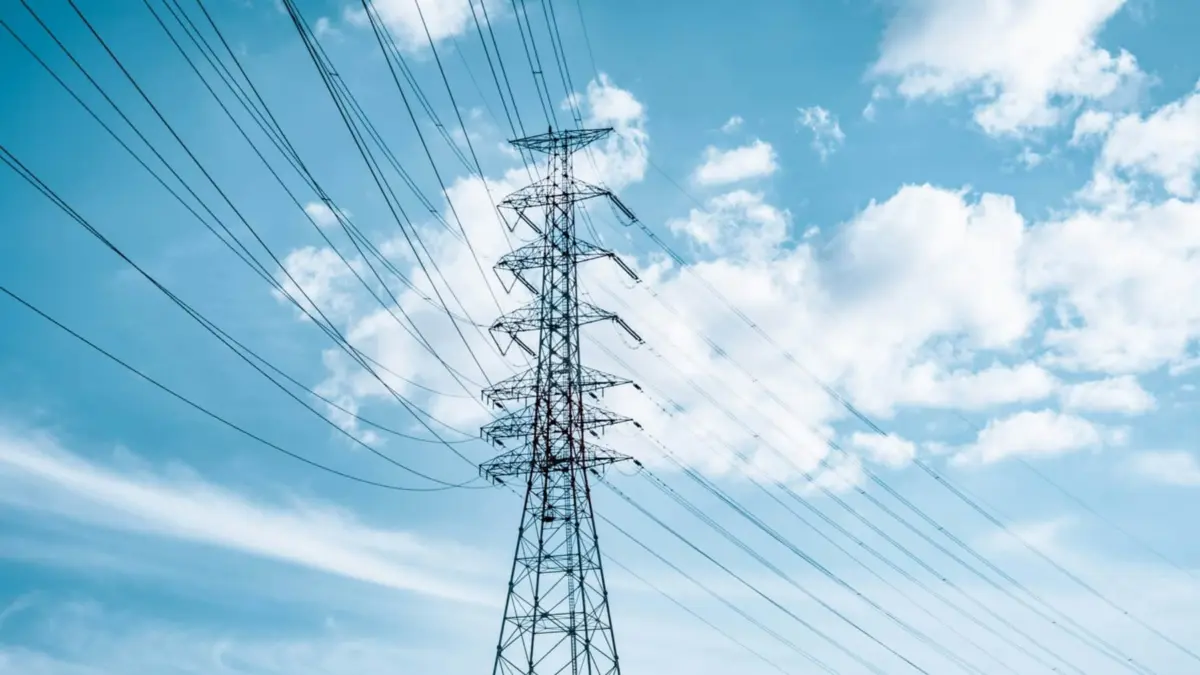
WASHINGTON — In a decisive move to fortify the nation’s electrical backbone, the United States Department of Energy (DOE) has officially confirmed the allocation of $87 million in targeted funding. This capital injection is earmarked for critical modernization, expansion, and resilience upgrades across the electrical grids serving rural communities in six states.
The financial disbursement arrives at a pivotal juncture for American infrastructure. Driven by an exponential surge in electricity consumption—spurred heavily by the proliferation of artificial intelligence (AI) data centers, widespread industrial automation, and an aggressive national push toward fleet and residential electrification—the U.S. power grid is experiencing unprecedented levels of stress.
By channeling these resources directly to rural electric cooperatives, the federal government aims to preemptively mitigate the risks of widespread congestion, prevent rolling brownouts, and ensure that remote and suburban communities are not left behind in the country’s high-tech transition.
Main Facts
The $87 million announcement is part of a broader, highly strategic federal effort to modernize the aging American electrical grid.
- The Funding Allocation: $87 million directed toward infrastructure modernization across six states.
- The Source Program: Administered under the Department of Energy’s Grid Resilience and Innovation Partnerships (GRIP) program.
- Primary Beneficiaries: Rural electric cooperatives, which represent organizations operating on narrower margins than major investor-owned utilities.
- The Core Catalysts: Skyrocketing energy demands driven by the explosive growth of AI data centers, digital infrastructure, and a nationwide transition toward beneficial electrification.
- National Reach of Cooperatives: The National Rural Electric Cooperative Association (NRECA) encompasses roughly 900 local cooperatives, collectively powering the daily lives and economic development of 42 million Americans across 56% of the United States landmass.
The overarching goal of the initiative is multifaceted: to increase transmission capacity, drastically improve grid reliability, reduce network congestion, and guarantee affordable electricity access for rural populations who face unique geographic and financial challenges.
Chronology
To understand the urgency of this multi-million-dollar infusion, it is necessary to examine the timeline of escalating grid pressures and federal interventions that led to this moment.
2023: The Birth of GRIP and Early Capital Infusion
Recognizing that legacy transmission lines were increasingly ill-equipped for the 21st century, the Department of Energy formally rolled out the Grid Resilience and Innovation Partnerships (GRIP) program. Backed by historic legislative packages, the program was designed with a massive financial chest—totalling $10.5 billion for its third funding round alone—to inject lifeblood into systemic grid upgrades. During its initial phases (rounds one and two), the initiative successfully distributed upwards of $6 billion to various utility projects nationwide.
Late 2023 to 2024: The AI Boom and Grid Saturation
As generative artificial intelligence transitioned from a niche tech sector into a global commercial juggernaut, the construction of massive data centers skyrocketed, primarily concentrated in regions with access to cheap land and power. Simultaneously, the push for electric vehicles (EVs) and residential heat pumps accelerated. Together, these forces created a demand shock that caught regional grid operators off guard. Rural cooperatives, already managing sprawling service territories with sparse customer density per mile of line, found themselves stretched to their financial breaking points.
Recent Developments: The $87 Million Deployment and EPA Stances
In the wake of mounting pressure from utility associations, the DOE greenlit the $87 million tranche specifically targeted at rural cooperatives. Concurrently, broader debates around energy reliability led groups like the NRECA to voice support for the Environmental Protection Agency’s (EPA) partial rollback of stringent greenhouse gas regulations on existing fossil-fuel-fired power plants. Industry advocates argued that premature closures of reliable baseline power plants, without adequate renewable storage ready to step in, threatened immediate grid stability.
Supporting Data
The systemic transformation required to update the U.S. power grid is staggering in both scope and expense. According to projections by the International Renewable Energy Agency (IRENA), global electricity consumption as a share of total energy use is projected to climb dramatically:
- By 2035: Electricity consumption is expected to rise to 35% of the global total.
- By 2050: That figure is anticipated to skyrocket to more than 50%.
Domestically, the scale of rural electrification operations managed by the NRECA highlights the immense capital required just to keep the lights on:
- Annual Investments: NRECA member cooperatives invest approximately $15 billion every year to maintain, repair, and expand their local distribution networks.
- Cumulative GRIP Support: To date, the NRECA and over 50 rural public service entities have secured $280 million in direct federal funding through GRIP, complementing a broader $510 million investment pool dedicated exclusively to advanced recableado (rewiring) initiatives.
- Wildfire Resilience Funding: Beyond basic transmission upgrades, past federal support for rural electric cooperatives has totaled $1.3 billion, specifically deployed to implement cutting-edge technologies aimed at mitigating catastrophic wildfire risks in drought-prone regions.
Official Responses
The announcement has drawn praise from cooperative leaders who emphasize the widening gap between the financial realities of local utilities and the soaring costs of modernizing infrastructure.
Jim Matheson, Chief Executive Officer of the NRECA, underscored the vital nature of the public-private and federal-local partnership:
"Awe are deeply appreciative of our ongoing collaboration with the Department of Energy. This funding directly assists rural electric cooperatives in implementing critical technological solutions designed to meet the rapidly expanding and evolving energy needs of our nation’s heartland."
From the perspective of the federal government, the GRIP program is viewed not merely as a relief fund, but as a foundational pillar of national economic and energy security. A spokesperson for the DOE outlined the agency’s overarching vision for the initiative:
"The GRIP program will aggressively accelerate the deployment of transformative projects that cement the reliability, security, and modernization of our core energy infrastructure. Our ultimate objective is to ensure that every single American consumer—regardless of whether they live in a bustling metropolis or a remote rural township—retains access to secure, low-cost electricity."
Implications
The injection of $87 million into rural electricity networks carries profound implications for the future of the United States economy, technological progress, and environmental policy.
1. The Decentralized Challenge of AI Infrastructure
While high-tech data centers are frequently associated with suburban technology hubs or major metropolitan peripheries, the transmission lines feeding them—and the generation capacity required to sustain them—form an interconnected web. When urban and suburban centers draw disproportionate amounts of power, regional grid operators must balance loads across state lines. By fortifying rural cooperatives, the DOE is indirectly stabilizing the entire national grid, ensuring that localized bottlenecks do not cascade into broader regional blackouts.
2. Economic Equity for Rural Communities
Unlike major investor-owned utilities (IOUs) that can easily leverage capital markets or pass infrastructure improvement costs directly onto millions of urban ratepayers, rural cooperatives operate on thin, localized margins. Serving sparse populations over vast geographical areas means that capital-intensive projects—such as upgrading transformers, hardening lines against extreme weather, and integrating smart-grid technologies—can quickly bankrupt a small cooperative. Federal intervention acts as an essential equalizer, preventing rural electricity consumers from facing exorbitant rate hikes or chronic underinvestment.
3. The Clash Between Decarbonization and Grid Reliability
The modernization efforts also throw a spotlight on the fierce policy debates surrounding baseline energy generation. Organizations like the NRECA have cautioned that while renewable energy integration is a vital long-term goal, the immediate retirement of reliable coal and natural gas plants—often accelerated by strict environmental mandates—creates a dangerous capacity deficit. As the EPA re-evaluates certain emissions regulations, the consensus among rural utility providers is clear: grid modernization must prioritize absolute reliability and cost-efficiency to protect consumers from the compounding pressures of rising demand and shrinking reserve margins.
Ultimately, the $87 million DOE allocation represents a vital down payment on the future of American energy. As the nation races toward an electrified, AI-driven future, the strength of the country’s weakest links—its rural transmission lines—will ultimately determine whether the grand vision of a modern, resilient economy can be successfully realized.




Leave a Reply