

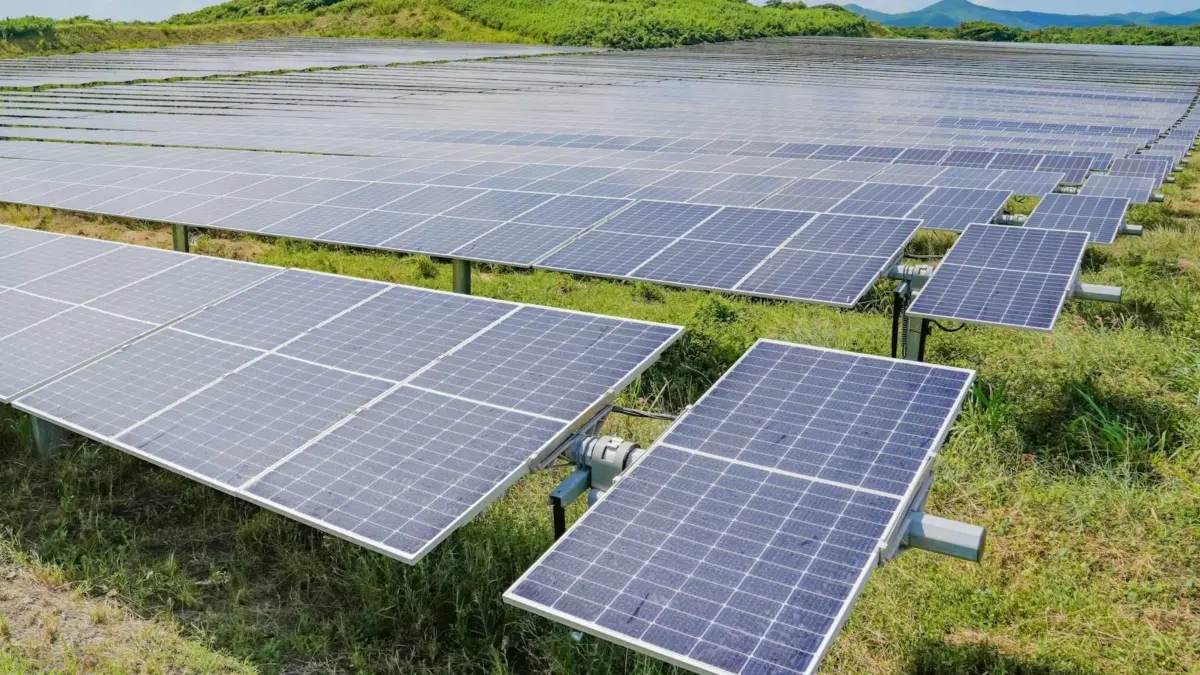
JACKSONVILLE, Fla. — In a significant stride toward modernizing regional infrastructure and meeting escalating power demands, utility provider JEA has officially launched operational testing for the Miller Solar Energy Center. Situated in the western reaches of Jacksonville, Florida, this cutting-edge renewable energy facility represents a critical pillar in the state’s unfolding clean energy transition. With initial technical trials yielding highly viable and satisfactory results, the plant is on an aggressive trajectory toward full commercial operation by late 2026.
The deployment of the Miller facility addresses a multi-faceted challenge facing modern utility providers across the United States: how to rapidly scale electricity generation to keep pace with soaring consumption driven by expanding data centers, widespread electrification, and increasingly intense seasonal heatwaves, all while aggressively slashing carbon emissions.
Main Facts
The Miller Solar Energy Center is designed to be a heavy-hitting asset within JEA’s expanding portfolio of renewable assets. Once it transitions from its current testing phase to full commercial deployment, the facility will inject nearly 75 megawatts (MW) of zero-emission solar energy directly into the regional grid.
Key parameters of the project include:
- Generation Capacity: Approximately 74.9 MW of utility-scale solar power upon completion of current performance benchmarks.
- Household Reach: The facility’s output is projected to independently power more than 37,000 residential homes throughout the greater Jacksonville area.
- Broader Integration: The Miller facility forms part of a wider corporate push by JEA that will incorporate a total of 200 MW of newly contracted solar generation capacity into its operational network.
- Environmental Impact: Company projections indicate that the facility will displace more than 132,000 short tons of carbon dioxide emissions annually, serving as a massive localized win for climate targets.
- Long-Term Economic Value: Developed in strategic partnership with Florida Renewable Partners (FRP), the installation is anchored by a long-term pricing structure designed to deliver stable, highly competitive electricity rates to consumers over a projected lifespan of 35 years.
Chronology of the Project
The realization of the Miller Solar Energy Center is the product of years of strategic planning, environmental vetting, and logistical engineering. While utility-scale solar has grown exponentially over the past decade, bringing a project of this scale online requires a meticulously phased timeline.
- Early Planning and Siting (2022–2023): JEA, recognizing a coming surge in regional electricity demand, identified western Jacksonville as an optimal corridor for solar infrastructure development. Collaborating with Florida Renewable Partners (FRP), site selection prioritized maximizing sunlight capture while minimizing disruption to local communities.
- Permitting and Environmental Scoping (2023–2024): Engineers and environmental consultants mapped out the geographic footprint of the plant. A core focus during this phase involved establishing rigorous environmental monitoring frameworks to safeguard nearby wetlands and sensitive local ecosystems from construction impacts.
- Construction and Infrastructure Assembly (2024–2025): Heavy construction commenced, involving the installation of thousands of high-efficiency photovoltaic panels, advanced inverter systems, and grid-interconnection substations capable of handling massive load transfers.
- Testing and Grid Synchronization (Late 2025–Current): JEA officially initiated live operational testing phases. By generating controlled blocks of test energy, engineers are able to measure grid stability, inverter efficiency, and thermal performance under real-world operating conditions.
- Projected Commercial Commissioning (Late 2026): Following the successful conclusion of diagnostic tests and fine-tuning procedures, the Miller Solar Energy Center is scheduled to officially enter active commercial service, permanently bolstering Florida’s renewable matrix.
Supporting Data: The Macro and Micro Economics of Solar in the Sunshine State
The urgency behind projects like the Miller Solar Center becomes starkly apparent when contextualized within global and regional energy trends. According to recent energy forecasts, global electricity demand over the coming decades is projected to surpass the cumulative energy consumption recorded throughout previous human history. This staggering projection forces regional utilities to rethink baseload generation paradigms.
The Problem of Peak Demand
Florida’s geographic profile makes it uniquely vulnerable to extreme temperature fluctuations. Summer heatwaves trigger unprecedented spikes in residential and commercial air conditioning usage, often pushing traditional fossil-fuel-reliant grids to their absolute limits. By integrating solar energy storage and direct generation, utilities can shave peak load demands safely.
Pricing Stability Through Diversification
Fossil fuel markets—particularly natural gas and coal—are historically volatile, exposing consumers to sudden price shocks driven by geopolitical tensions or supply chain disruptions. Solar energy, by contrast, relies on a virtually inexhaustible, free resource: sunlight. JEA’s long-term agreement with FRP locks in predictable power generation costs, insulating rate-payers from the price swings traditionally associated with thermal power plants.
Furthermore, utility-scale solar infrastructure has evolved to be remarkably flexible. Modern projects can be deployed across a wide variety of terrains, including brownfields and otherwise underutilized plots of land, thereby maximizing land-use efficiency without encroaching heavily upon pristine natural habitats or prime agricultural real estate.
Official Responses and Strategic Vision
Leadership at JEA has framed the Miller project not merely as a localized infrastructure upgrade, but as an essential element of a proactive corporate decarbonization and resilience strategy.
"As our region grows and electricity demands shift, diversifying our generation portfolio with reliable, clean sources like the Miller Solar Center is paramount," notes JEA’s operational strategy framework. "We are not just building for today’s peak loads; we are engineering a resilient, low-carbon grid that will serve Jacksonville families predictably and affordably for decades to come."
Utility experts emphasize that the success of the testing phase validates the sophisticated engineering behind the project. By running live diagnostics before flipping the definitive switch in late 2026, JEA aims to eliminate the integration bottlenecks that have historically plagued rapid renewable energy rollouts in other regions.
The partnership with Florida Renewable Partners has also been lauded as a model for public-private collaboration in the energy sector. By leveraging specialized private-sector development capabilities alongside public utility oversight, projects of significant magnitude can be delivered with optimized capital allocation and strict adherence to environmental safety guidelines.
Implications for the Region and the Energy Sector
The successful deployment of the Miller Solar Energy Center carries profound implications—ranging from localized ecological stewardship to broader shifts in how the American Southeast powers its economy.
1. Environmental Safeguards and Wetland Protection
One of the most delicate challenges in developing large-scale solar in Florida is the state’s complex hydrology. Western Jacksonville features a mosaic of delicate wetlands, forests, and local watersheds. To address potential environmental concerns, JEA and its partners built stringent monitoring protocols directly into the project’s life cycle. Specialized drainage engineering ensures that stormwater runoff is naturally managed, while continuous ecological surveys protect local fauna and flora from habitat fragmentation.
2. Bolstering Grid Reliability Amid Climate Pressures
As extreme weather events become more frequent and severe, the decentralization of power generation through localized solar installations provides a layer of defense against cascading grid failures. While solar alone cannot replace baseload generation without robust battery storage counterparts, adding 74.9 MW of clean power significantly eases the burden on central power stations during peak daylight hours when cooling demands are highest.
3. A Blueprint for Future Southeastern Decarbonization
Historically, the U.S. Southeast has lagged behind regions like the Southwest or the Pacific Northwest in terms of aggressive renewable energy adoption. However, projects like the Miller Solar Center demonstrate that high-capacity solar can be successfully deployed, tested, and integrated into traditional utility models in humid, storm-prone coastal states. If JEA hits its late-2026 commercial operation target smoothly, it could serve as a replicable blueprint for municipal and investor-owned utilities across Florida and neighboring states looking to balance aggressive climate goals with rapid population growth.
Conclusion
As the Miller Solar Energy Center hums through its final phases of performance testing, it stands as a physical manifestation of a changing energy landscape. By marrying high-tech renewable generation with rigorous environmental oversight and long-term economic planning, Jacksonville is positioning itself at the forefront of the clean energy transition—proving that sustainability and grid security can advance hand in hand.


Leave a Reply