


BOGOTÁ — In the complex geopolitical and security landscape of modern Colombia, few procurement processes carry as much operational weight—or political scrutiny—as the ongoing tender to replace the backbone of the nation’s tactical air mobility. Valued at approximately $387 million (roughly 3 trillion Colombian pesos), the competition to supply 28 new multi-role military helicopters represents a litmus test for the transparency, strategic vision, and administrative efficiency of the Ministry of Defense and the current presidential administration.
As three aviation giants lock horns for the lucrative contract, the stakes extend far beyond the balance sheets of multinational defense contractors. At its core, this modernization initiative is about sustaining the operational pulse of Colombia’s Public Force in an era marked by shifting security dynamics, persistent internal conflict, and the grueling geographical realities of a country where roads often end and the jungle begins.
Main Facts
The ongoing procurement process centers on the acquisition of 28 modern utility and tactical transport helicopters to replace the aging fleet of Huey II aircraft currently operated by the Colombian Armed Forces. These legacy platforms, heavily utilized for decades, are approaching the end of their operational lifecycles due to structural wear and tear accumulated during intensive counter-insurgency and counter-narcotics campaigns.
Three major international aerospace companies have officially submitted proposals to the Colombian Ministry of Defense:
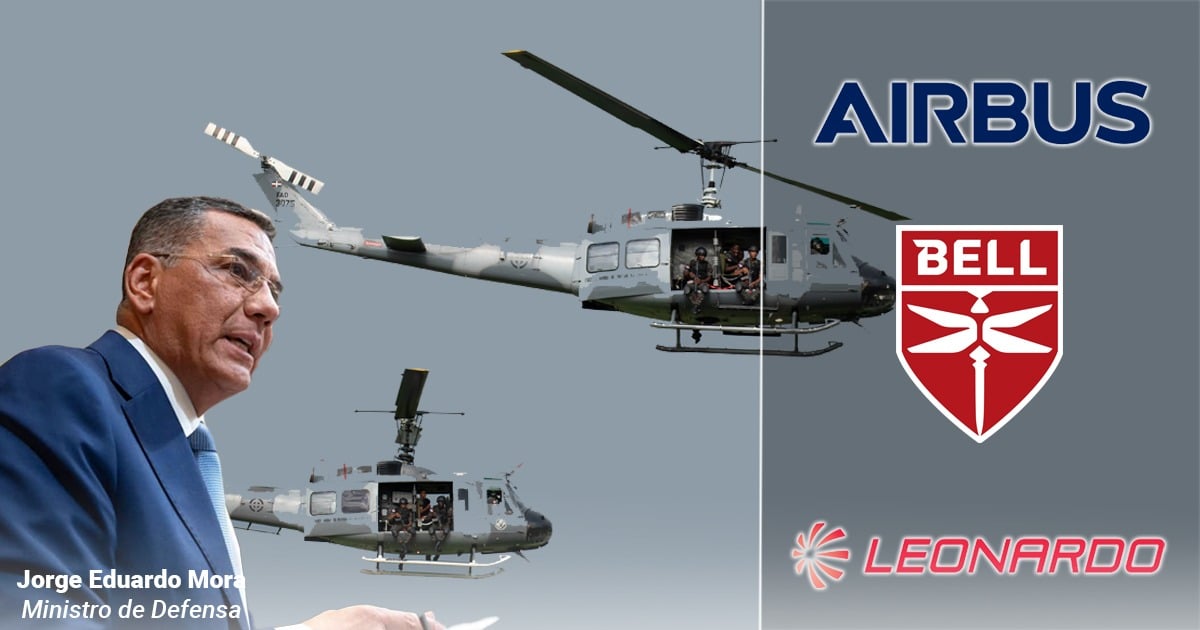
- Airbus Helicopters (representing European aerospace conglomerate Airbus SE), which has pitched the agile and versatile H145.
- Leonardo (the prominent Italian aerospace and defense contractor), which has put forward the robust AW139.
- Bell Textron (the historic American manufacturer closely tied to Colombia’s legacy helicopter fleets), which is offering the dependable Bell 412.
The tender is structured to address an urgent operational requirement: maintaining the military’s capacity to rapidly insert troops, execute medical evacuations (MEDEVAC), conduct search and rescue (SAR) missions, and supply remote outposts across challenging terrain. Under the leadership of the newly appointed Minister of Defense, retired General Jorge Eduardo Mora López, the ministry faces the critical task of evaluating these heavyweights under a strict framework of technical, operational, and financial transparency.
Chronology of a Strategic Fleet Renewal
The path to the current $3 trillion tender has been shaped by decades of tactical aviation history and years of bureaucratic planning.
The Counter-Insurgency Crucible (Late 1990s – Early 2000s)
During the late 1990s, left-wing guerrilla groups such as the FARC reached unprecedented levels of military capability. A stark turning point occurred in 1998 with the takeover of Mitú, the capital of the Vaupés department, exposing the Colombian state’s acute inability to rapidly deploy forces to remote regions lacking basic highway infrastructure.
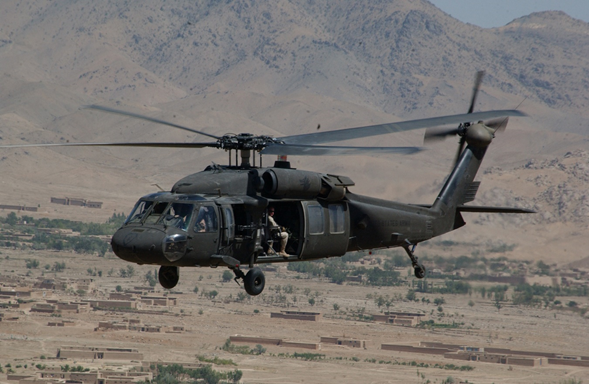
In response, the administration of President Andrés Pastrana launched Plan Colombia in partnership with the United States. This sweeping strategy transformed the military apparatus, placing a heavy premium on air mobility. The incorporation of platforms like the Sikorsky UH-60 Black Hawk and the UH-1H II (popularly known as the Huey II, upgraded and built through partnerships involving Bell) revolutionized military operations. Helicopters ceased to be merely logistical support vehicles and became the primary instrument for projecting state power across impenetrable jungles and treacherous mountain ranges.

Historic Milestones in the Skies
The tactical advantage provided by these aircraft enabled historic intelligence-driven operations that ultimately crippled the top leadership of major insurgent groups:
- Operation Sodoma (2010): The precise helicopter-borne insertion of troops led to the death of Víctor Julio Suárez Rojas, alias "Mono Jojoy" or "Jorge Briceño Suárez," one of the most formidable military commanders of the FARC.
- The Fall of "Alfonso Cano" (2011): Air mobility played an indispensable role in tracking and neutralizing Guillermo León Sáenz Vargas, the supreme leader of the FARC.
These operations cemented the helicopter fleet as an irreplaceable asset for national security. However, decades of relentless flying, combined with harsh environmental conditions, pushed the Huey II fleet toward terminal structural fatigue.
Bureaucratic Genesis (2022 – 2026)
The conceptual framework for the current fleet replacement began to take shape during the tenure of former Defense Minister Iván Velásquez Gómez. Recognizing that the operational window for the Huey II was rapidly closing, defense planners initiated structural studies. These efforts culminated in March 2026 with the formal approval of Conpes document 4187, unlocking the administrative and budgetary pathways necessary to launch the international tender.
Supporting Data: The Contenders and Their Machines
To succeed the Huey II, the Ministry of Defense established rigorous performance criteria. The three competing aircraft represent the pinnacle of modern rotary-wing engineering, each backed by formidable industrial conglomerates.
1. Airbus Helicopters – H145
- The Manufacturer: Airbus SE is a dominant European aerospace and defense titan led globally by CEO Matthieu Louvot. Formally established in 1969 through a Franco-German agreement (later joined by Spain), the company maintains heavy state shareholdings from France, Germany, and Spain.
- The Aircraft: The H145 is a twin-engine, medium-class utility helicopter renowned for its multi-role capability. Equipped with advanced digital avionics and a fenestron tail rotor (in newer iterations), it excels in urban environments, high-altitude operations, troop transport, medical evacuation, and search-and-rescue missions.
2. Leonardo – AW139
- The Manufacturer: Leonardo, led by CEO Francesco Macri, is Italy’s premier aerospace and defense champion and a global leader in the helicopter sector.
- The Aircraft: The AW139 has established itself as an international industry standard. Widely utilized for government, military, parapublic, and offshore oil-and-gas support missions, the AW139 offers cabin spaciousness, high cruise speeds, and exceptional performance in hot-and-high conditions typical of Andean geography.
3. Bell Textron – Bell 412
- The Manufacturer: Bell Textron is a legendary name in military aviation, historically responsible for the iconic Huey family that served Colombia for decades. Bell operates as a subsidiary of Textron Inc., a major American industrial conglomerate led by CEO Lisa Atherton (who assumed the role in January 2026). Textron’s institutional ownership boasts financial giants such as BlackRock, Vanguard, Fidelity, and State Street.
- The Aircraft: The Bell 412 is a rugged, reliable, four-bladed utility helicopter derived from the Huey lineage. It features a proven track record in military, utility, and humanitarian missions worldwide, offering seamless logistical familiarity for armed forces already accustomed to Bell maintenance protocols.
Official Responses and Administrative Transparency
The announcement of the $3 trillion competition arrives amid a recalibrated security policy under the current administration, which has intensified operations against criminal syndicates through high-profile arrests, refined combat strategies, increased extraditions, and the strategic closure of faltering political dialogue tables.
Within this framework, Minister of Defense Jorge Eduardo Mora López has positioned the procurement process as an institutional stress test. Past military acquisitions in Colombia have occasionally been overshadowed by allegations of opacity, bureaucratic delays, or legal challenges—such as parallel controversies surrounding the ongoing acquisition of Swedish Saab Gripen fighter jets.
To insulate the helicopter tender from political interference, the Ministry has emphasized that the evaluation process is governed strictly by technical metrics, cost-benefit analyses, and operational suitability. International oversight, transparent bidding criteria, and strict adherence to the guidelines established in Conpes 4187 are designed to project institutional integrity. The winning bid will not only secure a lucrative commercial contract but will also validate the government’s pledge to modernize state apparatuses without compromising public trust.
Implications for Colombia’s Security and Future
The selection of the new helicopter fleet carries profound implications for the future of Colombian defense policy and internal stability.

1. Operational Continuity in Asymmetric Warfare
Despite changing dynamics in the national conflict—characterized less by traditional guerrilla mass movements and more by criminal cartels, dissident factions, and transnational drug-trafficking networks—Colombia’s geography remains unchanged. Vast jungles, rugged cordilleras, and isolated border regions mean that air mobility remains the absolute pivot of military responsiveness. A failure to modernize the fleet in a timely fashion would lead to grounded assets, reduced troop mobility, and compromised response times in crisis zones.
2. Fiscal Discipline and Strategic Investment
At 3 trillion pesos (approx. $387 million USD), the contract represents a major capital outflow for a national treasury balancing post-pandemic fiscal constraints. Consequently, the chosen platform must offer optimal lifecycle costs, fuel efficiency, and ease of maintenance. The decision will lock the Colombian Public Force into a specific technological ecosystem for the next 25 to 30 years.
3. Geopolitical and Diplomatic Signals
The choice of supplier will also reverberate diplomatically. Selecting Airbus would reinforce strategic defense ties with Western Europe; choosing Leonardo would deepen industrial cooperation with Italy; while opting for Bell would reaffirm the historic, deep-rooted defense partnership between Colombia and the United States.
As the technical evaluations advance under the watchful eye of the Ministry of Defense, the nation waits to see which multinational will secure the contract. More importantly, Colombians look to the skies, hoping the new generation of aircraft will successfully write a safer, more stable chapter in the nation’s turbulent security history.



Leave a Reply