

By Radio Nacional de Colombia
Published: September 26, 2026
Main Facts
In a nail-biting encounter that pushed the limits of endurance, the Colombia Women’s Under-20 National Team etched their names into the annals of football history. Facing a formidable Italian side in the third-place playoff of the FIFA U-20 Women’s World Cup Poland 2026, La Tricolor held their nerve in a high-stakes penalty shootout to capture the bronze medal.
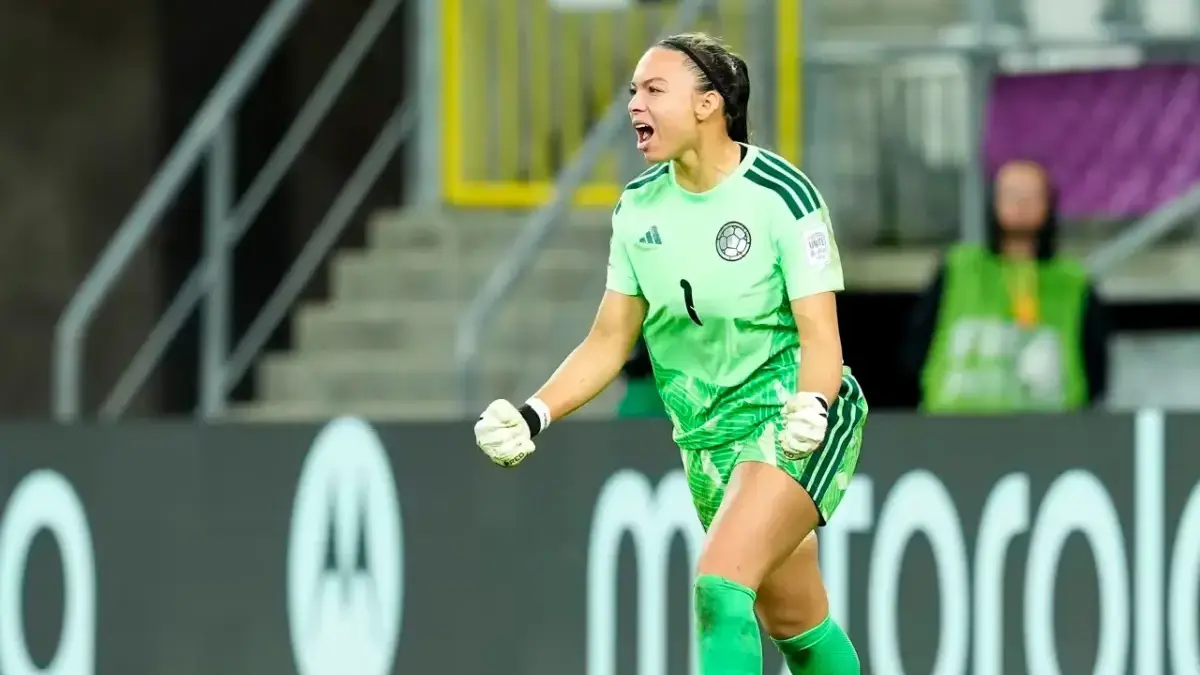
The match, played on Saturday, September 26, 2026, ended in a hard-fought stalemate through regulation and extra time, setting the stage for a dramatic climax from the penalty spot. There, towering above the pressure, goalkeeper Luisa Agudelo emerged as the undisputed heroine. Agudelo executed two phenomenal saves, denying the Italian strikers and sealing a historic victory that secured Colombia’s first-ever podium finish in the history of the tournament.
Under the astute tactical guidance of head coach Carlos Paniagua, the South American squad not only bounced back from a bruising semifinal exit but also surpassed the nation’s previous best performance in the competition—a fourth-place finish at Germany 2010. Sixteen years after that watershed moment in European territory, this new generation of Colombian football talent went one step further, cementing their legacy and proving that the nation’s rapid ascent in women’s football is no fluke, but a sustained structural triumph.
Chronology of a Historic Campaign
To truly appreciate the magnitude of Colombia’s bronze-medal finish in Poland 2026, one must retrace the arduous and thrilling journey La Tricolor undertook throughout the tournament.
The Group Stage and Early Knockouts
Entering the tournament with high expectations following impressive performances in previous youth cycles, Colombia showcased both tactical discipline and offensive flair from the opening whistle. Navigating a physically demanding group stage, the squad displayed resilience against elite global competition, securing their passage to the knockout rounds with composure.
In the Round of 16, Colombia faced tournament hosts Poland in a hostile, high-pressure environment. Undeterred by the partisan crowd, La Tricolor delivered a masterclass in defensive solidity coupled with clinical counter-attacking. A solitary, well-executed goal proved enough to edge past Poland 1-0, sending shockwaves through the home camp and booking Colombia’s ticket to the quarterfinals.
The quarterfinal clash against powerhouse Nigeria presented an entirely different tactical challenge. The African side relied on raw athleticism, pace, and relentless pressure. However, Paniagua’s tactical blueprint neutralized Nigeria’s primary weapons. Mirroring their success in the previous round, Colombia capitalized on a crucial scoring opportunity, grinding out another gritty 1-0 victory to secure a coveted spot in the tournament’s final four.
The Semifinal Stumbling Block
The dream of lifting the ultimate trophy ran into a formidable wall in the semifinals, where Colombia collided with the Democratic People’s Republic of Korea (RPD of Korea). The Asian side proved overwhelmingly efficient, exploiting defensive lapses to hand La Tricolor a sobering 3-0 defeat.
While the loss dashed hopes of a historic appearance in the final, it immediately set up a psychological test for the young Colombian squad: could they pick themselves up, dust themselves off, and refocus on securing a place on the podium?
The Bronze Medal Showdown: Colombia vs. Italy
The tournament’s curtain-closer for the South Americans came against Italy, who had suffered a 2-0 defeat to Spain in the opposite semifinal. Both teams entered the pitch visibly fatigued from the grueling demands of a world-class tournament, yet fully aware of the historic prize at stake.
The match unfolded as a tactical chess match. Italy pressed high, looking to disrupt Colombia’s fluid midfield transitions, while La Tricolor relied on disciplined defensive blocks and quick vertical passes. Despite numerous half-chances at both ends, neither side managed to break the deadlock during regulation time.
Extra time brought heightened tension, fatigue, and cautious play, inevitably leading to the ultimate test of nerves: the penalty shootout.
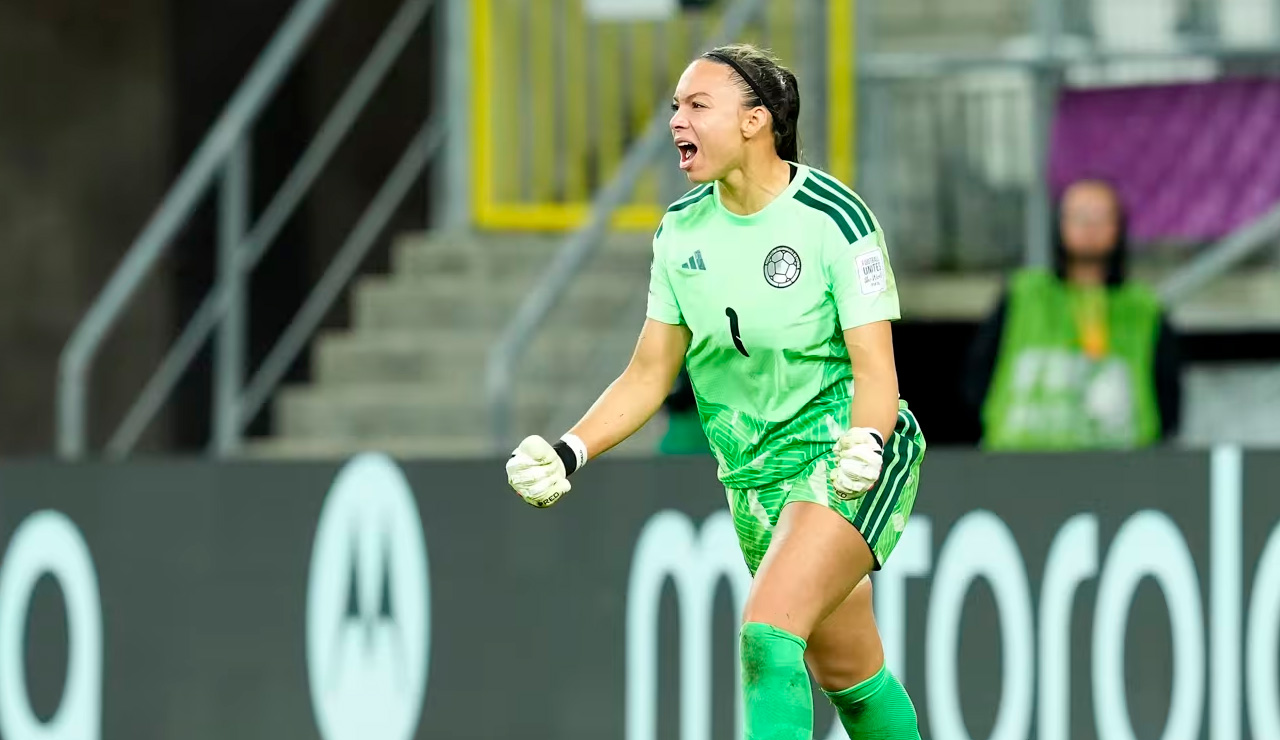
With the weight of a nation resting on their shoulders, the young Colombian takers stepped up with remarkable composure. However, the defining moment belonged to goalkeeper Luisa Agudelo. Reading the intentions of the Italian penalty takers with surgical precision, Agudelo dove to block two crucial spot-kicks. When the final penalty hit the back of the net, the Colombian bench emptied onto the pitch in wild celebration. La Tricolor had won the shootout, capturing the bronze and writing a golden chapter in Colombian sporting history.
Supporting Data and Historical Context
To understand the scale of this achievement, one must examine the historical trajectory of Colombian women’s football on the global stage.
- The Germany 2010 Milestone: Prior to Poland 2026, Colombia’s finest hour in the U-20 Women’s World Cup occurred sixteen years prior in Germany. Coached by Eduardo Lara at the time, a pioneering generation featuring future senior team stars like Yoreli Rincón reached the tournament’s semifinals. However, they fell short in the third-place playoff, finishing a respectable yet heartbreaking fourth.
- The Bridge to the Senior Team: The success of the U-20 setup is deeply interconnected with the structural growth overseen by the Federación Colombiana de Fútbol (FCF) over the past decade. Successive generations of youth players—many of whom transitioned directly into Nelson Abadía’s and subsequently Ángelo Marsiglia’s senior squads—have gained invaluable major-tournament experience.
- Luisa Agudelo’s Rise: Goalkeeper Luisa Agudelo has rapidly established herself as one of the most promising young shot-stoppers in world football. Her heroics in Poland are reminiscent of her standout performances in previous youth categories, confirming her status as a cornerstone of Colombia’s footballing future.
- Tournament Path Summary:
- Round of 16: Colombia 1 – 0 Poland
- Quarterfinals: Colombia 1 – 0 Nigeria
- Semifinals: Colombia 0 – 3 RPD of Korea
- Third-Place Playoff: Colombia 0 – 0 Italy (Colombia wins 3-1 on penalties)
Official Responses and Reactions
The historic victory triggered an outpouring of pride, joy, and official recognition from sports authorities, government officials, and cultural figures across Colombia.
Head Coach Carlos Paniagua, visibly emotional during the post-match press conference, dedicated the victory to the families of the players and the millions of fans back home who tuned in through the early hours of the morning.
"This group of young women has shown an unmatched level of character, resilience, and tactical maturity," Paniagua stated. "After the heavy blow in the semifinals against Korea, it would have been easy to drop our heads. Instead, these girls showed what the Colombian spirit is truly made of. To finish on the podium of a World Cup is not just a personal victory for us; it is a monumental leap forward for our entire nation’s footballing ecosystem."
Hero of the hour Luisa Agudelo spoke to reporters about the intense mental fortitude required during the penalty shootout:
"In those moments, you don’t think about the pressure; you think about your teammates, your family, and everyone back in Colombia watching us. We promised each other that we wouldn’t leave Poland empty-handed. Stopping those penalties was the result of hours of study and hard work with our coaching staff, but above all, it was about heart."
From Bogotá, the Colombian Football Federation (FCF) released an official statement praising the delegation’s discipline, dedication, and historic performance. Ministers and cultural icons likewise flooded social media channels to congratulate the squad, emphasizing how these young athletes continue to serve as powerful role models for future generations of women across the country.
Implications for the Future of Colombian Football
The bronze medal secured in Poland 2026 is far more than a transient milestone; it represents a profound turning point with far-reaching implications for the development of the sport in South America and globally.
1. Validation of Structural Investment
For years, advocates of women’s football in Colombia have argued that increased financial backing, professionalized domestic leagues (Liga Femenina), and robust youth development programs would yield international dividends. This historic podium finish validates that thesis. It proves that when young talent is systematically identified, nurtured, and exposed to elite international competition, Colombian athletes can consistently compete with and defeat traditional European and Asian powerhouses.
2. Generational Continuity
The transition from youth categories to the senior national team is often the most fragile phase of an athlete’s development. By securing a world-class credential like a U-20 World Cup medal, this core group of players—led by standouts like Luisa Agudelo—enters the senior ranks with winning DNA, big-match temperament, and invaluable psychological resilience. This bodes exceptionally well for upcoming senior tournaments, including continental qualifiers and future FIFA Women’s World Cups.
3. Cultural Impact and Inspiration
Beyond the tactical and athletic metrics, the visibility of this team on a global stage reshapes cultural narratives surrounding women’s sports in Colombia. Young girls across every region of the country—from the Caribbean coast to the Andean highlands and the Pacific lowlands—now see tangible proof that athletic excellence can lead to global recognition.
As the delegation prepares to return home to a hero’s welcome, the legacy of Poland 2026 is already secure. La Tricolor has rewritten the history books, raised the benchmark for future generations, and firmly established Colombia as a rising superpower in international women’s football.




Leave a Reply