

By Jhoan Sebastián Salazar
Enriched English Adaptation
Main Facts: A Milestone for Colombian Football
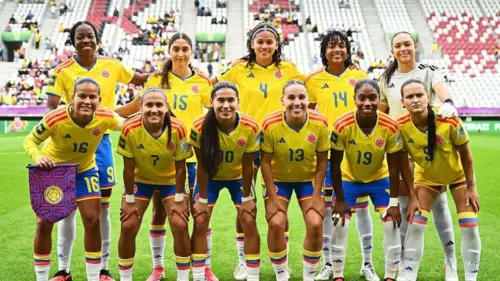
In a performance etched forever into the history books of South American athletics, the Colombia Women’s Under-20 National Team achieved the unthinkable, claiming the bronze medal at the FIFA U-20 Women’s World Cup hosted in Poland. In a tension-filled, emotionally draining third-place playoff that stretched across 120 minutes of relentless football and a heart-stopping penalty shootout, the Tricolor outlasted a formidable Italian side 4-3 on penalties following a 1-1 stalemate.
This monumental achievement marks the first time in history that a Colombian women’s team—across any official FIFA category—has stood on the podium at a World Cup. Under the astute tactical guidance of head coach Carlos Paniagua, the squad surpassed the legendary "Generation of 2010" that finished fourth in Germany, setting a new benchmark for future generations of Colombian footballers.
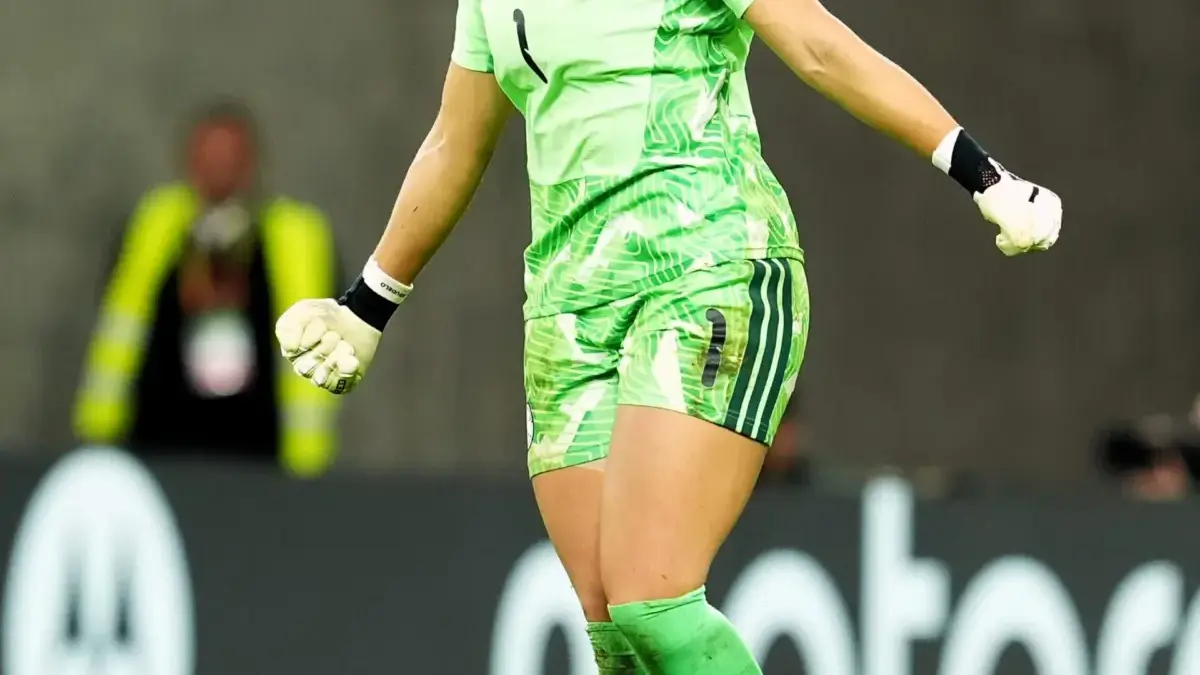
At the pulsating heart of this historic victory was goalkeeper Luisa Agudelo. Already a national darling for her heroic performances in previous international tournaments, Agudelo cemented her legendary status in Poland by turning the tide in sudden-death penalties, denying Italy’s final two attempts to trigger wild celebrations on the pitch and back home in Colombia.
Chronology of a Thriller: From Defeat’s Edge to Immortality
The First Half: Italy Strikes First
The match commenced under crisp Polish skies with both teams visibly feeling the physical and psychological weight of a grueling tournament. Italy, disciplined and tactically astute, sought to stymie Colombia’s high-tempo transitions through the flanks.
As the first half drew to a close, the deadlock was broken. In the 43rd minute, a defensive clearance by the Colombian backline fell agonizingly short, dropping invitingly near the edge of the penalty arc. Italian midfielder Giada Cimó reacted with predatory instincts, catching the ball on the half-volley. Her cleanly struck, first-time drive beat a diving Luisa Agudelo, nestling into the back of the net to give the Azzurre a 1-0 advantage just moments before the halftime whistle.
The VAR Lifeline and Tactical Shift
The second half began with high drama that nearly spelled disaster for the South Americans. In the opening minutes, Colombian defender Mercedes Martínez brought down an Italian attacker racing through on goal. The referee initially brandished a yellow card, but a subsequent VAR review threatened to upgrade the punishment to a straight red card for denying a clear goal-scoring opportunity.
However, after a thorough review of the monitor, the officiating crew identified a prior foul committed by Italy’s Azzurra Gallo against Colombia’s Mariana Mosquera. The referee rescinded Martínez’s booking, nullified the Italian attacking sequence, and awarded a free-kick to the Tricolor.
Emboldened by this reprieve, coach Carlos Paniagua adjusted his tactical setup, injecting fresh energy into the midfield and demanding higher positional pressure. The tactical shift paid immediate dividends in the 61st minute. A sublime, multi-pass team sequence tore through the Italian defensive block, culminating in a brilliant cross-field movement that found Sintia Cabezas on the left side of the box. Cabezas unleashed a thunderous, curling left-footed effort past Italian goalkeeper Elena Belli, leveling the score at 1-1 and reigniting Colombian hopes.
Extra Time and the Agudelo Show
Despite frantic efforts from both sides during the remainder of regulation time, neither team could break through the disciplined defensive walls in the final third. The match spilled into thirty minutes of extra time, where a fatigued Italian side took control of possession and tested the Colombian defensive resolve. Yet, resilient defending and crucial interventions by Agudelo kept the European side at bay, forcing the match to the ultimate test: a penalty shootout.
The shootout began under immense tension. After initial misses from both sides, the pressure mounted as Fernanda Viáfara and Lina Arboleda failed to convert their spot-kicks for Colombia, handing Italy double "match points."
With the game seemingly slipping away, Italian taker Martina Bressan stepped up and slammed her effort against the goalpost, offering Colombia a miraculous lifeline. Enter Luisa Agudelo. With nerves of steel, the young goalkeeper dove correctly to block Azzurra Gallo’s fifth-round penalty. In sudden death, Agudelo read Caterina Venturelli’s final, decisive shot like a book, pushing it away to seal a 4-3 triumph and spark scenes of unbridled joy.

Supporting Data: The Road to the Podium
The path to World Cup history was neither easy nor linear for Carlos Paniagua’s squad. Analyzing their campaign in Poland reveals a team built on defensive grit, moments of individual brilliance, and tactical adaptability.
Tournament Statistics at a Glance:
- Final Record: 3 Wins, 2 Draws, 2 Losses
- Goals Scored: 6
- Goals Conceded: 8
- Key Defensive Obstacle: Two heavy 3-0 defeats against a powerhouse North Korean side—once in the closing match of the group stage, and again in the semifinal.
Despite the heavy setbacks against North Korea, Colombia’s ability to bounce back mentally defined their tournament. They outlasted European powerhouses, survived physical battles of attrition, and showcased that South American youth football can compete—and triumph—on the global stage through sheer collective willpower.
Official Responses and Reactions
The historic bronze medal sparked immediate reactions from sports authorities, government officials, and football legends across Colombia, highlighting the cultural significance of the milestone.
Head coach Carlos Paniagua could barely contain his emotion in the post-match press conference, dedicating the victory to the millions of fans watching across the country.
"This group of girls has suffered, has worked in silence, and has believed when no one else did. To finish among the top three teams in the entire world is a testament to the evolution of Colombian women’s football. We did not come here just to participate; we came to make history, and today, these players are immortals."
Luisa Agudelo, named the undisputed player of the match, humbly deflected the individual praise onto her teammates:
"When we went down in the shootout, I just told myself that I had to give my teammates one more chance. We fought for 120 minutes out there on the pitch. This medal is for every single Colombian girl who dreams of wearing this jersey."
From Bogotá, the Colombian Football Federation (FCF) issued an official statement praising the technical staff and players for "redefining the ceiling of national sport," while social media lit up with congratulatory messages from senior national team stars, politicians, and cultural icons.
Implications: The Dawn of a New Era for Colombian Women’s Football
The impact of this bronze medal extends far beyond a shiny trophy and a spot on the FIFA podium. It represents a watershed moment for the structural development of women’s football in Colombia.
For years, female athletes in the region have battled uphill against structural inequalities, a lack of consistent domestic league investment, and insufficient institutional support. By achieving a podium finish on the global stage, the U-20 generation has applied undeniable pressure on club owners, league executives, and government bodies to professionalize, fund, and prioritize women’s football pathways.
Furthermore, this success acts as a crucial talent pipeline for the senior women’s national team (La Mayor). With veterans aging out and the next generation of Copa América and World Cup qualifiers on the horizon, players like Luisa Agudelo, Sintia Cabezas, and Mariana Mosquera have proven they possess the psychological resilience and technical pedigree required at the absolute highest level of international competition.
As the Colombian delegation prepares to return home to a hero’s welcome, one thing is certain: the landscape of Colombian football has shifted permanently. The bronze medal from Poland 2026 is not just the end of a remarkable tournament; it is the loud, defiant beginning of a golden age for the nation’s women’s game.


Leave a Reply