

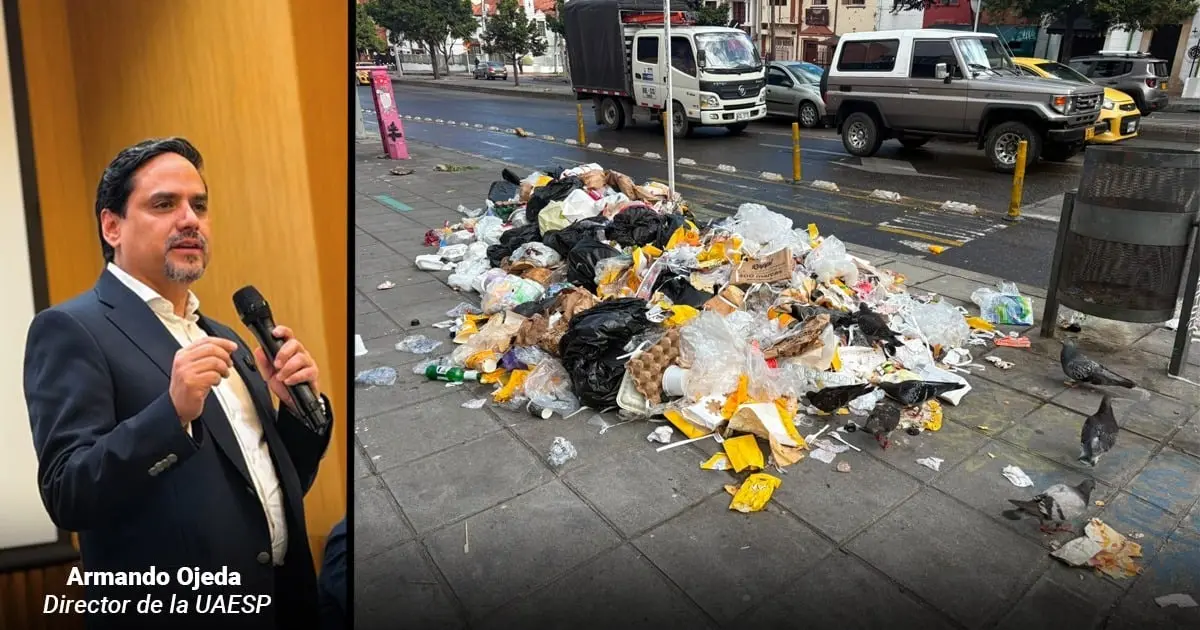
By Global Investigative Desk
Published in partnership with environmental policy monitors
Main Facts
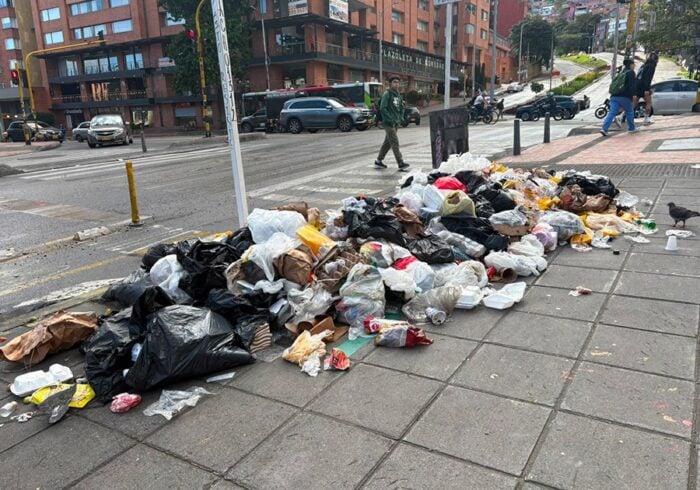
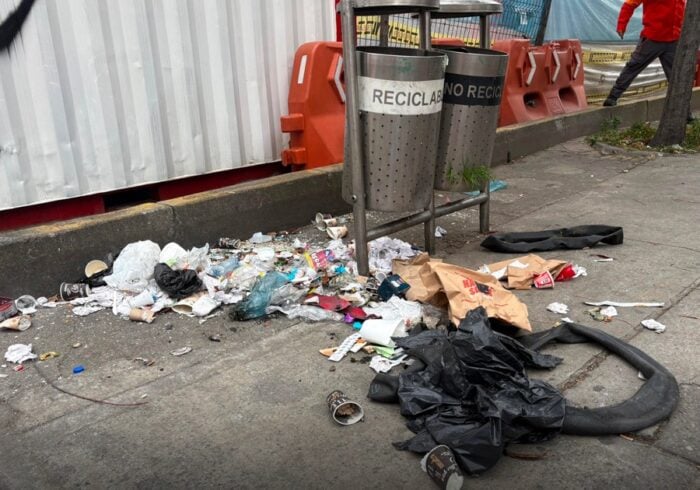
In the labyrinthine streets of Bogota, a silent, daily war is being fought on nearly every corner—and the city is losing. Despite the deployment of specialized cleaning brigades known locally as cazaregueros (waste hunters) and an injection of billions of pesos into sanitation contracts, the Colombian capital’s public spaces remain besieged by torn trash bags, abandoned furniture, construction rubble, and loose refuse.
The strategy, originally championed in late 2024 by Consuelo Ordóñez, the then-director of the Special Administrative Unit for Public Services (UAESP), was designed to tackle a persistent urban menace. Small utility-operated vehicles and crews were dispatched outside regular hours to mop up the messes left behind by stray animals, scavengers ripping open bags for food, and irresponsible citizens.
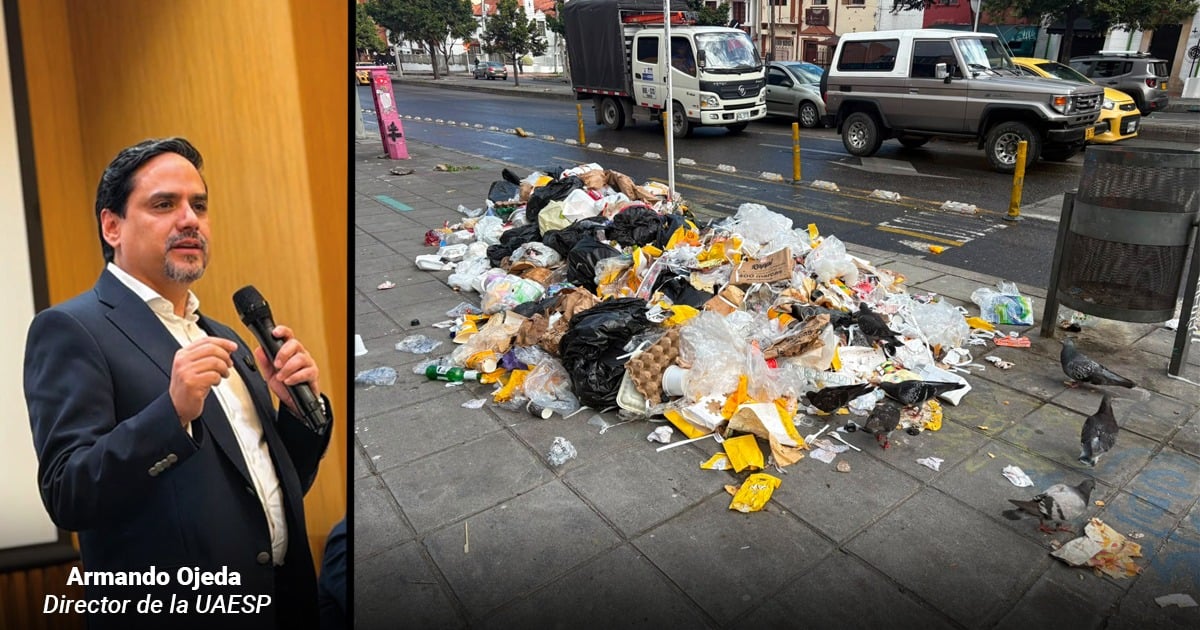
Yet, the numbers reveal a glaring paradox: while the UAESP proudly reports attending to over 575,000 service requests, Bogota still harbors a staggering 478 critical accumulation points across its localities. Out of these hundreds of designated crisis spots, only three have been successfully recovered.
The financial cost of these stopgap measures has been immense. According to Bogota Councilwoman Diana Diago, the district has poured more than $15.264 billion COP into these programs. Critics argue that the funds amount to little more than a paño de agua tibia (a temporary band-aid) on a deep-seated structural wound, failing to solve the root causes of illegal dumping and chronic waste mismanagement under the administration of Mayor Carlos Fernando Galán.
Chronology of a Failing Policy
To understand how Bogota arrived at its current sanitation crisis, it is necessary to retrace the timeline of the policy decisions that shaped the cazaregueros initiative:

- September 19, 2024: Amid mounting public pressure over dirty streets, UAESP Director Consuelo Ordóñez approves a critical budgetary addition to three pre-existing waste concession contracts (Contracts 283, 284, and 285, originally signed in 2018). This injection allocates approximately $9,000 million COP specifically to fund out-of-schedule cazareguero sweeps over a 16-month execution window.
- October 2024: The cazaregueros officially roll out onto Bogota’s streets. Armed with small utility vehicles, the specialized crews begin chasing down scattered garbage in known hotspots, operating outside normal waste-collection timetables.
- August 20, 2025: Political fallout hits the district administration. Following the Regulatory Commission of Potable Water and Basic Sanitation’s (CRA) rejection of Bogota’s plans to maintain Exclusive Service Areas (ASE) for waste collection, Mayor Carlos Fernando Galán requests and accepts the resignation of UAESP Director Consuelo Ordóñez. Despite her departure, the cazareguero contracts remain active and are subsequently extended.
- Late 2025 – Present: The administration continues to lean on the cazaregueros and supplementary "Ecopuntos" (temporary drop-off sites for rubble and bulky items). However, independent oversight and council audits expose that the baseline number of critical waste sites remains virtually unchanged, locking the city into an expensive, endless cycle of cleaning and re-soiling.
Supporting Data & Local Impact
The failure of Bogota’s sanitation strategy is not merely anecdotal; it is documented in stark statistical terms by municipal agencies and council watchdogs.
The Geography of Garbage
Bogota’s 478 critical points generate a combined total of more than 30 tons of waste every single month. The problem is heavily concentrated in specific working-class and densely populated localities:
- Kennedy: Leads the city with 71 critical points.
- Bosa: Tied for second with 56 critical points.
- Engativá: Matches Bosa with 56 critical points.
The Concession Map
The execution of these failing strategies is divided among three major private operators holding the multi-million-peso interadministrative contracts:
- Contract 283 (Empresa Promoambiental): Covers the suroriente zone, including Usaquén, Chapinero, Santa Fe, La Candelaria, San Cristóbal, Usme, and Sumapaz.
- Contract 284 (LIME): Covers Teusaquillo, Puente Aranda, Los Mártires, Antonio Nariño, Rafael Uribe Uribe, Bosa, Tunjuelito, and Ciudad Bolívar.
- Contract 285 (Ciudad Limpia): Operates exclusively in the high-density commercial and residential sectors of Kennedy and Fontibón.
Despite continuous contract renewals and budget additions, these operators find themselves restricted by legal definitions. UAESP guidelines explicitly state that cazaregueros are meant for routine maintenance and scattered light debris, not for clearing heavy construction escombros or specialized industrial waste—the very items that choke the city’s critical points.
Official Responses & Institutional Friction
The disconnect between district officials and oversight bodies highlights a severe governance gap in Bogota’s waste management framework.
The Council’s Critique
Councilwoman Diana Diago (Centro Democrático) has emerged as one of the most vocal critics of the Galán administration’s handling of the crisis. Diago points out a fatal flaw in the program’s design: the UAESP lacks the robust monitoring tools and key performance indicators (KPIs) necessary to measure the true effectiveness of the cazaregueros.

"The administration boasts about hundreds of thousands of attended requests, but they cannot measure response times or prove structural progress," Diago stated. "These strategies were never implemented to solve or eradicate critical points; they were designed merely to keep up appearances on surface-level cleaning while the underlying sickness festers."
The District’s Defense
In response to mounting scrutiny, representatives from the UAESP defend the utility of the programs, pointing to complementary initiatives like the Ecopuntos. These scheduled, temporary neighborhood stations allow citizens to dispose of construction debris, furniture, and bulky waste free of charge.
The district argues that Ecopuntos play an essential environmental role, preventing unscrupulous citizens and informal carretilleros from dumping heavy waste directly into Bogota’s crucial wetlands (humedales) and drainage canals—a practice that historically triggers severe localized flooding during heavy rainy seasons.
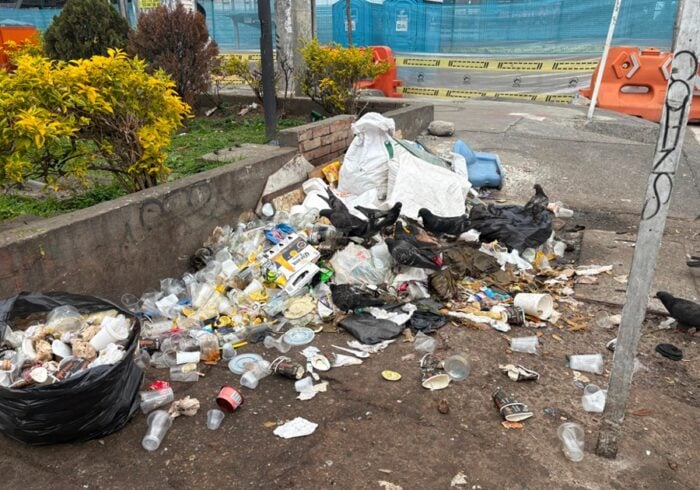
However, administrators concede that civic culture remains an insurmountable hurdle. No matter how many municipal resources are deployed, the habit of leaving trash out at incorrect times, coupled with scavenging by vulnerable populations, quickly undoes hours of cleaning labor.
Broader Implications for Bogota
The inability to conquer the trash crisis carries profound implications for the future of Colombia’s capital, touching upon public health, environmental sustainability, and fiscal responsibility.
Public Health and Environmental Hazards
Unmanaged waste accumulation zones are vector hotspots, attracting disease-carrying rodents and insects while fouling the air in densely populated neighborhoods. Furthermore, when bulky waste and organic trash wash into local waterways, they degrade aquatic ecosystems and threaten delicate surrounding biomes, undermining broader environmental victories—such as the recent, hard-won scientific efforts to reintroduce the Andean Condor to nearby high-altitude paramos.
Fiscal Sustainability and Governance
From a financial standpoint, pumping billions of pesos into recurring short-term concessions without establishing systemic accountability erodes public trust. If the district continues to treat a structural behavioral and logistical failure with endless contract extensions for light sweeping crews, taxpayers will continue footing a multi-billion-peso bill for an illusion of cleanliness.
Ultimately, Bogota’s war on garbage requires more than just faster trucks and more aggressive waste hunters. Until the district aligns its enforcement mechanisms, tackles illegal commercial dumping, and addresses the socioeconomic drivers of street scavenging, the city’s corners will remain trapped in an expensive, dirty loop of history repeating itself.



Leave a Reply