


Main Facts
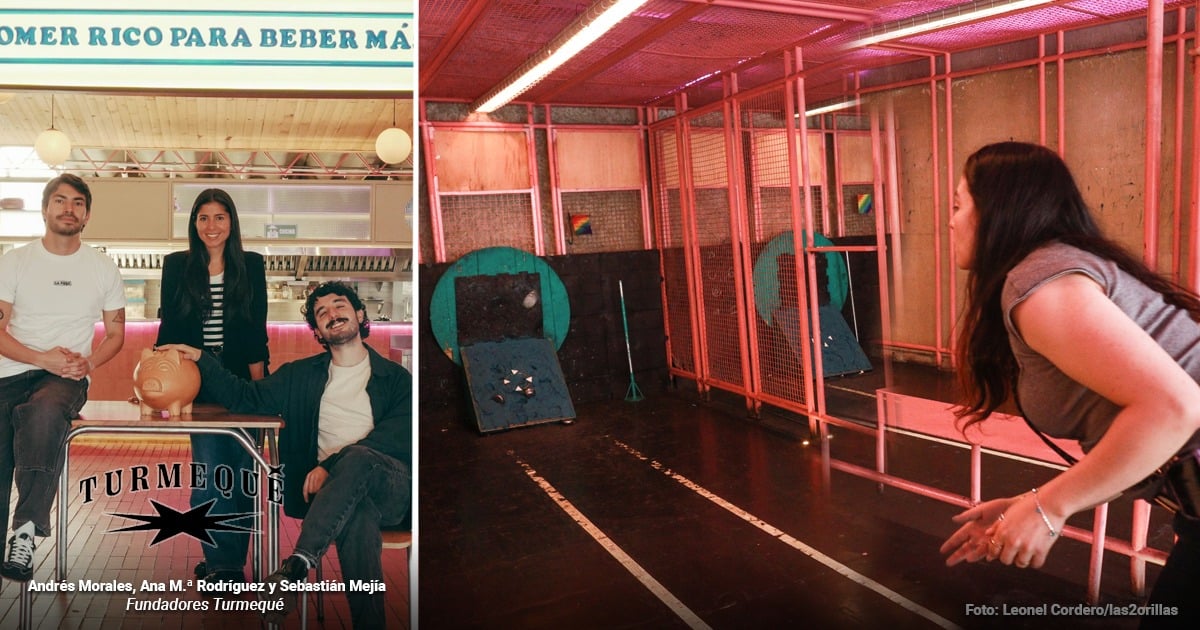
In the bustling, high-altitude landscape of Bogotá, Colombia, a quiet cultural and commercial revolution has taken root, transforming the country’s ancestral pastime into a sleek, high-end entertainment empire. Turmequé, a business venture conceived by three entrepreneurs from the Huila department—Ana María, Fabio, and Sebastián—has successfully redefined tejo, Colombia’s traditional sport of heavy metal discs and gunpowder explosions. By stripping away the stereotypical mud, localized grime, and social stigma associated with the game, the founders have transformed tejo into a modern, neon-lit experience tailored for the country’s most exclusive neighborhoods.
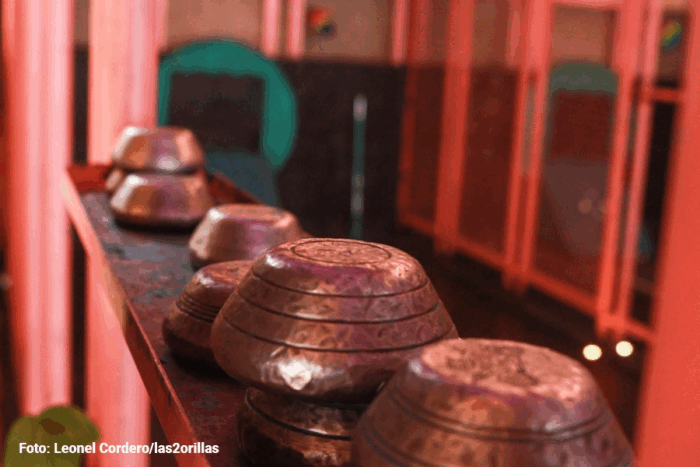
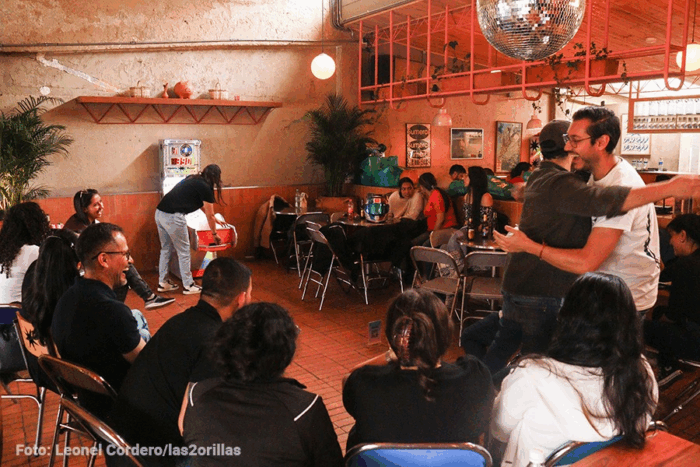
What began as a shared frustration over the uninviting, traditional clay courts of Bogotá has blossomed into a multi-billion-peso enterprise. Today, Turmequé boasts a valuation of approximately 23 billion Colombian pesos and attracts up to 8,000 clients every month. The business model relies on smart design and lifestyle integration: replacing traditional sticky mud with a clean, moldable synthetic clay akin to plasticine, introducing striking neon aesthetics, and eliminating the old-fashioned dual-court system in favor of a streamlined, mess-free setup.
Yet, the success of Turmequé is more than a commercial triumph; it is a profound cultural reclaiming. For generations, the elite classes of Colombian society dismissed tejo as a vulgar, unhygienic pastime exclusive to the working class. By opening locations in high-end enclaves like Santa Bárbara, Ana María, Fabio, and Sebastián shattered decades of class-based prejudice. Furthermore, their journey highlights the fascinating global evolution of tejo—a sport rooted in pre-Columbian Muisca rituals that has paradoxically grown into an international phenomenon, even hosting an annual diplomatic World Cup where global superpowers like India repeatedly claim the championship trophy.
Chronology: From Golden Discs to Modern Neon
To understand the magnitude of Turmequé’s disruption, one must trace the long, winding history of the sport, which stretches back centuries before the arrival of Spanish conquistadors.
The Pre-Columbian Era: Sacred Rituals and the Muisca
Long before tejo was played with iron and gunpowder, the indigenous Muisca and Chibcha civilizations of the Cundiboyacense high plateau practiced a sacred ritual using heavy golden discs known as zepguagoscua. Far from being a mere recreational game, this ancient activity was deeply spiritual and political. It served as a medium for sacred community rituals, a mechanism for young men to win the favor and love of women, and a formal arena to settle disputes and grievances. According to colonial lore, indigenous leaders like Pedro Naizaque—a cacique from Turmequé, Boyacá—even used the predecessor of the game to solve matters of the heart, famously relying on chance throws to choose a single wife from among his seven spouses.
The Colonial Shift: From Gold to Iron
Following the Spanish conquest, the indigenous golden discs were outlawed or replaced due to pillage and cultural subjugation. The practice evolved; stones took the place of gold, eventually giving way to heavy iron discs. Over the centuries, the game adopted the name "tejo" and migrated from sacred ceremonial grounds into rural taverns, village squares, and working-class neighborhoods. However, as it lost its formal spiritual standing, it increasingly became associated with popular culture, heavy drinking, and informal social gatherings.

The Mid-20th Century: Political Attempts at Desstigmatization
During the 1940s, visionary political leaders such as Jorge Eliécer Gaitán recognized the cultural value of tejo and attempted to integrate it into elite social clubs and schools. Gaitán and other cultural advocates sought to strip away the social stigma and rebrand the sport as a unifying national symbol. Unfortunately, these early mid-century efforts largely failed. The upper classes continued to view tejo as unhygienic and low-brow, keeping the sport strictly confined to the periphery of mainstream urban society.
Legal Recognition and the Millennium Era
A major turning point occurred in the year 2000, when the Colombian Congress officially declared tejo the country’s National Sport via Law 613. It was subsequently designated as intangible cultural heritage, securing its status on the global stage. This legislative push encouraged the establishment of organized structures, eventually leading to 24 official leagues registered under the Colombian Tejo Federation and over 70,000 informal or artisanal courts nationwide.
2019–Present: The Turmequé Disruption
In 2019, the modern era of tejo officially commenced when Ana María, Fabio, and Sebastián opened the doors of the first Turmequé venue in a warehouse in Bogotá’s trendy San Felipe neighborhood. Recognizing that urban professionals desired the thrill of the explosion without the inconvenience of ruining their clothes, the founders innovated the playing surface and visual presentation. Their bold gamble paid off: despite encountering fierce resistance from wealthy residents in upscale districts like Santa Bárbara, Turmequé successfully normalized tejo for the elite, culminating in prestigious design nods like a nomination for the Lápiz de Acero (Steel Pencil) award, Colombia’s highest architecture and design accolade.

Supporting Data and Economic Impact
The financial metrics and operational scale of Turmequé illustrate a masterclass in modern experiential entrepreneurship:
- Valuation: The company has reached an estimated business valuation of $23 billion Colombian pesos, reflecting rapid investor confidence and robust cash flows.
- Monthly Foot Traffic: Turmequé locations serve an impressive volume of up to 8,000 clients per month, driven largely by corporate events, weekend gatherings, and tourists seeking authentic cultural immersion without rural friction.
- National Infrastructure: Across Colombia, the sport boasts 24 official leagues recognized by the Colombian Tejo Federation, supported by an estimated 70,000 artisanal and commercial courts.
- The International Stage: The annual Mundial de Tejo (Tejo World Cup) in Bogotá regularly convenes diplomatic missions and teams from 18 participating countries, transforming a local Andean game into a vibrant exercise in international cultural diplomacy.
Official Responses and Perspectives
The rapid gentrification and commercialization of a historically working-class sport have sparked diverse reactions from cultural preservationists, diplomats, and entrepreneurs alike.
According to the Group of Cultural Heritage Watchdogs (Grupo de Vigas de Patrimonio Cultural), the ongoing commercial adaptation of tejo serves a vital psychological and social function. The organization notes that modern venues allow younger urban generations to connect with ancestral roots, honor the traditions of their grandparents and forebears, and engage in communal joy without losing the playful essence of the game.
On the international diplomatic front, the sport has achieved remarkable cross-cultural resonance. Following the IV Mundial de Tejo, the Embassy of India in Colombia issued an official statement celebrating their victory in the 2026 tournament:
"The Mundial de Tejo was a wonderful opportunity to build bridges, share cultures, and strengthen the bonds of friendship among the participating countries. We are proud that India emerged victorious, defending its title in this unique international celebration of tejo. Friendship India-Colombia, one tejo at a time!"
Meanwhile, the founders of Turmequé remain focused on democratization through design. Rather than resting on their laurels, Ana María, Fabio, and Sebastián have pioneered innovative crowdfunding strategies—allowing everyday citizens to purchase fractional shares and equity in the company. This capital injection is specifically earmarked to fund the expansion of neon-lit courts into new urban sectors where tejo has historically been kept out by social prejudice.
Implications: Redefining National Identity and Class Boundaries
The rise of Turmequé carries deep socio-economic and cultural implications for contemporary Colombia. For decades, urban class structures in cities like Bogotá were starkly delineated by recreational habits; golf, tennis, and equestrian sports were reserved for the elite, while tejo, jochada, and bolirrana were relegated to the working class.
By neutralizing the physical barriers of the game—specifically the mud, the smoke, and the informal tavern environment—Turmequé has achieved what politicians in the 1940s could not: it has made the ancestral indigenous pastime desirable, fashionable, and economically lucrative within high society. The clean, synthetic-clay lanes and vibrant neon aesthetics prove that cultural heritage does not need to remain static or rustic to retain its authenticity.
At the same time, the phenomenon of international teams—most notably India—dominating the World Cup highlights tejo’s transition from a localized Andean custom to a globalized commodity. As the sport continues to attract foreign diplomats and international tourists, it ceases to be merely a national sport and becomes an ambassador of Colombian identity.

Ultimately, Turmequé’s trajectory demonstrates that economic innovation and cultural preservation can coexist. By successfully fusing pre-Columbian history with modern interior design, high-end hospitality, and open financial models, Ana María, Fabio, and Sebastián have not only made a metaphorical moñona (a direct strike on the target) in the business world, but they have also permanently rewritten how Colombians of all social classes interact with their oldest national tradition.




Leave a Reply