

By Environmental Policy and Energy Desk
Published: October 2023
Main Facts
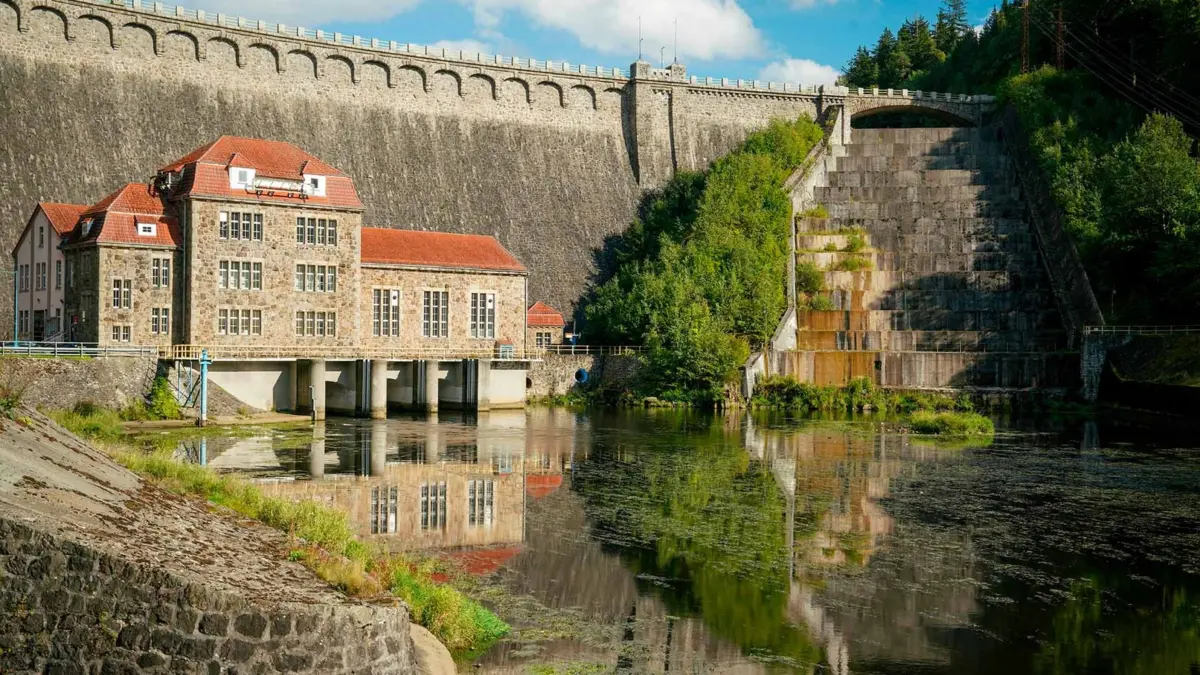
After more than a decade of administrative delay, intense public debate, and rigorous environmental scrutiny, the staff of the Federal Energy Regulatory Commission (FERC) has issued a long-awaited recommendation regarding the future of two major hydroelectric facilities on the Connecticut River. The facilities in question—the Turners Falls hydroelectric project and the Northfield Mountain pumped-storage facility—have been operating under annual license extensions for over 13 years while awaiting a definitive federal ruling on their long-term operations.
FirstLight Power, the energy company that owns and operates both complexes, originally submitted applications for sweeping 50-year license renewals. These proposals sparked immediate pushback from conservationists, local municipalities, and recreational river users concerned about the cumulative ecological degradation of one of New England’s most vital waterways.
The core of the controversy centers on the severe environmental trade-offs inherent in large-scale hydropower generation:
- Turners Falls: A traditional 62-megawatt (MW) run-of-the-river hydroelectric installation that regulates river flows and historically posed significant barriers to migratory fish species.
- Northfield Mountain: A massive 1,166-MW pumped-storage hydroelectric facility that operates effectively as an enormous water battery, pumping water uphill into a reservoir during periods of low electricity demand and releasing it downward through turbines to generate peak power rapidly.
In its newly released Final Environmental Impact Statement (FEIS), FERC staff concluded that both facilities can be granted new operating licenses, but only under a strict regime of mandatory environmental mitigations. These conditions are designed to curb fish mortality, mitigate severe shoreline erosion, stabilize dramatic water level fluctuations, and improve public access to recreational areas along the Connecticut River.
However, the FERC staff’s recommendation is not a final legal authorization. The complex regulatory road ahead involves state-level water quality certifications, ongoing stakeholder challenges, and ultimate administrative review by the full Commission. Until these hurdles are cleared, Turners Falls and Northfield Mountain remain in administrative limbo, bound to temporary annual operating permits.
Chronology of a Decades-Long Regulatory Battle
The path toward relicensing the Turners Falls and Northfield Mountain facilities is a testament to the friction between modern renewable energy demands and localized ecological preservation.
- Pre-2018 (The Original License Era): The original operational licenses for both facilities were governed by decades-old agreements that failed to fully account for modern insights into aquatic ecology, endangered species protection, and the ecological impacts of hydro-peaking (rapid fluctuations in water levels caused by power generation demands).
- 2018 (Expiration and Provisional Status): The formal operating licenses for Turners Falls and Northfield Mountain officially expired. Under FERC regulations, because FirstLight Power timely filed applications for new licenses, the plants were granted annual administrative extensions. What was expected to be a standard bureaucratic review snowballed into an exhaustive multi-year environmental impact assessment.
- 2019–2022 (Public Scrutiny and Opposition Campaigns): As environmental studies were conducted, local opposition coalesced. Public comment periods revealed deep skepticism among watershed residents. Notably, approximately 49% of all public comments submitted regarding Northfield Mountain explicitly opposed its relicensing, citing unchecked shoreline erosion, damage to aquatic life, and the degradation of recreational river spaces.
- Late 2023 (The FERC Final Environmental Impact Statement): FERC staff released the comprehensive FEIS, marking a critical milestone in the review process. The document formally recommended relicensing—provided that FirstLight implements a sweeping array of structural and operational changes.
- Present Day (The Waiting Game): The facilities continue to operate on rolling annual permits. The release of the FEIS has opened a new window for legal and regulatory arguments, as environmental groups and state agencies weigh whether FERC’s proposed mitigations go far enough to protect the Connecticut River ecosystem.
Supporting Data: Scale, Impact, and Metrics
To understand the stakes of the FERC recommendation, one must examine the sheer scale of the engineering involved and the hard data driving the environmental concerns:
- 1,166 Megawatts: The generation capacity of Northfield Mountain, making it one of the largest energy storage facilities in the northeastern United States. Its ability to store and rapidly dispatch power makes it a critical tool for grid stability and the integration of intermittent renewable sources like wind and solar.
- 62 Megawatts: The capacity of the Turners Falls facility, a critical regional asset for baseload and flexible renewable energy production.
- 13+ Years: The duration of the relicensing delay. This prolonged timeline has strained relationships between the operator, local communities, and regulatory bodies, creating uncertainty for long-term regional energy planning.
- 49% Public Opposition: The unprecedented volume of negative public commentary directed specifically at the Northfield Mountain facility during the scoping and environmental review phases, highlighting widespread community fatigue over environmental degradation.
- June 1 to November 15: The mandated annual window during which FERC proposes that FirstLight install and operate a massive physical net barrier at the Northfield Mountain intake structure to prevent migratory fish species from being pulled into the system.
Official Responses and Stakeholder Perspectives
The release of FERC’s final environmental assessment has triggered varied reactions from the multiple factions with a stake in the Connecticut River’s future.
The Operator: FirstLight Power
FirstLight has defended its stewardship of the watershed, emphasizing that both facilities play an irreplaceable role in New England’s clean energy transition. As the grid moves away from fossil fuels, the energy storage capabilities of Northfield Mountain are viewed by industry proponents as indispensable for balancing supply and demand. FirstLight has expressed a willingness to work within a modern regulatory framework, though corporate stakeholders are undoubtedly analyzing the financial and logistical impacts of the newly proposed structural mitigations.
Conservation Groups and Local Stakeholders
Environmental organizations and watershed protection groups offer a more guarded assessment. While many acknowledge that the FERC staff’s recommendations represent a substantial improvement over the status quo—incorporating tighter controls than what was permitted under the expired 20th-century licenses—they argue the measures fall short of addressing all community grievances.
A primary point of contention remains the management of water flows. Conservationists argue that the operational model of pumped-storage hydroelectricity inherently creates violent up-and-down cycles in the river’s water levels. These artificial tides scour the banks, destroy shallow-water aquatic habitats, disrupt recreational boating and fishing, and threaten native species. Critics maintain that even with physical net barriers and flow adjustments, the river will continue to bear a heavy ecological toll to satisfy the region’s peak electricity demands.
Implications for Energy, Ecology, and Regulation
The ongoing saga of Turners Falls and Northfield Mountain serves as a case study for the broader challenges facing energy infrastructure across North America. As the nation races to decarbonize its economy and transition toward renewable energy grids, society faces a complex balancing act:
- The Energy Storage Paradox: Facilities like Northfield Mountain are technically classified as renewables and are vital for storing wind and solar energy. However, their physical footprint and operational mechanics can inflict severe localized environmental damage. Policymakers are forced to weigh global and regional climate goals against local ecosystem health.
- The Burden of Aging Infrastructure: Thousands of hydroelectric dams and storage facilities across the United States are operating on expired or soon-to-expire licenses. The Connecticut River case demonstrates how arduous, expensive, and legally fraught the modern relicensing process has become under the National Environmental Policy Act (NEPA) and related statutes.
- Transparency and Real-Time Data: Among the positive provisions in the FERC staff report is a requirement for public, real-time data portals tracking river flows, water levels, and operational forecasts. This move toward digital transparency aims to empower recreational users, anglers, and municipalities to safely navigate river conditions influenced by industrial-scale power generation.
- The Long Road Ahead: Ultimately, the FERC staff’s recommendation is merely a recommendation. The ultimate approval of the licenses requires formal Commission action, and crucially, the issuance of state-level Water Quality Certifications under Section 401 of the Clean Water Act. State environmental agencies hold significant veto power, meaning the final chapter of the Connecticut River hydroelectric dispute has yet to be written.
Until federal regulators and state authorities reach a final consensus, the waters of the Connecticut River will continue to flow past Turners Falls and Northfield Mountain under the watchful, uncertain gaze of temporary permits—a reminder that the transition to a green energy future is rarely simple, and never without cost.


Leave a Reply