

BOGOTÁ — In an era defined by rapid supply chain evolution and global economic interdependence, the lifeblood of any nation remains its transportation and logistics sector. For Colombia, a country marked by rugged topography and fragmented regional markets, the commercial trucking industry is the literal bridge connecting production centers to ports, cities, and international borders. However, this vital engine of commerce faces an unprecedented operational crisis: a severe, worsening shortage of qualified professional drivers.
Addressing this pressing economic vulnerability, high-ranking government officials have stepped forward with strategic interventions. During the landmark 51st National Congress of Colfecar (Colombian Federation of Cargo Transporters), then-Vice President José Manuel Restrepo delivered a candid assessment of the crisis, identifying deep-seated structural challenges. More importantly, he outlined a proactive roadmap involving institutional reform, targeted vocational training, and the mobilization of an untapped demographic workforce to revitalize the aging driving population and secure the future of Colombian logistics.
Main Facts: The Anatomy of a Logistics Crisis
The core issue facing Colombia’s transport sector is multifaceted, combining demographic shifts, cultural disincentives, and a mismatch between modern job market requirements and traditional educational pathways. According to assessments presented at the Colfecar Congress, the current shortfall of commercial vehicle operators is not merely a temporary cyclical dip; it is a profound structural deficit.
The Triad of Challenges
- The Generational Gap: The average age of professional freight drivers in Colombia has risen steadily over the past two decades. As veteran drivers reach retirement age, there is a glaring absence of younger replacements willing or able to step into the driver’s seat.
- Shifting Youth Aspirations: Modern generations of job seekers increasingly gravitate toward urban, office-based, or digital environments, often overlooking the logistics and transportation sector due to historical perceptions of arduous working conditions, long hours away from home, and demanding physical labor.
- Training and Certification Barriers: Becoming a certified, highly skilled commercial driver requires significant capital investment, specialized licensing, and rigorous training—resources that are frequently out of reach for lower-income youth who stand to benefit most from stable employment.
To confront these hurdles, the government’s proposed intervention centers on bridging the gap between industry demand and public vocational infrastructure. Specifically, Restrepo announced an immediate initiative to partner with the National Learning Service (Servicio Nacional de Aprendizaje — SENA), Colombia’s premier public institution for vocational and technical training. By redesigning SENA’s curriculum to align precisely with the competencies demanded by modern logistics operators, the state aims to transform the country’s approach to workforce development.
Chronology: From Industry Alarm to Government Action
The path toward the current policy proposals reflects a growing urgency among business leaders and policymakers. The timeline of events leading up to the historic 51st Colfecar Congress underscores how a localized industry complaint evolved into a national government priority.
Phase 1: The Escalation of Industry Warnings (2021–2022)
For years, regional transport companies and major freight associations across Colombia reported mounting difficulties in filling vacant driver positions. Fleet utilization rates began to suffer as trucks sat idle in terminals due to a lack of certified personnel. Initially treated as a localized HR issue, logistics firms realized by late 2022 that the shortage was nationwide, threatening delivery timelines and increasing operational costs across all supply chains.
Phase 2: The 51st Colfecar Congress and Restrepo’s Address
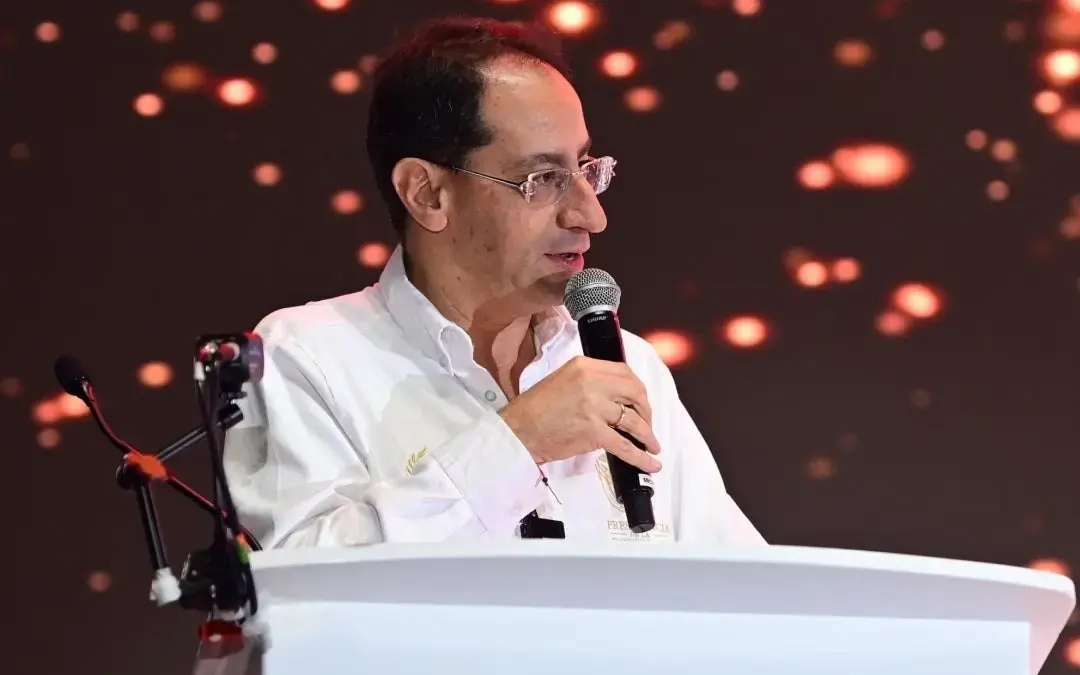
The crisis reached a formal institutional milestone during the 51st Annual Congress of Colfecar. Convening industry executives, fleet owners, and policymakers, the event served as a platform for open dialogue regarding the future of the nation’s transport infrastructure. It was during this high-profile gathering that Vice President José Manuel Restrepo took the podium to address the delegates directly, acknowledging that the government shared the industry’s alarm and was prepared to take decisive action.
Phase 3: Immediate Institutional Mobilization
Demonstrating swift administrative follow-through, Restrepo did not limit his remarks to rhetoric. Within 24 hours of his address at the Colfecar Congress, administrative machinery was set in motion. Restrepo directed his private secretary to schedule an urgent high-level meeting with the Director-General of SENA. This rapid-response approach ensured that the proposals discussed on the convention stage were immediately translated into concrete bureaucratic action items, laying the groundwork for overhauled technical curricula.
Supporting Data: Unlocking the Potential of the "Ninis" and Modern Skills
A cornerstone of the government’s strategy relies on a paradox inherent in Colombia’s current socioeconomic landscape: while industries like transport suffer from chronic labor shortages, millions of young people remain detached from the formal economy.
The "Nini" Demographic: A Misallocated Resource
Data highlighted during the discussions revealed a striking statistic: approximately 2.4 million young Colombians fall into the category of "ninis"—individuals who neither study nor work (ni estudian ni trabajan). For policymakers, this cohort represents both a socioeconomic challenge and a massive reservoir of untapped human capital.
Rather than viewing these millions of disengaged youth as a lost cause, Restrepo argued that the problem lies not in a lack of capability or willingness to work, but in a failure of institutional channeling.
"Talent certainly exists; what we must do is channel it effectively," Restrepo asserted during the congress.
By connecting these young individuals with targeted, tuition-free training programs at SENA, the state hopes to convert economic bystanders into skilled professionals capable of driving the nation’s supply chains.
Beyond Driving: The Need for Short-Cycle, High-Tech Training
The modernization of the transport sector requires more than just individuals capable of steering heavy machinery. Modern logistics demands digital literacy, mechanical aptitude, adherence to safety protocols, and familiarity with telematics and fleet-management software.
To meet these multifaceted demands, the proposed educational framework emphasizes short-cycle training programs. These agile, intensive courses are designed to provide rapid certification in high-demand skills without requiring years of traditional university study. Key areas of focus include:
- Advanced Digital Capabilities: Training operators to interact with complex onboard navigation, GPS tracking, and automated inventory systems.
- Bilingualism: Equipping logistics personnel with language skills necessary for international trade corridors, cross-border operations, and interactions with multinational supply chain partners.
- Emerging Technologies: Preparing workers for the gradual integration of alternative-fuel vehicles, electric commercial fleets, and smart-infrastructure logistics hubs.
- Safety and Compliance: Cultivating rigorous standards in defensive driving, regulatory compliance, and cargo preservation to reduce accident rates and insurance liabilities.
Official Responses and Strategic Vision
The collaboration between the executive branch, SENA, and private sector federations like Colfecar marks a collaborative pivot in Colombian public policy. Rather than imposing top-down mandates, the government is leaning into a demand-driven educational model.
The Colfecar Perspective
Colfecar leadership has consistently emphasized that the driver shortage is a direct threat to national competitiveness. Delays in cargo movement translate directly to higher consumer prices, reduced export efficiency, and a sluggish domestic market. Industry leaders welcomed the government’s proactive stance, viewing the direct pipeline to SENA as a long-overdue bridge between theoretical public education and practical private-sector needs.
Broadening the Scope: Lifelong Learning and Inclusion
Significantly, the strategy outlined by the administration does not restrict its vision solely to the younger demographic. While targeting the "nini" population is critical for generational renewal, Restrepo emphasized that workforce development must be inclusive across age groups:
- Professional Upskilling: Existing mid-career transport professionals require ongoing educational opportunities to adapt to technological advancements in vehicle design and logistical software. Short-cycle programs offer these workers a mechanism to update their competencies without abandoning the workforce.
- Senior Labor Retention: Older adults who possess decades of invaluable driving experience but face changing technological or regulatory requirements can benefit from targeted refresher courses, allowing them to extend their productive working years safely and profitably.
Implications for the Future of Colombian Logistics
The initiative to overhaul driver training through SENA carries profound implications for Colombia’s economic trajectory over the coming decade.
1. Enhancing National Competitiveness
A reliable, well-trained, and generational-renewed commercial driving workforce directly reduces logistics friction. Lower transit times, fewer cargo incidents, and optimized fleet management will drive down operational costs for businesses, ultimately benefiting consumers through more stable pricing and greater product availability.
2. Formalizing the Economy
By integrating millions of disengaged youth into structured, formal training pipelines connected to established industries, the state makes significant strides toward reducing informality. Formal employment brings social security benefits, legal protections, and stable career paths, improving overall societal well-being.
3. Adapting to Global Trends
As global supply chains demand greater transparency, speed, and environmental sustainability, Colombian transport companies cannot afford to rely on outdated operational models. Ensuring that new drivers are versed in digital technologies and modern safety standards prepares the domestic sector to integrate seamlessly with international trade standards.
Conclusion
The shortage of commercial drivers in Colombia is a complex challenge rooted in demographics, cultural perceptions, and educational gaps. However, by transforming this crisis into an opportunity for structural reform—leveraging the untapped potential of millions of disengaged youth and partnering directly with vocational institutions like SENA—the nation is charting a pragmatic course forward. Through targeted short-cycle training, generational renewal, and a commitment to lifelong learning, Colombia is actively building the human foundation required to drive its economic future safely down the road.




Leave a Reply