Published: October 2, 2026 Curated by: Nina Vuga Location: Lunano, Marche Region, Italy Design Collective: Collectif MAGMA Photography: Juliette Lefrançois and Collectif MAGMA
Main Facts
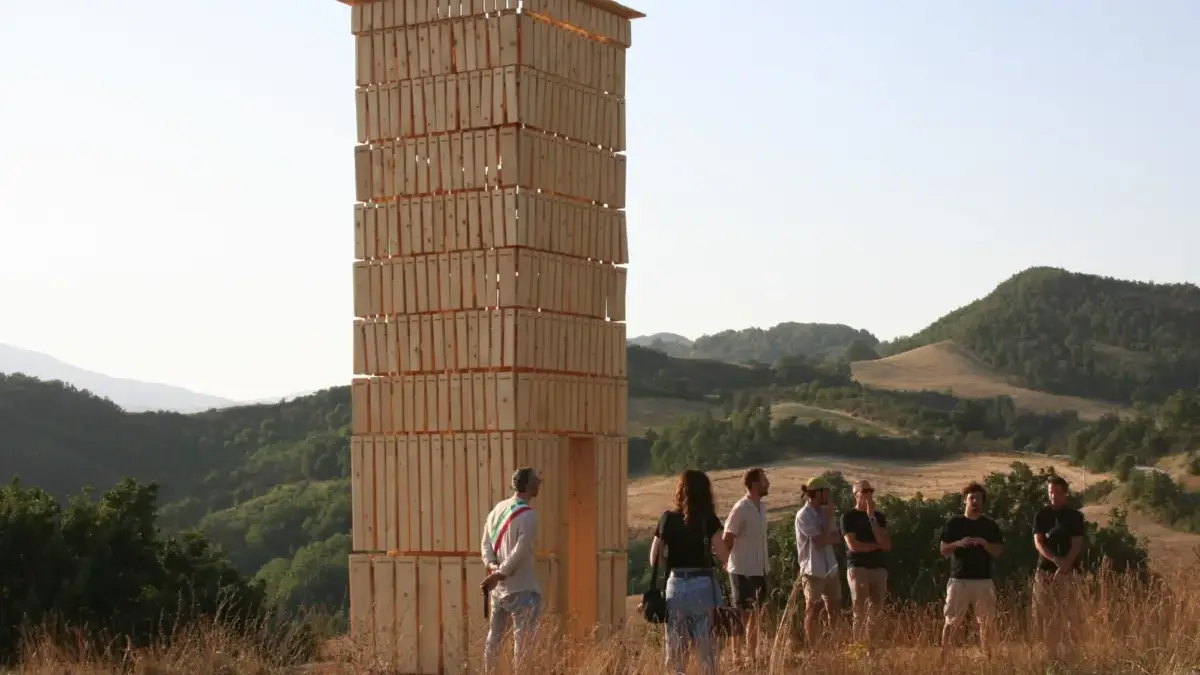
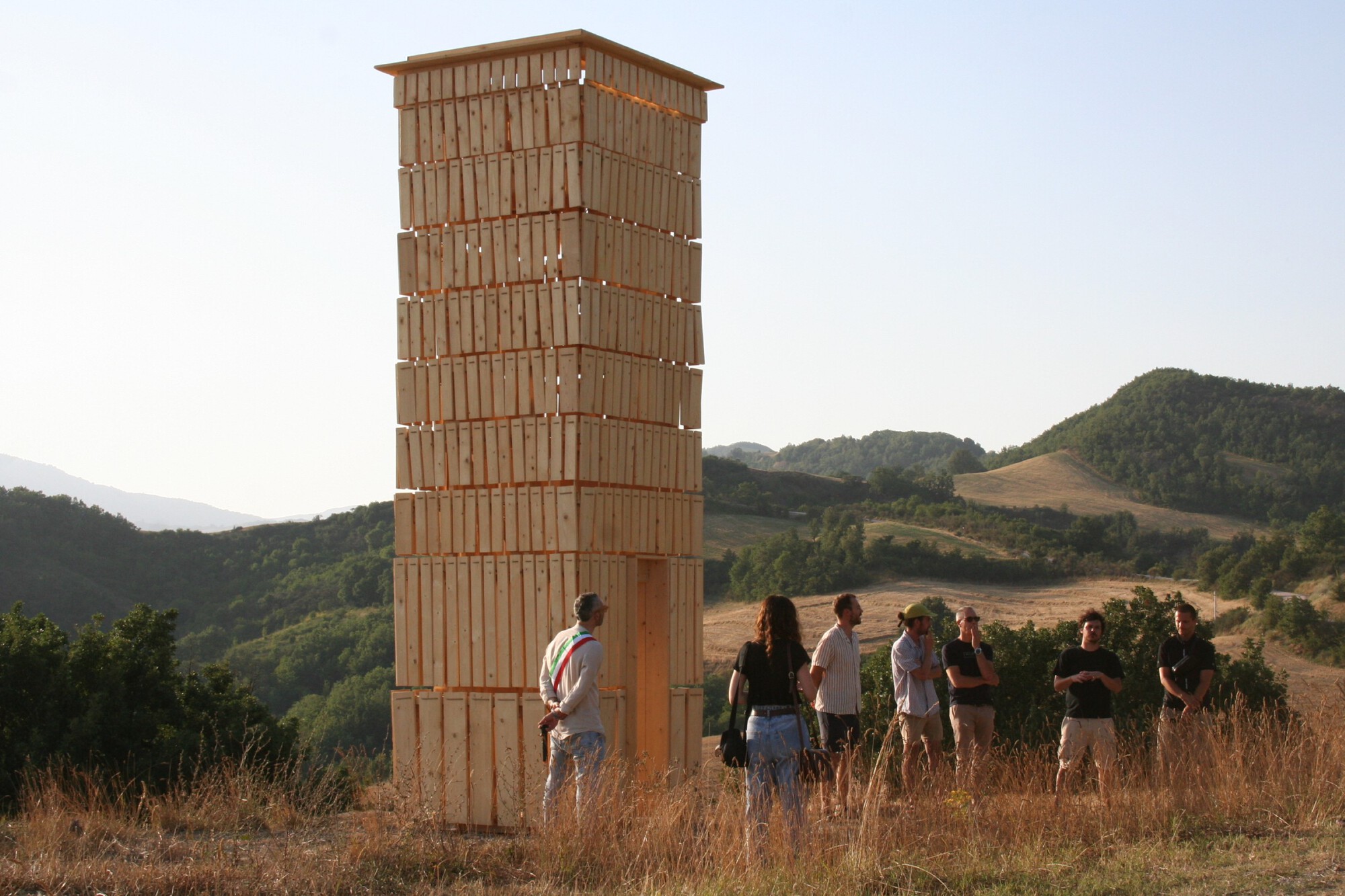
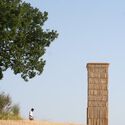
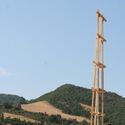
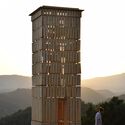
Nestled within the rolling, sun-drenched hills of the Marche region in Italy, the rural municipality of Lunano serves as the breathtaking backdrop for a new architectural exploration titled "What the Stones Whisper" (Lo que susurran las piedras). Conceived by the design-build studio Collectif MAGMA and thoughtfully curated by Nina Vuga, this intervention sits quietly along a well-trodden local pathway. Positioned adjacent to a humble picnic area that frames expansive, panoramic views of the historic village, the project bridges the gap between contemporary spatial design and centuries-old rural vernacular.
The site itself is steeped in historical geography. The pathway acts as a vital pedestrian artery connecting two monumental, time-worn architectural landmarks: the Convent of Monte Illuminati and the Tower of Lunano. These stone structures have crowned the region’s undulating ridges for centuries, serving as silent sentinels of a deeply rooted cultural heritage. Collectif MAGMA’s intervention does not attempt to outshine these ancient monoliths; rather, it amplifies their voice, creating an architectural dialogue that honors the materiality, memory, and landscape of rural Italy.
Chronology
The realization of "What the Stones Whisper" is the culmination of a multi-phased design and community-engagement process undertaken by Collectif MAGMA. While specific completion milestones underscore a deliberate, research-heavy approach, the timeline of the project reflects a deep immersion into the fabric of Lunano:
Initial Research and Site Analysis (Early Development Phase): Collectif MAGMA spent extensive time analyzing the Marche region, studying the historical pathways connecting Lunano to the Convento de Monte Illuminati and the medieval towers. The team mapped pedestrian traffic, local flora, and the geological composition of the local stone.
Curatorial Alignment: Collaborating closely with curator Nina Vuga, the collective refined the conceptual framework of the project, shifting the focus from a purely functional structure to an experiential installation that captures the ephemeral qualities of the site—specifically, the sensory perception of wind, stone, and memory.
Design and Material Testing: The team developed prototypes focused on vernacular integration, ensuring that any physical intervention would weather naturally, mirroring the aging process of the surrounding historical architecture.
Construction and Installation: Built in harmony with the landscape, the intervention was integrated into the existing path near the Lunano viewpoint.
Public Unveiling and Documentation (October 2026): Officially published and presented to the global architectural community through platforms like ArchDaily, the project opened its doors to both local hikers and international architecture enthusiasts, captured through the lens of photographers Juliette Lefrançois and the collective itself.
Supporting Data and Context
To fully appreciate the scope of Collectif MAGMA’s intervention in Lunano, it is essential to examine the geographical, architectural, and cultural metrics that define the project:
Geographical Setting: Lunano is located in the province of Pesaro and Urbino, within the Marche region of central Italy. Known for its agricultural valleys, dense woodlands, and medieval fortifications, Marche offers a pristine canvas for contextual architecture.
Material Palette: The project relies heavily on locally sourced materials, primarily regional stone, untreated timber, and earth-toned finishes that establish a seamless visual continuity with the surrounding hills.
Photographic Documentation: The project’s visual identity has been meticulously preserved across a portfolio of 26 detailed photographs, primarily shot by Juliette Lefrançois, highlighting the interplay of light, shadow, and texture across different times of day.
Pedestrian Infrastructure: The installation directly intersects with a regional hiking and pilgrimage network, registering a steady influx of slow-tourism travelers, local residents, and cultural tourists interested in the architectural heritage of central Italy.
Official Responses and Curatorial Insights
The philosophical underpinnings of "What the Stones Whisper" reflect a growing movement within contemporary architecture that favors listening to the site over imposing upon it. Curated by Nina Vuga, the project challenges the traditional monumentality of public art and architecture by opting for a sensitive, low-impact spatial gesture.
In statements provided by the project team, Collectif MAGMA emphasized the narrative power of the landscape:
"The project is conceived not as an object placed upon the land, but as an amplifier of the land’s history. By anchoring our design along the historic pathway between the Convent of Monte Illuminati and the Tower of Lunano, we sought to create a resting place where the physical memory of stone can be felt, heard, and contemplated by anyone who passes through."
Nina Vuga’s curation frames the intervention as a poetic translation of architectural archaeology. Rather than treating history as a static museum exhibit, the installation invites everyday users—hikers, locals, and travelers—to become active participants in the ongoing story of Lunano. The "whispers" referenced in the title are literal and metaphorical: the sound of wind sweeping through the valley, the crunch of gravel underfoot, and the silent, enduring resonance of centuries-old masonry.
Implications for Rural Architecture and Heritage Conservation
The completion and critical reception of Collectif MAGMA’s project in Lunano carry significant implications for the future of rural architecture, heritage preservation, and slow tourism in Europe:
1. Countering Rural Depopulation Through Design
Many historic villages in regions like Marche face gradual demographic decline as younger generations migrate to larger urban centers. Sensitive, high-profile architectural interventions like "What the Stones Whisper" breathe new life into rural landscapes. By drawing architectural tourists, hikers, and cultural travelers to paths less traveled, the project stimulates local economies while fostering a renewed sense of civic pride among Lunano’s residents.
2. A Shift Toward "Listening Architecture"
For decades, contemporary rural architecture has sometimes struggled with the dichotomy of either replicating historical pastiche or introducing aggressive, high-contrast modern forms. Collectif MAGMA demonstrates a third path: contextual empathy. By treating the landscape as a collaborative partner, the collective sets a precedent for how architects can intervene in heritage-rich environments without erasing their historical layers.
3. Integrating Slow Tourism and Spatial Poetry
As society grows increasingly saturated by digital noise and rapid urbanization, spaces that encourage contemplation are becoming invaluable civic assets. Positioned near a picnic overlook with views of the village, the installation provides a physical pause—a place to sit, look, and listen. This design philosophy aligns closely with the principles of slow tourism, encouraging visitors to slow their pace, engage with local heritage, and connect deeply with the physical geography of the Marche region.
Ultimately, "What the Stones Whisper" stands as a testament to the fact that architecture does not always need to shout to make an impact. Through careful listening, respectful material selection, and a deep reverence for history, Collectif MAGMA and Nina Vuga have crafted a timeless monument to the quiet poetry of the Italian countryside.



Leave a Reply